Mammals · Cingulata · Dasypodidae
Pichi
Zaedyus pichiy
It could become endangered in the near future if current threats go unchecked. See full glossary
The pichi is the armadillo that lives furthest south in the world and the only one that truly hibernates. It is small and compact, with a shell with serrated edges and plenty of hair between the plates. When threatened it does not flee: it hunkers down and drives the sharp rim of its shell into the ground, anchored like a lid that no predator can prise up. It eats insects, carrion, roots and fruit. Hunting for food and dogs are its main threats.
Weight
700 g – 1.5 kg
Size
26 cm – 33 cm
Lifespan
9 years
Diet
Omnivore
Combines animal and plant food depending on availability.
Activity
Nocturnal
Active mainly at night.
Social structure
Solitary
Lives and hunts alone, joining others only to breed.
Sighting difficulty
Moderate
Fun facts
- It is the only armadillo that truly hibernates: in Patagonia it spends the winter with its body temperature very low and its metabolism almost halted, and it also enters daily torpor even in summer.
- Its defence is neither running nor rolling up but anchoring itself: it flattens against the ground and drives in the toothed rim of its shell, and it takes considerable force to prise it up.
Life cycle & biology
- Skeleton type
- Vertebrate - internal bony skeleton with a carapace of dermal plates (mammal)
- Habitat & environment
- Patagonian steppe, dry pampas and arid scrub of southern Argentina and Chile
- Sexual maturity
- 10.5 months
- Gestation / incubation
- 2 months
- Litter / clutch size
- 2
Sources consulted: https://es.wikipedia.org/wiki/Zaedyus_pichiy
Where to watch it
Parques y spots de buceo donde se ha documentado esta especie — se muestran 10 de 13 documentados.
Related species
Other species in the catalogue with the most in common with Pichi — same habitat, park, country, tags or family.
Large Hairy Armadillo
Chaetophractus villosus
 Near Threatened
Patagonian Mara
Dolichotis patagonum
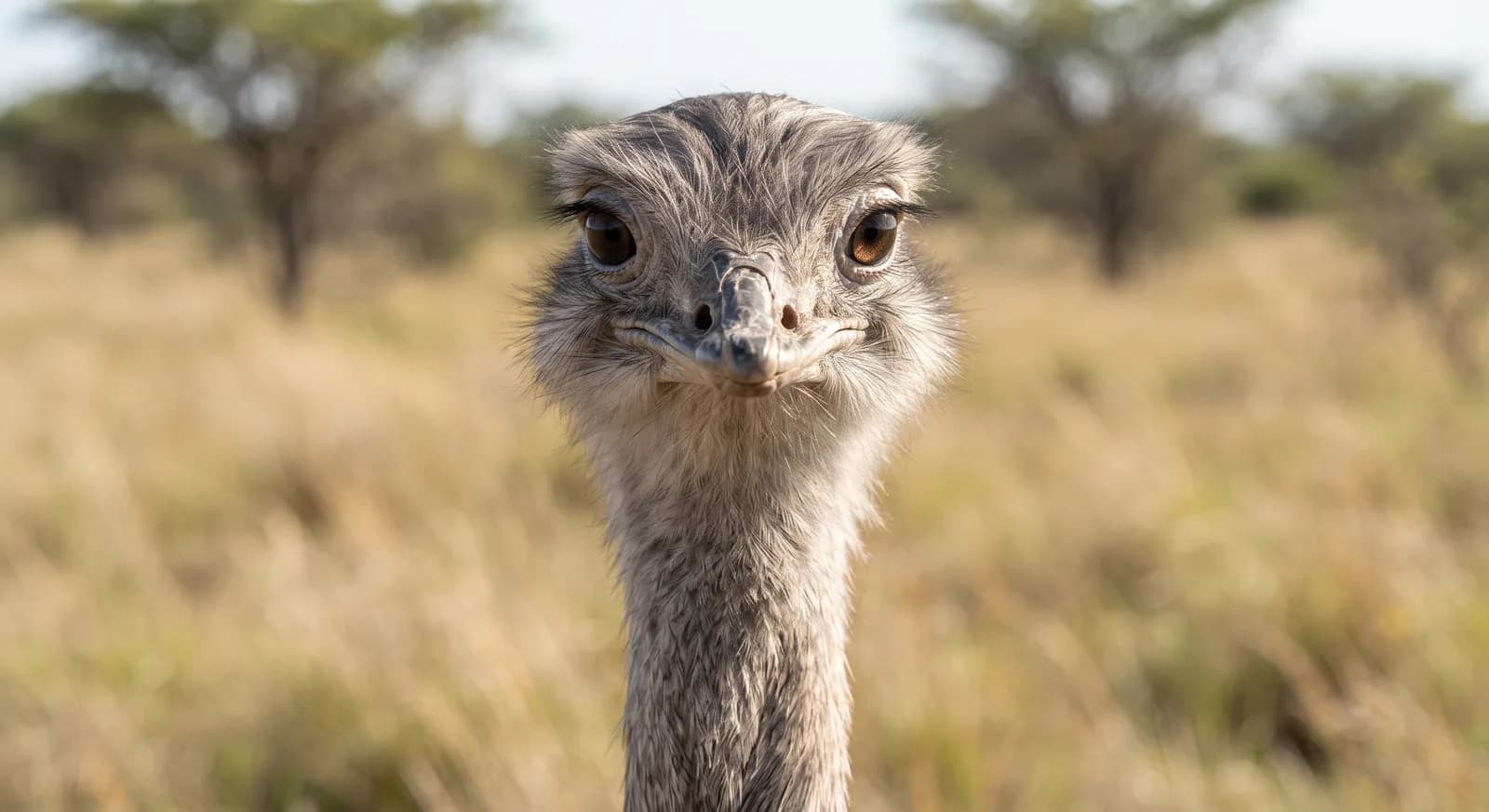 Near Threatened
Greater Rhea
Rhea americana
Lesser Rhea
Rhea pennata
Pampas Cat
Leopardus colocolo
Keep exploring
Based on what we already know about pichi.
Comments
Share an experience, a fun fact or a tip for seeing the pichi.
Be the first to comment.