One of the 7 gazelles on WAnimals
Mammals · Artiodactyla · Bovidae
Arabian Sand Gazelle
Gazella marica
It faces a high risk of extinction in the wild over the medium term. See full glossary
Gazella marica, known as the Arabian sand gazelle or reem, is a gazelle native to the Syrian and Arabian deserts. Today it survives in the wild in small, isolated populations in Saudi Arabia, the United Arab Emirates, Oman and south-eastern Turkey. Small numbers may also be present in Kuwait, Iraq, Jordan and Syria. The total wild sand gazelle population is thought to be under 3,000. Significantly more are kept in captivity, in reserves or in breeding programmes, perhaps more than 100,000.
Weight
10 kg – 22 kg
Size
90 cm – 1.1 m
Lifespan
12 years
Diet
Herbivore
Feeds mainly on plants.
Activity
Crepuscular
Active above all at dawn and dusk.
Sighting difficulty
Moderate
Fun facts
- It changes colour with the season: almost white in summer to reflect the sun and browner in winter to absorb heat.
- For a long time it was regarded as a subspecies of the dorcas gazelle or of the mountain gazelle; today it is recognised as a species of its own.
Life cycle & biology
- Skeleton type
- Vertebrate - internal bony skeleton (mammal)
- Habitat & environment
- Sandy deserts, dunes and gravel plains of the Arabian Peninsula
- Sexual maturity
- 18 months
- Gestation / incubation
- 5.5 months
- Litter / clutch size
- 1
Sources consulted: https://es.wikipedia.org/wiki/Gazella_marica
Where to find it
See its range on the interactive mapWhere to watch it
Parques y spots de buceo donde se ha documentado esta especie — se muestran 10 de 12 documentados.
Related species
Other species in the catalogue with the most in common with Arabian Sand Gazelle — same habitat, park, country, tags or family.
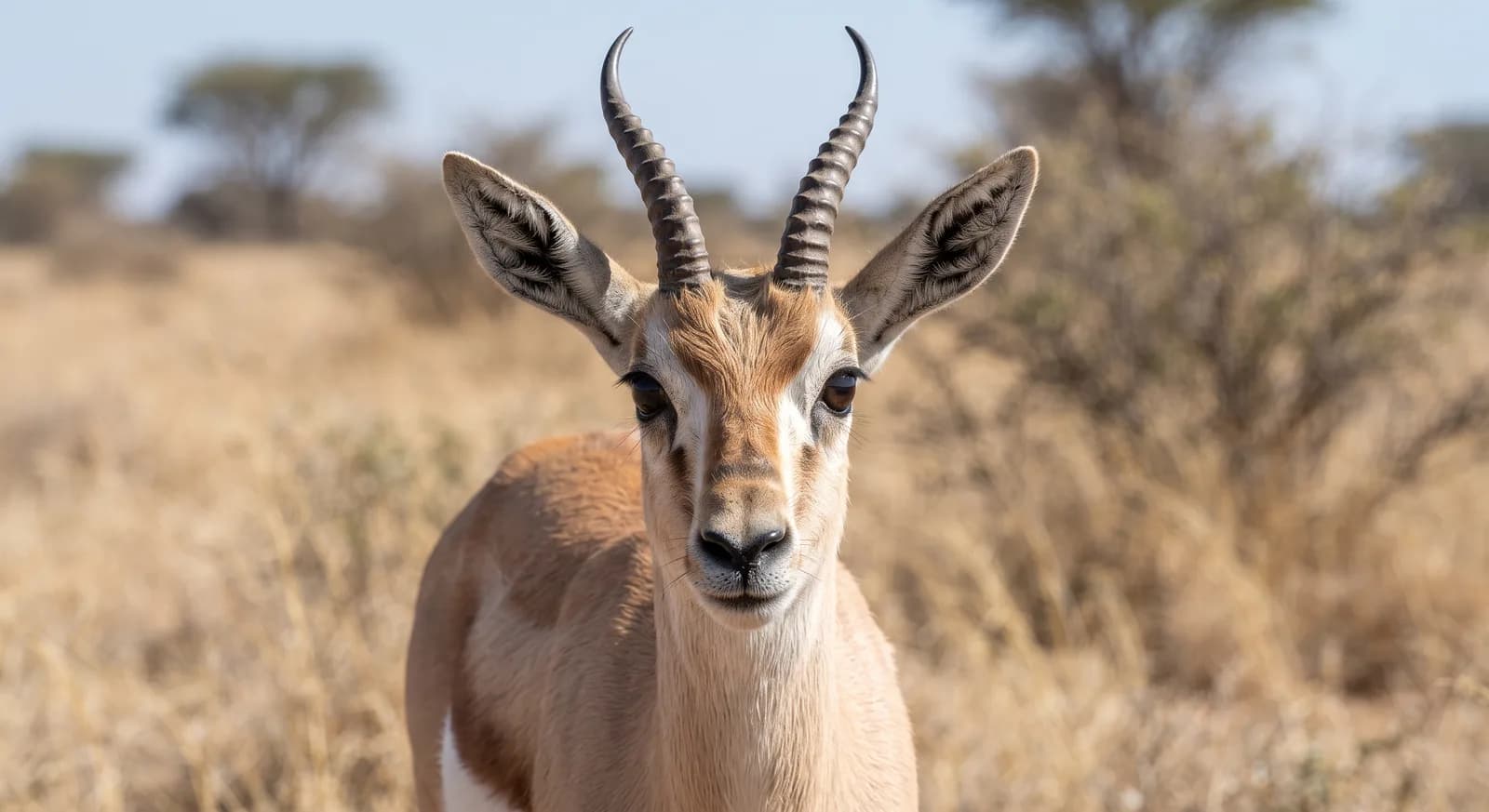 Vulnerable
Dorcas Gazelle
Gazella dorcas
Arabian Oryx
Oryx leucoryx
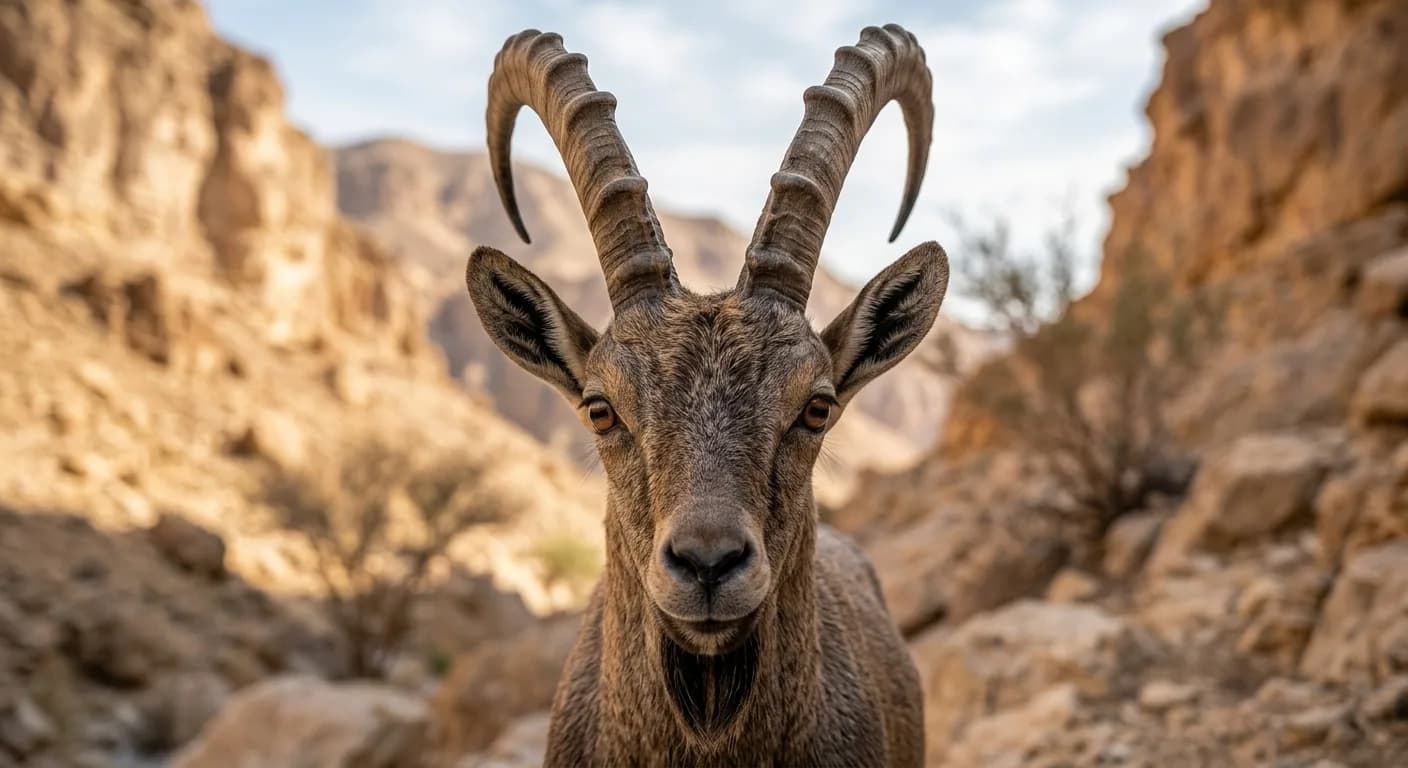 Vulnerable
Nubian Ibex
Capra nubiana
Scimitar-horned Oryx
Oryx dammah
Dama Gazelle
Nanger dama
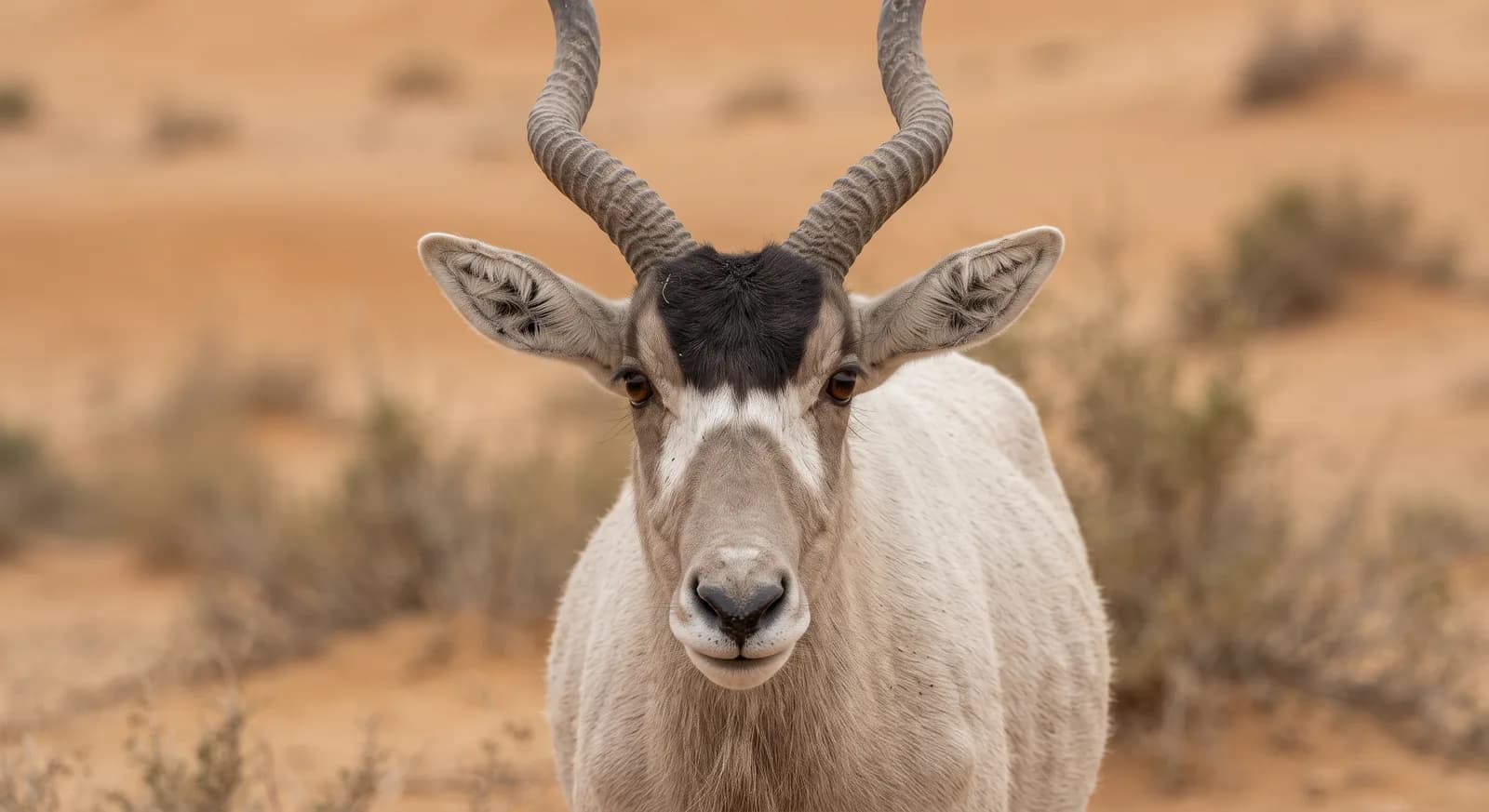 Critically Endangered
Addax
Addax nasomaculatus
How to help
The arabian sand gazelle is classified as vulnerable. Organizations such as UICN, WWF y Wildlife Conservation Society work specifically on its conservation and that of its habitat; looking into their programs is a good starting point if you want to get involved.
It's documented in 4 real protected areas — part of why protecting these places matters for its conservation.
Keep exploring
Based on what we already know about arabian sand gazelle.
Comments
Share an experience, a fun fact or a tip for seeing the arabian sand gazelle.
Be the first to comment.