Urdaibai
Spain · Southern EuropeThe Oka estuary, the most important wetland in the Basque Country and the only biosphere reserve in the region.
Area
220 km²
Declared in
1984
Region
Southern Europe
Climate
Árido / desértico, Templado, Mediterráneo, Montañoso
Best time
All year round
Highlight
The estuary and salt marshes of the Gernika-Mundaka ria
Urdaibai is organised around the river Oka, which on its way to the Bay of Biscay opens into an estuary some twelve kilometres long of sandbanks, marshes and river flats ringed by low summits. It covers 21,774.78 hectares on land and 269.24 at sea in the Biscayan district of Busturialdea, and its boundaries run from Mount Oiz in the south to Cape Matxitxako in the west and Arbolitz point in the east, with the island of Izaro as its northern limit. In extent and state of conservation it is the most important wetland in the Basque Country and a key resting and wintering point for migratory birds that are scarce in the peninsula, such as spoonbill, grey heron, cormorant and tern, along with large concentrations of waders.
Its designation as a Biosphere Reserve came on 6 December 1984 and was largely the fruit of public mobilisation: in 1968 the provincial council had commissioned a Special Plan for the Development of the Estuary that threatened to transform it, and the public reaction eventually led the Basque Government to put the area forward to UNESCO's MaB programme. Urdaibai is also the only biosphere reserve with a law of its own governing it: Law 5/1989 of 6 July, on the Protection and Management of the Urdaibai Biosphere Reserve, which sets a specific legal regime for all its undeveloped land. To this are added the designations of Special Protection Area for Birds, wetland of international importance under the Ramsar Convention and three Special Areas of Conservation.
Unlike a conventional nature park, Urdaibai is an inhabited territory: 22 municipalities and some 45,000 people live within its boundaries, and the present landscape is the result of fifteen thousand years of human occupation. Alongside the marshes there are Cantabrian holm oak woods on limestone rock, beaches such as Laga and Laida, cliffs, and a cultural heritage that includes the chartered town of Gernika-Lumo. Management is in the hands of the Board of the Urdaibai Biosphere Reserve.
Location
See on the interactive map329 species documented in Urdaibai
At conservation risk:Aguja azul del Atlántico,Anjova,Atún rojo,Bacalao del Atlántico,Caballito de mar europeo,Cazón,Dentón,Jurel,Marrajo dientuso,Marrajo sardinero,Mielga,Murciélago de cueva (murciélago de alas largas)and 10 more
Abadejo
Pollachius pollachius
Abejaruco europeo
Merops apiaster
Abubilla
Upupa epops
Acentor común
Prunella modularis
Agachadiza común
Gallinago gallinago
Águila calzada
Hieraaetus pennatus
Aguilucho cenizo
Circus pygargus
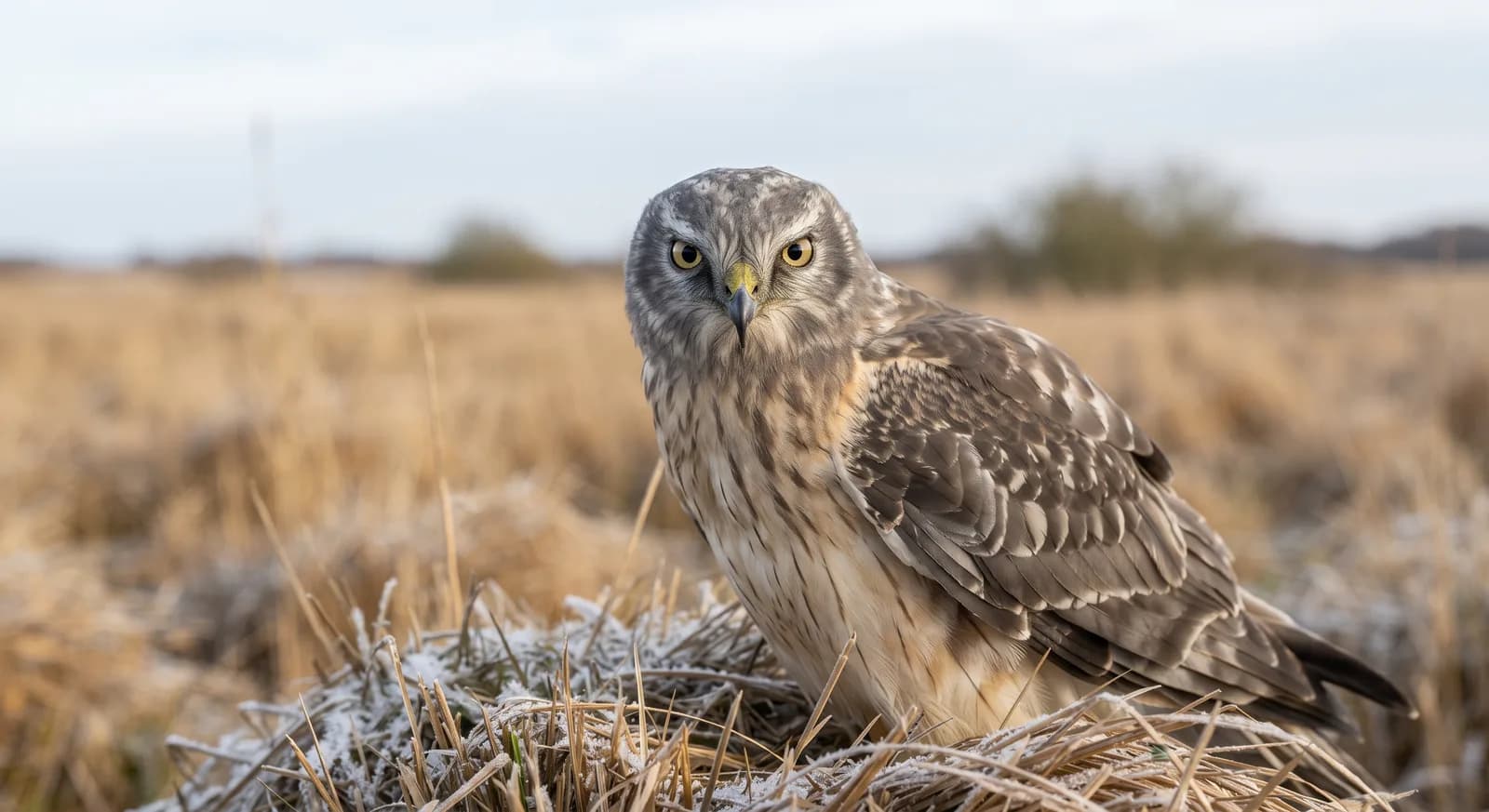 Least Concern
Aguilucho pálido
Circus cyaneus
Aguja azul del Atlántico
Makaira nigricans
Aguja de mar
Syngnathus acus
Agujeta
Belone belone
Alca común
Alca torda
Flora and ecosystems
Ecosystems found in Spain, where Urdaibai lies.
Experiences in this park
Similar parks
Which other parks are like this one?
Keep exploring
Based on what we already know about Urdaibai.
Your rating
How many stars would you give Urdaibai?
Comments
Share your experience visiting Urdaibai, or a tip for other travellers.
Be the first to comment.