Cartilaginous fish · Carcharhiniformes · Triakidae
Tope
Galeorhinus galeus
It faces an extremely high risk of imminent extinction in the wild. See full glossary
The tope is a slender shark of temperate waters, well known in Spain because it is the basis of the Andalusian dish cazón en adobo. Its populations have collapsed worldwide: it was fished intensively for its meat and for its liver oil, rich in vitamin A, and today it ranks among the most threatened coastal sharks on the planet.
Weight
10 kg – 45 kg
Size
1.2 m – 2 m
Lifespan
55 years
Diet
Carnivore
Feeds mainly on other animals.
Activity
Irregular activity
Active at irregular times, by day or night depending on circumstances.
Social structure
School
Gathers in coordinated schools, typical of fish.
Sighting difficulty
Very hard
Fun facts
- It is the fish in cazón en adobo, one of the most popular dishes of Andalusian cooking, and that steady culinary demand sits oddly with its position: the species is today listed as critically endangered worldwide.
- During the Second World War it was fished on a huge scale for its liver oil, extremely rich in vitamin A, and that exploitation crashed the Pacific populations before synthetic vitamin existed.
- It makes enormous migrations: individuals tagged in the European Atlantic have been recovered thousands of kilometres away, and there are populations that cross hemispheres.
Life cycle & biology
- Skeleton type
- Vertebrate - cartilaginous skeleton (fish)
- Habitat & environment
- Temperate coastal and shelf waters of every ocean, including the Spanish coast
- Birth weight
- 30 - 35 cm at birth
- Size at birth
- 30-35 cm at birth; it is aplacental viviparous
- Sexual maturity
- 12.6 years
- Gestation / incubation
- 12 months of gestation
- Litter / clutch size
- 24.9 (average)
Sources consulted: https://es.wikipedia.org/wiki/Galeorhinus_galeus
Where to find it
See its range on the interactive mapBest time: From spring to autumn in temperate waters of the Atlantic and the Mediterranean; the females come into shallow bays and estuaries to pup.
Where to watch it
Parques y spots de buceo donde se ha documentado esta especie — se muestran 20 de 168 documentados.
Related species
Other species in the catalogue with the most in common with Tope — same habitat, park, country, tags or family.
Smooth-hound
Mustelus mustelus
 Critically Endangered
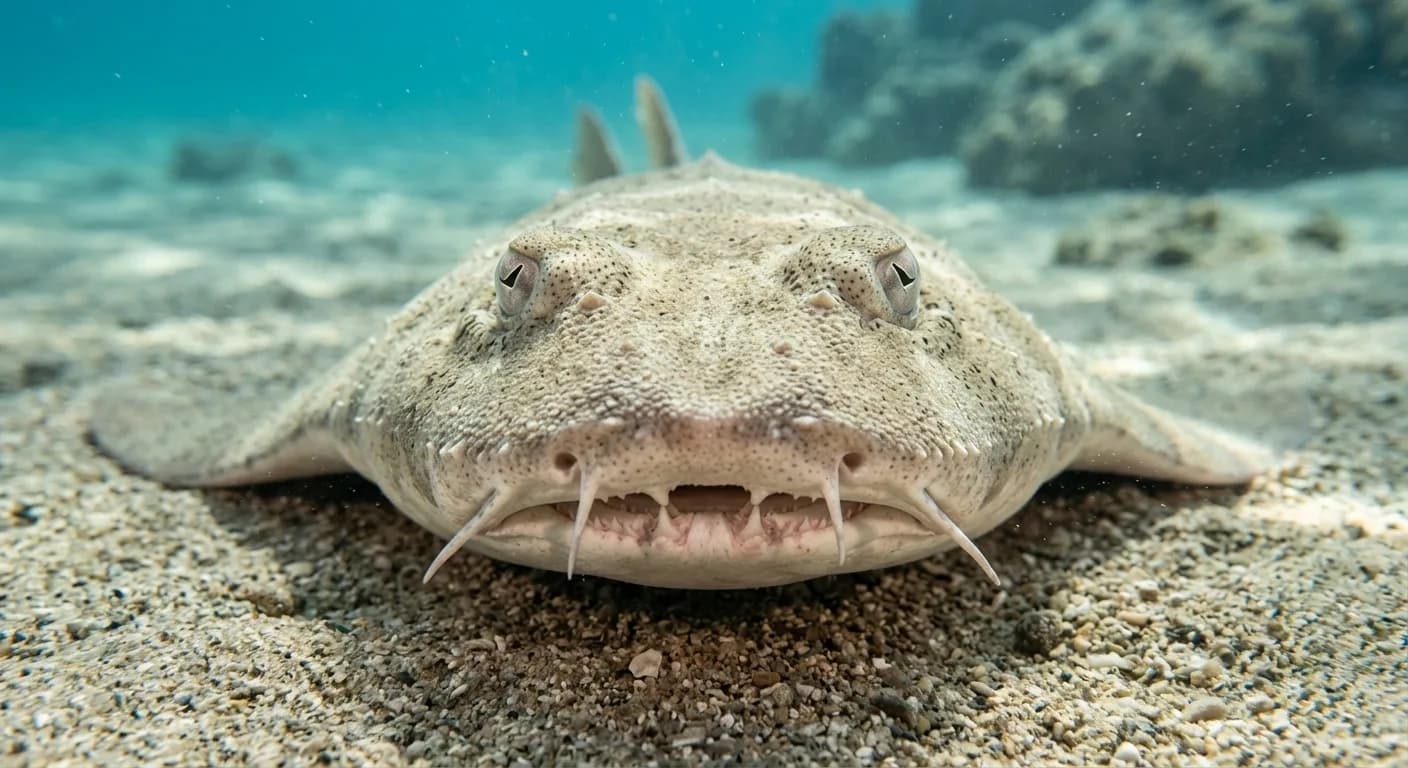
Angelshark
Squatina squatina
 Critically Endangered
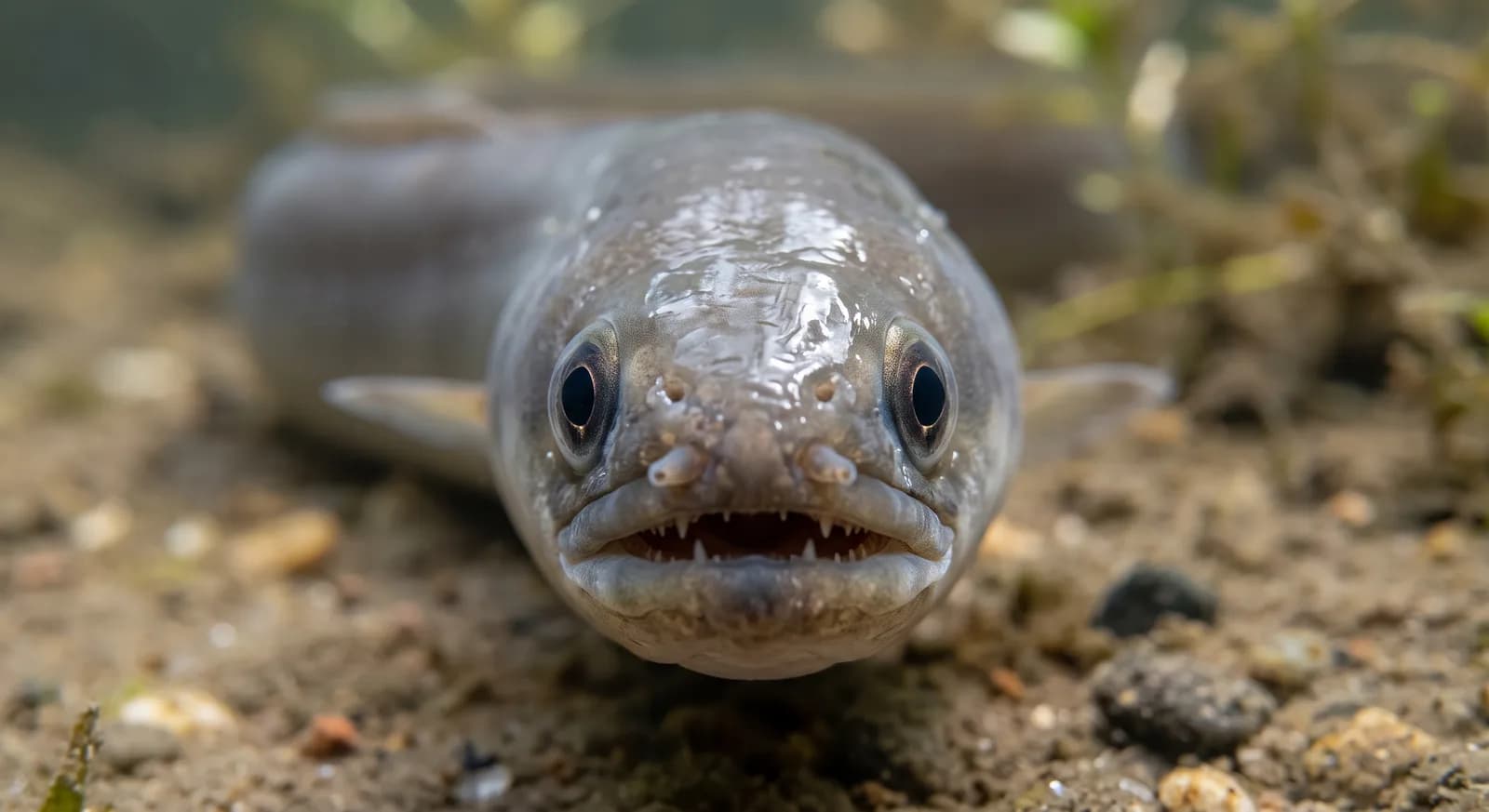
European Eel
Anguilla anguilla
Common Guitarfish
Rhinobatos rhinobatos
 Vulnerable
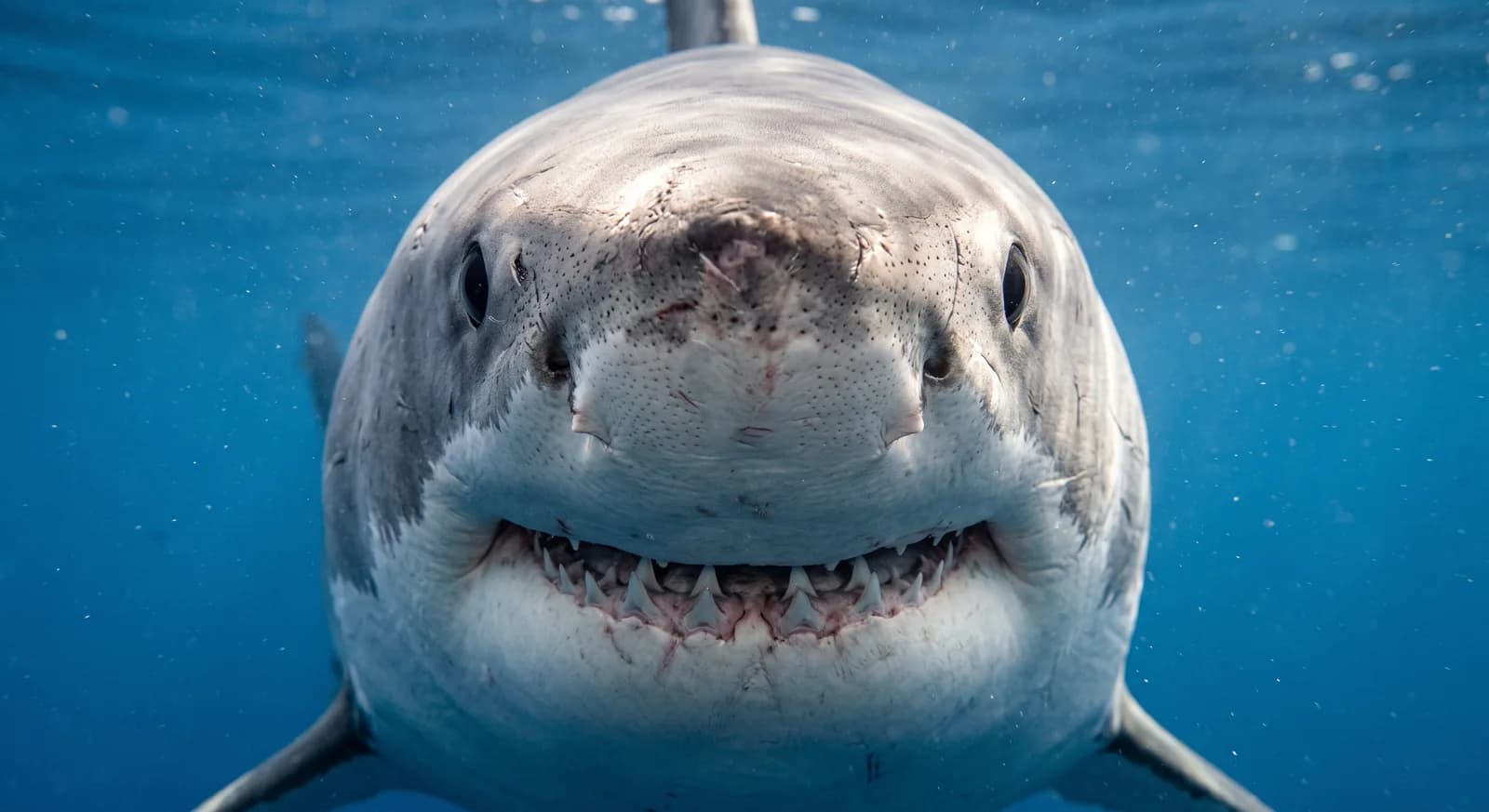
Great White Shark
Carcharodon carcharias
Shortfin Mako
Isurus oxyrinchus
How to help
The tope is classified as critically endangered. Organizations such as UICN, WWF y Wildlife Conservation Society work specifically on its conservation and that of its habitat; looking into their programs is a good starting point if you want to get involved.
It's documented in 12 real protected areas — part of why protecting these places matters for its conservation.
Keep exploring
Based on what we already know about tope.
Comments
Share an experience, a fun fact or a tip for seeing the tope.
Be the first to comment.