Cartilaginous fish · Carcharhiniformes · Triakidae
Smooth-hound
Mustelus mustelus
It faces a very high risk of extinction in the wild in the near future. See full glossary
The smooth-hound is a shark of the family Triakidae, which lives in the eastern Atlantic Ocean from the British Isles to Senegal, in the Mediterranean Sea, Madeira and the Canary Islands, between 5 and 625 m deep. Although they can reach 2 m in length, their usual maximum size is 150 cm. They generally reach a length of 100 to 120 cm, with a length at birth of 35 cm. Their reproduction is viviparous.
Weight
3 kg – 15 kg
Size
1 m – 1.6 m
Lifespan
25 years
Diet
Carnivore
Feeds mainly on other animals.
Activity
Nocturnal
Active mainly at night.
Social structure
School
Gathers in coordinated schools, typical of fish.
Sighting difficulty
Hard
Fun facts
- reproducciónUnlike other sharks it bears fully formed live young rather than laying eggs, a mode of reproduction called viviparity.
- It has no cutting teeth: its dentition is a pavement of blunt, flattened plates with which it crushes crabs and other crustaceans, very different from that of any predatory shark.
- It was one of the commonest sharks off the Spanish coast and is now listed as endangered: catches in the Mediterranean have fallen by more than ninety per cent in a few decades.
- It is viviparous with a true placenta: the embryos connect to the mother through a structure analogous to the mammalian placenta, a trait that is uncommon among fish.
Life cycle & biology
- Skeleton type
- Vertebrate - cartilaginous skeleton (fish)
- Habitat & environment
- Coastal sandy and muddy bottoms of the eastern Atlantic and the Mediterranean, down to 350 metres
- Birth weight
- 30 - 40 cm at birth
- Size at birth
- 30-40 cm at birth; it is placental viviparous
- Sexual maturity
- 13.5 years
- Gestation / incubation
- 11 months of gestation
- Litter / clutch size
- 11.5 (average)
Sources consulted: https://es.wikipedia.org/wiki/Mustelus_mustelus
Where to find it
See its range on the interactive mapBest time: From spring to autumn on sandy and muddy bottoms of the eastern Atlantic and the Mediterranean, always close to the seabed.
Where to watch it
Parques y spots de buceo donde se ha documentado esta especie — se muestran 20 de 86 documentados.
Related species
Other species in the catalogue with the most in common with Smooth-hound — same habitat, park, country, tags or family.
Tope
Galeorhinus galeus
Shortfin Mako
Isurus oxyrinchus
Dusky Perch
Epinephelus marginatus
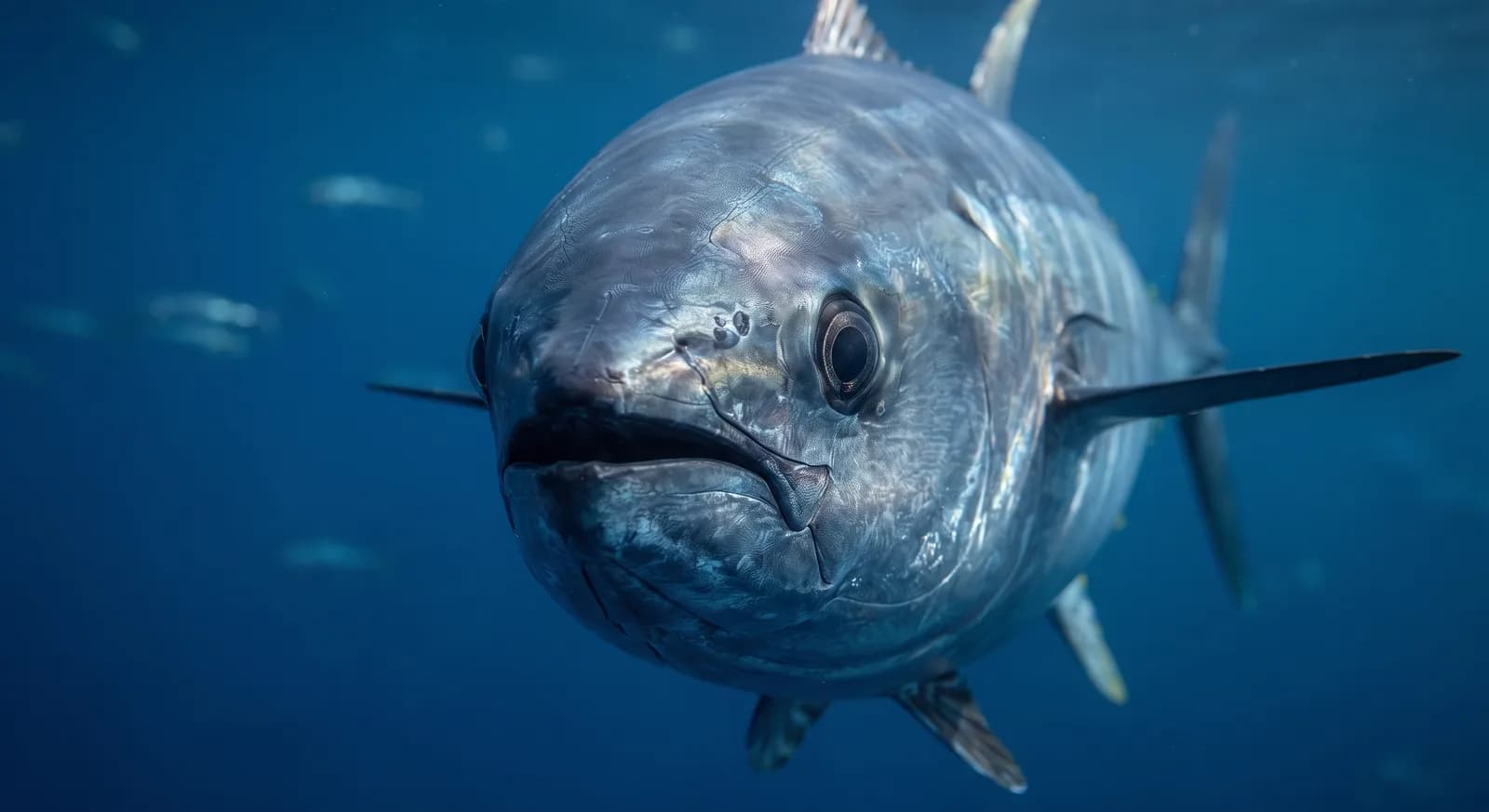 Endangered
Atlantic Bluefin Tuna
Thunnus thynnus
Spiny Butterfly Ray
Gymnura altavela
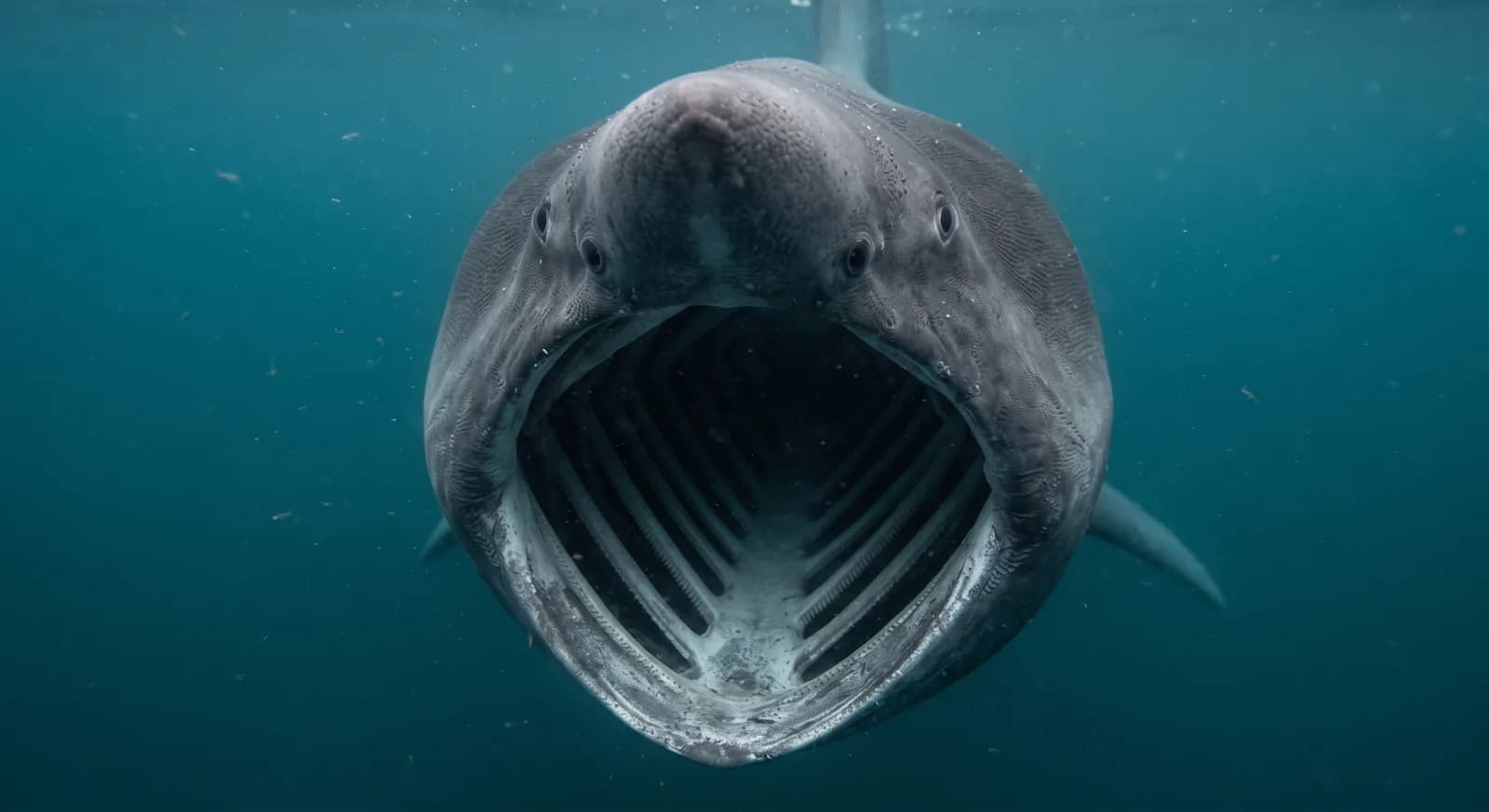 Endangered
Basking Shark
Cetorhinus maximus
How to help
The smooth-hound is classified as endangered. Organizations such as UICN, WWF y Wildlife Conservation Society work specifically on its conservation and that of its habitat; looking into their programs is a good starting point if you want to get involved.
It's documented in 17 real protected areas — part of why protecting these places matters for its conservation.
Keep exploring
Based on what we already know about smooth-hound.
Comments
Share an experience, a fun fact or a tip for seeing the smooth-hound.
Be the first to comment.