One of the 2 groupers on WAnimals
Bony fish · Perciformes · Serranidae
Dusky Perch
Epinephelus marginatus
It faces a very high risk of extinction in the wild in the near future. See full glossary
The dusky grouper — known in Spanish as garopa, mero or chernia marrón — is a perciform ray-finned fish of the family Serranidae.
Weight
33 kg on average
Size
up to 1.5 m
Lifespan
60 years
Diet
Carnivore
Feeds mainly on other animals.
Social structure
Solitary
Lives and hunts alone, joining others only to breed.
Sighting difficulty
Hard
Fun facts
- reproducciónIt can change sex during its life, born female and turning male later on, a phenomenon called protogynous hermaphroditism.
- It is a protogynous hermaphrodite: it is born female and changes to male, usually between 52 and 77 cm and between 7 and 17 years old.
- It is highly sedentary and faithful to its cave: its monthly movements range from 20 to 500 m, which makes it easy to locate and to fish out.
- It can live more than sixty years, and that late maturity combined with its sedentary habits explains why twentieth-century overfishing left it on the brink of collapse.
- In marine reserves such as those of Corsica the populations are recovering.
Life cycle & biology
- Skeleton type
- Vertebrate - internal bony skeleton (bony fish)
- Habitat & environment
- Rocky bottoms and reefs of the Mediterranean, the eastern Atlantic and the western Indian Ocean, between 8 and 300 m although almost always above 50 m; juveniles occupy rock pools and the rocky shore
- Sexual maturity
- 11 years
Sources consulted: https://en.wikipedia.org/wiki/Epinephelus_marginatus
Where to find it
See its range on the interactive mapWhere to watch it
Parques y spots de buceo donde se ha documentado esta especie — se muestran 20 de 107 documentados.
Related species
Other species in the catalogue with the most in common with Dusky Perch — same habitat, park, country, tags or family.
Sea Bass
Dicentrarchus labrax
Shortfin Mako
Isurus oxyrinchus
 Endangered
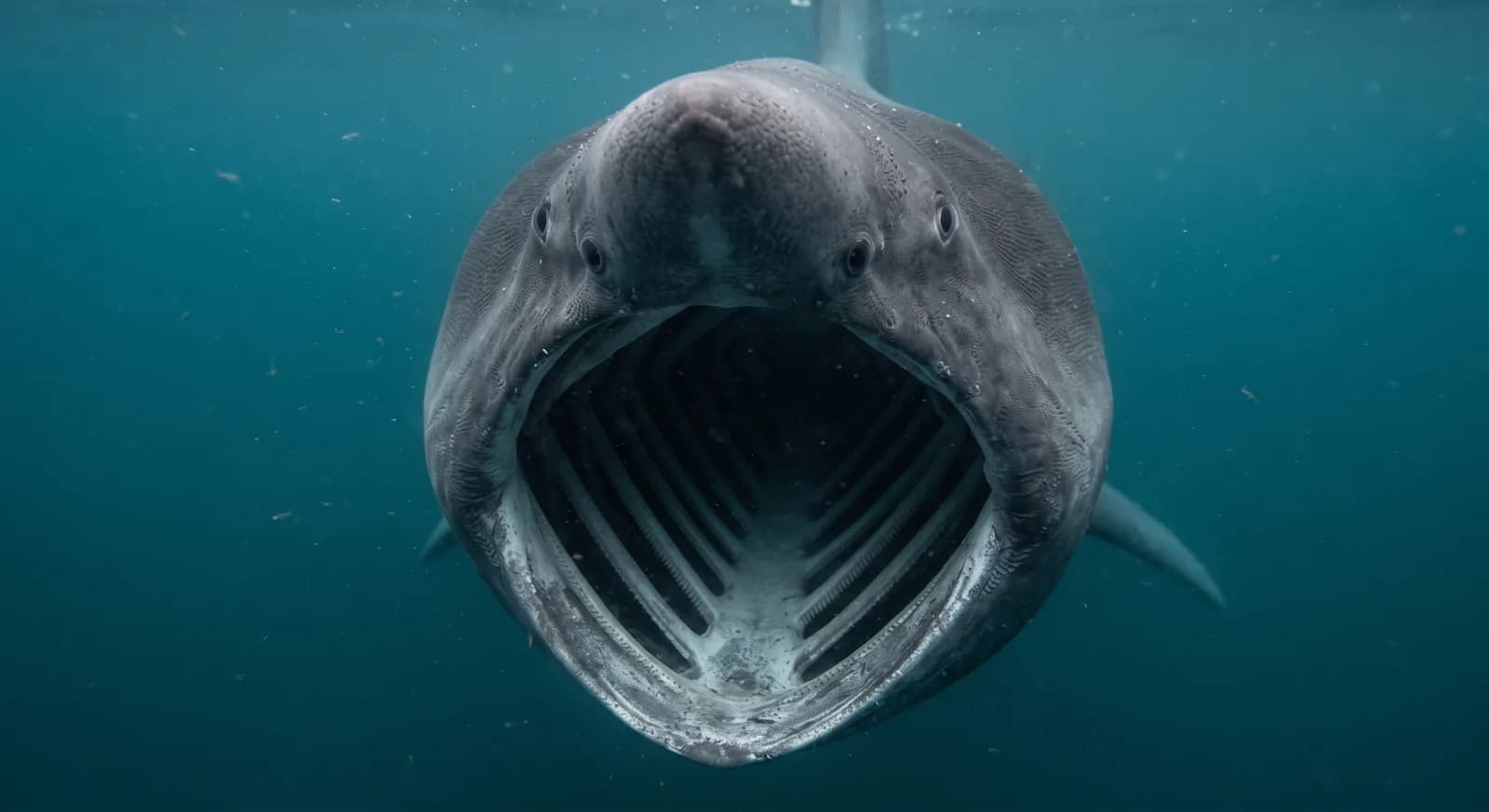
Basking Shark
Cetorhinus maximus
 Endangered
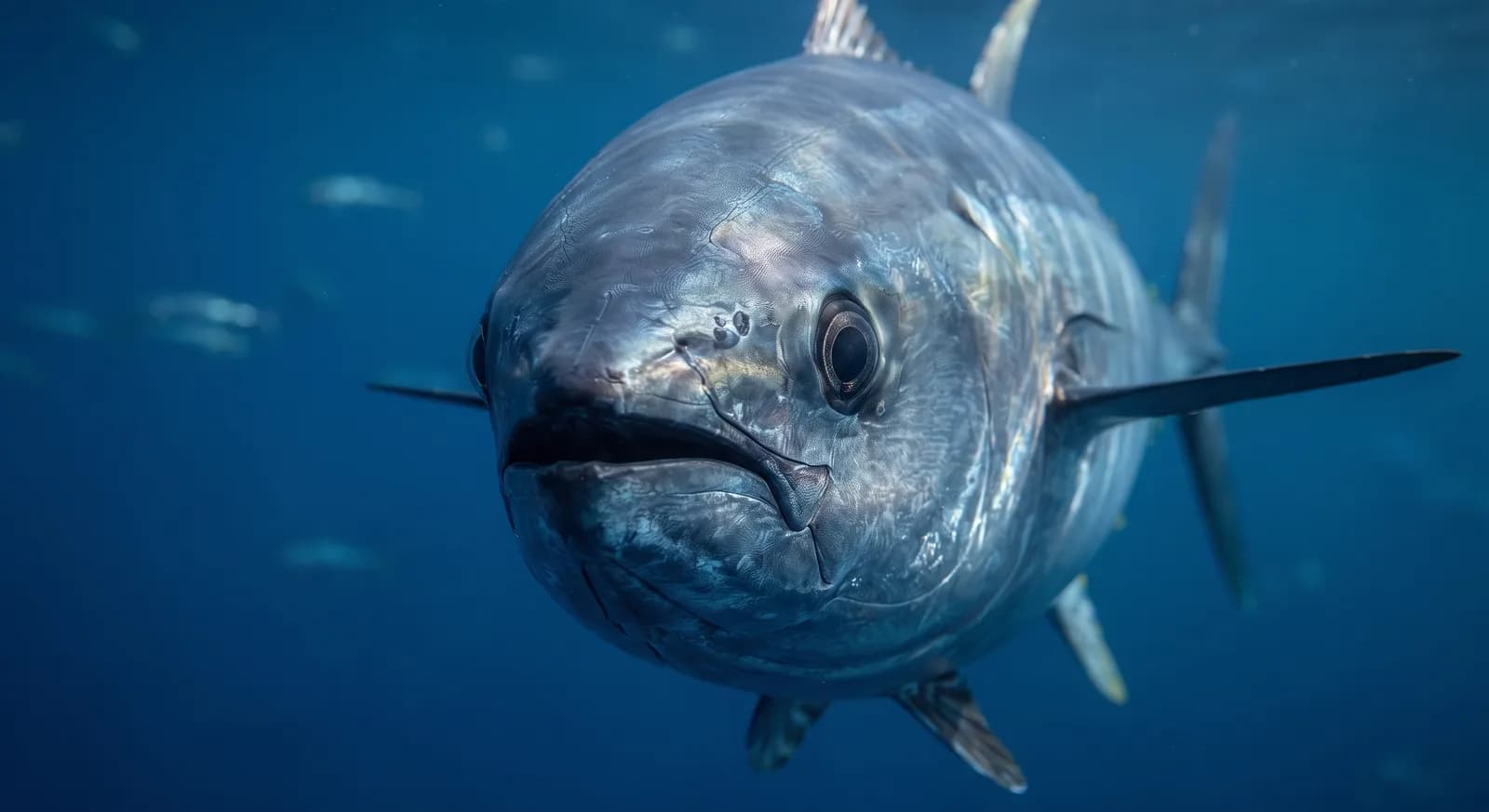
Atlantic Bluefin Tuna
Thunnus thynnus
Smooth-hound
Mustelus mustelus
Spiny Butterfly Ray
Gymnura altavela
How to help
The dusky perch is classified as endangered. Organizations such as UICN, WWF y Wildlife Conservation Society work specifically on its conservation and that of its habitat; looking into their programs is a good starting point if you want to get involved.
It's documented in 14 real protected areas — part of why protecting these places matters for its conservation.
Keep exploring
Based on what we already know about dusky perch.
Comments
Share an experience, a fun fact or a tip for seeing the dusky perch.
Be the first to comment.