Cartilaginous fish · Myliobatiformes · Gymnuridae
Spiny Butterfly Ray
Gymnura altavela
It faces a very high risk of extinction in the wild in the near future. See full glossary
The spiny butterfly ray, its disc far wider than it is long and its tail very short, can exceed two and a half metres across. It lives half-buried in sandy bottoms of shallow coastal waters and hunts fish and crustaceans.
Size
1 m – 2.6 m
Diet
Carnivore
Feeds mainly on other animals.
Social structure
Solitary
Lives and hunts alone, joining others only to breed.
Sighting difficulty
Hard
Fun facts
- The IUCN listed it in 2021 as Endangered globally and Critically Endangered in Europe and the Mediterranean, because of the decline of its populations under fishing pressure and habitat destruction.
- It is ovoviviparous: the embryos develop inside the mother, feeding first on the yolk and then on a uterine secretion, and are born fully formed after about six months.
- It is told apart from the smooth butterfly ray by the spine at the base of the tail and by a small fleshy appendage on the edge of each spiracle.
- Its disc is roughly twice as wide as it is long, a silhouette it shares with no other ray in the Mediterranean.
- It is told apart from the smooth butterfly ray by the sting at the base of its tail and by a small tentacle-like appendage on the rim of each spiracle.
- In the Mediterranean its decline exceeds 80% over two decades, and it was thought to have vanished from the Adriatic: there were no modern records until a gravid female turned up in Albania in 2022, the first documented case in the northern Mediterranean.
- Between 2022 and 2023 five more records were added in Albania and Croatia, which has reopened conservation work in the area.
- Old specimens reached 400 cm in disc width; those caught in the Mediterranean today rarely exceed 110.
Life cycle & biology
- Skeleton type
- Vertebrate - cartilaginous skeleton (chondrichthyan)
- Habitat & environment
- Sandy and muddy bottoms of warm coastal waters of the Atlantic, the Mediterranean and the Black Sea
- Gestation / incubation
- About 6 months of gestation
- Litter / clutch size
- From 2 to 7 young per litter
Sources consulted: https://es.wikipedia.org/wiki/Gymnura_altavela
Where to find it
See its range on the interactive mapWhere to watch it
Parques y spots de buceo donde se ha documentado esta especie — se muestran 20 de 45 documentados.
Related species
Other species in the catalogue with the most in common with Spiny Butterfly Ray — same habitat, park, country, tags or family.
Shortfin Mako
Isurus oxyrinchus
 Endangered
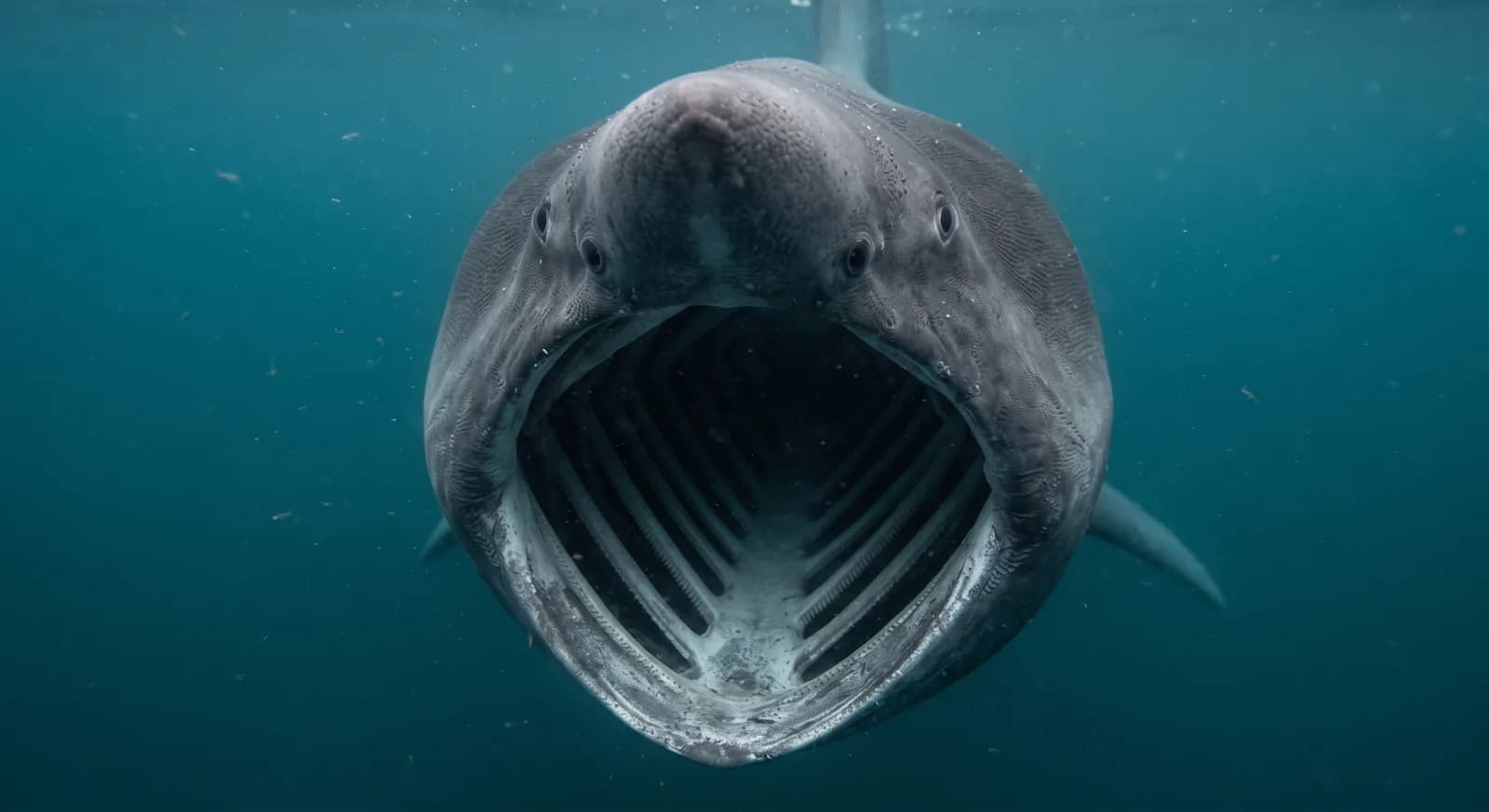
Basking Shark
Cetorhinus maximus
Dusky Perch
Epinephelus marginatus
 Endangered
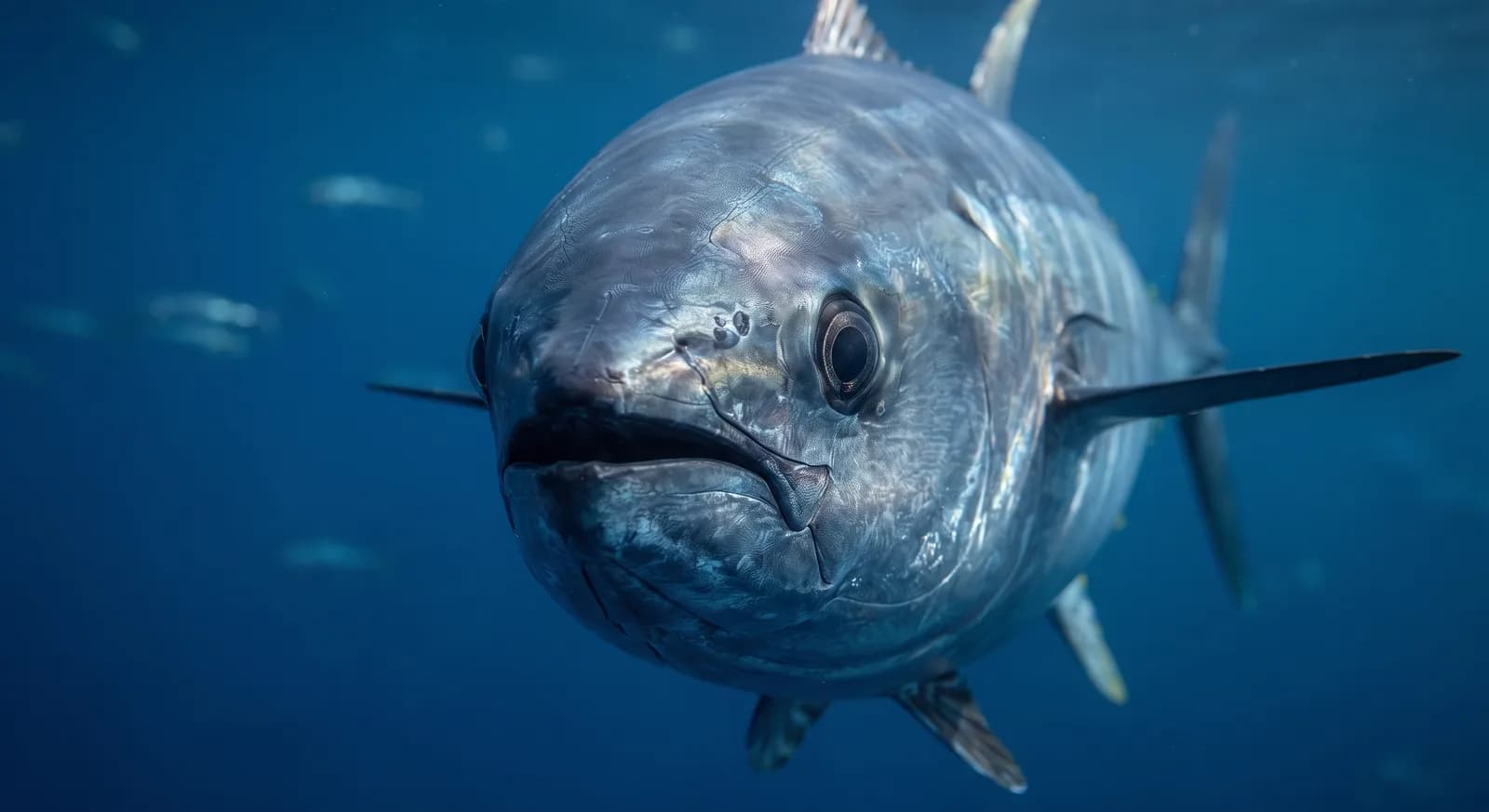
Atlantic Bluefin Tuna
Thunnus thynnus
Smooth-hound
Mustelus mustelus
 Endangered
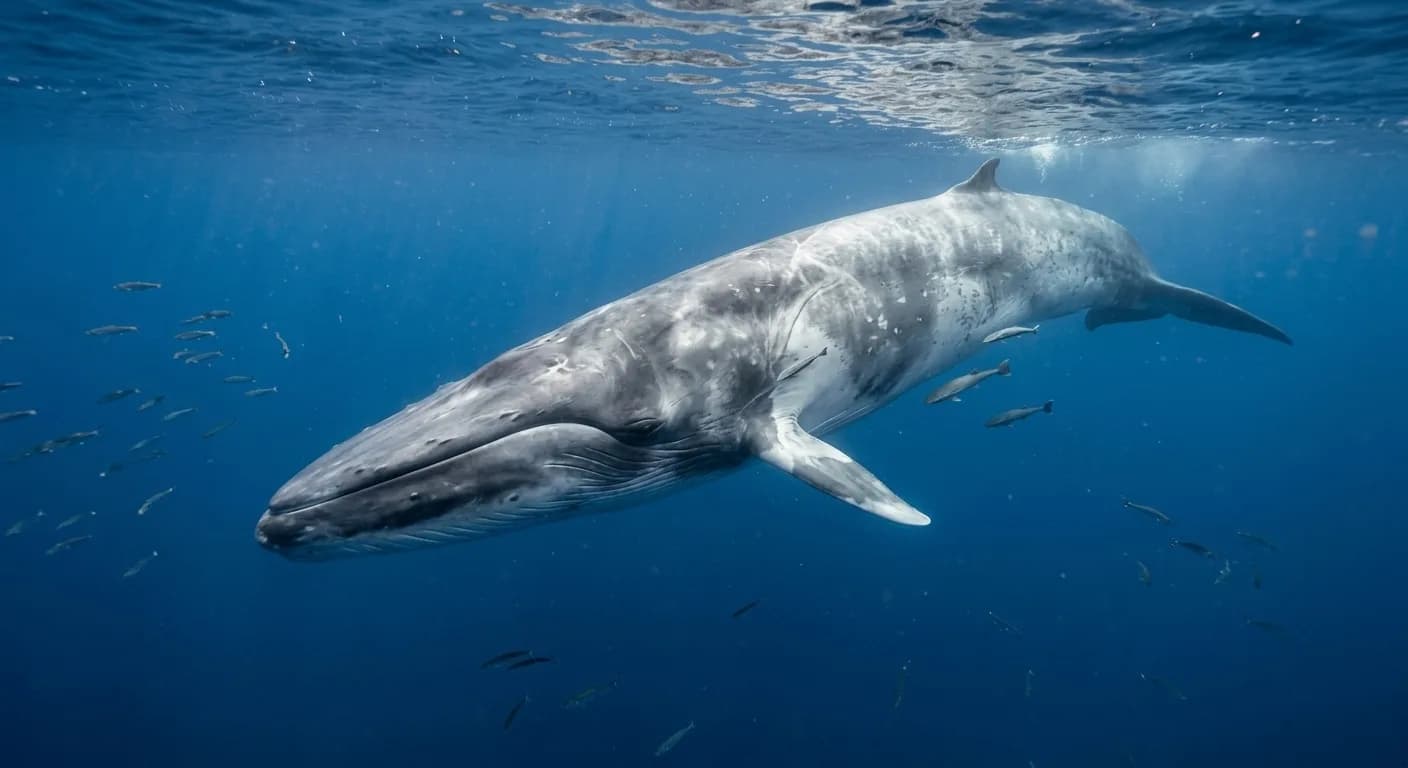
Fin Whale
Balaenoptera physalus
How to help
The spiny butterfly ray is classified as endangered. Organizations such as UICN, WWF y Wildlife Conservation Society work specifically on its conservation and that of its habitat; looking into their programs is a good starting point if you want to get involved.
It's documented in 16 real protected areas — part of why protecting these places matters for its conservation.
Keep exploring
Based on what we already know about spiny butterfly ray.
Comments
Share an experience, a fun fact or a tip for seeing the spiny butterfly ray.
Be the first to comment.