Cabo de Gata-Níjar
Spain · Southern EuropeThe most arid landscape in Europe, a volcanic coastline of coves and cliffs that was Andalusia's first combined land and sea park.
Area
378 km²
Declared in
1987
Region
Southern Europe
Climate
Árido / desértico, Templado, Mediterráneo, Montañoso
Best time
All year round
Highlight
Arid volcanic coast and salt pans
The Cabo de Gata-Níjar Maritime-Terrestrial Natural Park, in the province of Almería, protects 37,480 hectares on land and 12,029 at sea and was created on 23 December 1987 by Decree 314/1987, becoming the first protected maritime-terrestrial area in Andalusia. It is the most arid landscape in Europe and one of the few of volcanic origin to enjoy protection on the continent. The Sierra de Cabo de Gata is the emergent part of an enormous volcanic complex that continues beneath the waters of the Alboran Sea to the African continent, and its relief is defined by domes, dykes, calderas and vents that show through in formations such as those of Mónsul, Los Frailes and Playa de los Muertos. Its 63 kilometres of coast combine cliffs, coves and seabeds ranked among the finest on the Spanish Mediterranean shore.
The vegetation is that of a sub-desert: shrub communities of jujube, dwarf fan palm and cornical, and grassland with scrub dominated by esparto grass and winter thyme. Among them shelter reptiles such as the ocellated lizard and the spur-thighed tortoise. At the southern end, the Cabo de Gata salt pans are a decisive site for migratory birds: flamingos, waders and gulls gather there on their seasonal passage, and the wetland has been listed as a Ramsar site since 5 December 1989.
Few Spanish areas accumulate so many protective designations. Besides natural park and Ramsar site, it has been a Special Protection Area for Birds since 1989, a UNESCO Biosphere Reserve since 5 November 1997 — with some 49,600 hectares recognised — a Specially Protected Area of Mediterranean Importance since 2001 under the Barcelona Convention, and a Site of Community Importance and Special Area of Conservation under Natura 2000. It also has a Marine Reserve of Fishing Interest created in 1995 and managed jointly by the national and Andalusian administrations, with six strict reserves inside it. Since 2001 it has formed part of the European and Global Geoparks Network, and since 2015 it has held UNESCO Global Geopark status.
Location
See on the interactive map3 dive sites within 300 km are also shown.
299 species documented in Cabo de Gata-Níjar
At conservation risk:Angelote,Anjova,Atún rojo,Caballito de mar europeo,Cachalote,Cazón,Coral rojo,Dentón,Gran tiburón blanco,Guitarra común,Jurel,Langosta europeaand 19 more
Abeja carpintera violeta
Xylocopa violacea
Abejaruco europeo
Merops apiaster
Abubilla
Upupa epops
Águila calzada
Hieraaetus pennatus
Águila perdicera
Aquila fasciata
Aguilucho cenizo
Circus pygargus
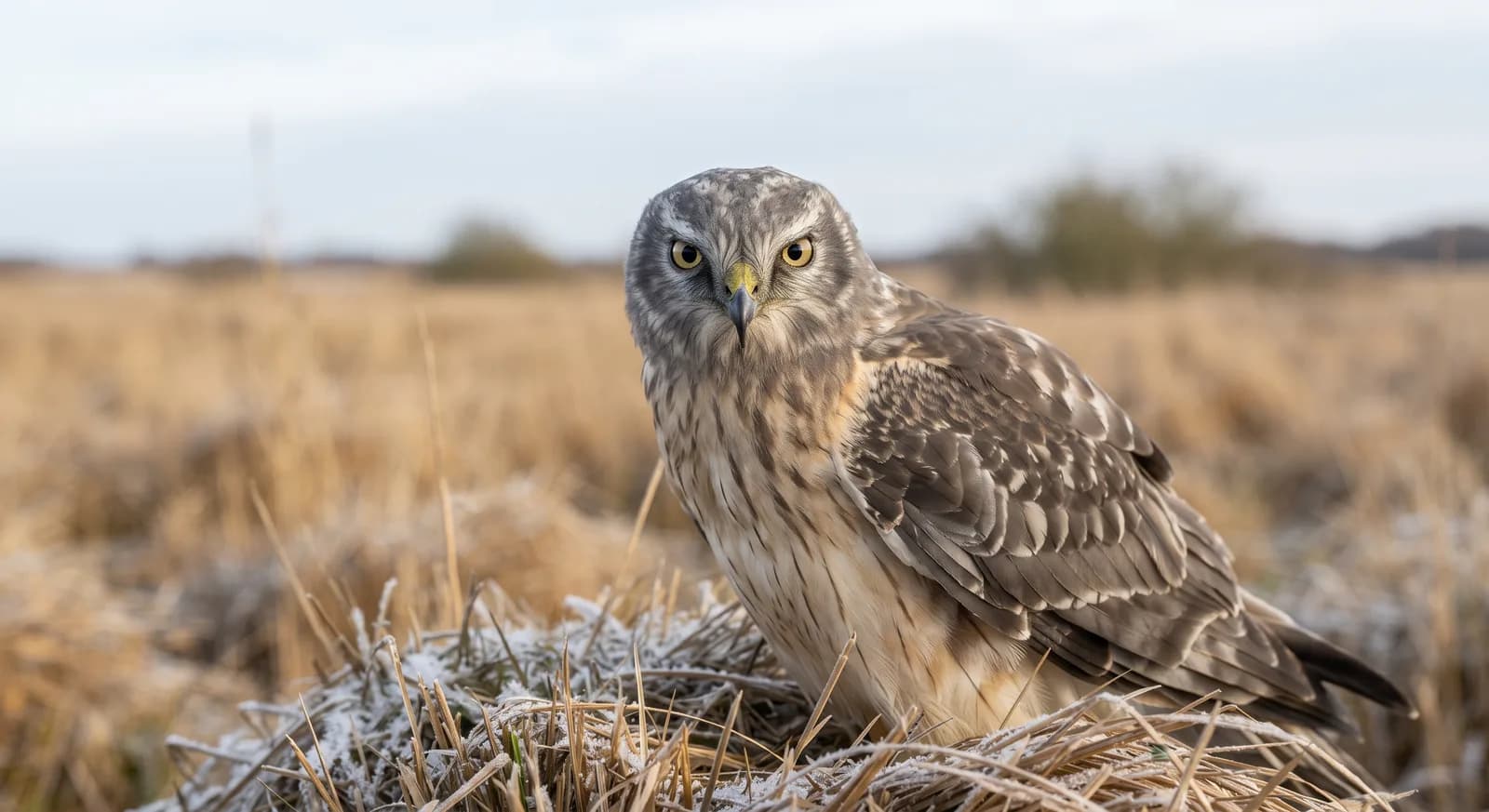 Least Concern
Aguilucho pálido
Circus cyaneus
Aguja de mar
Syngnathus acus
Agujeta
Belone belone
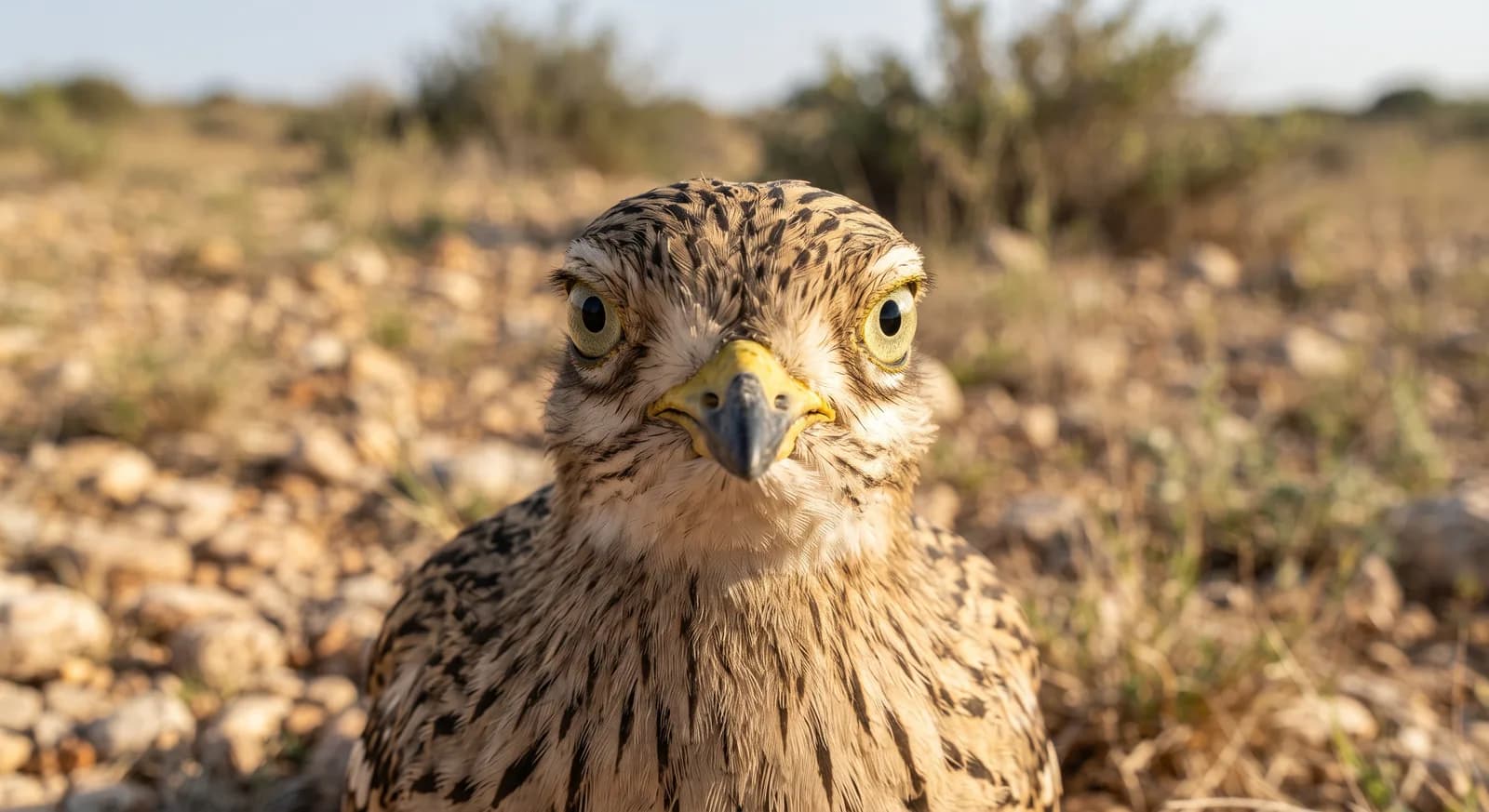 Least Concern
Alcaraván común
Burhinus oedicnemus
Alcaudón común
Lanius senator
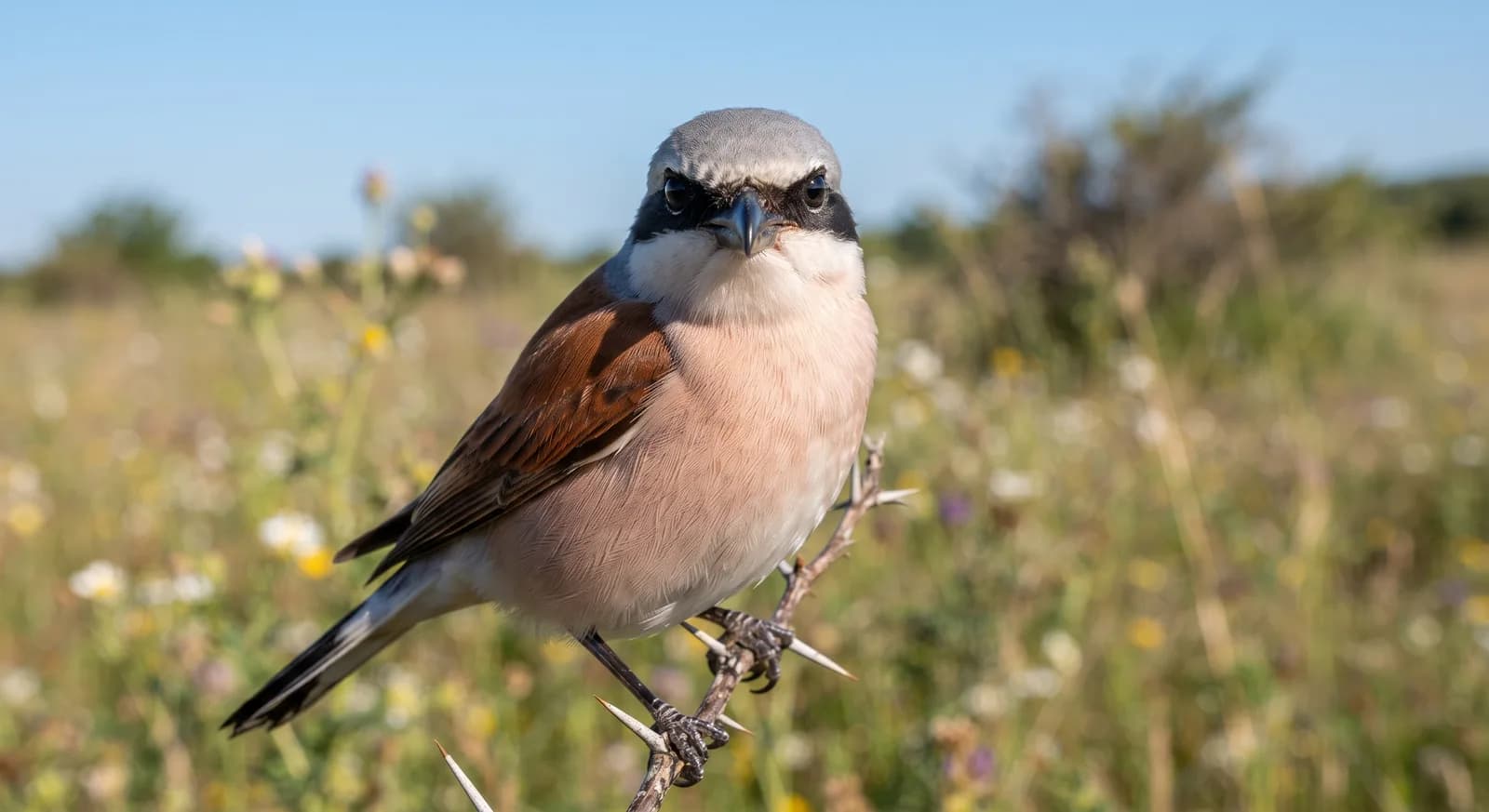 Least Concern
Alcaudón dorsirrojo
Lanius collurio
Flora and ecosystems
Ecosystems found in Spain, where Cabo de Gata-Níjar lies.
Experiences in this park
Nearby dive sites
Where can I dive near here?
Similar parks
Which other parks are like this one?
Keep exploring
Based on what we already know about Cabo de Gata-Níjar.
Your rating
How many stars would you give Cabo de Gata-Níjar?
Comments
Share your experience visiting Cabo de Gata-Níjar, or a tip for other travellers.
Be the first to comment.