Croatia
Europa
Croatia is organised into two worlds: the continental one, of Pannonian plains and slow rivers, and the Adriatic one, of karst mountains dropping into a sea dotted with more than a thousand islands. The Plitvice lakes, sixteen natural terraced basins joined by waterfalls, form because the water deposits travertine over mosses and algae and the barriers grow a few centimetres each year, a living process still under way. The Velebit range keeps dense forests with brown bear, wolf and lynx, and its slopes fall straight into the Adriatic. Inland, the Kopački rit park, at the confluence of the Drava and the Danube, is one of the largest floodplain wetlands in Europe, with colonies of herons and white-tailed eagles. The Dalmatian coast adds Posidonia meadows, uninhabited islands and a marine fauna that includes resident bottlenose dolphins and loggerhead turtles.
The nature of Croatia
National animal: The pine marten, to the point that the old national currency, the kuna, took its name from the animal's pelt
Did you know?
The griffon vultures of the island of Cres are the only ones in the world that breed on sea cliffs, a few metres above the water, and that routinely cross open sea on their movements. Because the chicks make their first flight from those ledges and have yet to master gliding, many fall into the sea and drown unless they are rescued, so there are boats on hand and specific rules against startling them in the area.
Biodiversity profile
Climate
- •Mediterraneo (Csa) en la costa adriatica e islas
- •Continental humedo (Cfb/Dfb) en el interior
- •Clima de montaña en los Alpes Dinaricos
Main biomes
- •Bosque karstico dinarico (montañas del interior, Velebit, Dinara)
- •Matorral mediterraneo costero e insular
- •Llanura panonica en el este (Eslavonia)
- •Lago de travertino
- •Karst dinárico
- •Bosque de hayas y abetos
- •Humedal inundable
- •Pradera de posidonia
- •Acantilado marino
- •Matorral mediterráneo
Marine and coastal ecosystems
- •Extenso archipielago adriatico (mas de 1.200 islas), con delfines mulares residentes en aguas de la isla de Losinj
Flagship wildlife
- •Lince euroasiatico (Gorski Kotar y Lika)
- •Oso pardo
- •Proteo o "pez humano" (endemico del karst dinarico)
- •Delfin mular (isla de Losinj)
- •Buitre leonado
- •Lobo gris
- •Lince boreal
- •Tortuga boba
- •Pigargo europeo
- •Marta
- •Nutria paleártica
- •Cigüeña blanca
Notable endemic species
- •565 especies y subespecies (2,4% de la fauna total croata) son endemicas de un total de 23.876 especies y subespecies registradas
- •Degenia velebitica, planta endemica mas conocida del pais, presente en el Monte Velebit
- •Croacia es el segundo pais de los Balcanes con mas especies endemicas de araña tras Grecia (30 especies estrictamente endemicas)
- •66% de las especies de babosas terrestres registradas en el pais son endemicas
- •Proteo
- •Gobio de las cuevas dináricas
- •Trucha del Neretva
Notable threatened species
- •Proteo (Vulnerable, restringido al karst dinarico)
- •Especies de distribucion alpina y circumpolar en las montañas croatas proyectadas a perder habitat climatico adecuado (hasta 607 especies de distribucion alpina en riesgo)
- •Flora y fauna de las islas del Adriatico sur, con posibilidades de migracion muy limitadas ante el cambio climatico
Notable protected areas
- •Parque Nacional de los Lagos de Plitvice (Patrimonio Mundial)
- •7 parques naturales de montaña (Velebit, Dinara, Biokovo, Medvednica, Papuk, Ucka, Zumberak-Samobor)
- •Parques Nacionales insulares de Kornati y Mljet
- •Parque Nacional de Krka
- •Parque Nacional de Velebit Septentrional
- •Parque Nacional de Paklenica
- •Parque Natural de Kopački rit
- •Parque Nacional de las Kornati
Main conservation threats
- •Cambio climatico proyectado a sustituir la vegetacion premontana dinarica por vegetacion de clima templado, amenazando especies circumpolares, prealpinas y alpinas
- •Limitada capacidad de migracion de la rica flora y fauna endemica de las islas del sur del Adriatico
Conservation
Velebit is part of rewilding projects on a European scale and aims to reconnect populations of Dinaric large carnivores. Tourist pressure on Plitvice has forced a daily cap on visitors to protect the travertine barriers.
Where and when to watch wildlife
Cres between March and August for griffon vultures from the Beli viewpoints. Kopački rit in spring for herons and white-tailed eagles. The waters of Vis and Lošinj in summer for bottlenose dolphins.
Sources: Croatia.eu - Land and people nature protection | biodiversity.europa.eu - Croatia country profile | ClimateChangePost - Biodiversity Croatia | PMC - Mediterranean vineyards olive groves Croatia endemic invertebrates
Parks and reserves
Paklenica
The Velebit canyons above the Adriatic, holding the largest old-growth beech forest on the eastern Adriatic coast.
View parkNational ParkSjeverni Velebit
Croatia's youngest national park, where the wind has turned beeches into natural bonsai, and home to one of the deepest pits in the world.
View parkNational ParkPlitvice
16 stepped turquoise lakes linked by waterfalls
View parkNational ParkBrijuni
Fourteen islands off Istria, with dinosaur footprints, a Roman villa and a past as Tito's presidential residence.
View parkNational ParkKornati
The densest archipelago in the Adriatic, with almost ninety bare islands and cliffs falling sheer into the open sea.
View parkNational ParkKrka
Seven barriers of living tufa along the Krka river, with the stepped waterfall of Skradinski buk.
View parkNational ParkMljet
The first marine protected area in the Adriatic, with two salt lakes connected to the sea and a monastery on an island within an island.
View parkNational ParkRisnjak
The forested massif of Gorski kotar, on the divide between the Alps and the Dinarides, with the lynx as its emblem.
View parkDiving and snorkelling
Dubrovnik
A walled UNESCO World Heritage city with rocky reefs and wrecks reachable on the southern Dalmatian coast.
View dive siteWall/CaveLastovo Island
A nature park with more than 40 uninhabited islets, reckoned one of the most pristine archipelagos in the Adriatic.
View dive siteSalt lake/ReserveMljet Island
A national park with two saltwater lakes connected to the sea and well-preserved coral reefs around the island.
View dive siteWall/CaveKornati Islands
An archipelago of 89 islands, islets, reefs and rocks, the densest in the Mediterranean, with no permanent population. It accounts for around 12 % of all the islands along the Croatian coast.
View dive siteRemote rock wallCroacia (Isla de Susac)
A remote islet in southern Croatia with all but pristine rock walls, seldom visited because of its distance.
View dive siteSea caveBlue Cave of Biševo
A sea cave famous for the phosphorescent blue light effect that lights the water at midday.
View dive siteWreckVis Island (pecios)
An Adriatic island with Second World War wrecks, including a submerged B-17 bomber.
View dive sitePaíses similares
¿A dónde más podría interesarme viajar?
Misma región: Balcanes
Misma región: Balcanes
Misma región: Balcanes
Misma región: Balcanes
Especies documentadas en Croatia
581 species found
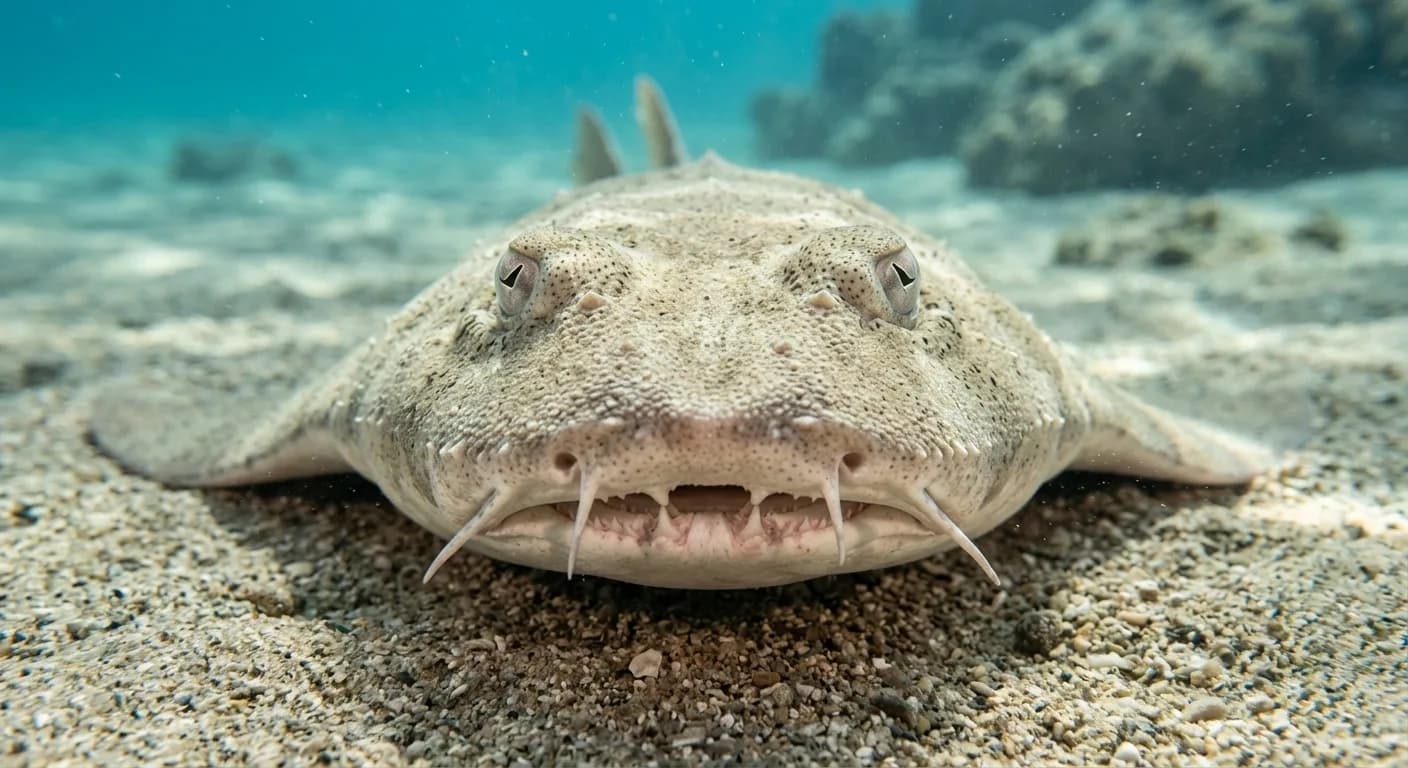 Critically Endangered
Angelshark
Squatina squatina
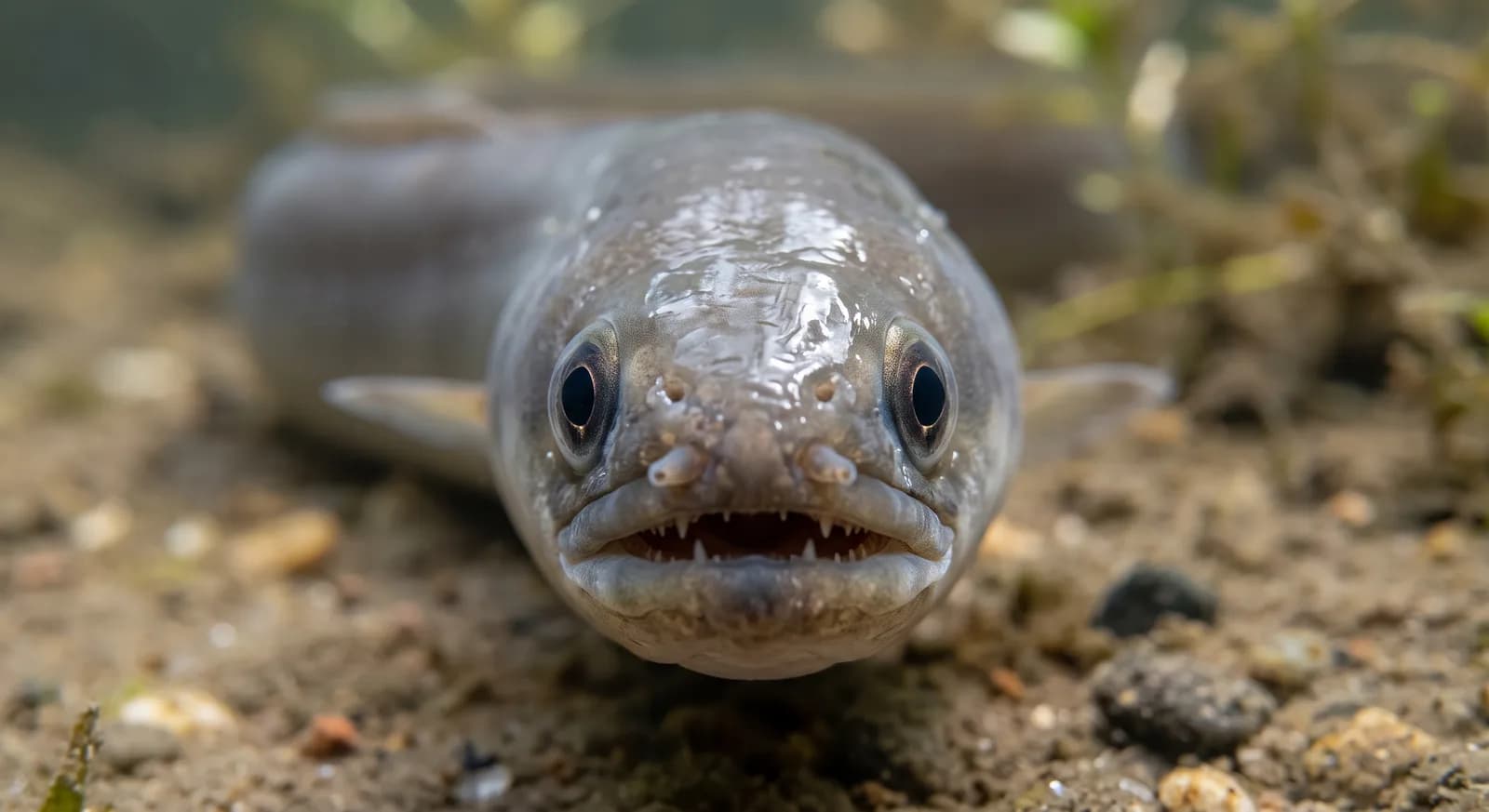 Critically Endangered
European Eel
Anguilla anguilla
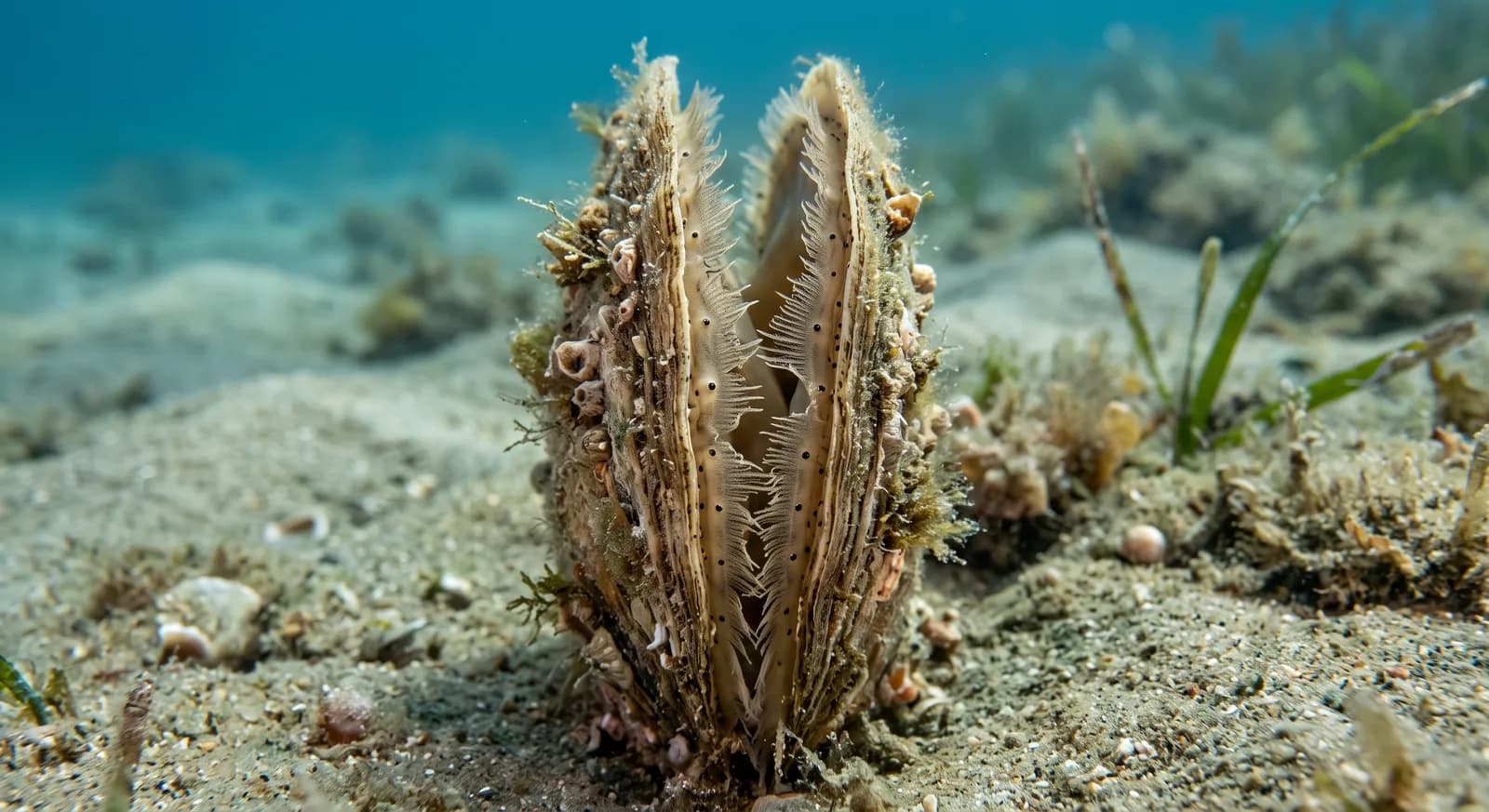 Critically Endangered
Fan Mussel
Pinna nobilis
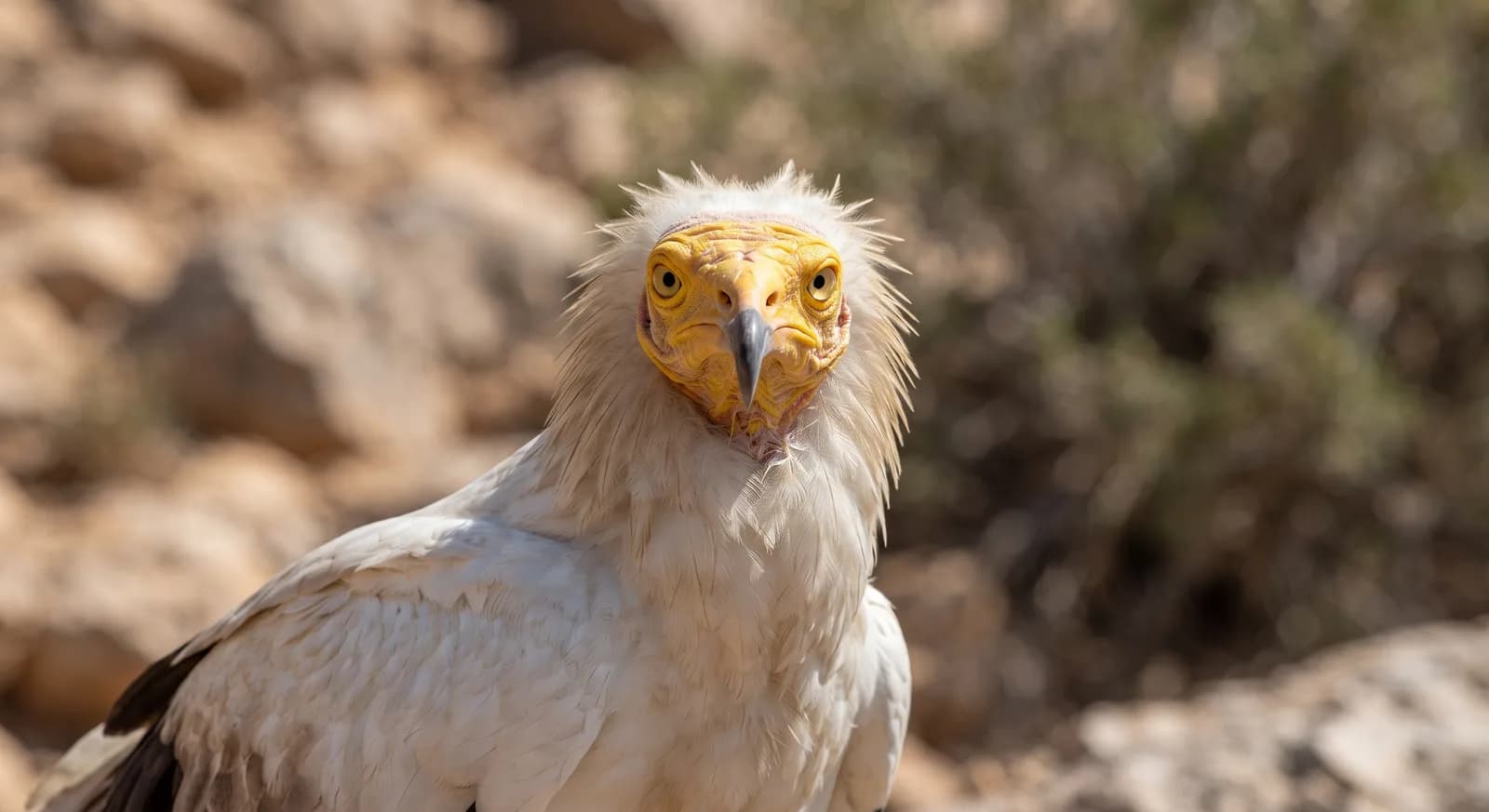 Endangered
Egyptian Vulture
Neophron percnopterus
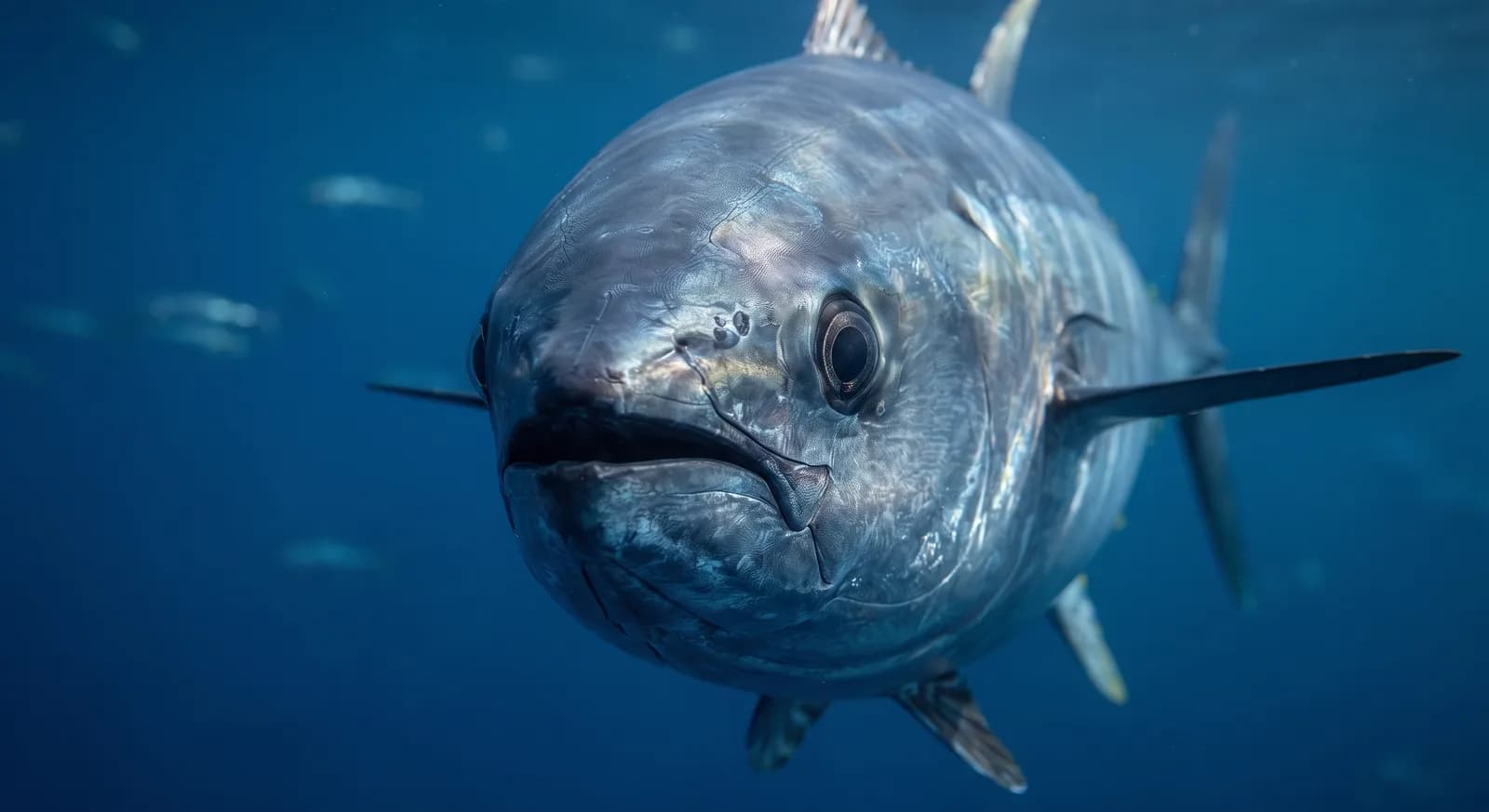 Endangered
Atlantic Bluefin Tuna
Thunnus thynnus
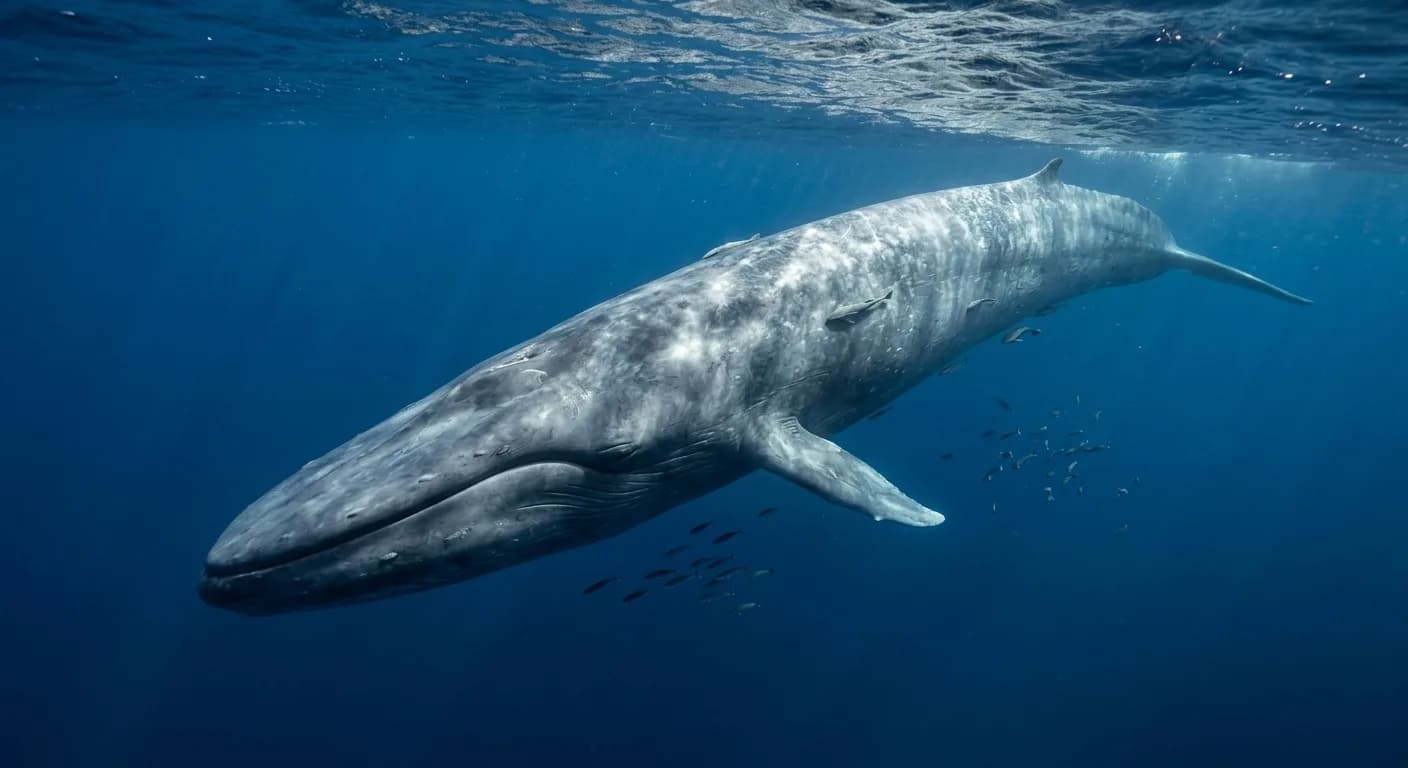 Endangered
Blue Whale
Balaenoptera musculus
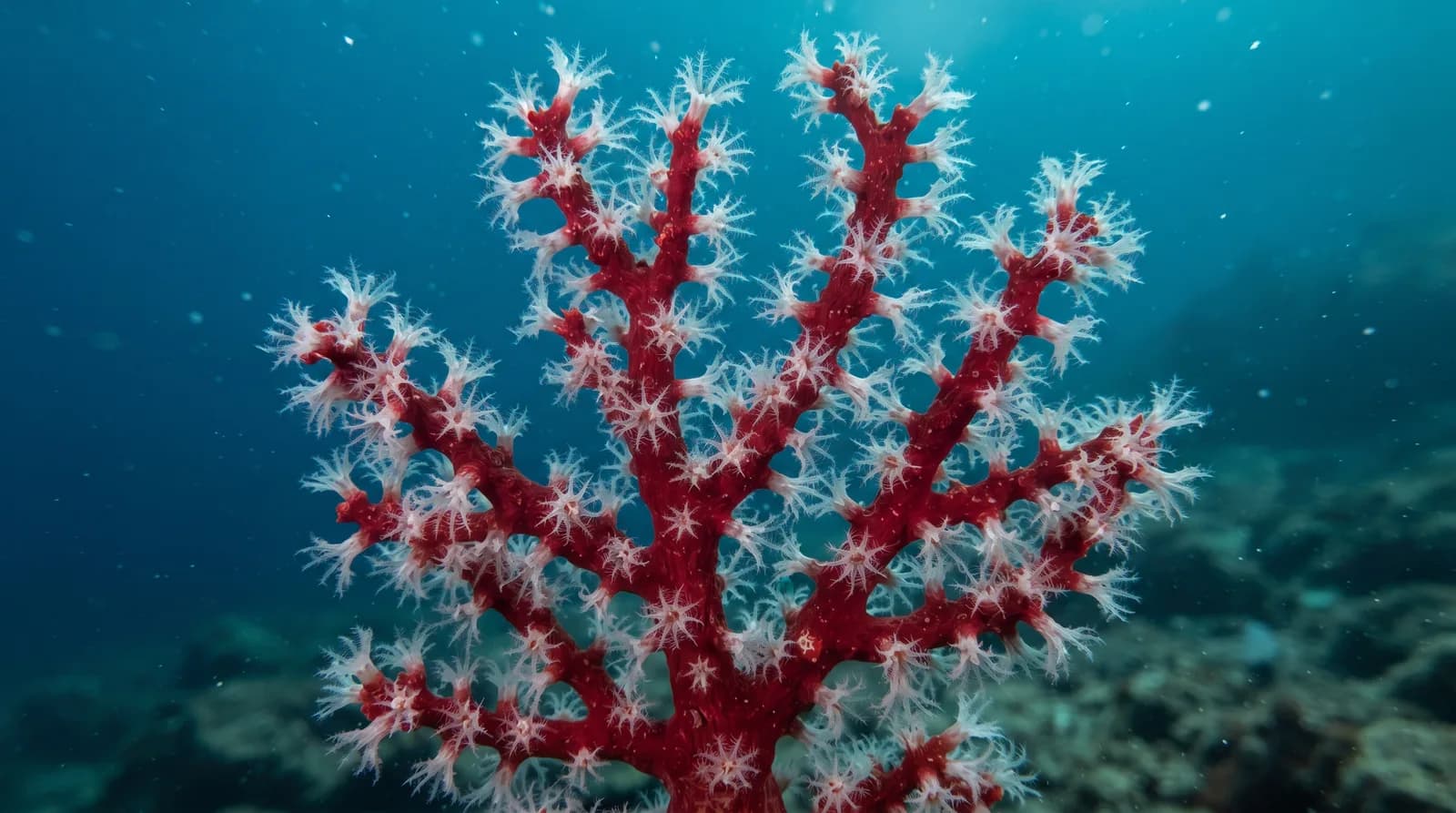 Endangered
Red Coral
Corallium rubrum
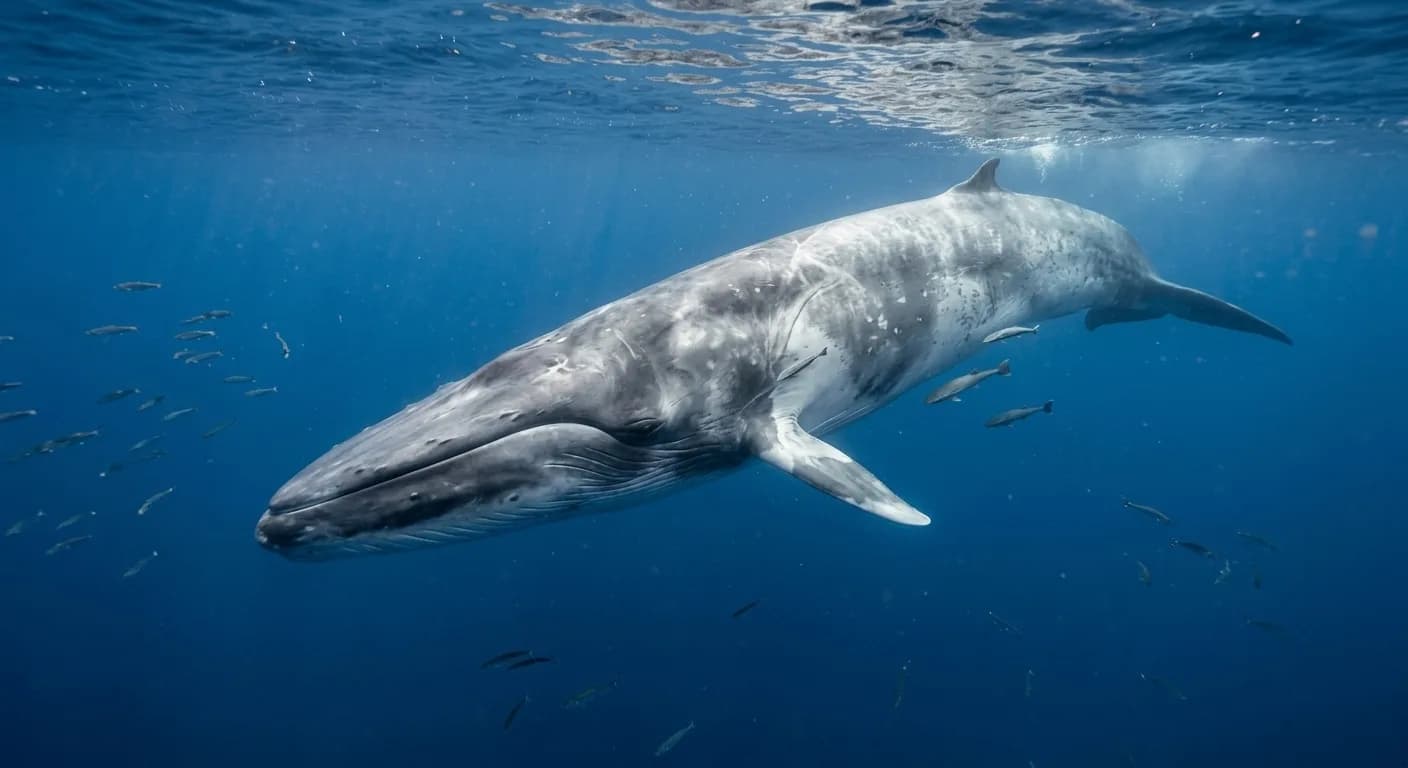 Endangered
Fin Whale
Balaenoptera physalus
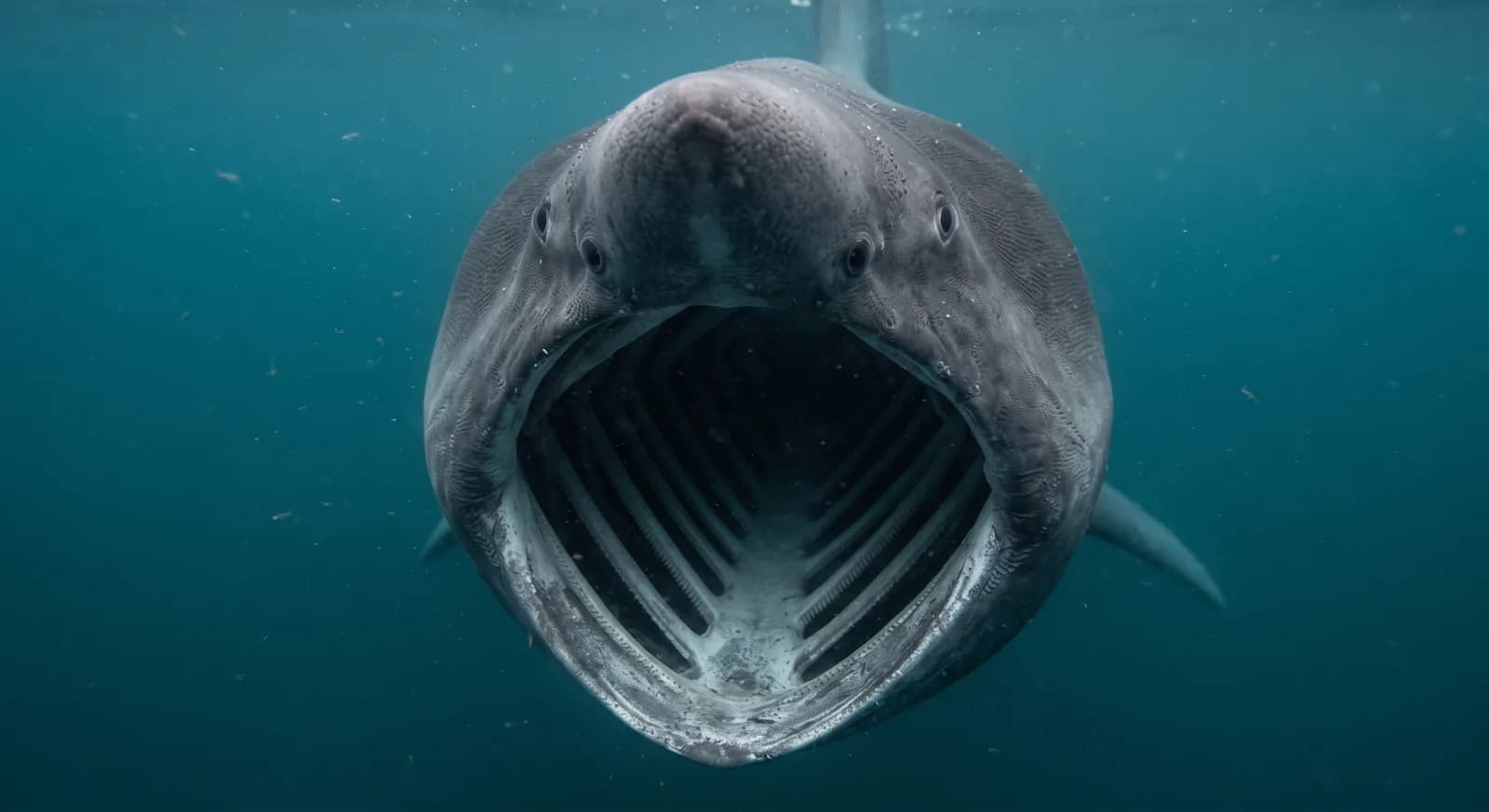 Endangered
Basking Shark
Cetorhinus maximus
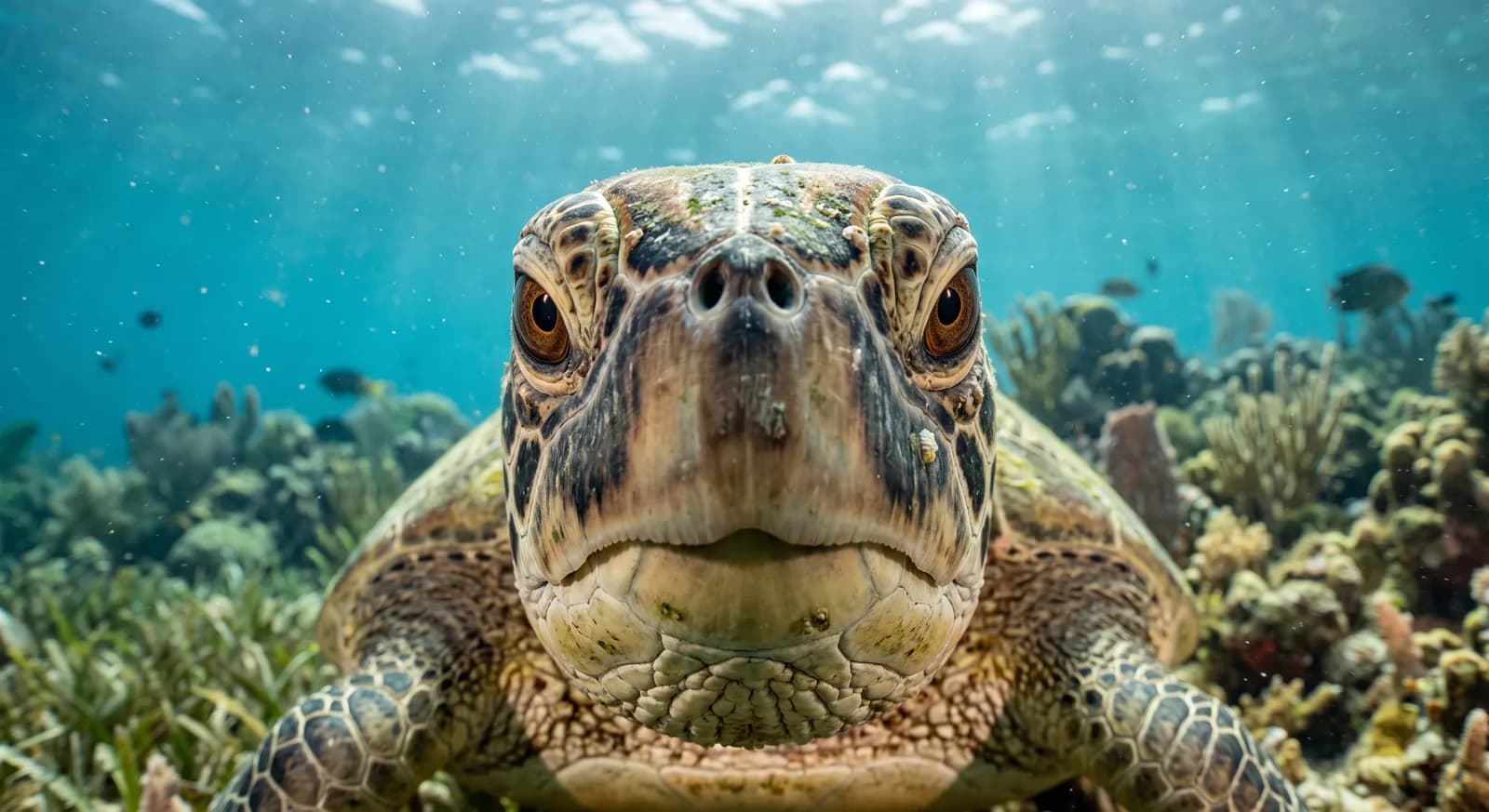 Endangered
Green Turtle
Chelonia mydas
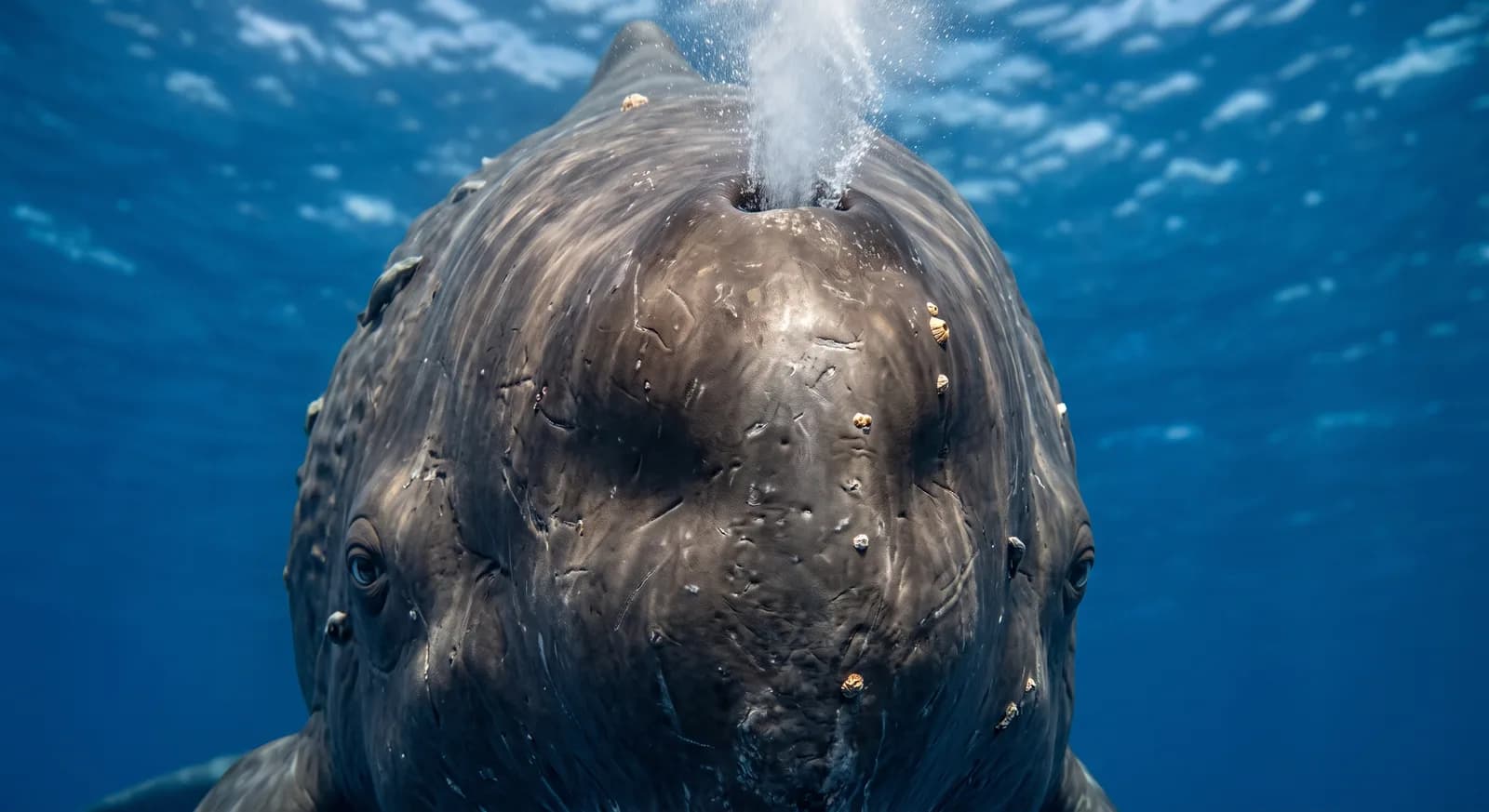 Vulnerable
Sperm Whale
Physeter macrocephalus
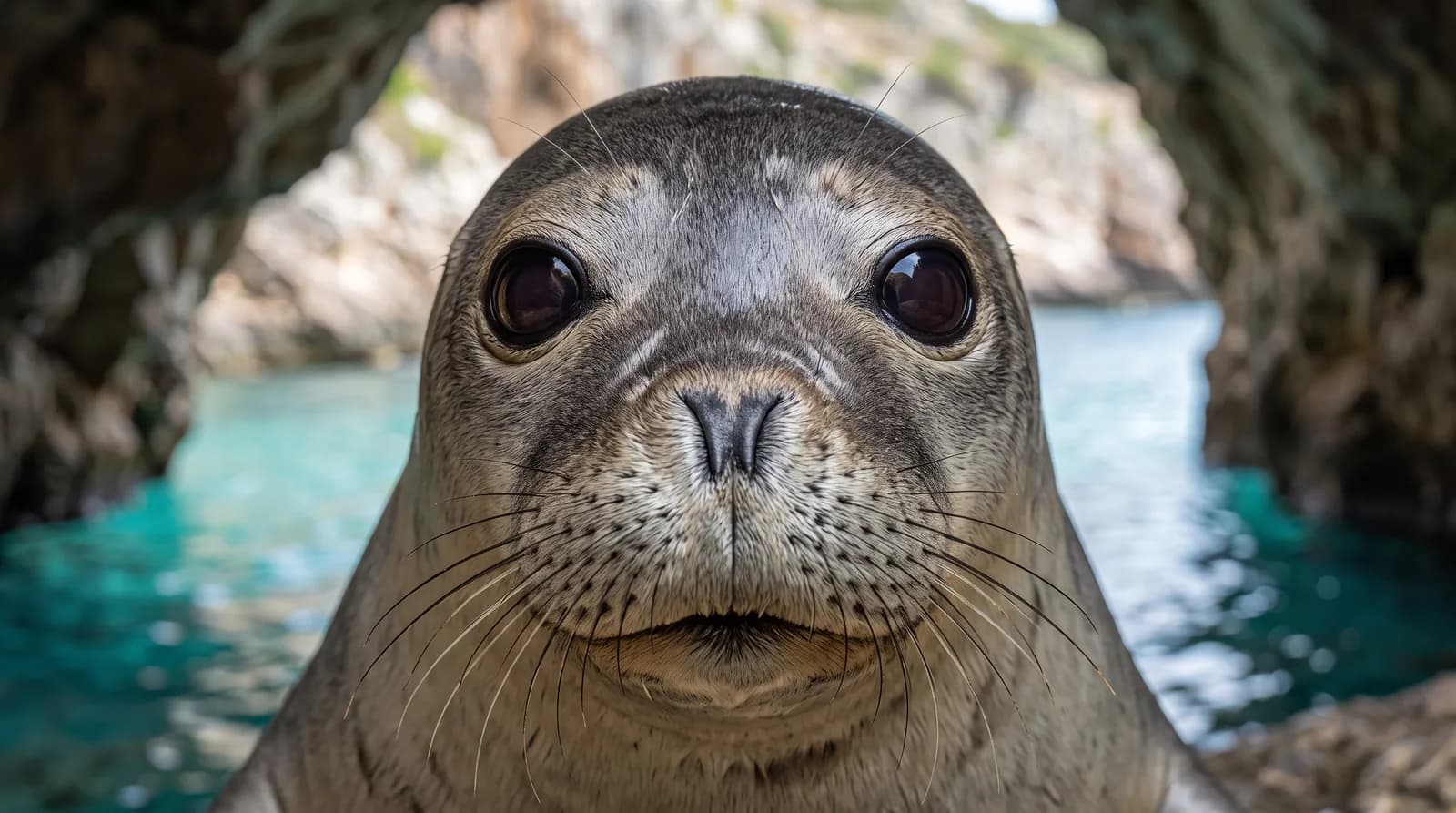 Vulnerable
Mediterranean Monk Seal
Monachus monachus
Keep exploring
Based on what we already know about Croatia.