Slovenia
Europa
Slovenia is one of the most forested countries in Europe, with close to sixty per cent of its territory under trees, and it brings together Alps, Dinaric karst, Pannonian plain and a Mediterranean strip in very little space. The Triglav massif concentrates the high mountains, with chamois and marmots, while the Dinaric forests of the south hold one of the densest brown bear populations on the continent, alongside wolves and lynx. The Kras plateau gave karst its name worldwide: its limestone is riddled with thousands of caves, sinkholes and underground rivers, such as the Škocjan system, with one of the largest known subterranean galleries. Lake Cerknica fills and empties each year depending on the rains, and the Sečovlje salt pans and the mouth of the Isonzo provide coastal wetlands for migrating birds.
The nature of Slovenia
National animal: No official national animal; the Carniolan honey bee and the mythical golden-horned chamois Zlatorog are the country's wildlife symbols
Did you know?
The olm, a blind, unpigmented amphibian with pink skin that lives in the underground rivers of the Slovenian karst, was for centuries the stuff of legend: when floods washed it to the surface, country people believed these were baby dragons flushed out of the earth. It can live around a century, can go years without eating, and in 2016 a female's clutch in the Postojna cave was followed live from around the world.
Biodiversity profile
Climate
- •Submediterraneo en la costa (Csa)
- •Continental templado (Cfb) en la meseta central
- •Clima de montaña en los Alpes Julianos y Dinaricos (norte y suroeste)
Main biomes
- •Bosque de coniferas y mixto alpino (Alpes Julianos, norte)
- •Bosque karstico dinarico (suroeste, uno de los mejor conservados de Europa)
- •Llanura panonica (este)
- •Meseta karstica con extenso sistema de cuevas
- •Karst y río subterráneo
- •Bosque dinárico de hayas y abetos
- •Alta montaña alpina
- •Lago intermitente
- •Salina litoral
- •Turbera de altitud
- •Bosque de ribera
Marine and coastal ecosystems
- •Corta costa del Adriatico, con acantilados marinos y dunas
Flagship wildlife
- •Oso pardo (poblacion de los Dinaricos entre las mas importantes de Europa)
- •Lince euroasiatico y lobo gris
- •Proteo o "pez humano" (endemico del karst dinarico, anfibio cavernicola unico)
- •Delfin mular (costa adriatica)
- •Lobo gris
- •Lince boreal
- •Rebeco
- •Marmota alpina
- •Abeja carniola
- •Nutria paleártica
- •Cigüeña blanca
- •Águila real
- •Urogallo
Notable endemic species
- •Slovenia cubre menos del 0,004% de la superficie terrestre pero alberga aprox. 1% de la biodiversidad mundial, con la mayor concentracion relativa de especies terrestres de Europa
- •Flora ilirica: plantas endemicas de distribucion restringida a los Alpes Dinaricos entre Eslovenia y Albania
- •Proteo (Proteus anguinus), anfibio cavernicola endemico del karst dinarico, considerado un "fosil viviente"
- •3.472 taxones de plantas vasculares registrados, con notable riqueza endemica
- •Escarabajo de las cuevas de Eslovenia
- •Trucha del Adriático
Notable threatened species
- •Proteo (Vulnerable, extremadamente sensible a la contaminacion del agua subterranea karstica)
- •Grandes carnivoros (oso, lobo, lince) con poblaciones estables o en aumento gracias a legislacion protectora y apoyo publico, en linea con la tendencia general europea
Notable protected areas
- •Parque Nacional del Triglav (unico parque nacional del pais, Alpes Julianos)
- •Karst Dinarico (sistema de cuevas y habitat del proteo)
- •Cuevas de Škocjan
- •Cueva de Postojna
- •Parque Natural de Sečovlje
- •Lago de Cerknica
- •Parque Regional de Kozjansko
Main conservation threats
- •Contaminacion de aguas subterraneas karsticas, critica para el proteo y otra fauna cavernicola endemica
- •Presion turistica en zonas alpinas y karsticas
- •Fragmentacion de corredores para grandes carnivoros
Notable natural phenomena
- •Eslovenia se situa en la interseccion de 4 regiones biogeograficas (Mediterraneo, Llanura Panonica, Alpes, Karst Dinarico), generando una diversidad excepcional para su reducido tamaño
Conservation
Slovenia brought lynx over from Slovakia in 1973 to recover the species and has again reinforced that highly inbred population with new animals. The subterranean fauna of the karst is extremely vulnerable to pollution of the aquifers.
Where and when to watch wildlife
The forests of Kočevje between May and September from brown bear hides. Postojna and Škocjan year-round for the olm and cave fauna. Sečovlje in spring and autumn for waders and flamingos.
Sources: GOV.SI - Nature | ResearchGate - Biodiversity of Slovenia | Earth.Org - How Slovenia Became One of the Most Sustainable Countries | BioDB.com - Slovenia
Parks and reserves
Diving and snorkelling
Países similares
¿A dónde más podría interesarme viajar?
Misma región: Balcanes
Misma región: Balcanes
Misma región: Balcanes
Misma región: Balcanes
Especies documentadas en Slovenia
554 species found
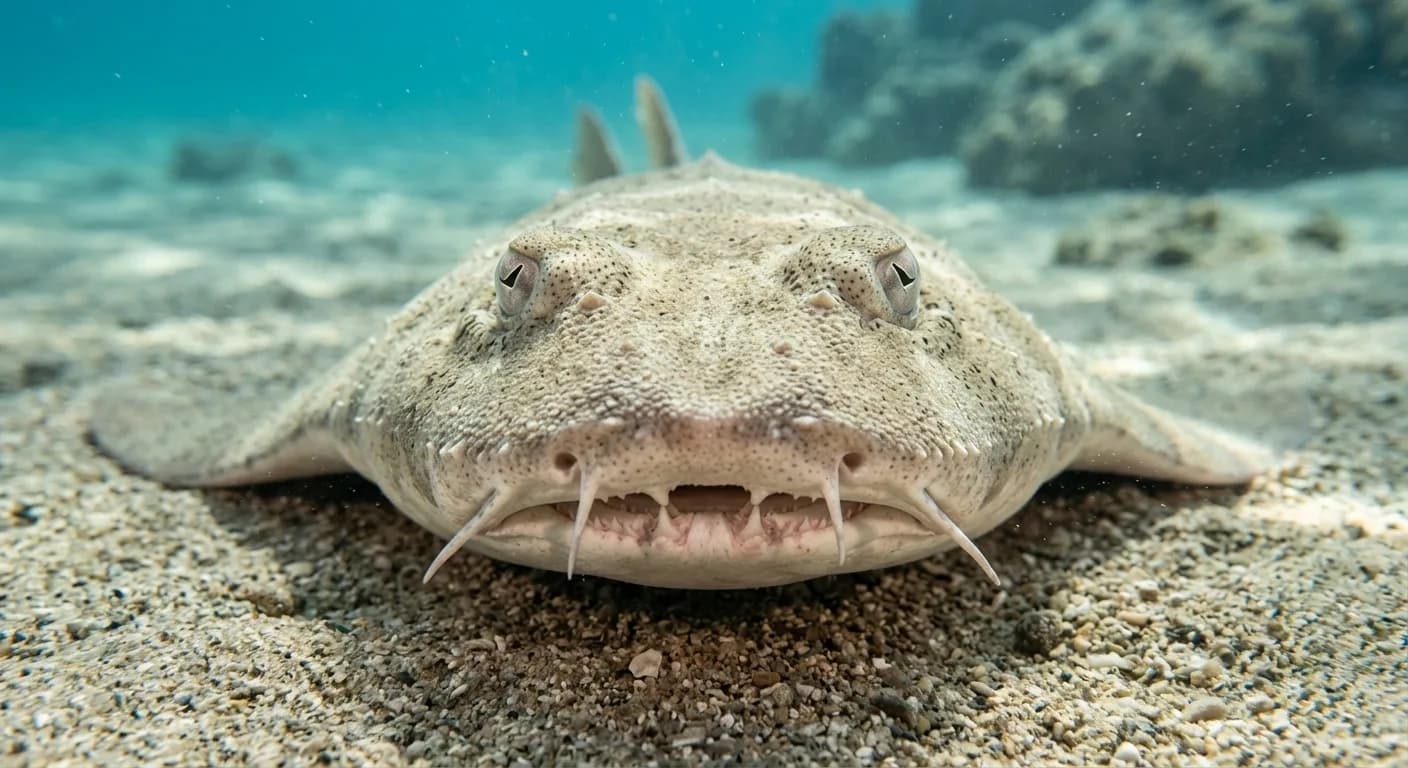 Critically Endangered
Angelshark
Squatina squatina
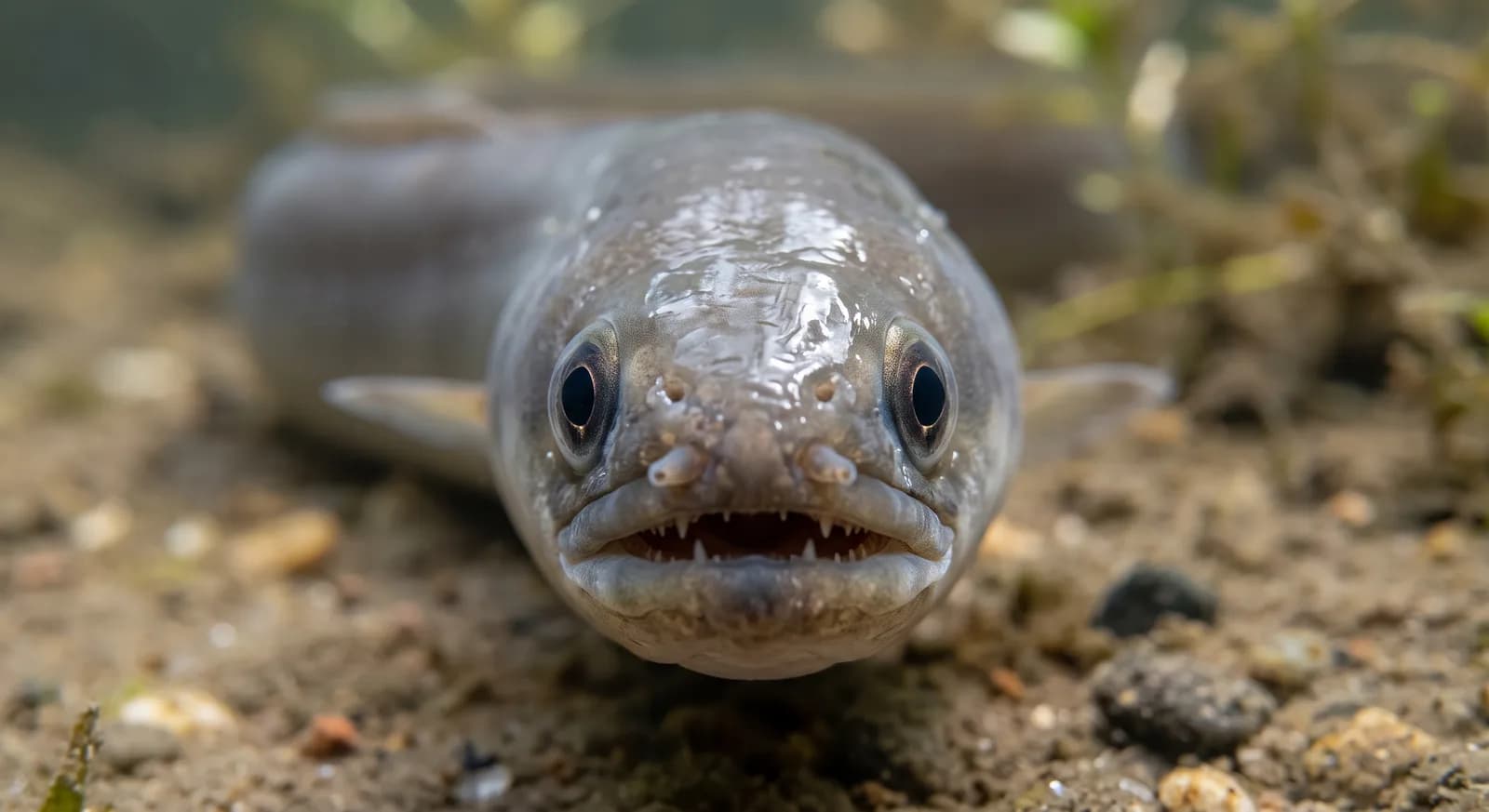 Critically Endangered
European Eel
Anguilla anguilla
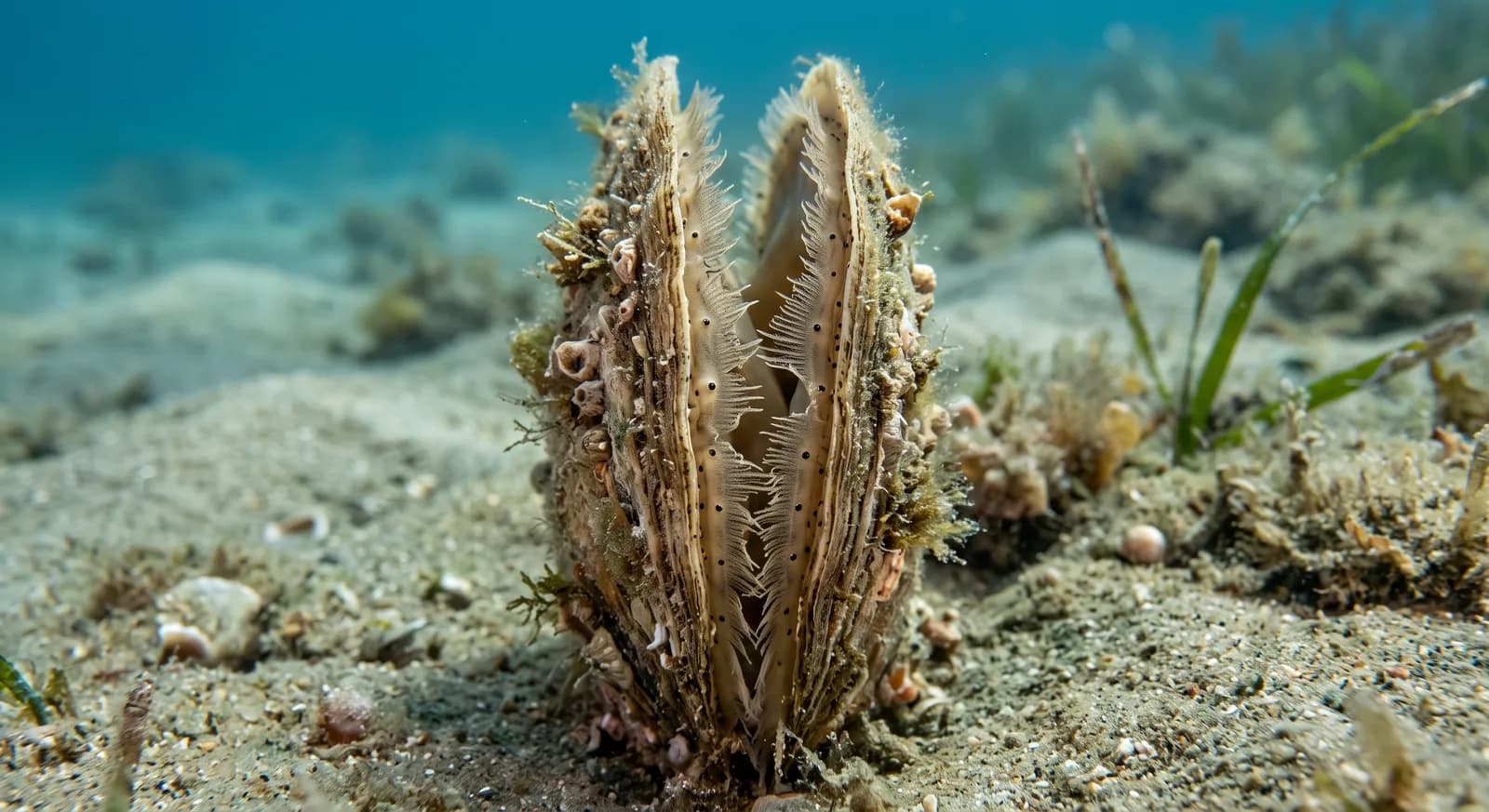 Critically Endangered
Fan Mussel
Pinna nobilis
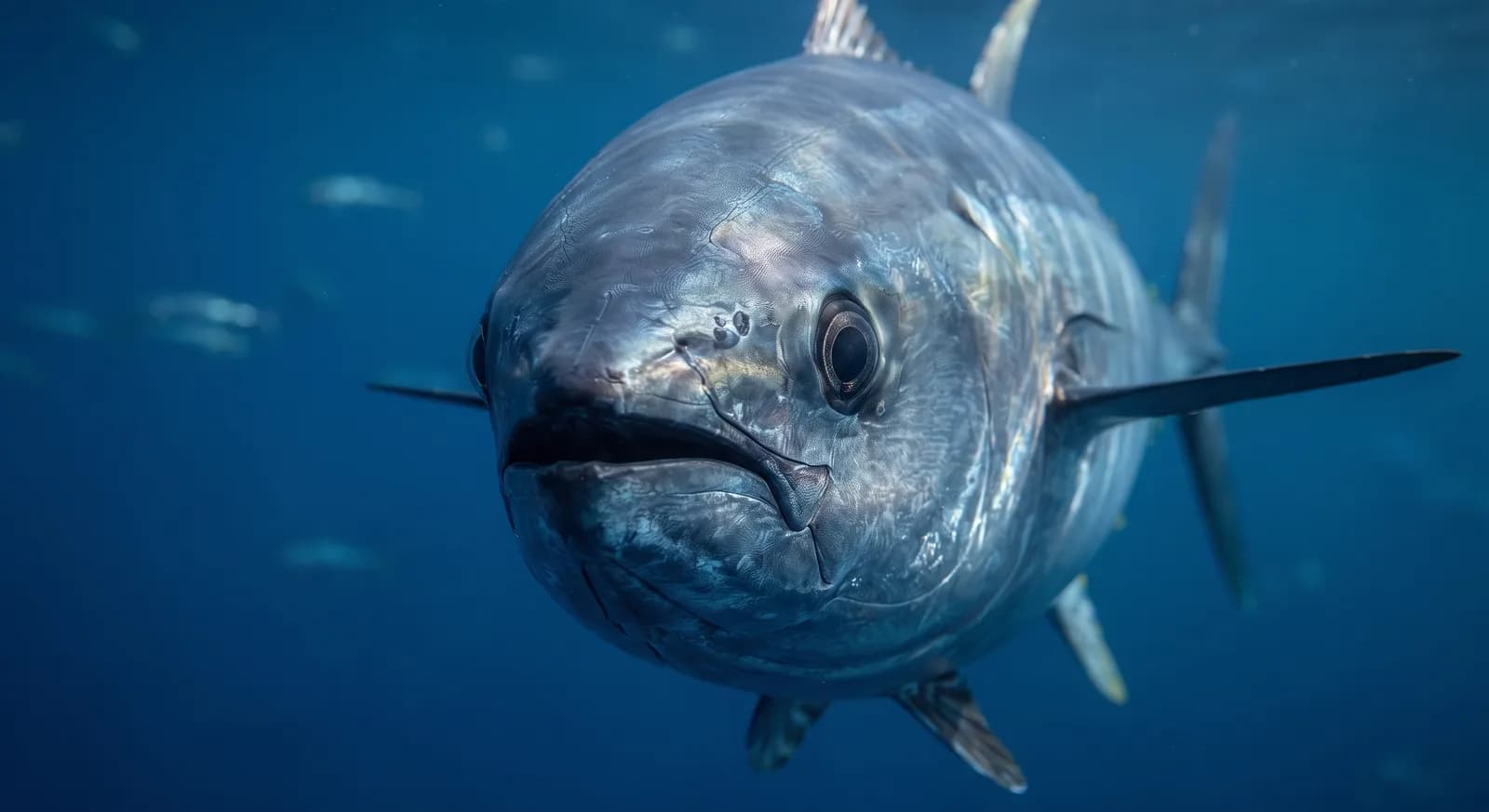 Endangered
Atlantic Bluefin Tuna
Thunnus thynnus
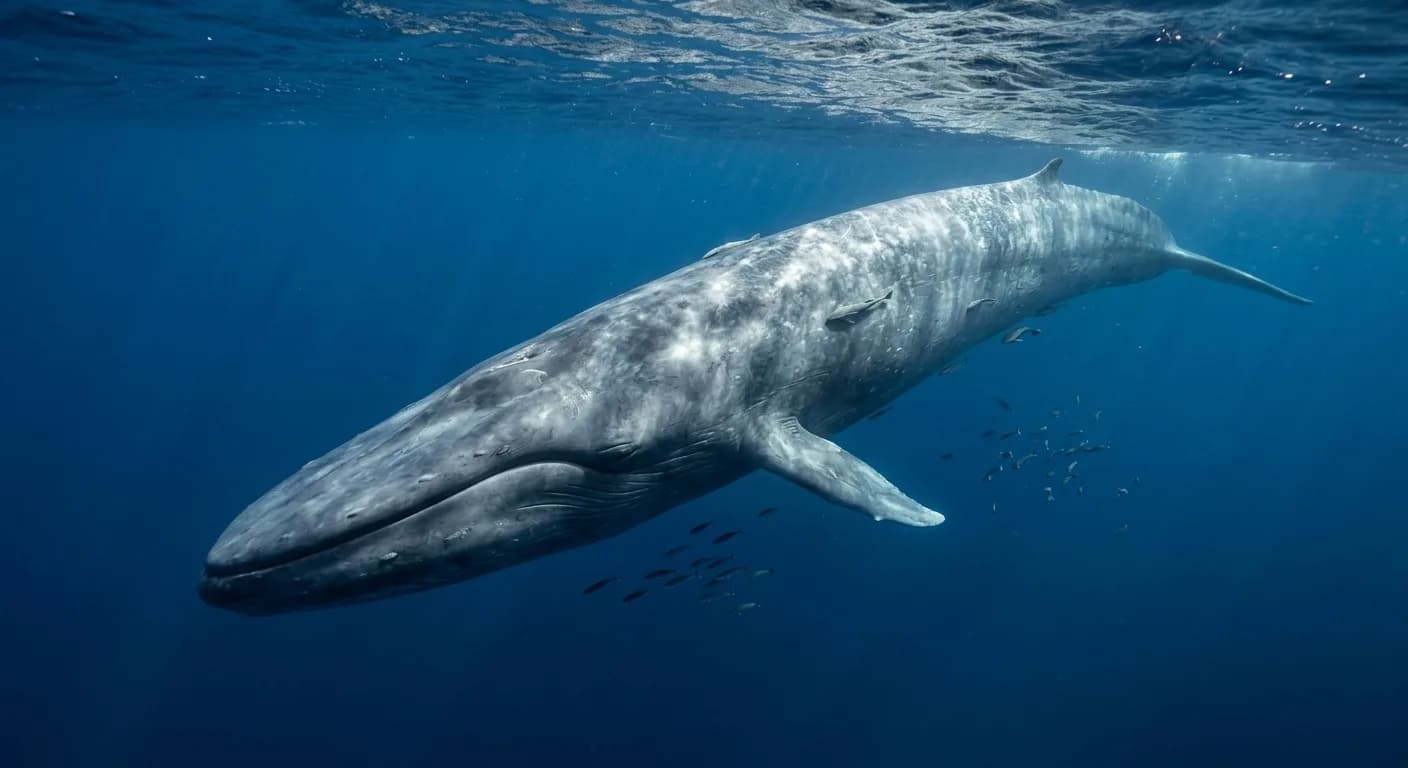 Endangered
Blue Whale
Balaenoptera musculus
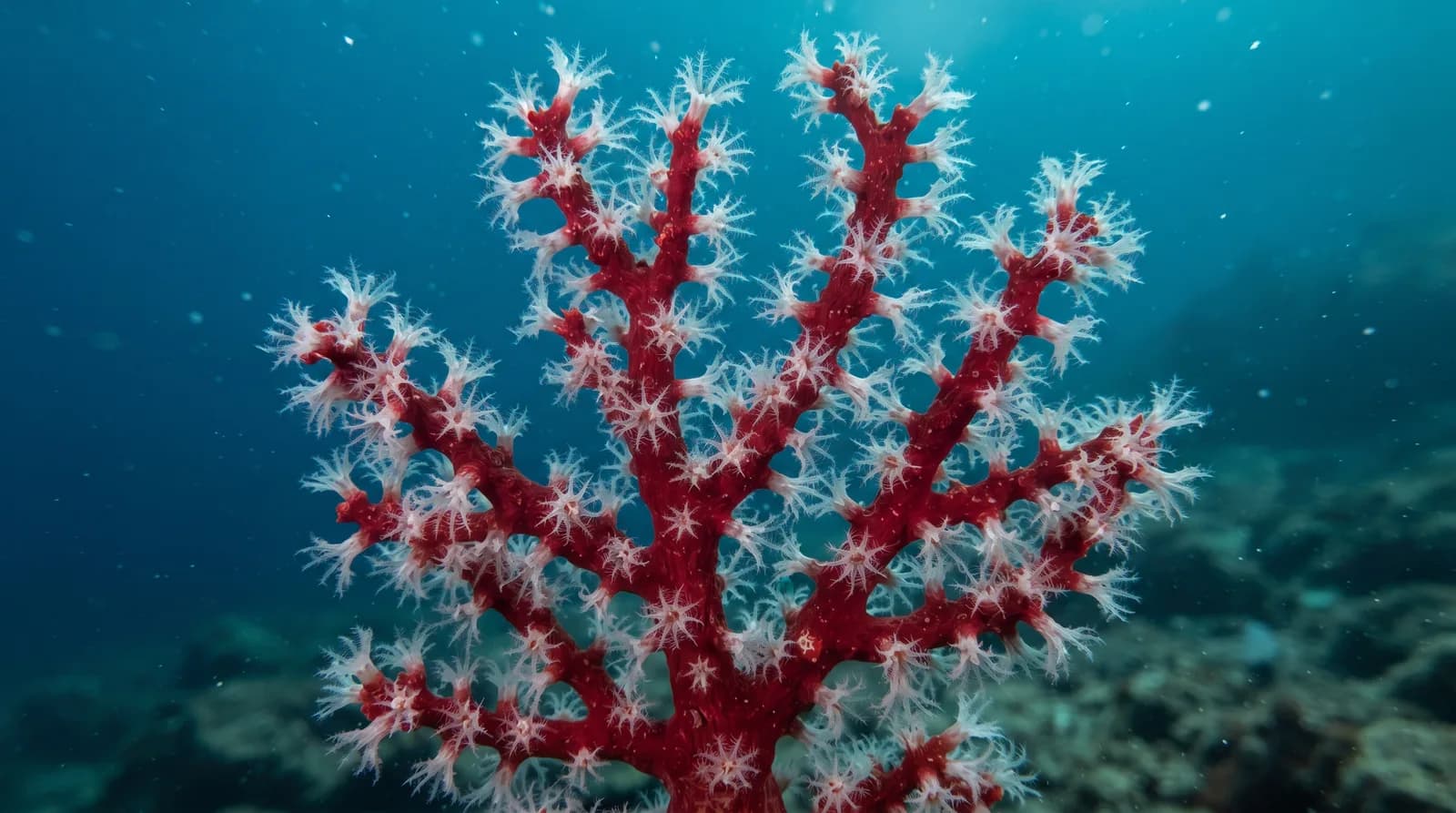 Endangered
Red Coral
Corallium rubrum
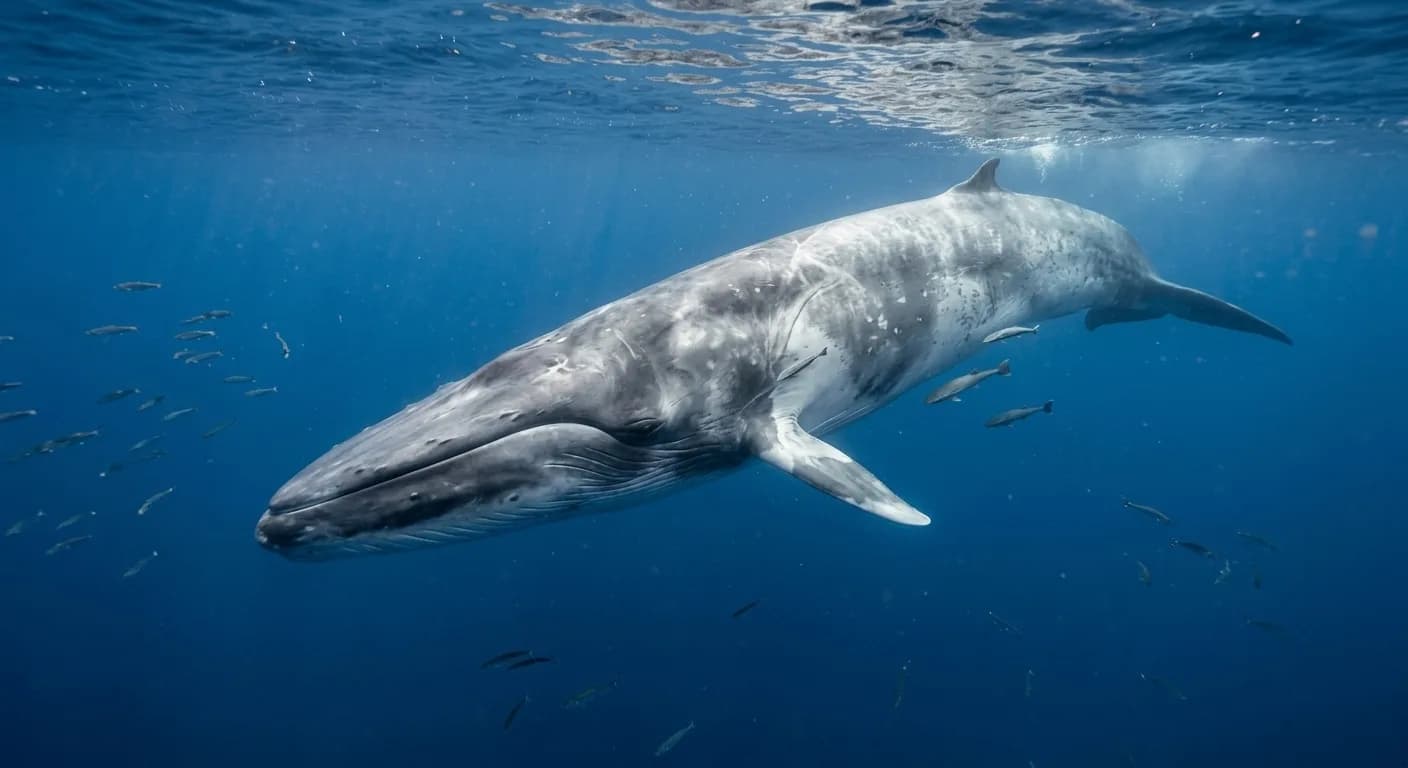 Endangered
Fin Whale
Balaenoptera physalus
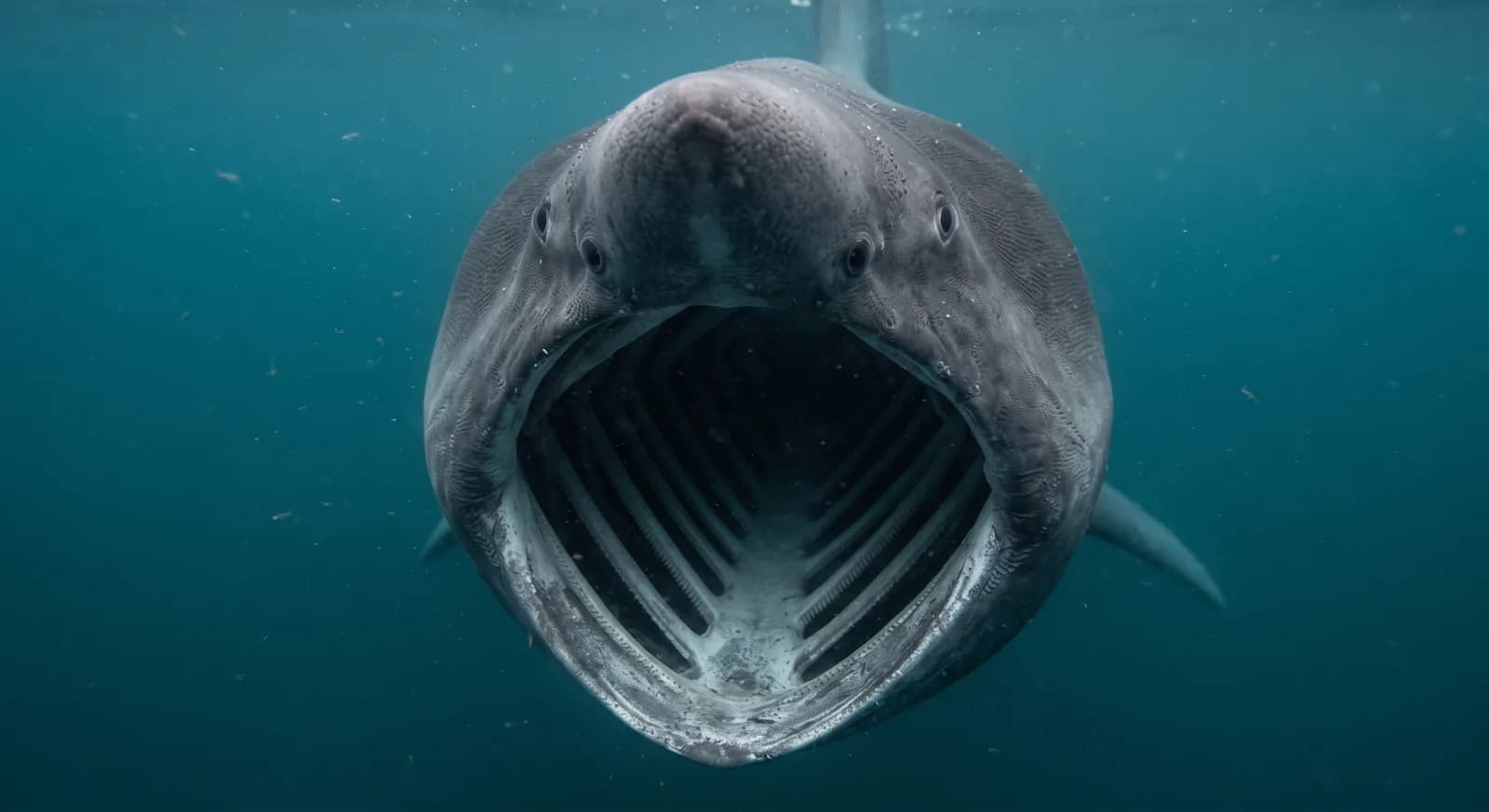 Endangered
Basking Shark
Cetorhinus maximus
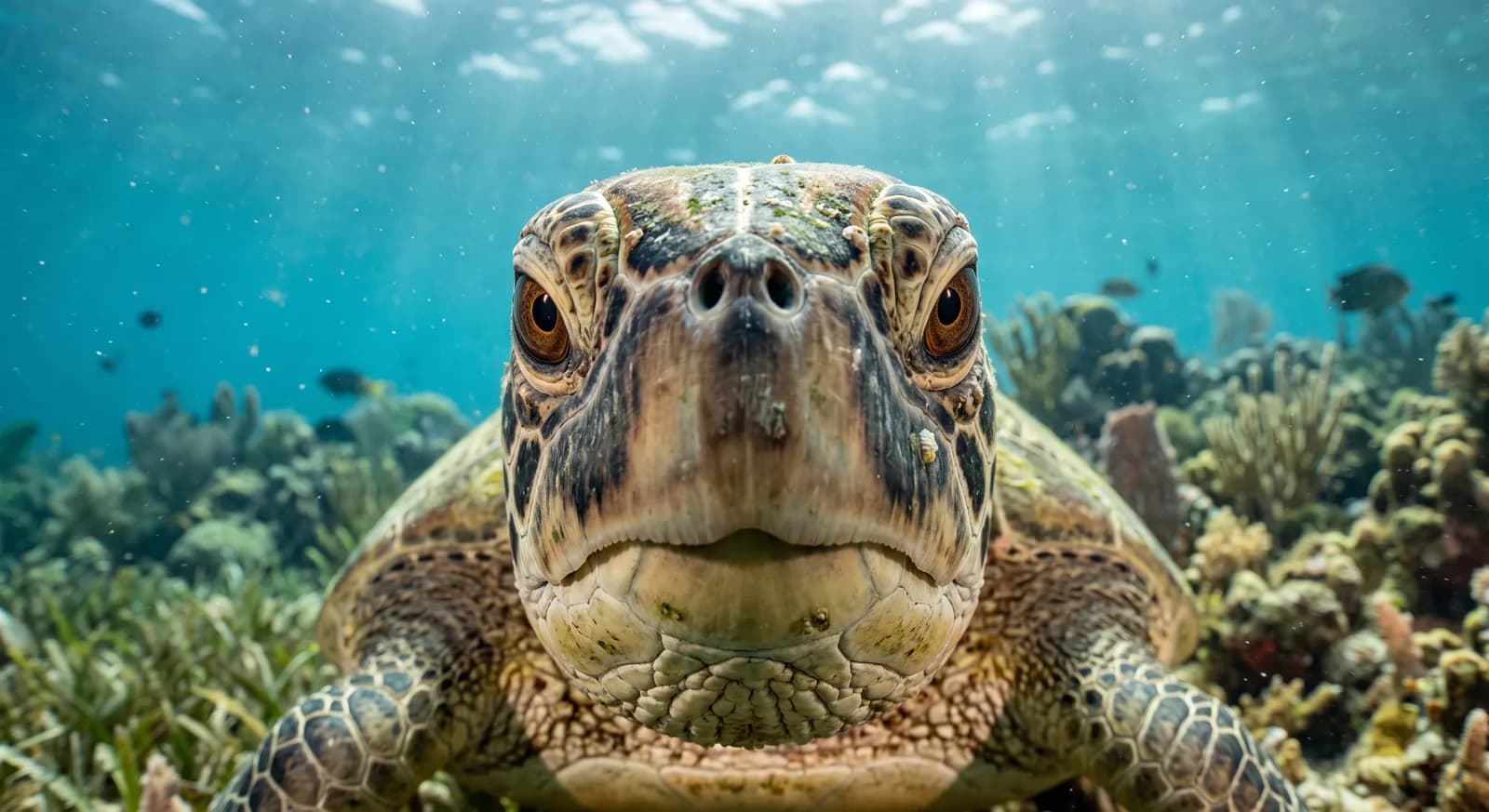 Endangered
Green Turtle
Chelonia mydas
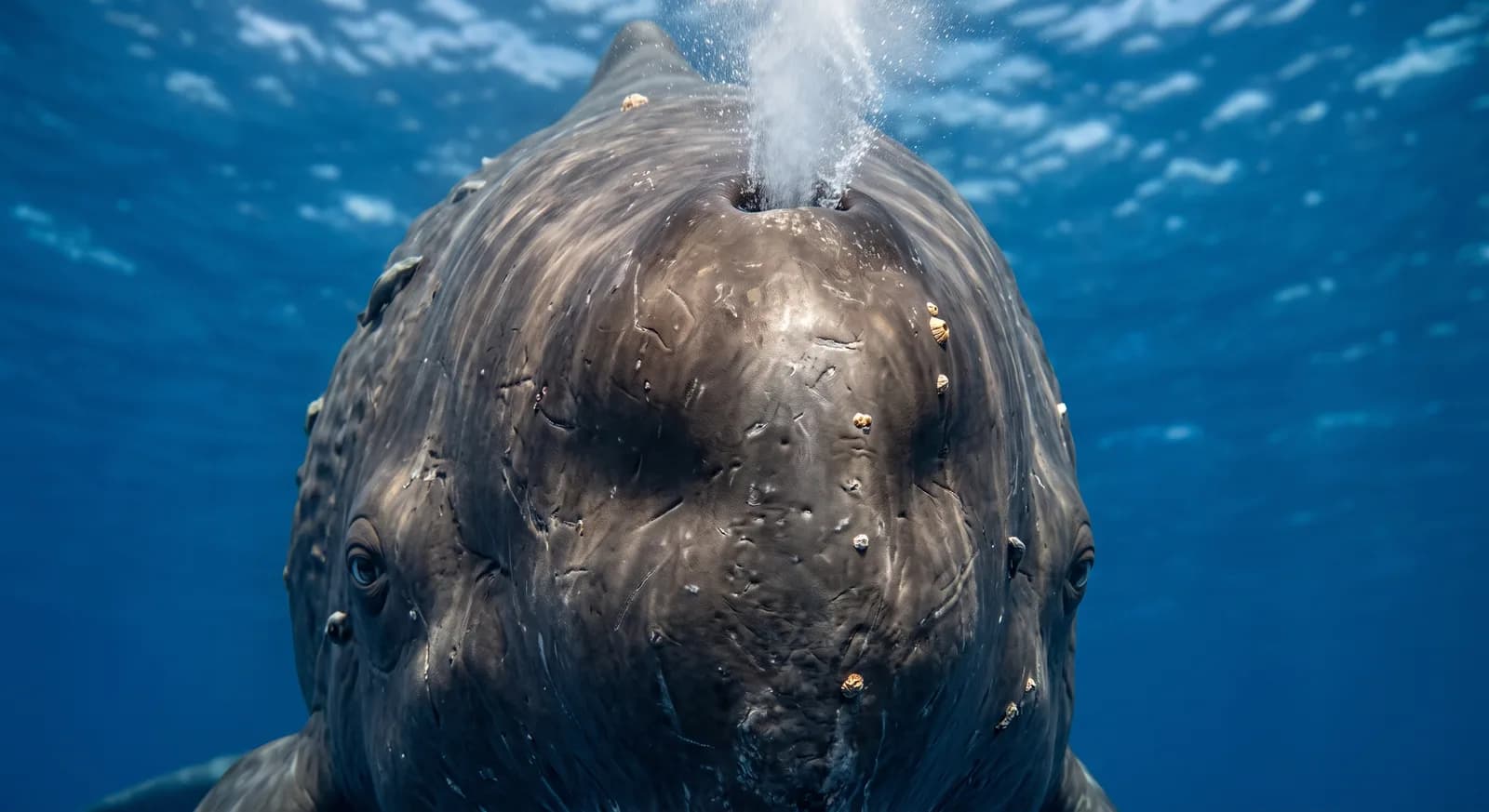 Vulnerable
Sperm Whale
Physeter macrocephalus
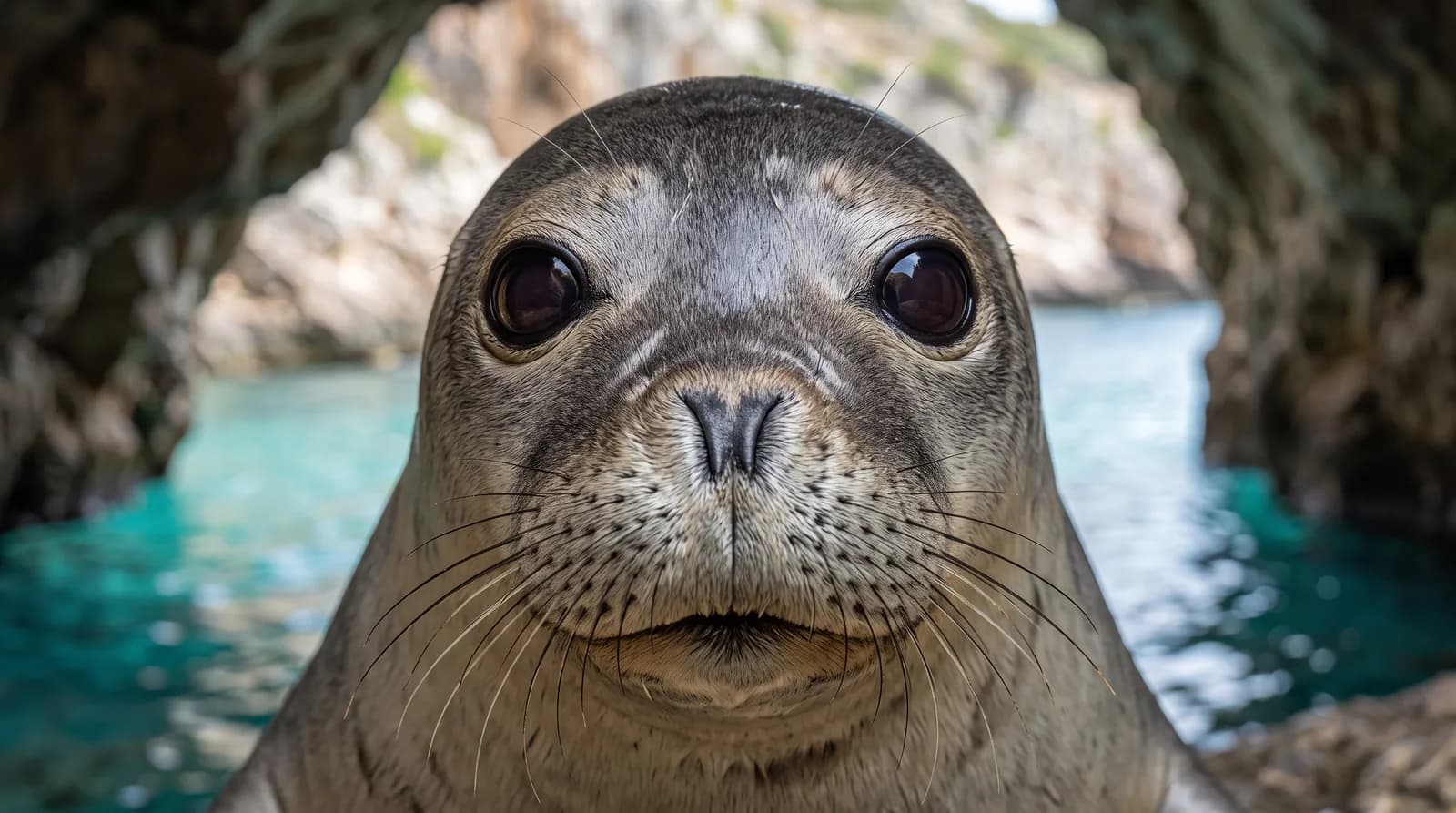 Vulnerable
Mediterranean Monk Seal
Monachus monachus
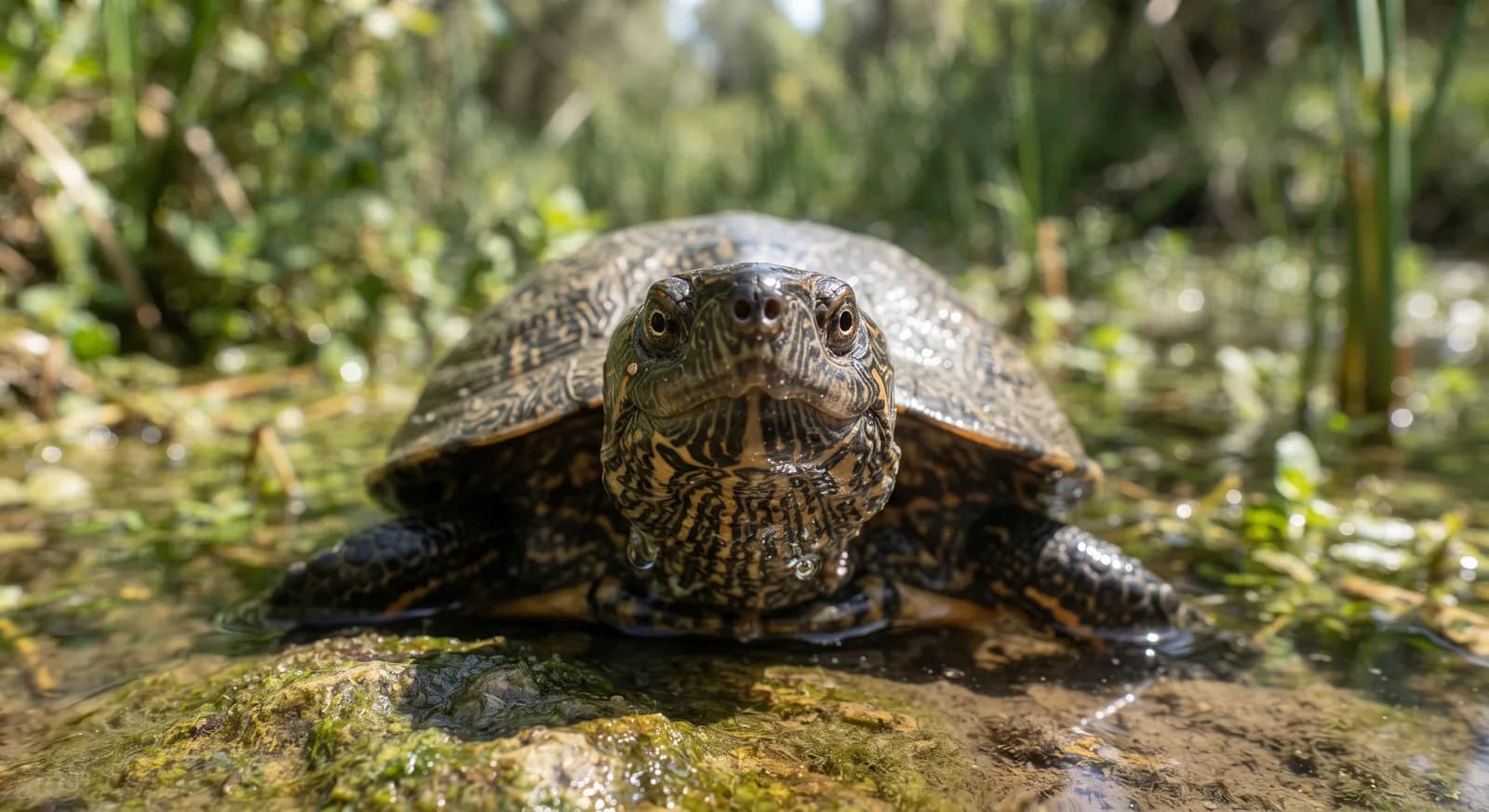 Vulnerable
Spanish Terrapin
Mauremys leprosa
Keep exploring
Based on what we already know about Slovenia.