Lebanon
Asia
Lebanon is a country of two parallel ranges separated by the Bekaa valley, an arrangement that creates within very little space a gradient from the Mediterranean coast to summits above three thousand metres with snow for much of the year. On the high slopes survive the last stands of Lebanon cedar, a tree that covered these mountains for millennia and that has been felled since Phoenician times; today protected groves remain at Bcharre, Ehden and above all in the Chouf reserve, which holds a large share of the cedars left in the country. The Bekaa gathers wetlands such as Ammiq, a key stopover for birds crossing between Europe and Africa. On the coast, the Palm Islands are a nature reserve with green turtles, seabirds and occasional sightings of monk seal.
The nature of Lebanon
National animal: No official national animal; the cedar is the emblem of the state and the striped hyena serves as the symbolic species of its wildlife
Did you know?
Lebanon sits on the second busiest migratory corridor on the planet, and every autumn hundreds of thousands of storks, pelicans and raptors are forced to cross its mountains along a narrow front. That concentration historically made them vulnerable to indiscriminate shooting, and in recent years watchpoints and monitoring campaigns have been set up that have turned former hunters into bird counters.
Biodiversity profile
Climate
- •Mediterraneo (Csa) en la costa
- •Clima de montaña mas frio en el Monte Libano y Anti-Libano
- •Irano-Turanico mas arido en el este (Valle de la Bekaa)
Main biomes
- •Bosque mediterraneo de cedro, pino y encina costera
- •Bosque montano euro-siberiano por encima de 1.400 m
- •Estepa irano-turanica arida en el este del pais
- •Cedral de montaña
- •Bosque mediterráneo
- •Humedal de valle interior
- •Alta montaña mediterránea
- •Isla y costa rocosa
- •Garganta caliza
- •Matorral de altitud
Marine and coastal ecosystems
- •Costa mediterranea, con aprox. 2,7% de las especies marinas del mundo registradas en sus aguas
Flagship wildlife
- •Cedro del Libano (arbol nacional, simbolo en la bandera)
- •Aguila real
- •Lobo gris
- •Aves rapaces migratorias (Libano es corredor clave de migracion entre Africa y Eurasia)
- •Cigüeña blanca
- •Pelícano común
- •Hiena rayada
- •Chacal dorado
- •Buitre leonado
- •Tortuga verde
- •Foca monje del Mediterráneo
- •Damán de las rocas
- •Águila moteada
Notable endemic species
- •8,5% de las especies vegetales son endemicas de la region compartida Libano-Siria-Palestina, con un 3,5% adicional estrictamente endemico de Libano
- •Cedro del Libano, icono nacional con poblaciones relictas en Al Shouf, Tannourine y Horsh Ehden
- •Cedro del Líbano
- •Salamandra del Cercano Oriente
Notable threatened species
- •Cedro del Libano (poblaciones relictas amenazadas por el cambio climatico, con proyecciones que limitan su supervivencia a solo tres areas del Monte Libano para 2100)
- •Varias especies de mamiferos y aves en riesgo de extincion segun datos de biodiversidad recientes
Notable protected areas
- •Reserva Natural de Cedros del Shouf (mayor reserva de cedros del pais)
- •Reserva Natural de Cedros de Tannourine
- •Reserva de la Biosfera de Jabal Moussa
- •Reserva de la Biosfera del Chouf
- •Bosque de los Cedros de Dios
- •Reserva de Horsh Ehden
- •Reserva de las Islas de las Palmeras
- •Humedal de Ammiq
- •Valle de Qadisha
Main conservation threats
- •Cambio climatico proyectado a reducir drasticamente el area de supervivencia futura del cedro del Libano
- •Expansion urbana descontrolada
- •Inestabilidad politica que dificulta la aplicacion efectiva de la legislacion ambiental
Notable natural phenomena
- •Libano se encuentra en una ruta migratoria clave de aves rapaces entre Africa y Eurasia
Conservation
The regeneration of the cedar woods is compromised by grazing, fires and rising temperatures, which push the species higher up the mountain. Quarries and unchecked building affect much of the coastal range.
Where and when to watch wildlife
Ammiq and the Bekaa ridges between September and October for the migration. The Chouf in spring for woodland birds and mountain flora. The Palm Islands in summer for seabirds.
Sources: IUCN Green List - Lebanon | SPNL - Mapping Lebanon's Hidden Biogeographic Borders | ScienceDirect - Cedrus libani distribution Lebanon | Wikipedia - Natural areas in Lebanon | constructive-voices.com - Lebanon Biodiversity
Países similares
¿A dónde más podría interesarme viajar?
Misma región: Oriente Medio y Asia Occidental
Misma región: Oriente Medio y Asia Occidental
Misma región: Oriente Medio y Asia Occidental
Misma región: Oriente Medio y Asia Occidental
Especies documentadas en Lebanon
257 species found
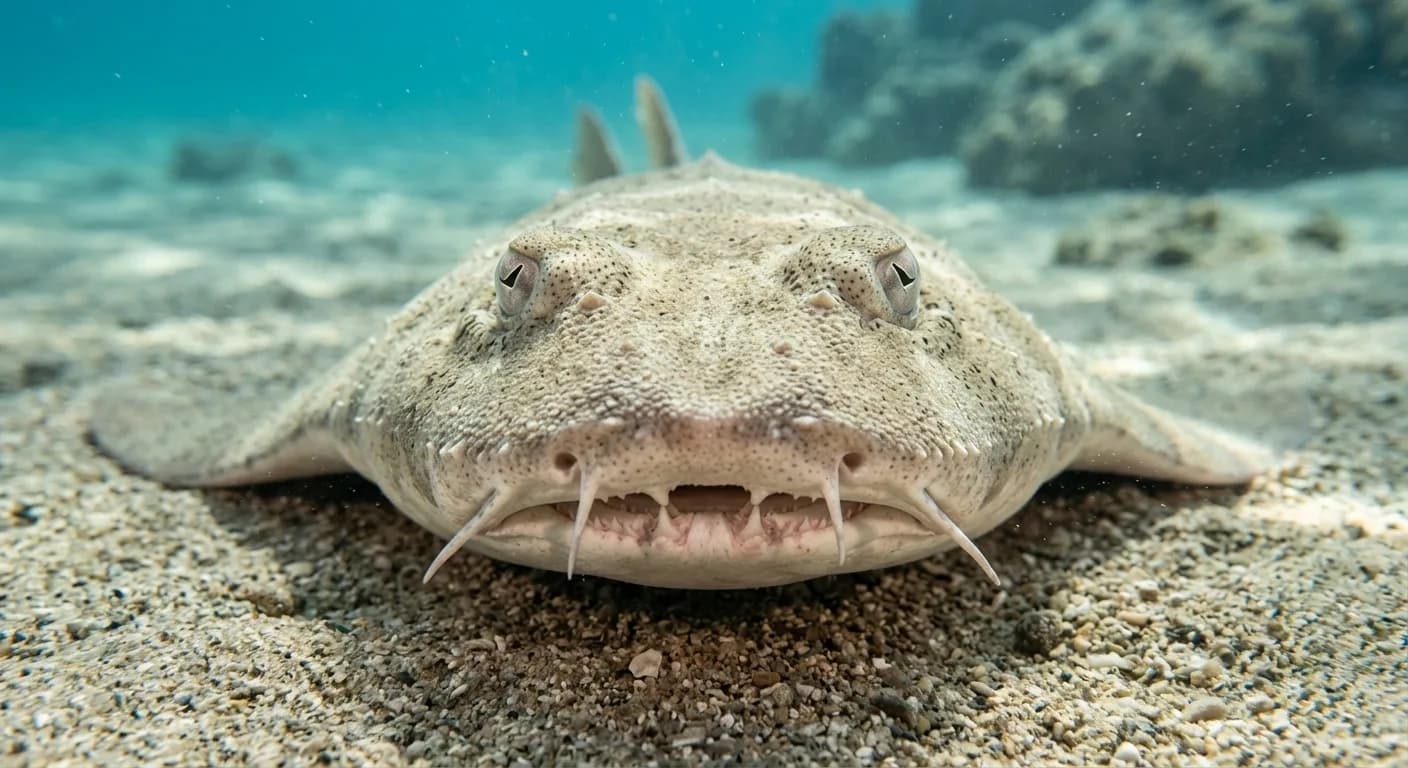 Critically Endangered
Angelshark
Squatina squatina
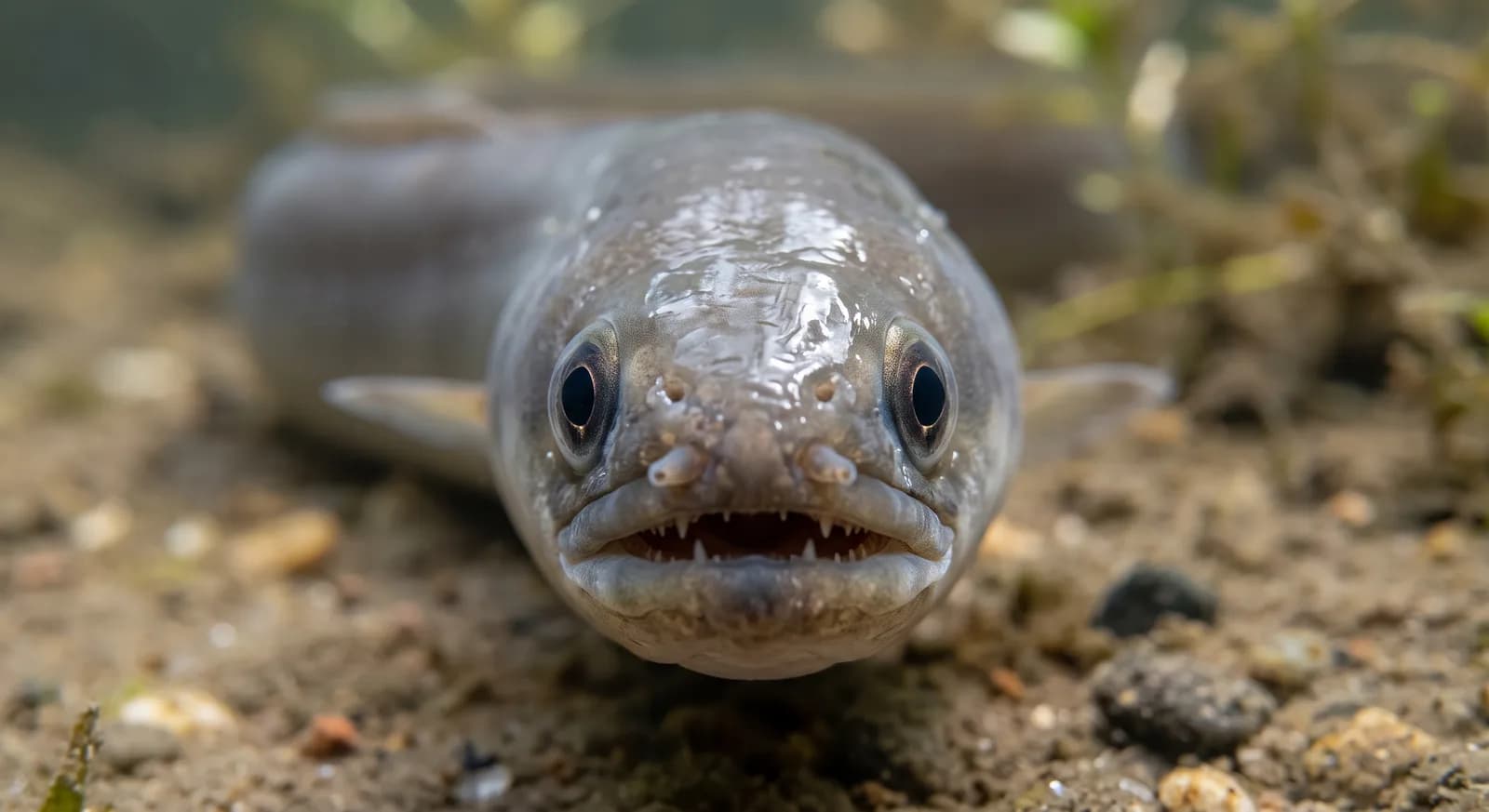 Critically Endangered
European Eel
Anguilla anguilla
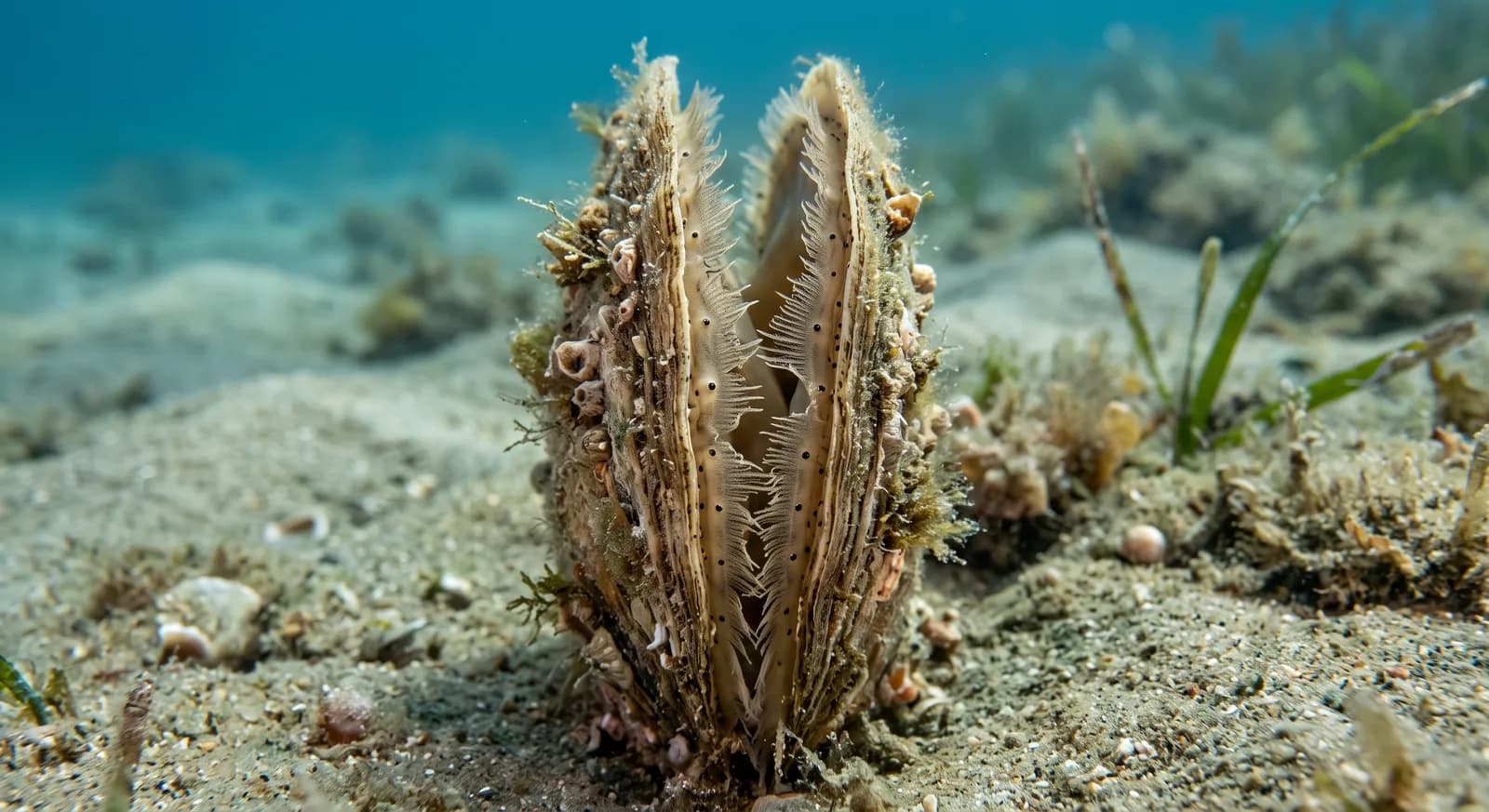 Critically Endangered
Fan Mussel
Pinna nobilis
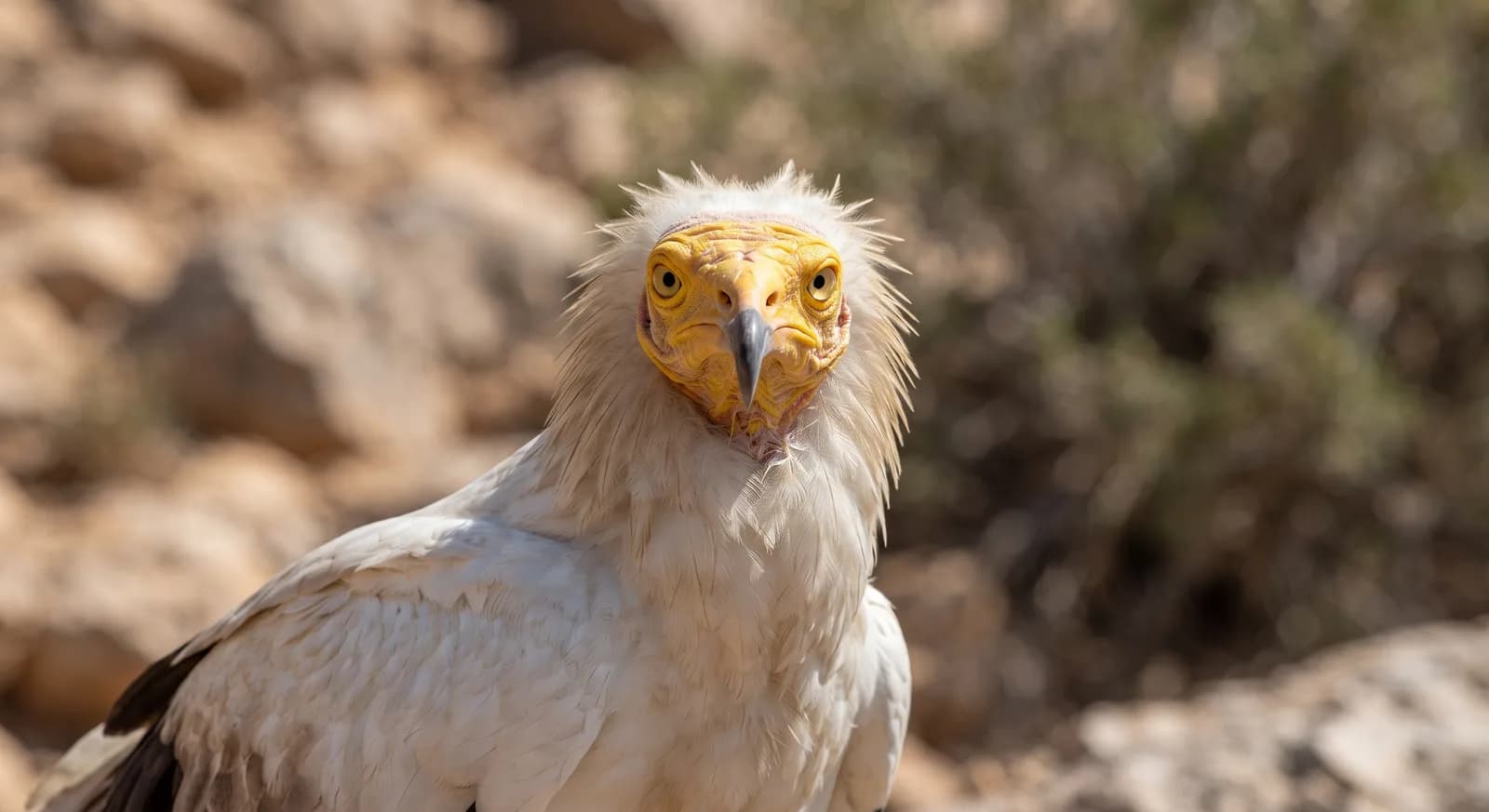 Endangered
Egyptian Vulture
Neophron percnopterus
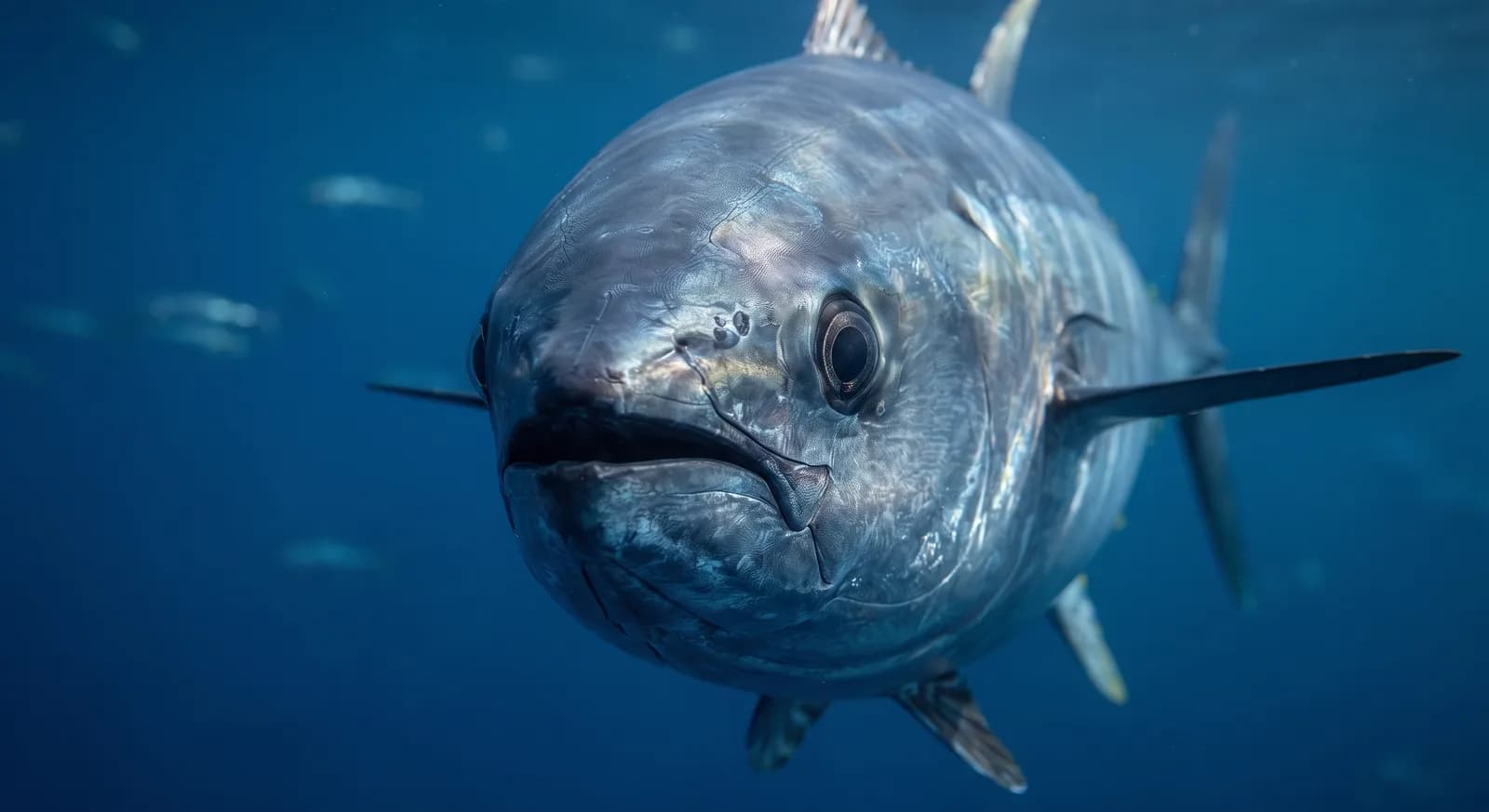 Endangered
Atlantic Bluefin Tuna
Thunnus thynnus
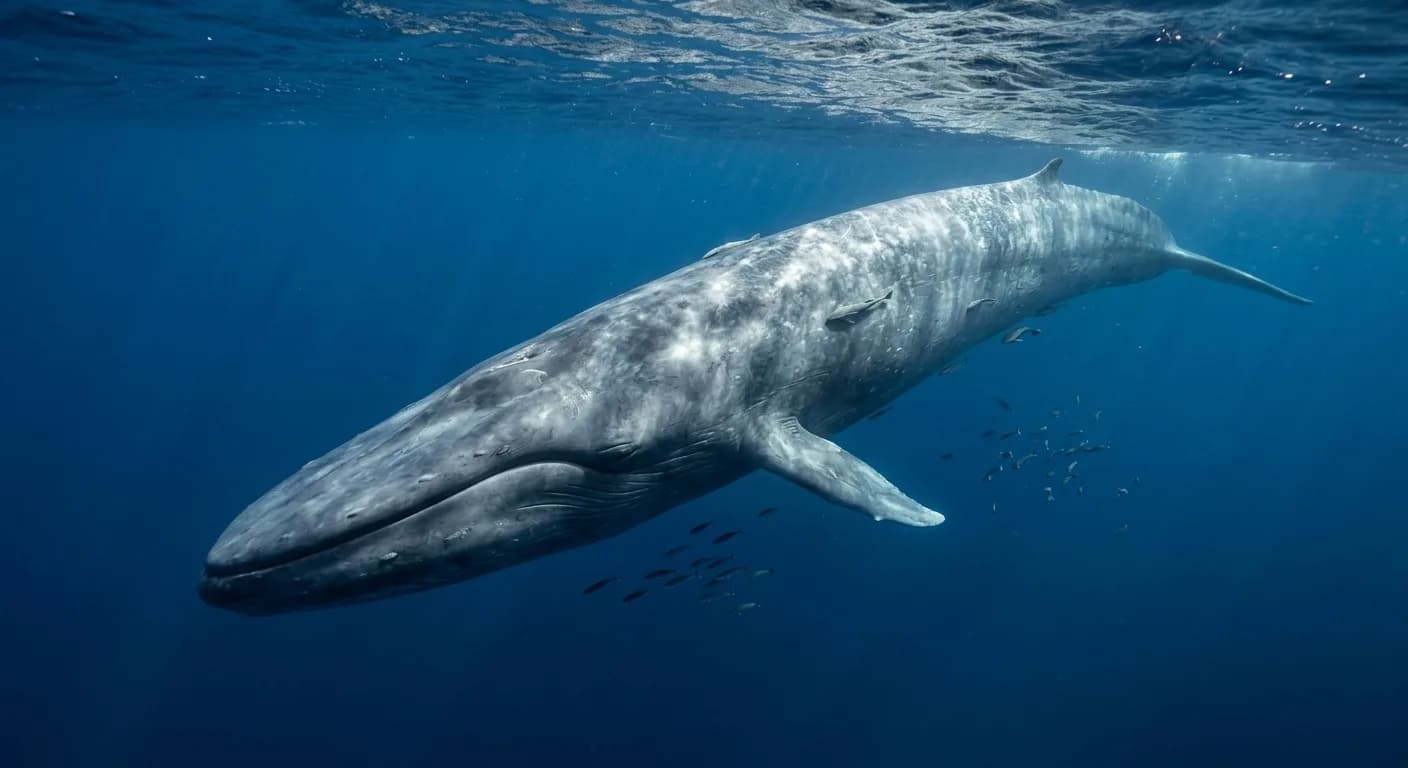 Endangered
Blue Whale
Balaenoptera musculus
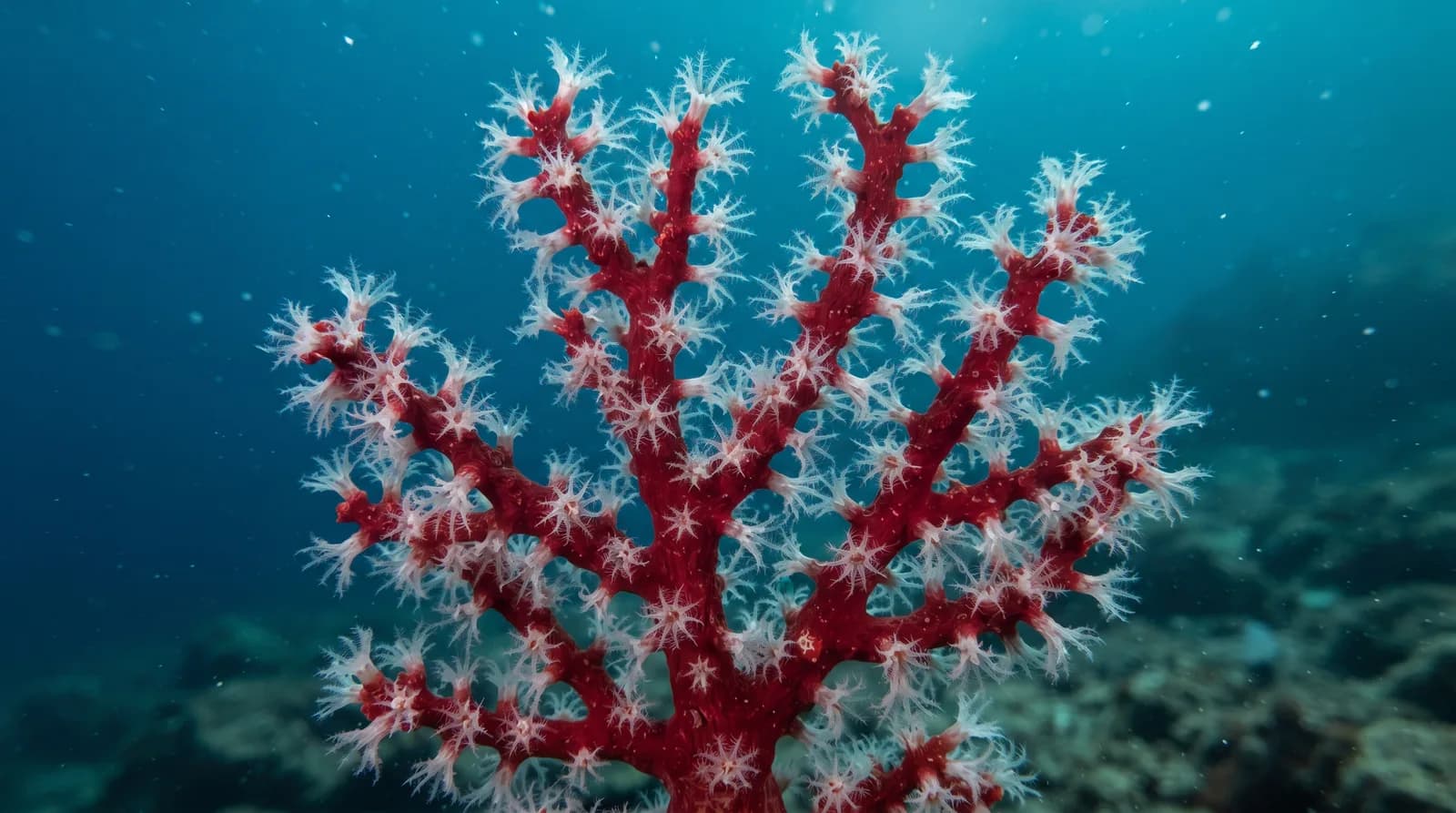 Endangered
Red Coral
Corallium rubrum
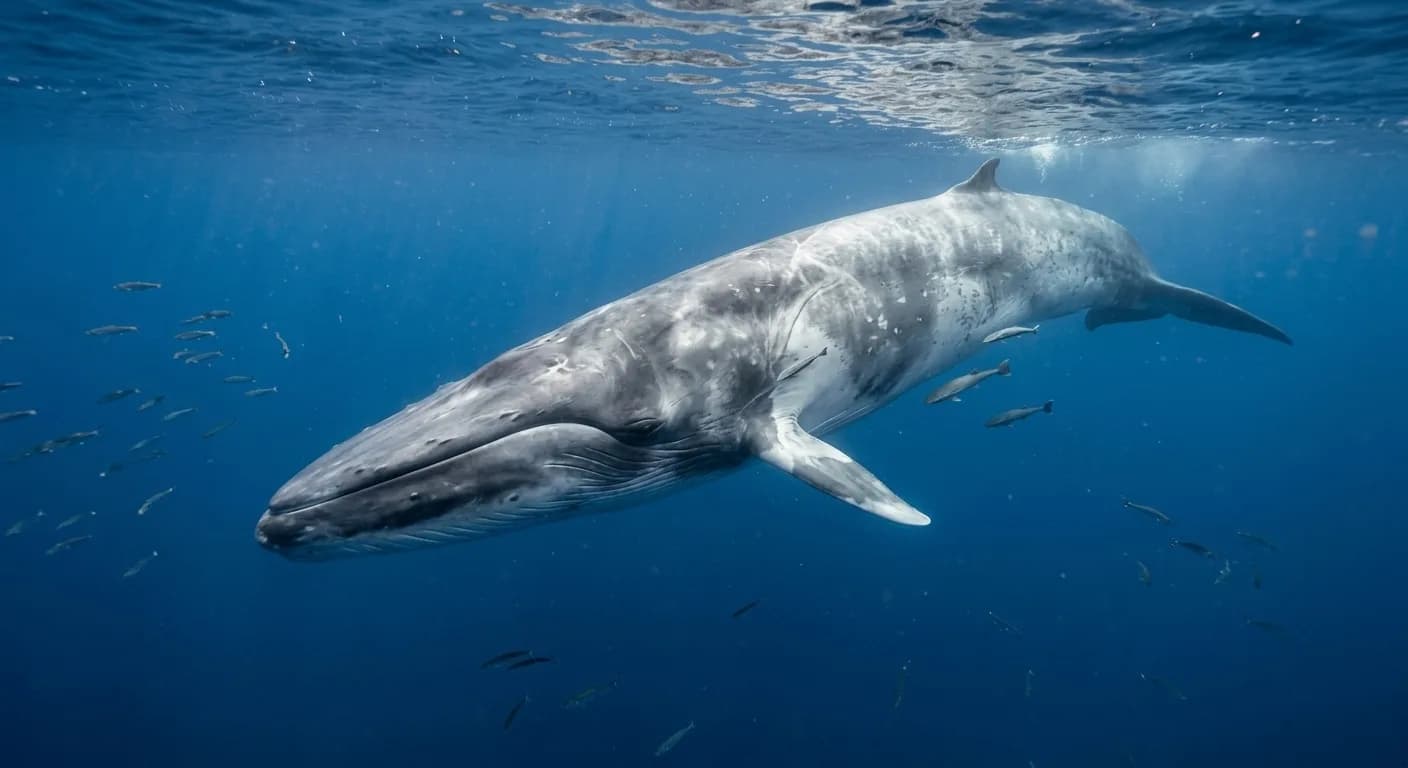 Endangered
Fin Whale
Balaenoptera physalus
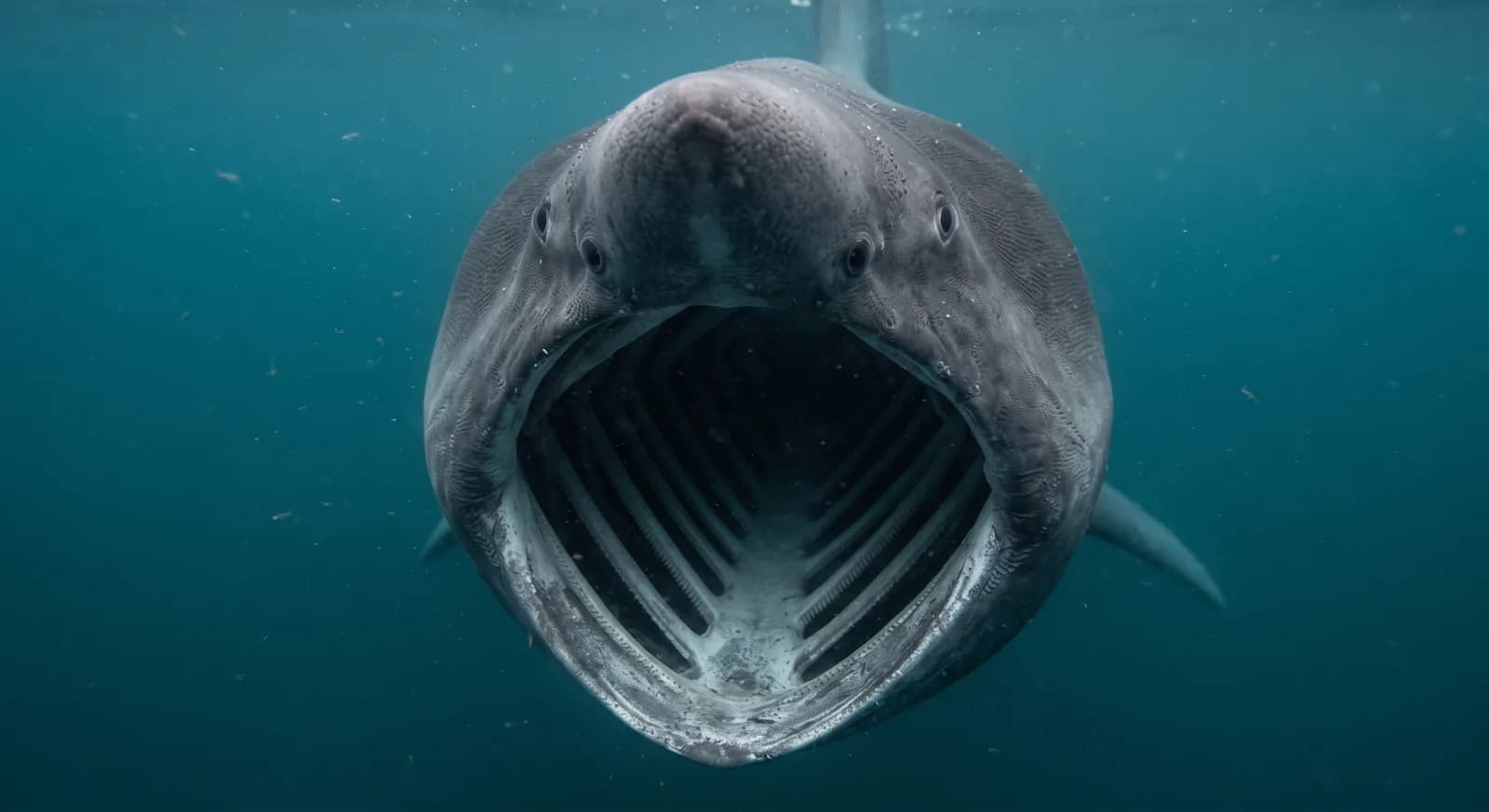 Endangered
Basking Shark
Cetorhinus maximus
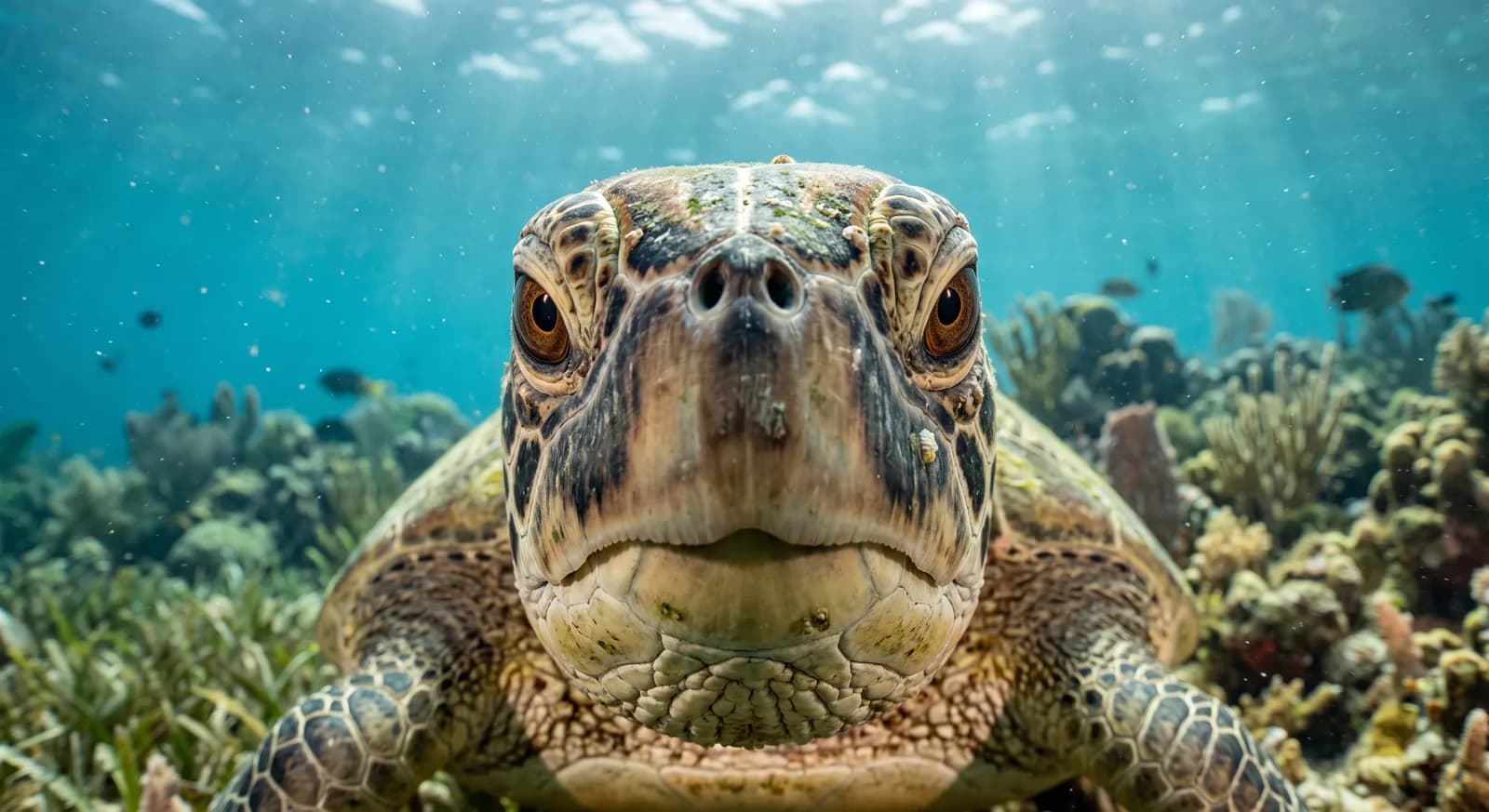 Endangered
Green Turtle
Chelonia mydas
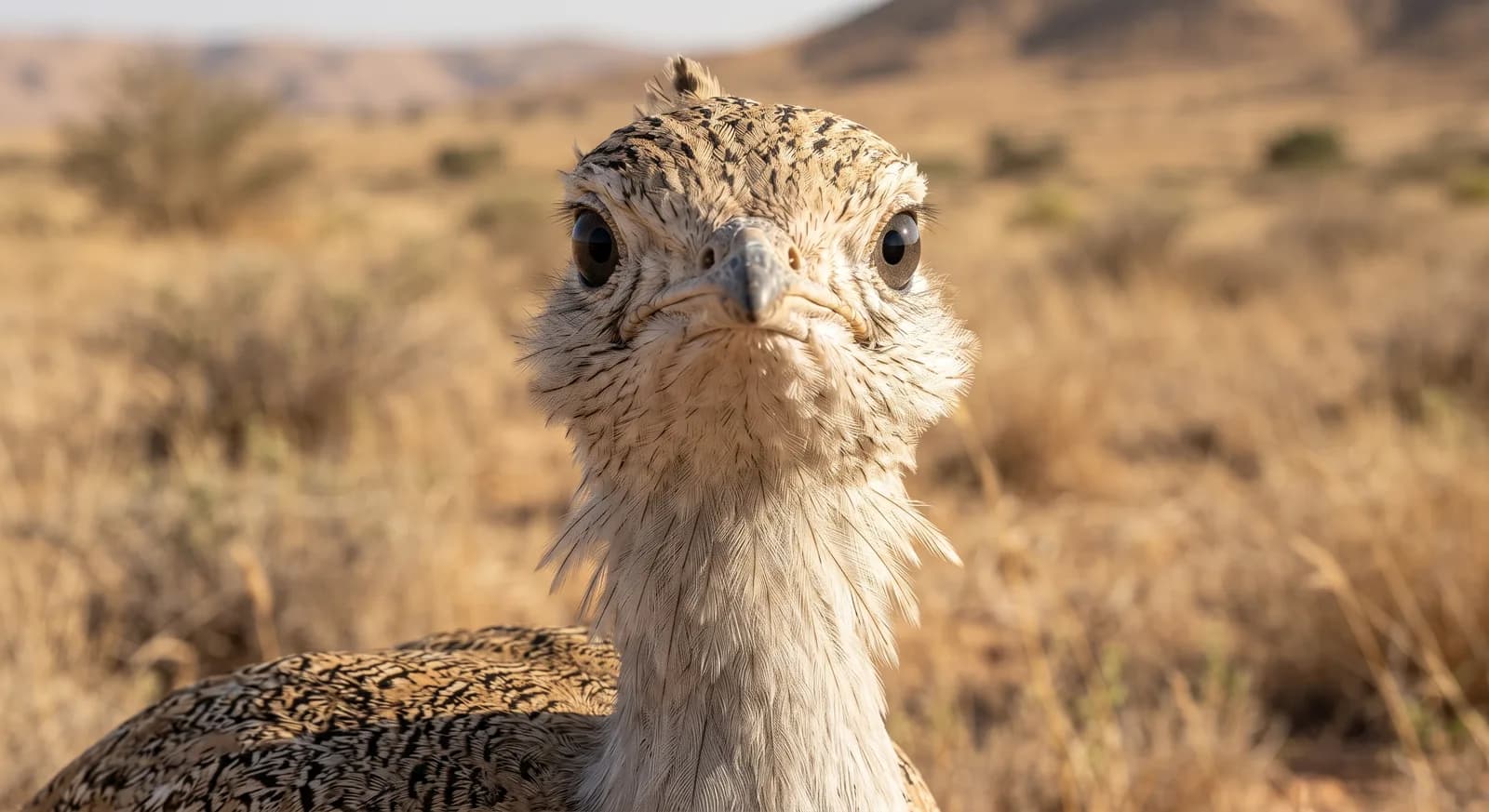 Vulnerable
Houbara Bustard
Chlamydotis undulata
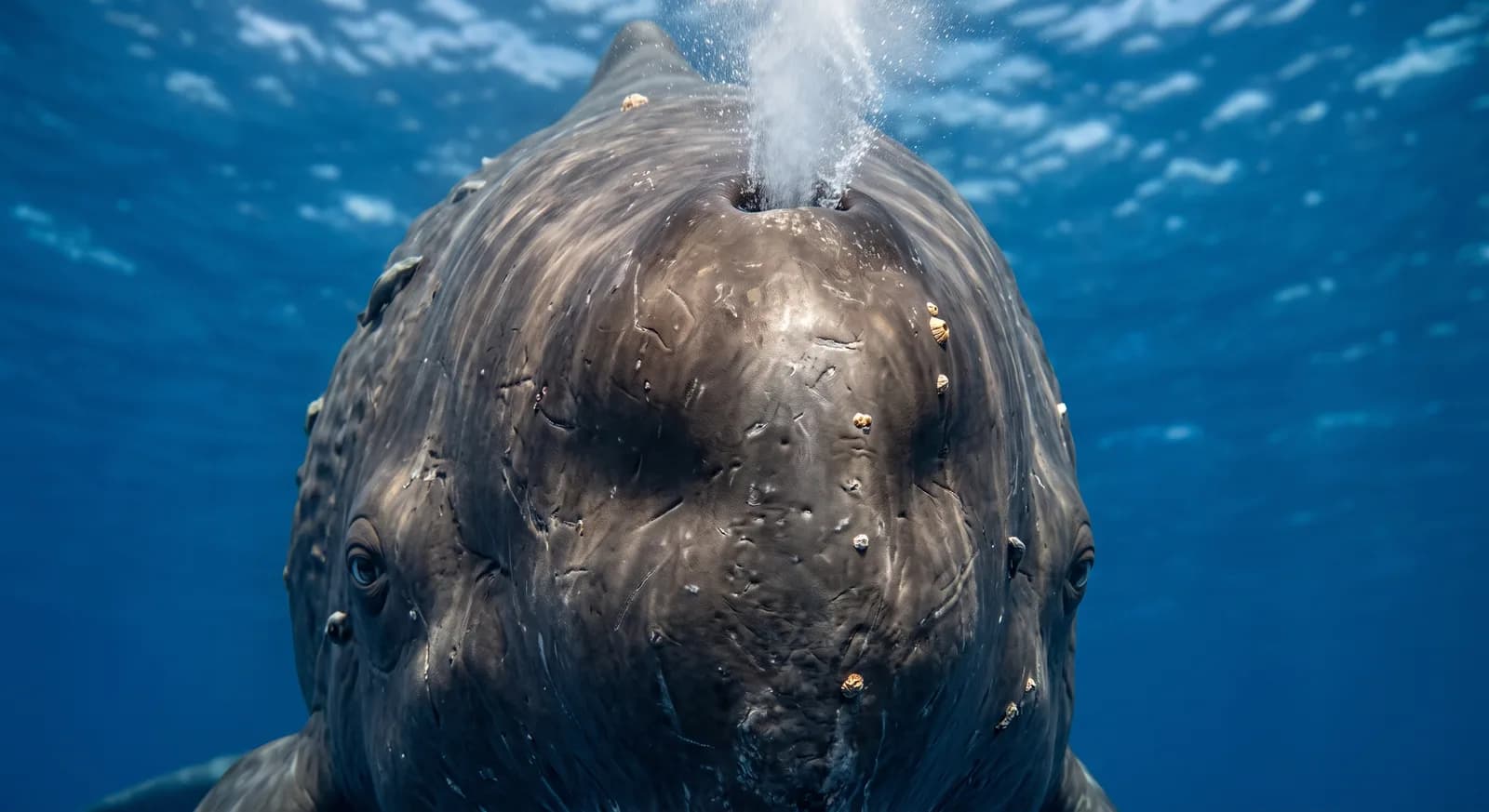 Vulnerable
Sperm Whale
Physeter macrocephalus
Keep exploring
Based on what we already know about Lebanon.