One of the 2 dormouses on WAnimals
Mammals · Rodentia · Gliridae
Hazel Dormouse
Muscardinus avellanarius
The species is abundant and widely distributed; it faces no significant short-term risk. See full glossary
A tiny rodent with a stocky body and dense fur, with a striking contrast between the warm cinnamon-coloured back and the white belly. Its tail is long and bushy, unlike the scaly tail of mice. It is the only living species in the genus Muscardinus.
Weight
17 g – 40 g
Size
6 cm – 9 cm
Diet
Omnivore
Combines animal and plant food depending on availability.
Activity
Nocturnal
Active mainly at night.
Social structure
Solitary
Lives and hunts alone, joining others only to breed.
Sighting difficulty
Easy
Fun facts
- It spends most of its life asleep: it hibernates from October to April or May and, if the summer is cold and food is scarce, it also goes into torpor.
- Its specific epithet, avellanarius, comes from the hazel, its main source of fat before hibernating.
- You can tell it has eaten a hazelnut by the clean round hole it leaves in the shell: a squirrel would smash it and a vole would leave a ragged gap.
Life cycle & biology
- Skeleton type
- Vertebrate - internal bony skeleton (mammal)
- Habitat & environment
- Deciduous woodland, hedgerows and gardens of Europe and Asia Minor, from France to the Urals and from Sweden to Greece and northern Turkey. It depends on tall hedgerows well connected to woodland
- Size at birth
- The young are born naked and blind
- Sexual maturity
- In the year after the one they were born in
- Gestation / incubation
- 22 - 25 days
- Litter / clutch size
- 3-7 young as a rule, with a maximum of 9, and one or two litters a year
Sources consulted: IUCN Red List (e.T13992); Wachtendorf 1951 (tipología de nidos); Armitage et al. 2025, Oecologia; People's Trust for Endangered Species; Antropocene.it
Where to find it
See its range on the interactive mapBest time: From late April to October, outside the hibernation period
Where to watch it
Parques y spots de buceo donde se ha documentado esta especie — se muestran 10 de 165 documentados.
Related species
Other species in the catalogue with the most in common with Hazel Dormouse — same habitat, park, country, tags or family.
Fat Dormouse
Glis glis
Wood Mouse
Apodemus sylvaticus
 Least Concern
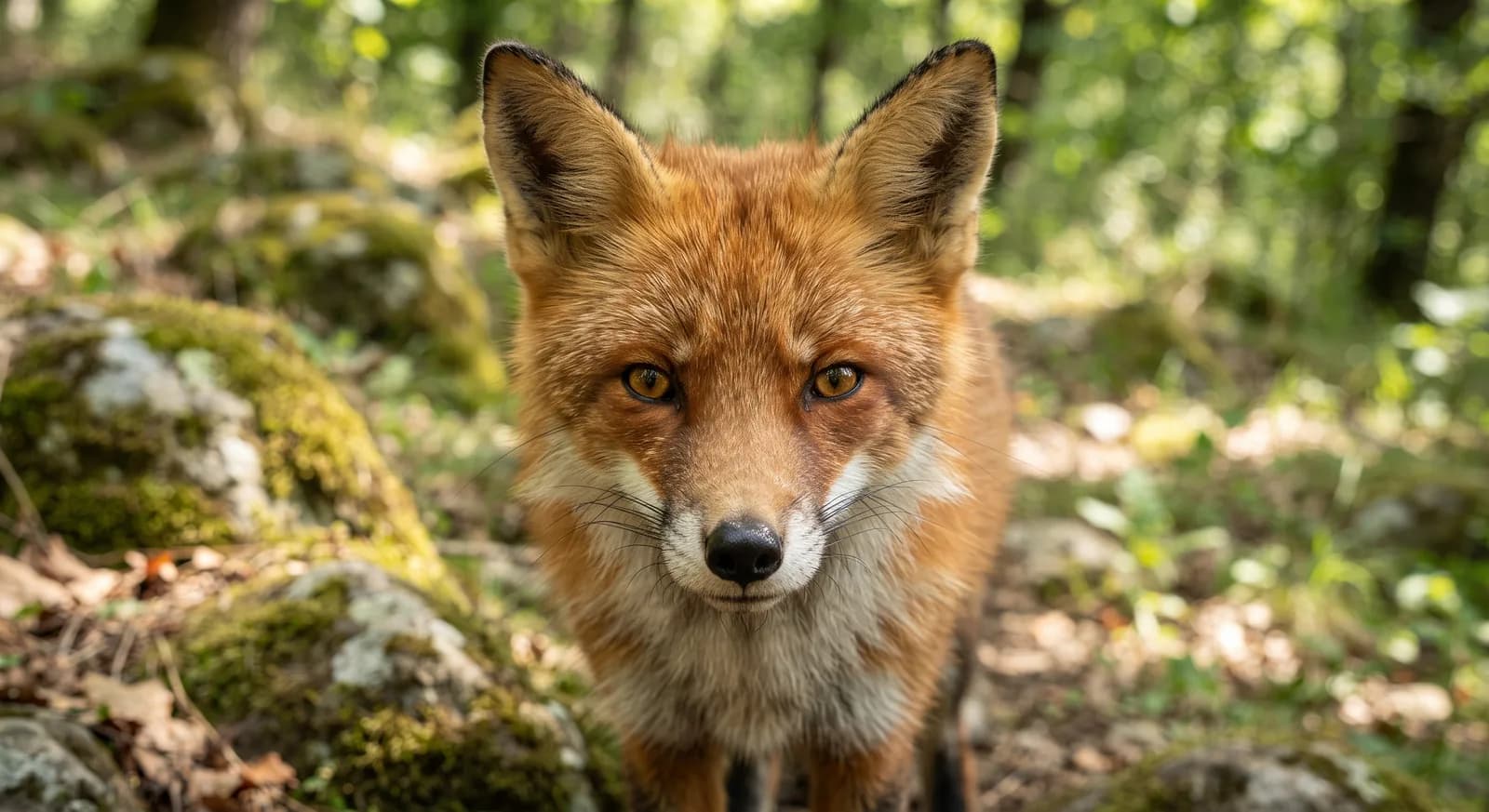
Red Fox
Vulpes vulpes
Pine Marten
Martes martes
Common Genet
Genetta genetta
Raccoon
Procyon lotor
Keep exploring
Based on what we already know about hazel dormouse.
Comments
Share an experience, a fun fact or a tip for seeing the hazel dormouse.
Be the first to comment.