Mammals · Carnivora · Viverridae
Common Genet
Genetta genetta
The species is abundant and widely distributed; it faces no significant short-term risk. See full glossary
For all that it looks like a cat, it is not closely related to one: it belongs to the family Viverridae, evolutionarily nearer the common ancestor of all modern carnivores.
Weight
1.5 kg – 3 kg
Size
40 cm – 60 cm
Lifespan
9 years
Diet
Omnivore
Combines animal and plant food depending on availability.
Activity
Nocturnal
Active mainly at night.
Social structure
Solitary
Lives and hunts alone, joining others only to breed.
Sighting difficulty
Easy
Fun facts
- For all that it looks like a cat, it belongs to the family Viverridae, not to the cats.
- It was introduced to Europe from Africa, possibly by the Phoenicians or the Arabs.
- It eats small mammals, birds, insects, fruit and fungi.
- taxonomíaIt looks like a cat but is more closely related to mongooses and civets; in parts of Africa it has been partly tamed to keep rodents down.
- locomociónIt climbs and moves along slender branches with great agility, using its long tail as a counterweight even though it is not prehensile.
Life cycle & biology
- Skeleton type
- Vertebrate - internal bony skeleton (mammal)
- Habitat & environment
- Mediterranean woodland, scrub and rocky ground of the Iberian Peninsula, North Africa and much of sub-Saharan Africa
- Birth weight
- 60 - 85 grams
- Size at birth
- Blind and wholly helpless at birth
- Sexual maturity
- 2 years (though some sources suggest maturity may come earlier)
- Gestation / incubation
- 10-11 weeks (~70-77 days)
- Litter / clutch size
- 1 to 4 young per litter (most commonly 2-3), up to 2 litters per year
- Lifespan in captivity
- Documented record of 22.7 years in captivity
Sources consulted: AnAge (genomics.senescence.info); Potawatomi Zoo; The Animal Facts; Animal Diversity Web; AnimalHub; Animalia.bio; Wikipedia (Common genet)
Where to find it
See its range on the interactive mapBest time: All year round, at night; in the Iberian Peninsula it is readily detected by its communal latrines on rocks, logs and branches.
Where to watch it
Parques y spots de buceo donde se ha documentado esta especie — se muestran 10 de 54 documentados.
Related species
Other species in the catalogue with the most in common with Common Genet — same habitat, park, country, tags or family.
Lesser Egyptian Jerboa
Jaculus jaculus
Fat Dormouse
Glis glis
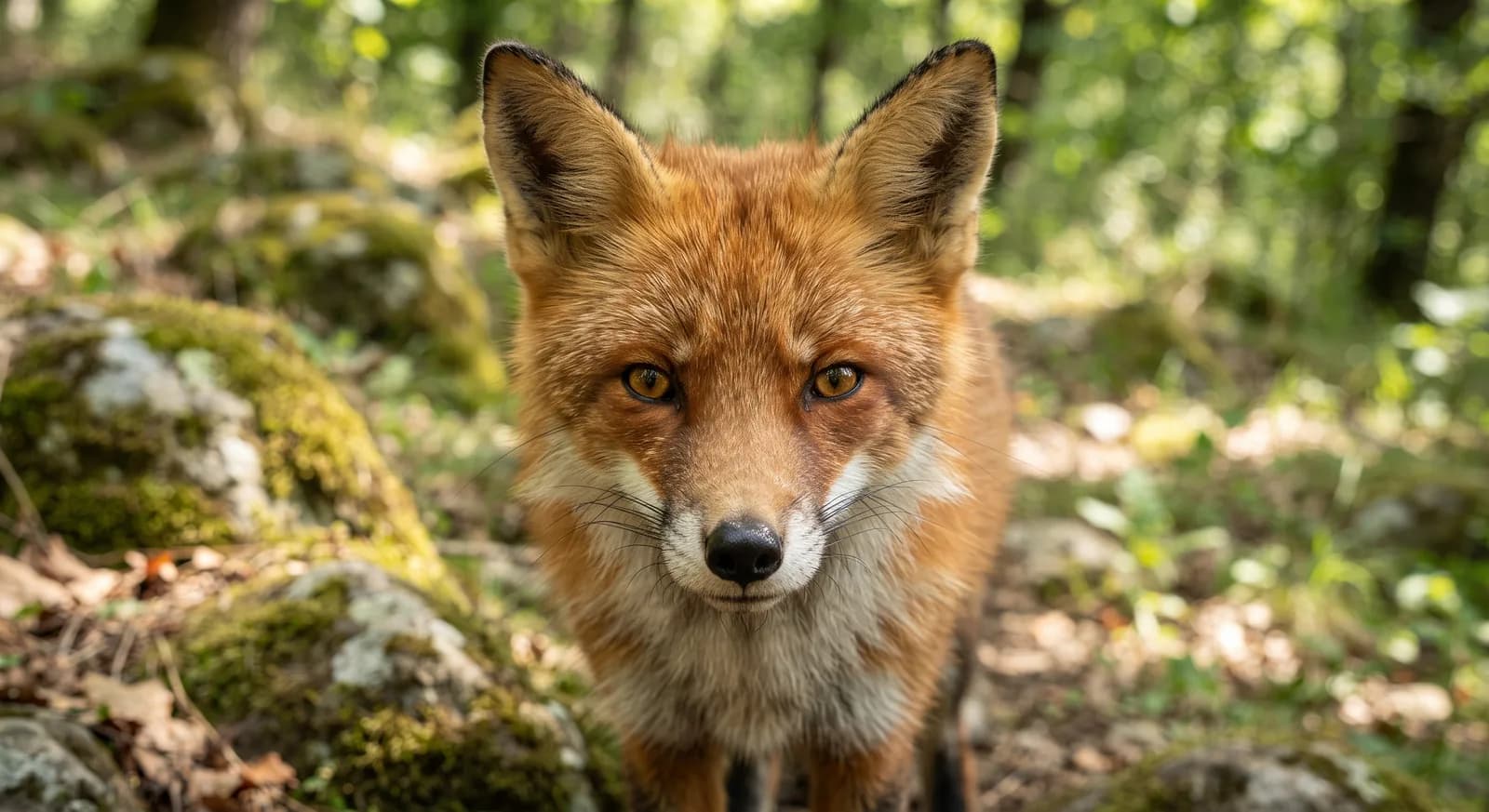 Least Concern
Red Fox
Vulpes vulpes
Pine Marten
Martes martes
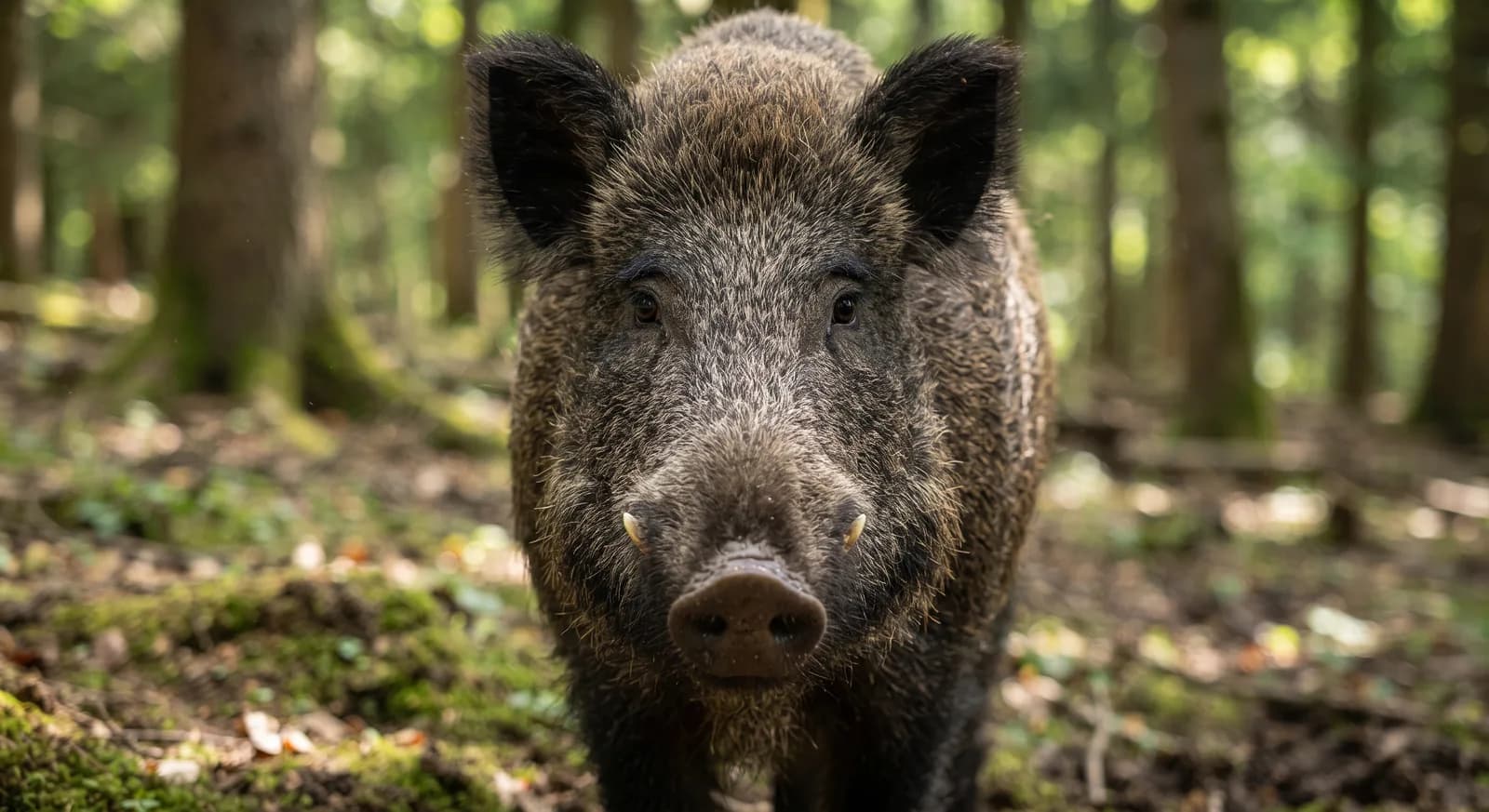 Least Concern
Wild Boar
Sus scrofa
Polecat
Mustela putorius
Keep exploring
Based on what we already know about common genet.
Comments
Share an experience, a fun fact or a tip for seeing the common genet.
Be the first to comment.