One of the 3 jerboas on WAnimals
Mammals · Rodentia · Dipodidae
Lesser Egyptian Jerboa
Jaculus jaculus
The species is abundant and widely distributed; it faces no significant short-term risk. See full glossary
It can leap as far as 1.5 metres at full speed, covering up to 10 kilometres in a single night's foraging. It digs spiral burrows with several hidden exits, as much as 1.2 metres deep.
Weight
43 g – 73 g
Size
9.5 cm – 11 cm
Lifespan
4 years
Diet
Herbivore
Feeds mainly on plants.
Activity
Nocturnal
Active mainly at night.
Social structure
Solitary
Lives and hunts alone, joining others only to breed.
Sighting difficulty
Easy
Fun facts
- locomociónIt bounds on its long hind legs much like a small kangaroo, reaching considerable speed to escape night predators.
Life cycle & biology
- Skeleton type
- Vertebrate - internal bony skeleton (mammal)
- Habitat & environment
- Sand and gravel deserts of North Africa, the Arabian Peninsula and parts of Central Asia
- Birth weight
- Exact weight at birth not found as a precise figure
- Size at birth
- Born naked, with fore and hind limbs of equal length (unlike the adult), dragging itself along on its forelegs for the first few weeks
- Sexual maturity
- 8-12 months
- Gestation / incubation
- Varies by source (the figures do not agree; possibly between 25 and 40 days)
- Litter / clutch size
- 2 to 5 young per litter (3 most often), at least twice a year
- Lifespan in captivity
- Documented record of up to 6-7.3 years in captivity
Sources consulted: AnAge; Animalia.bio; Animal Diversity Web; Website of Everything; Encyclopedia of Life; Wikipedia; PMC
Where to find it
See its range on the interactive mapBest time: All year round in the Sahara, the Middle East and Arabia, at night; its leaps and its two-footed trail are unmistakable on the sand.
Where to watch it
Parques y spots de buceo donde se ha documentado esta especie — se muestran 10 de 26 documentados.
Related species
Other species in the catalogue with the most in common with Lesser Egyptian Jerboa — same habitat, park, country, tags or family.
Long-eared Jerboa
Euchoreutes naso
Common Genet
Genetta genetta
 Least Concern
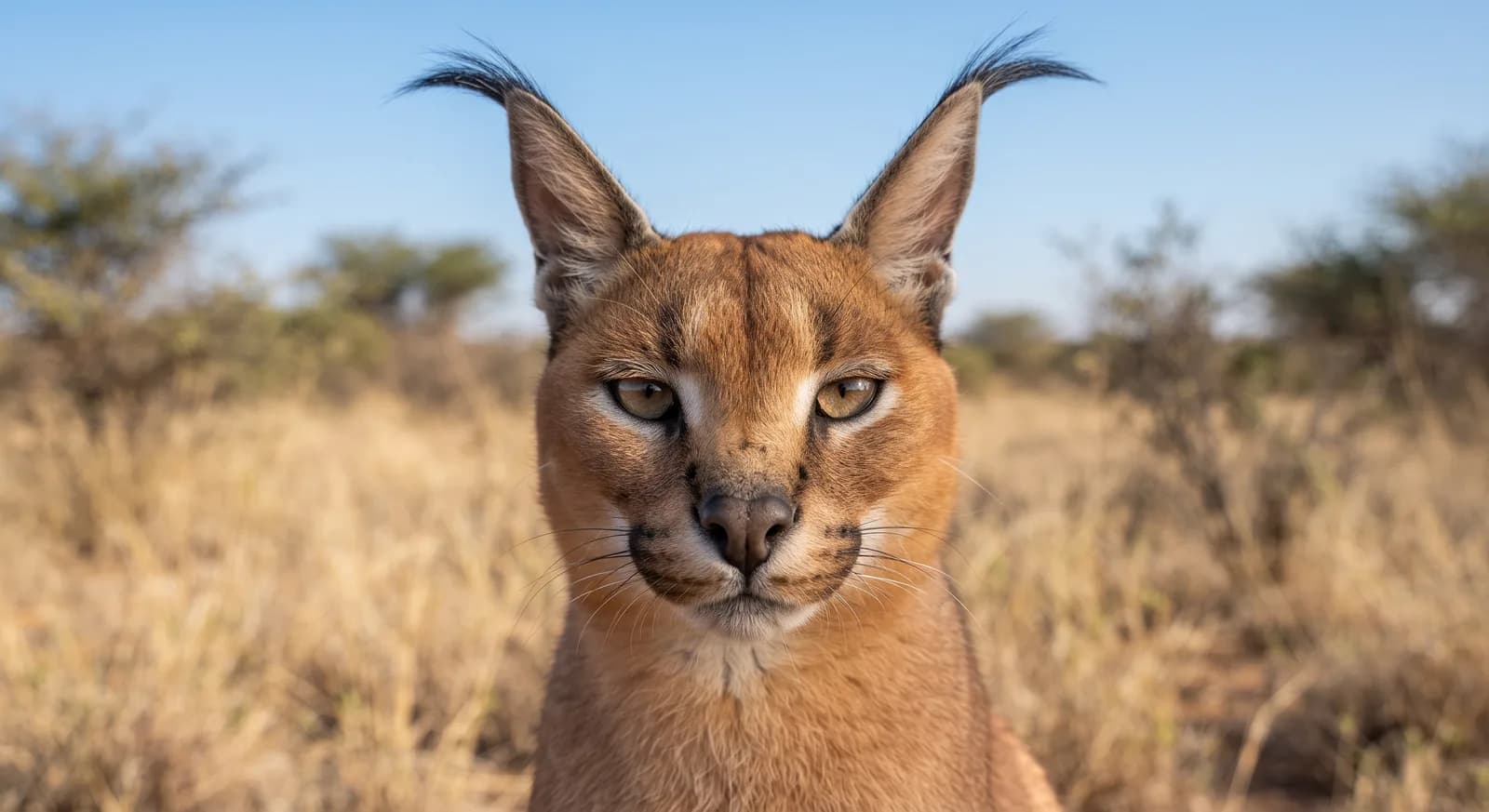
Caracal
Caracal caracal
Sand Cat
Felis margarita
 Least Concern
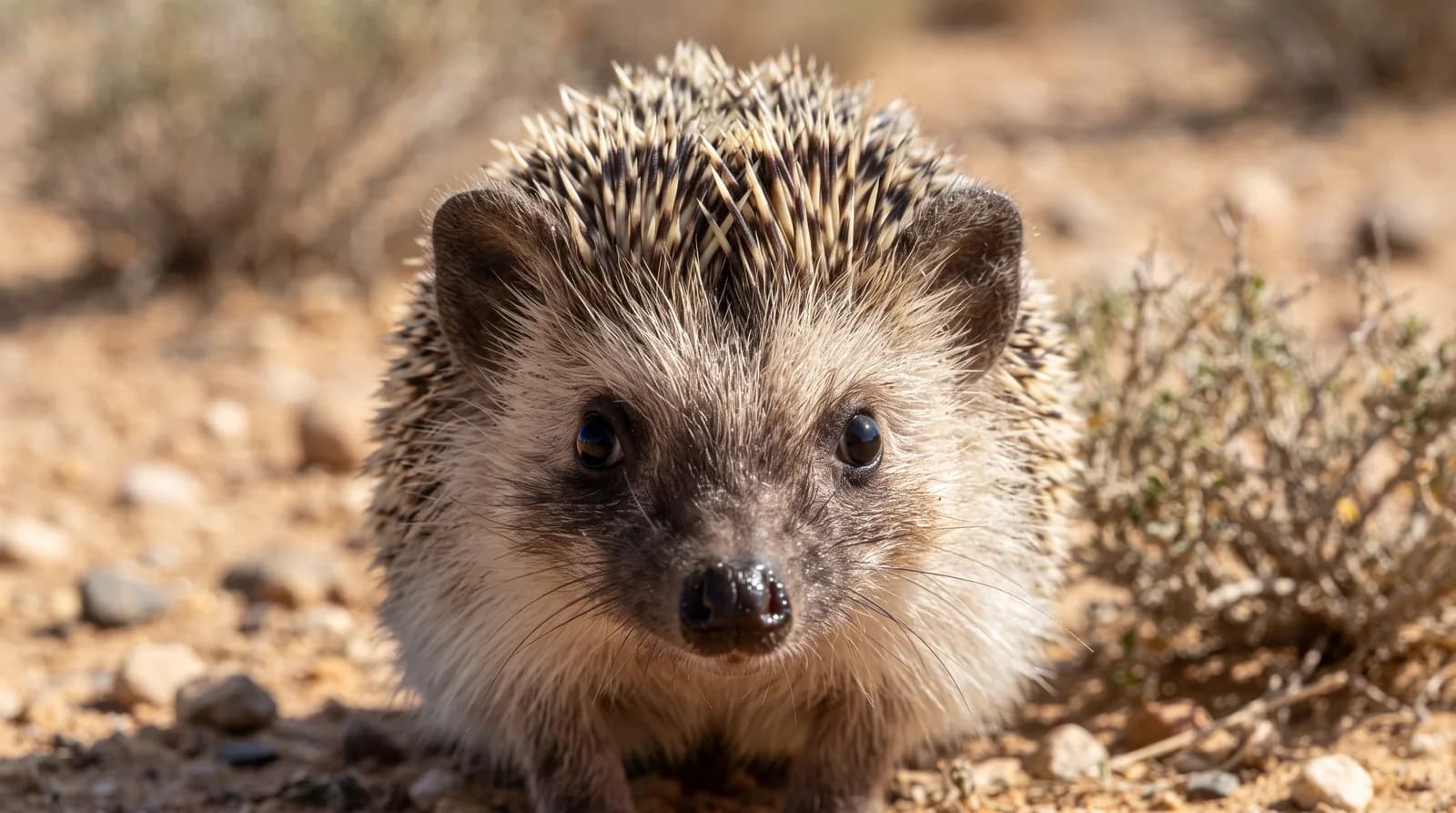
Desert Hedgehog
Paraechinus aethiopicus
North African Hedgehog
Atelerix algirus
Keep exploring
Based on what we already know about lesser egyptian jerboa.
Comments
Share an experience, a fun fact or a tip for seeing the lesser egyptian jerboa.
Be the first to comment.