One of the 3 jerboas on WAnimals
Mammals · Rodentia · Dipodidae
Long-eared Jerboa
Euchoreutes naso
The species is abundant and widely distributed; it faces no significant short-term risk. See full glossary
The long-eared jerboa is a nocturnal rodent of the Gobi and Taklamakan deserts, so distinctive that it occupies an entire genus and subfamily on its own. It moves in hops on disproportionately large hind legs, the soles covered in stiff bristles that give it traction on loose sand, and uses its long, tufted tail as a counterweight. It hunts insects by leaping onto them in mid-air, guided by hearing. It is one of the hundred EDGE priority species for its evolutionary distinctiveness.
Weight
24 g – 38 g
Size
7 cm – 9 cm
Diet
Insectivore
Feeds mainly on insects and other invertebrates.
Activity
Nocturnal
Active mainly at night.
Social structure
Solitary
Lives and hunts alone, joining others only to breed.
Sighting difficulty
Easy
Fun facts
- It has the largest ears in proportion to the body of any mammal: they are about a third of its body length.
- It was not filmed alive in the wild until 2007, on a Zoological Society of London expedition to the Gobi Desert.
Life cycle & biology
- Skeleton type
- Vertebrate - internal bony skeleton (mammal)
- Habitat & environment
- Sandy valleys with low scrub in the deserts of Mongolia and north-west China
Sources consulted: https://www.iucnredlist.org/ | https://animaldiversity.org/ | https://es.wikipedia.org/
Where to find it
See its range on the interactive mapBest time: All year round in the deserts of Mongolia and north-western China, at night; it is very scarce and rarely seen.
Where to watch it
Parks and dive sites where this species has been documented.
Related species
Other species in the catalogue with the most in common with Long-eared Jerboa — same habitat, park, country, tags or family.
Lesser Egyptian Jerboa
Jaculus jaculus
Long-eared Hedgehog
Hemiechinus auritus
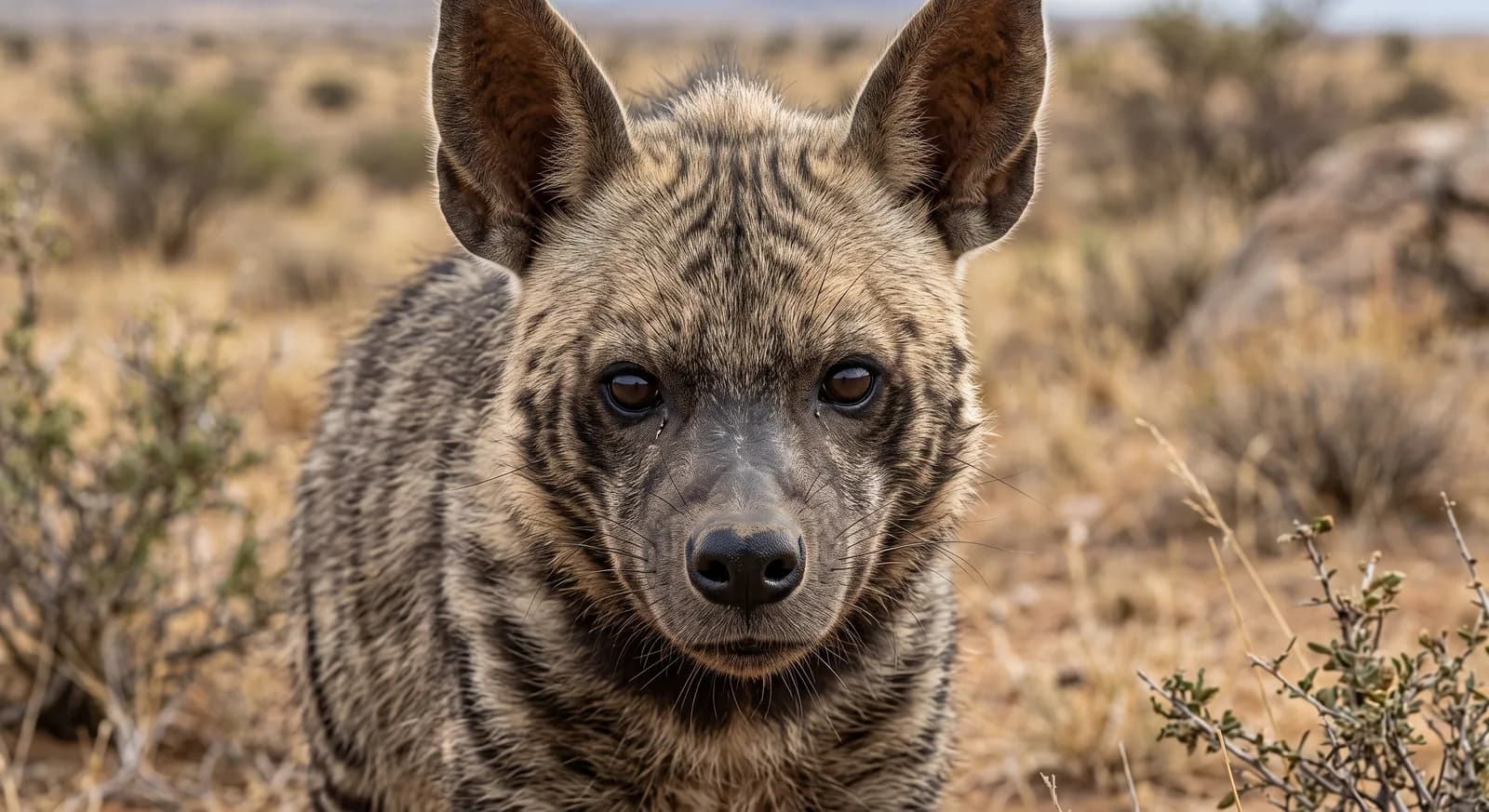 Near Threatened
Striped Hyaena
Hyaena hyaena
Pallas' Cat
Otocolobus manul
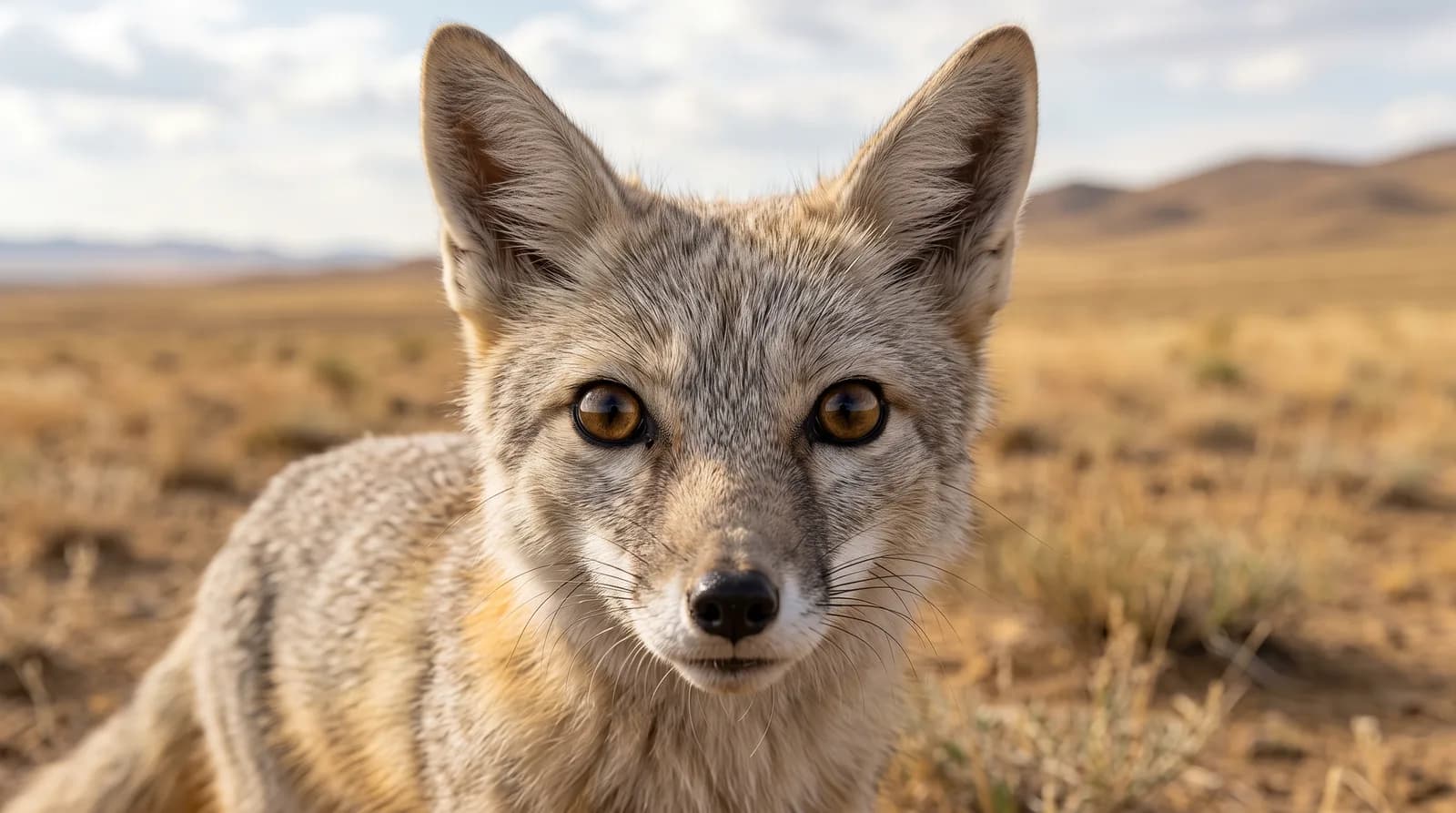 Least Concern
Corsac Fox
Vulpes corsac
Indian Crested Porcupine
Hystrix indica
Keep exploring
Based on what we already know about long-eared jerboa.
Comments
Share an experience, a fun fact or a tip for seeing the long-eared jerboa.
Be the first to comment.