One of the 2 wild pigs on WAnimals
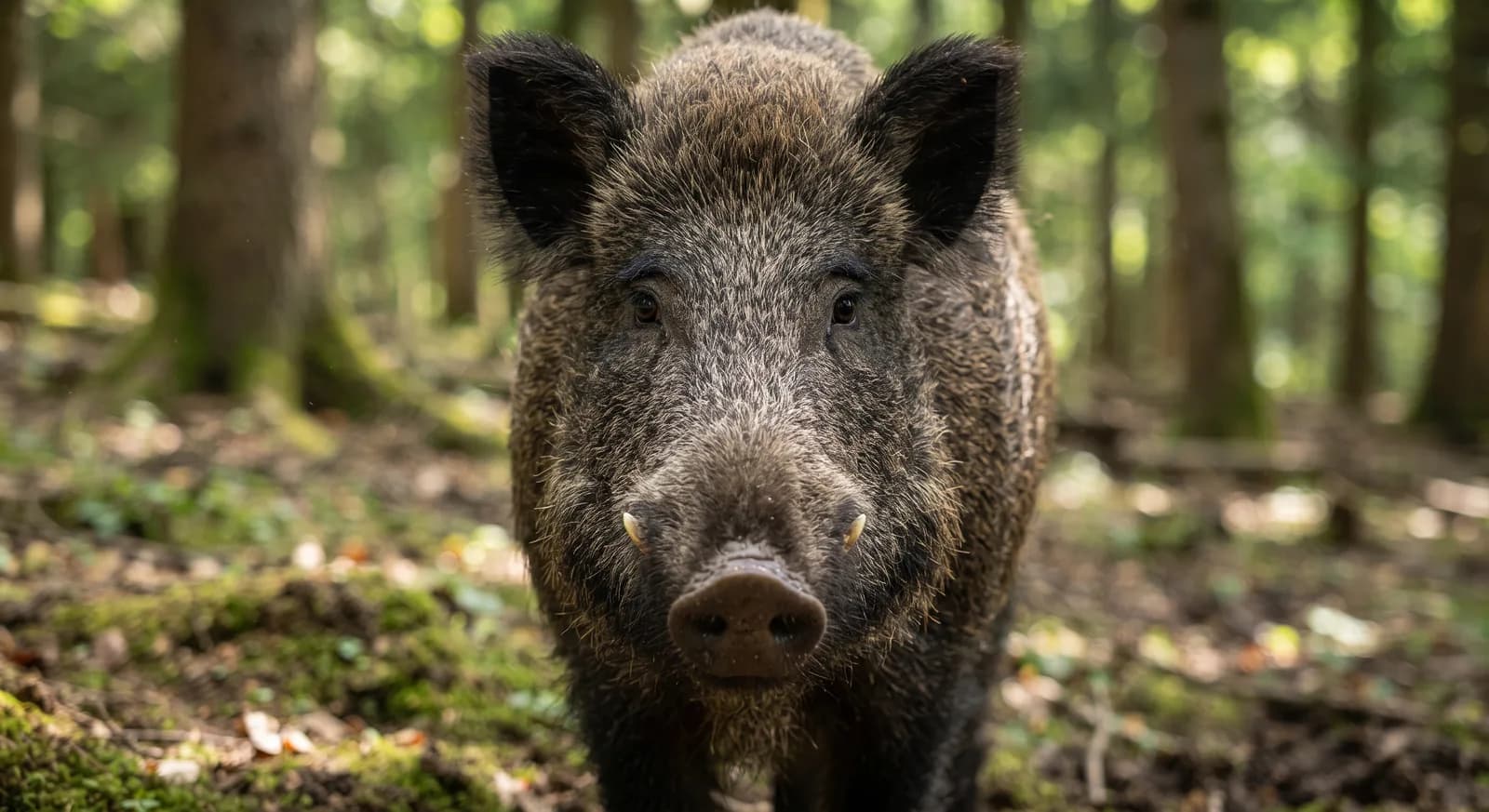
Mammals · Artiodactyla · Suidae
Wild Boar
Sus scrofa
The species is abundant and widely distributed; it faces no significant short-term risk. See full glossary
It is the wild ancestor of every domestic pig in the world. Its piglets are born with a distinctive pattern of light and dark stripes that works as camouflage.
Weight
45 kg – 200 kg
Size
1 m – 2 m
Lifespan
11 years
Diet
Omnivore
Combines animal and plant food depending on availability.
Activity
Nocturnal
Active mainly at night.
Social structure
Herd
Lives in large groups as a strategy against predators.
Sighting difficulty
Easy
Fun facts
- It is the wild ancestor of every domestic pig in the world.
- Its piglets are born with a striped pattern that works as camouflage and fades at 3 to 4 months.
- It is an opportunistic omnivore, feeding on roots, bulbs, seeds and carrion.
- sentidosIt has an extraordinarily keen sense of smell that lets it detect food buried more than 20 centimetres underground.
- locomociónIt can swim considerable distances between islands near the coast, and has colonised several Mediterranean islands naturally in this way.
Life cycle & biology
- Skeleton type
- Vertebrate - internal bony skeleton (mammal)
- Habitat & environment
- Forests, scrubland and wetlands of Eurasia and North Africa, and widely introduced across the Americas and Oceania
- Birth weight
- 0.4-0.8 kg at birth, with the characteristic longitudinal stripes that fade at 3 to 4 months
- Size at birth
- 0.4-0.8 kg at birth
- Sexual maturity
- Female: ~1 year | Male: ~2 years (though it rarely breeds successfully before the age of 5)
- Gestation / incubation
- 108-120 days
- Litter / clutch size
- 4 to 6 piglets per litter (up to 10-12 in good conditions)
- Lifespan in captivity
- Documented record of up to 27 years in one subspecies
Sources consulted: Animal Diversity Web; A-Z Animals; AnAge (genomics.senescence.info); BioKIDS; AAAC Wildlife Removal; Animalia.bio; Animal Kingdom; Wiley (birth rate offspring survival study); PMC (puberty female wild boar study)
Where to find it
See its range on the interactive mapWhere to watch it
Parques y spots de buceo donde se ha documentado esta especie — se muestran 10 de 86 documentados.
Related species
Other species in the catalogue with the most in common with Wild Boar — same habitat, park, country, tags or family.
Fat Dormouse
Glis glis
 Least Concern
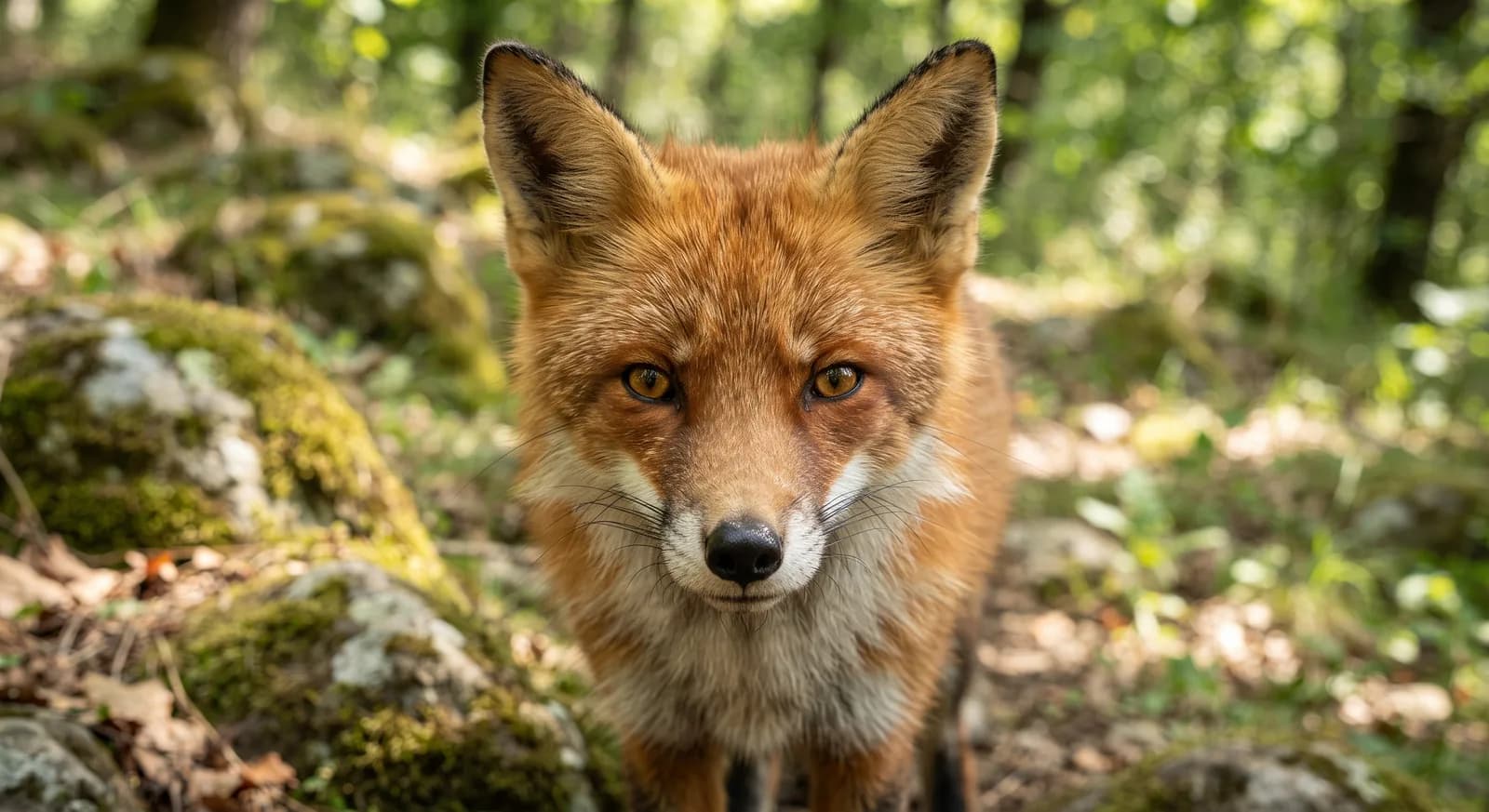
Red Fox
Vulpes vulpes
 Least Concern
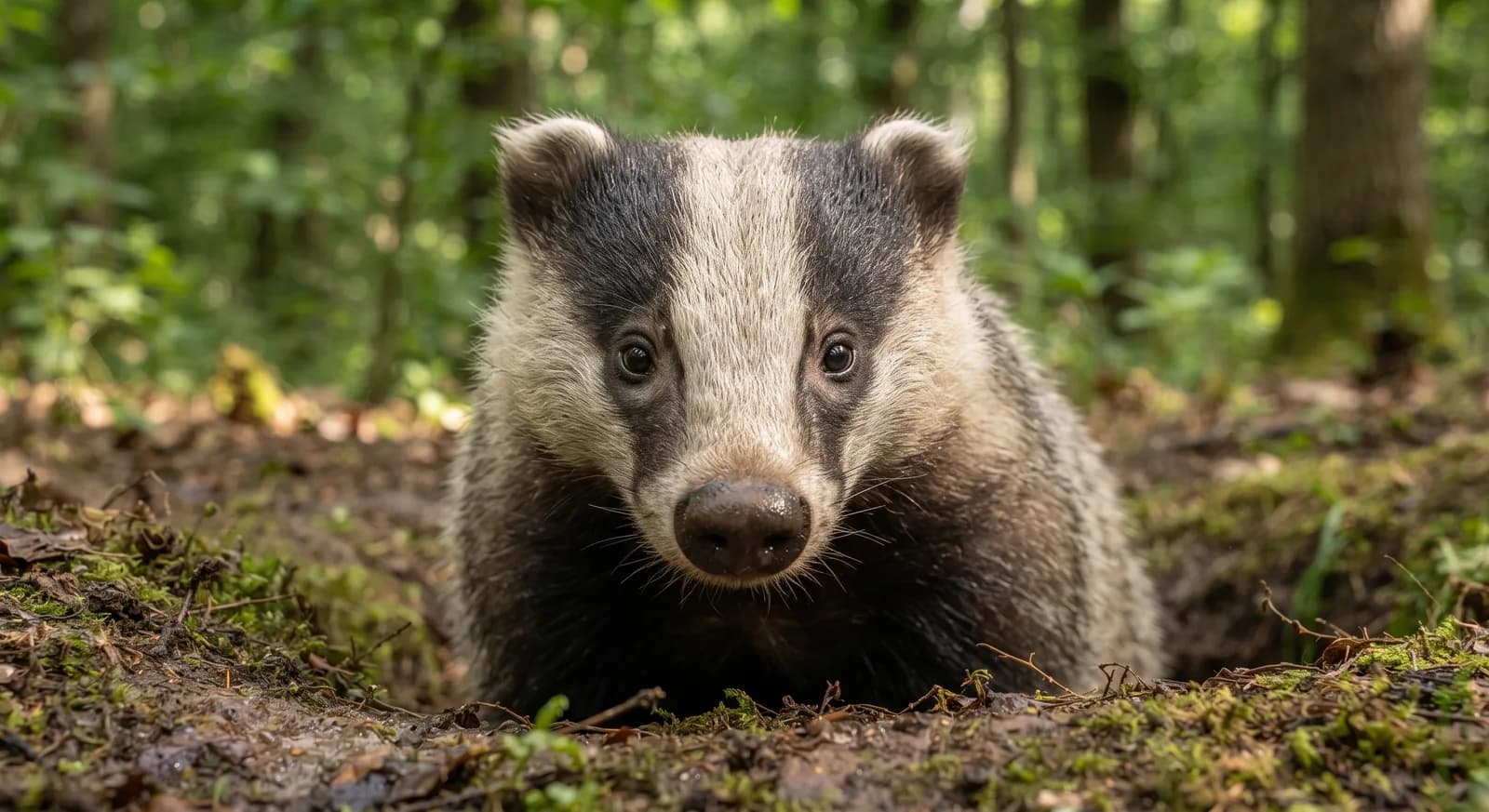
Eurasian Badger
Meles meles
Pine Marten
Martes martes
Common Genet
Genetta genetta
Raccoon
Procyon lotor
Keep exploring
Based on what we already know about wild boar.
Comments
Share an experience, a fun fact or a tip for seeing the wild boar.
Be the first to comment.