One of the 2 raccoons on WAnimals
Mammals · Carnivora · Procyonidae
Raccoon
Procyon lotor
The species is abundant and widely distributed; it faces no significant short-term risk. See full glossary
Its scientific name, lotor, means literally 'the washer', after its characteristic habit of handling and wetting its food with extraordinarily sensitive front paws.
Weight
1.8 kg – 10.4 kg
Size
60.3 cm – 90.5 cm
Lifespan
3 years
Diet
Omnivore
Combines animal and plant food depending on availability.
Activity
Nocturnal
Active mainly at night.
Social structure
Solitary
Lives and hunts alone, joining others only to breed.
Sighting difficulty
Easy
Fun facts
- Its considerable intelligence and adaptability have let it colonise towns across the continent with great success.
- It eats fruit, nuts, invertebrates, eggs, rodents, frogs, fish and human refuse.
- It lives in mixed woodland, coastal marsh, mountain country and towns across North and Central America.
- sentidosIts front paws carry a very high density of touch receptors, so it can identify objects by feel almost as well as by sight.
Life cycle & biology
- Skeleton type
- Vertebrate - internal bony skeleton (mammal)
- Habitat & environment
- Mixed woodland, coastal marsh, mountain country and towns across North and Central America
- Birth weight
- ~80 grams at birth, blind and hairless
- Size at birth
- Tiny at birth
- Sexual maturity
- Female: ~1 year | Male: ~2 years
- Gestation / incubation
- 63-65 days
- Litter / clutch size
- 2 to 7 young per litter (most commonly 3-5)
- Lifespan in captivity
- Documented record of up to 20-21 years in captivity
Sources consulted: Zoo Idaho Fact Sheet; AnAge (genomics.senescence.info); Encyclopedia MDPI; Animal Diversity Web; Raccoon Resource; Outdoor Doer; NPS; Texas Parks & Wildlife
Where to find it
See its range on the interactive mapBest time: All year round, at night; both in North America and in the introduced populations of Europe it is common in urban and suburban areas.
Where to watch it
Parques y spots de buceo donde se ha documentado esta especie — se muestran 10 de 67 documentados.
Related species
Other species in the catalogue with the most in common with Raccoon — same habitat, park, country, tags or family.
Ringtail
Bassariscus astutus
 Least Concern
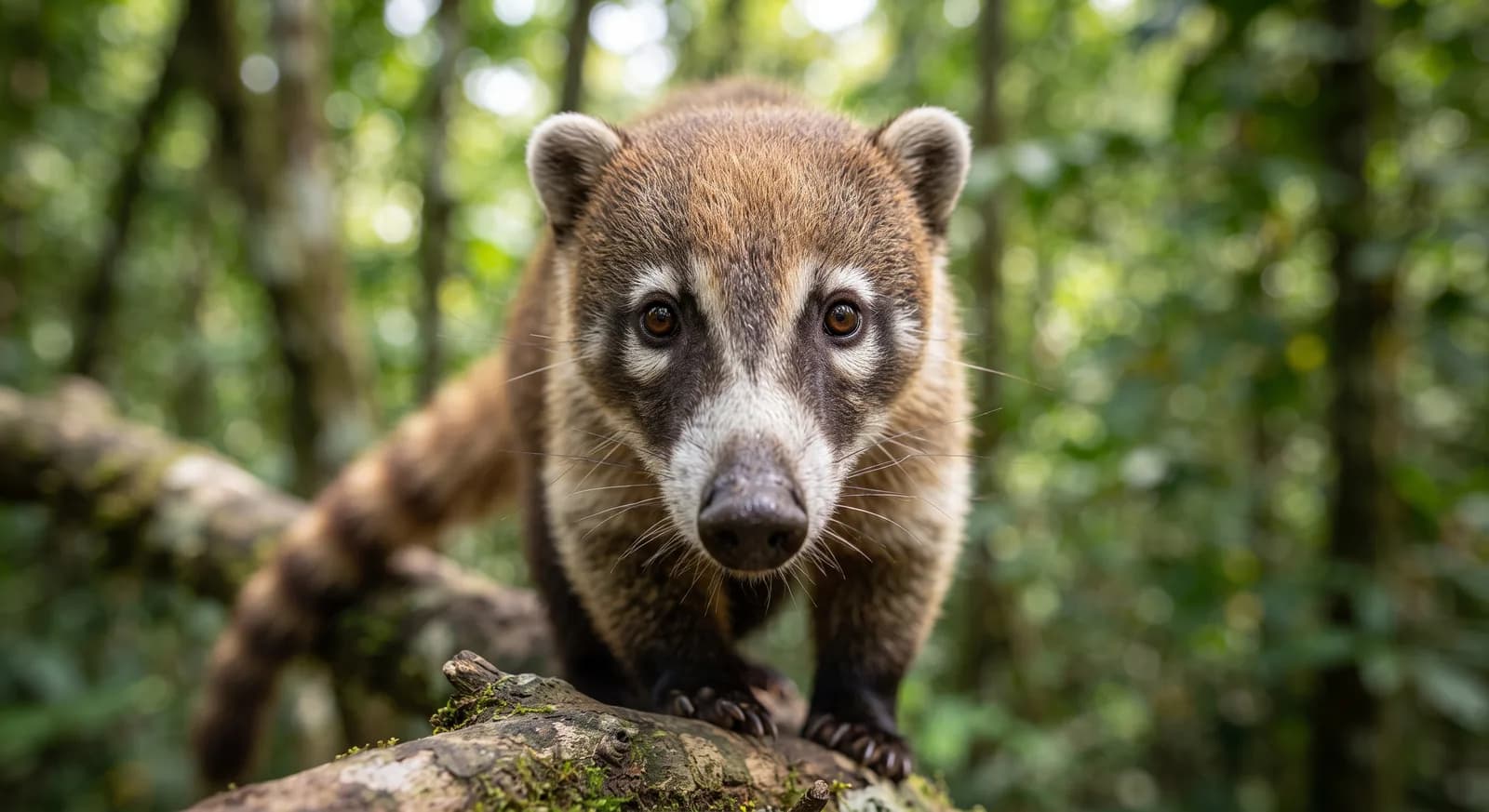
White-nosed Coati
Nasua narica
Virginia Opossum
Didelphis virginiana
Mexican Mouse Opossum
Marmosa mexicana
 Least Concern
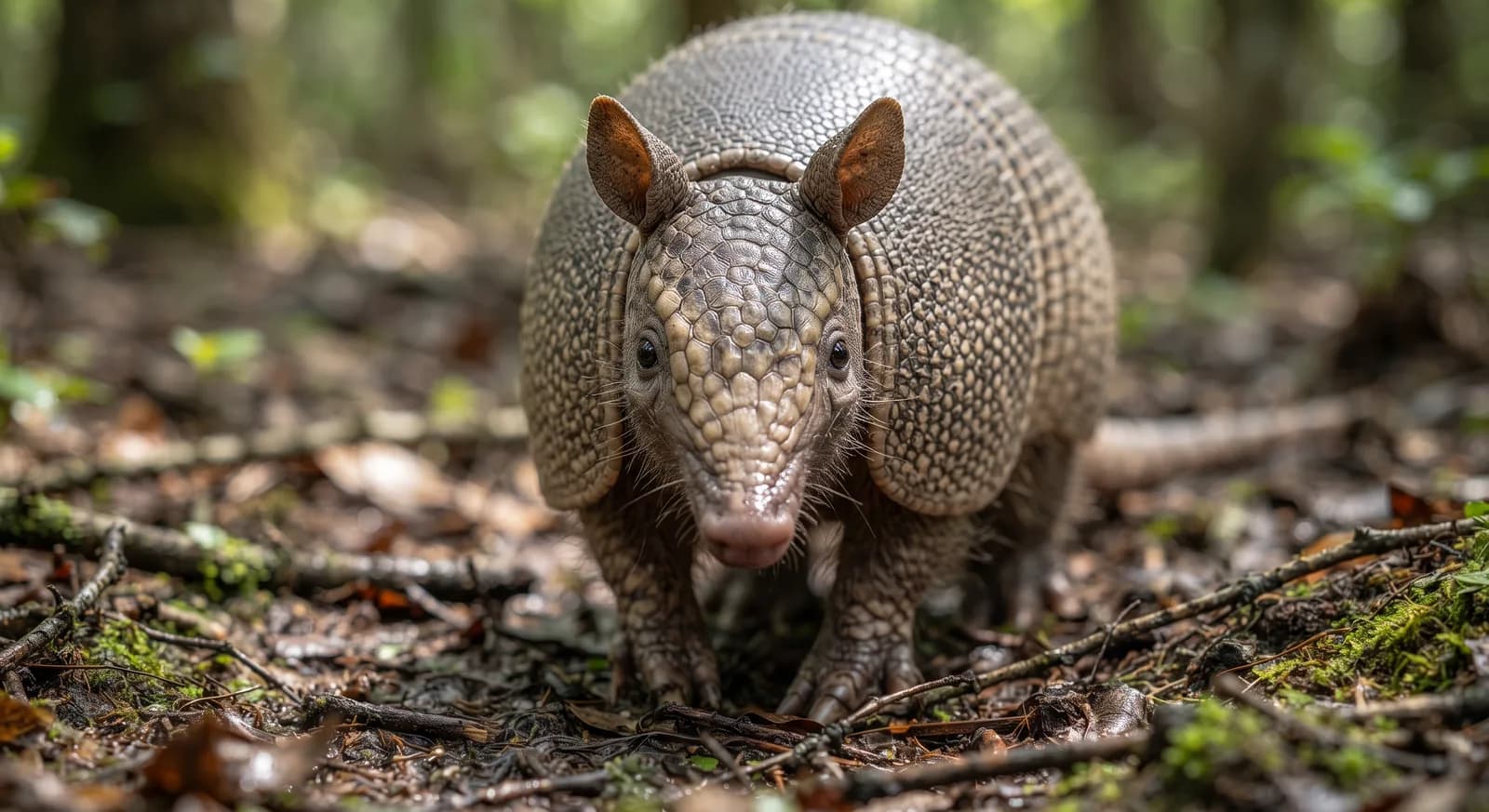
Nine-banded Armadillo
Dasypus novemcinctus
Bushy-tailed Woodrat
Neotoma cinerea
Keep exploring
Based on what we already know about raccoon.
Comments
Share an experience, a fun fact or a tip for seeing the raccoon.
Be the first to comment.