One of the 41 turtles and tortoises on WAnimals
Reptiles · Testudines · Emydidae
Diamondback Terrapin
Malaclemys terrapin
It faces a high risk of extinction in the wild over the medium term. See full glossary
It is the only turtle in the world that lives exclusively in brackish water, a niche unique among the chelonians. As in many turtles, the sex of the hatchlings depends on the nest's incubation temperature.
Weight
720 g on average
Size
10 cm – 23 cm
Lifespan
30 years
Diet
Carnivore
Feeds mainly on other animals.
Activity
Diurnal
Active mainly during the day.
Social structure
Solitary
Lives and hunts alone, joining others only to breed.
Sighting difficulty
Moderate
Fun facts
- It is the only turtle in the world that lives entirely in brackish water.
- The sex of the hatchlings depends on the nest's incubation temperature.
- Its jaws crush snails, molluscs and crustaceans on specialised ridges.
Life cycle & biology
- Skeleton type
- Vertebrate - bony skeleton with a fused shell (reptile)
- Habitat & environment
- Salt marshes and brackish water of the Atlantic and Gulf coasts of the United States, from Cape Cod to Texas
- Birth weight
- 6-10 grams; ~1-1.5 inches long on hatching
- Size at birth
- 2.5 - 3.8 cm of carapace length at hatching
- Sexual maturity
- Male: 2.5-8 years | Female: 6-10 years
- Gestation / incubation
- 60-104 days, depending on the temperature and depth of the nest
- Litter / clutch size
- 4 to 22 eggs per clutch, with several clutches a year
- Lifespan in captivity
- An unconfirmed anecdotal record of over 40 years in captivity
Sources consulted: AnAge; NCpedia; Conserve Wildlife Foundation NJ; Animal Spot; Animal Diversity Web; iNature; Animalia.bio; UFL Extension Blog
Where to watch it
Parks and dive sites where this species has been documented.
Related species
Other species in the catalogue with the most in common with Diamondback Terrapin — same habitat, park, country, tags or family.
Eastern Box Turtle
Terrapene carolina
Bluefish
Pomatomus saltatrix
Florida Manatee
Trichechus manatus latirostris
 Vulnerable
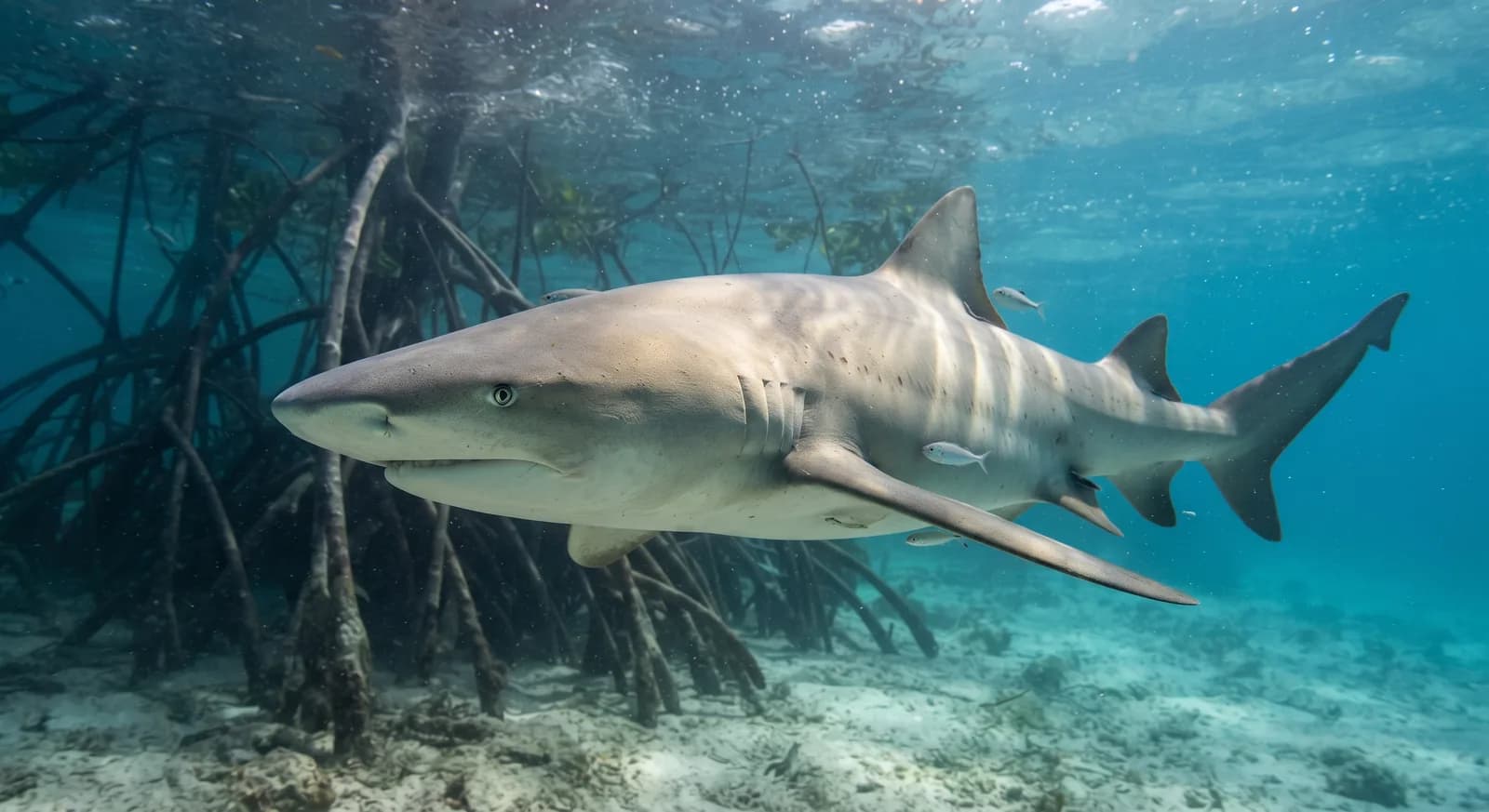
Lemon Shark
Negaprion brevirostris
Tarpon
Megalops atlanticus
Blanding's Turtle
Emydoidea blandingii
How to help
The diamondback terrapin is classified as vulnerable. Organizations such as UICN, WWF y Wildlife Conservation Society work specifically on its conservation and that of its habitat; looking into their programs is a good starting point if you want to get involved.
It's documented in 4 real protected areas — part of why protecting these places matters for its conservation.
Keep exploring
Based on what we already know about diamondback terrapin.
Comments
Share an experience, a fun fact or a tip for seeing the diamondback terrapin.
Be the first to comment.