Birds · Charadriiformes · Recurvirostridae
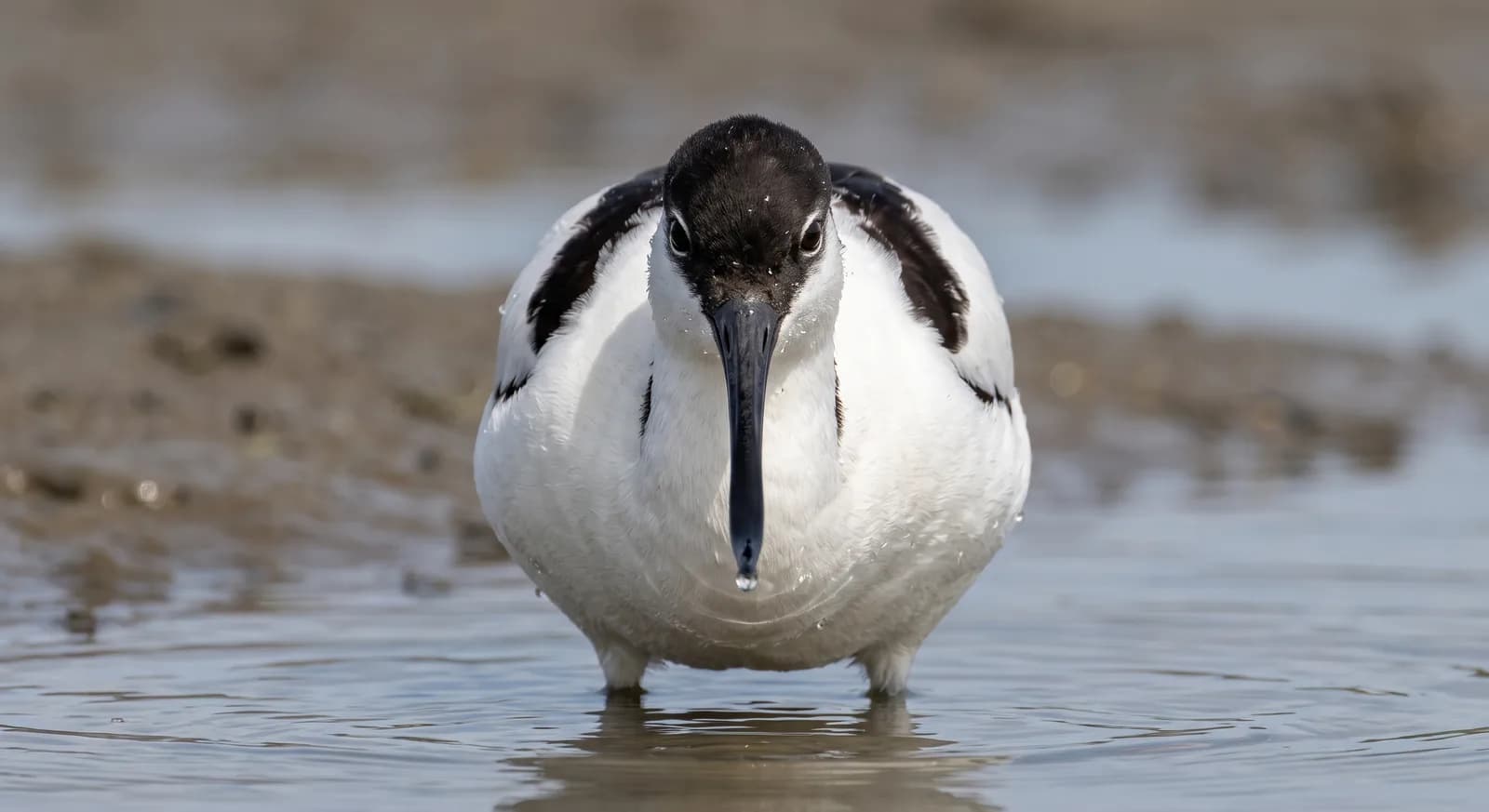
Pied Avocet
Recurvirostra avosetta
The species is abundant and widely distributed; it faces no significant short-term risk. See full glossary
It is the only species of its genus in Europe, easily told by its upcurved bill — unique among European waders — which it sweeps sideways through the water to find invertebrates.
Weight
304 g on average
Size
42 cm – 45 cm
Lifespan
20 years
Diet
Carnivore
Feeds mainly on other animals.
Activity
Diurnal
Active mainly during the day.
Social structure
Colony
Lives in large concentrations, often for breeding reasons.
Sighting difficulty
Easy
Fun facts
- anatomíaIt has an upcurved bill, which it sweeps from side to side through water or mud to catch small invertebrates.
- conservaciónIt is the emblem of several European bird conservation organisations, thanks to its unmistakable outline and to being one of the first species successfully protected after its wetlands declined.
Life cycle & biology
- Skeleton type
- Vertebrate - pneumatised bony skeleton (bird)
- Habitat & environment
- Coastal lagoons, marshes and brackish wetlands of Europe, Central Asia and Africa
- Birth weight
- Exact weight at hatching not found as a precise figure
- Size at birth
- Precocial, able to hide in nearby vegetation soon after hatching
- Sexual maturity
- 2 years
- Gestation / incubation
- 23-25 days
- Litter / clutch size
- 3 to 4 eggs per clutch
Sources consulted: AnAge; Wikipedia; Birdfact; Birda; Les-Oiseaux.com; AnimalHub; U.S. Fish & Wildlife Service
Where to find it
See its range on the interactive mapWhere to watch it
Parques y spots de buceo donde se ha documentado esta especie — se muestran 10 de 66 documentados.
Related species
Other species in the catalogue with the most in common with Pied Avocet — same habitat, park, country, tags or family.
Black-winged Stilt
Himantopus himantopus
 Least Concern
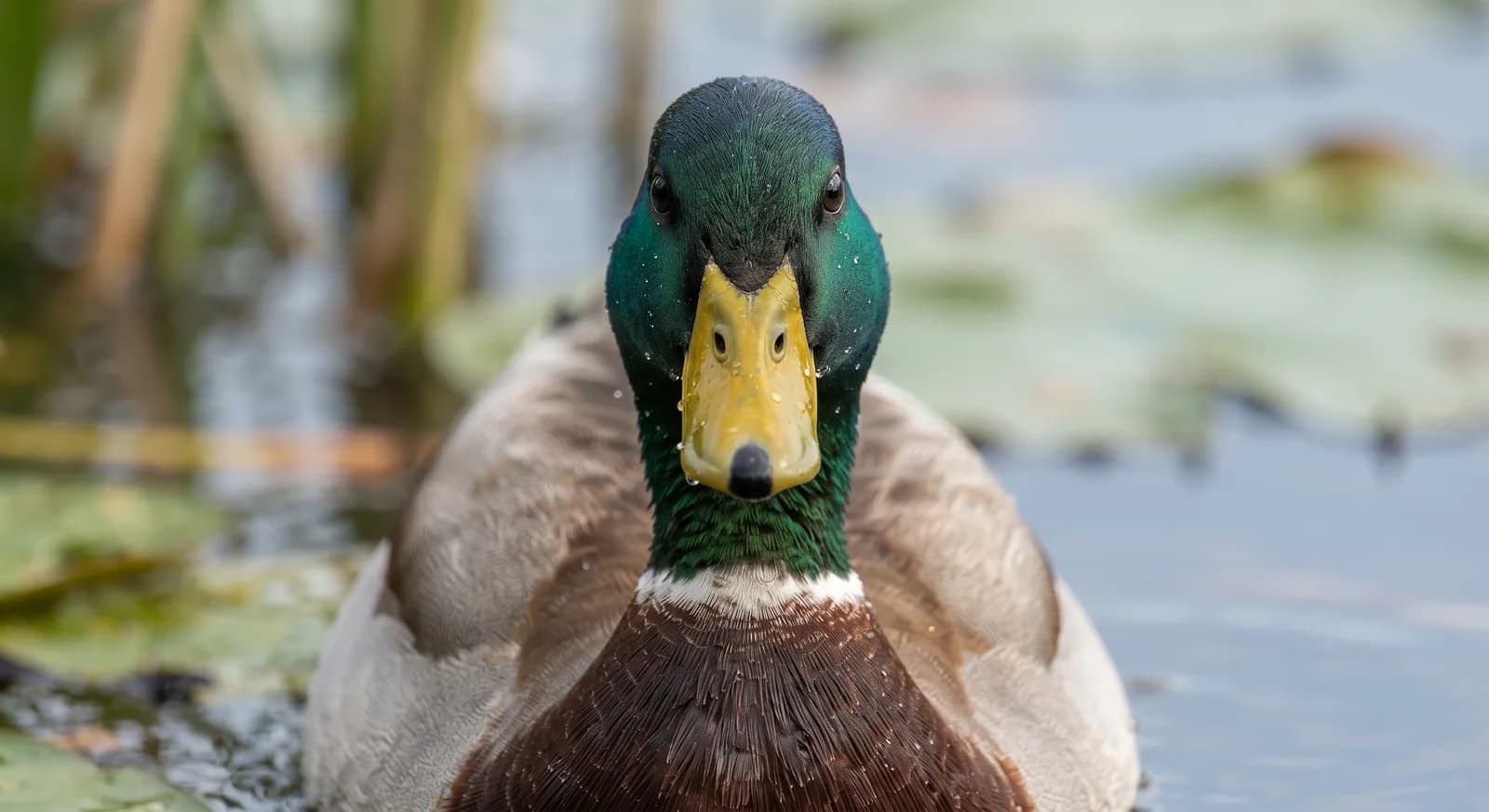
Mallard
Anas platyrhynchos
Great Crested Grebe
Podiceps cristatus
 Least Concern
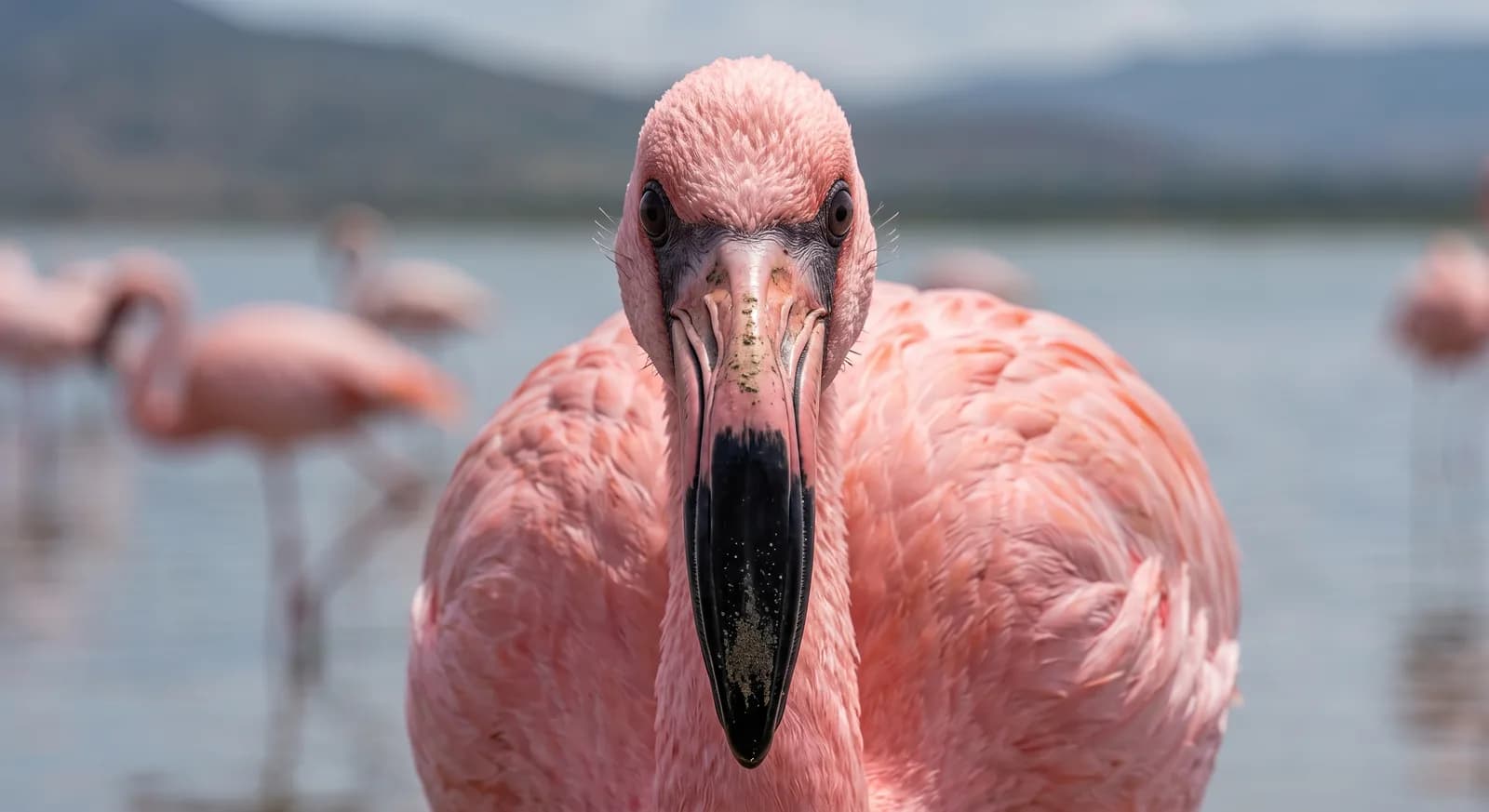
Greater Flamingo
Phoenicopterus roseus
Eurasian Coot
Fulica atra
Little Egret
Egretta garzetta
Keep exploring
Based on what we already know about pied avocet.
Comments
Share an experience, a fun fact or a tip for seeing the pied avocet.
Be the first to comment.