One of the 13 cormorants on WAnimals
Birds · Suliformes · Phalacrocoracidae
Flightless Cormorant
Nannopterum harrisi
It faces a high risk of extinction in the wild over the medium term. See full glossary
The flightless cormorant — known in Spanish as cormorán no volador or cormorán mancón — is the only cormorant in the world to have lost the power of flight. Its wings are reduced to feathered stumps a third of the size needed to lift it. It lives only on the western coasts of two Galápagos islands, where it dives among the rocks chasing octopus, eels and fish with its powerful webbed feet. The whole world population is around a thousand pairs.
Weight
2.5 kg – 5 kg
Size
89 cm – 1 m
Lifespan
13 years
Diet
Carnivore
Feeds mainly on other animals.
Activity
Diurnal
Active mainly during the day.
Social structure
Colony
Lives in large concentrations, often for breeding reasons.
Sighting difficulty
Moderate
Estimated population
Some 1,000-2,000 individuals
Fun facts
- It is the only cormorant in the world unable to fly: on islands without land predators, wings stopped paying their way and evolution put that energy into enormous legs and diving muscles instead.
- It keeps the behaviour of its flying relatives: after every dive it spreads its stunted wings in the sun to dry them, a gesture that is no longer of any use for flying but that its instinct has preserved intact.
Life cycle & biology
- Skeleton type
- Vertebrate - internal bony skeleton (bird)
- Habitat & environment
- Rocky volcanic coasts and shallow waters of Fernandina and Isabela islands, in the Galápagos
- Sexual maturity
- 3 years
- Gestation / incubation
- 35 days of incubation
- Litter / clutch size
- 3 eggs
Sources consulted: https://www.iucnredlist.org/ | https://animaldiversity.org/ | https://es.wikipedia.org/
Where to watch it
Parks and dive sites where this species has been documented.
Related species
Other species in the catalogue with the most in common with Flightless Cormorant — same habitat, park, country, tags or family.
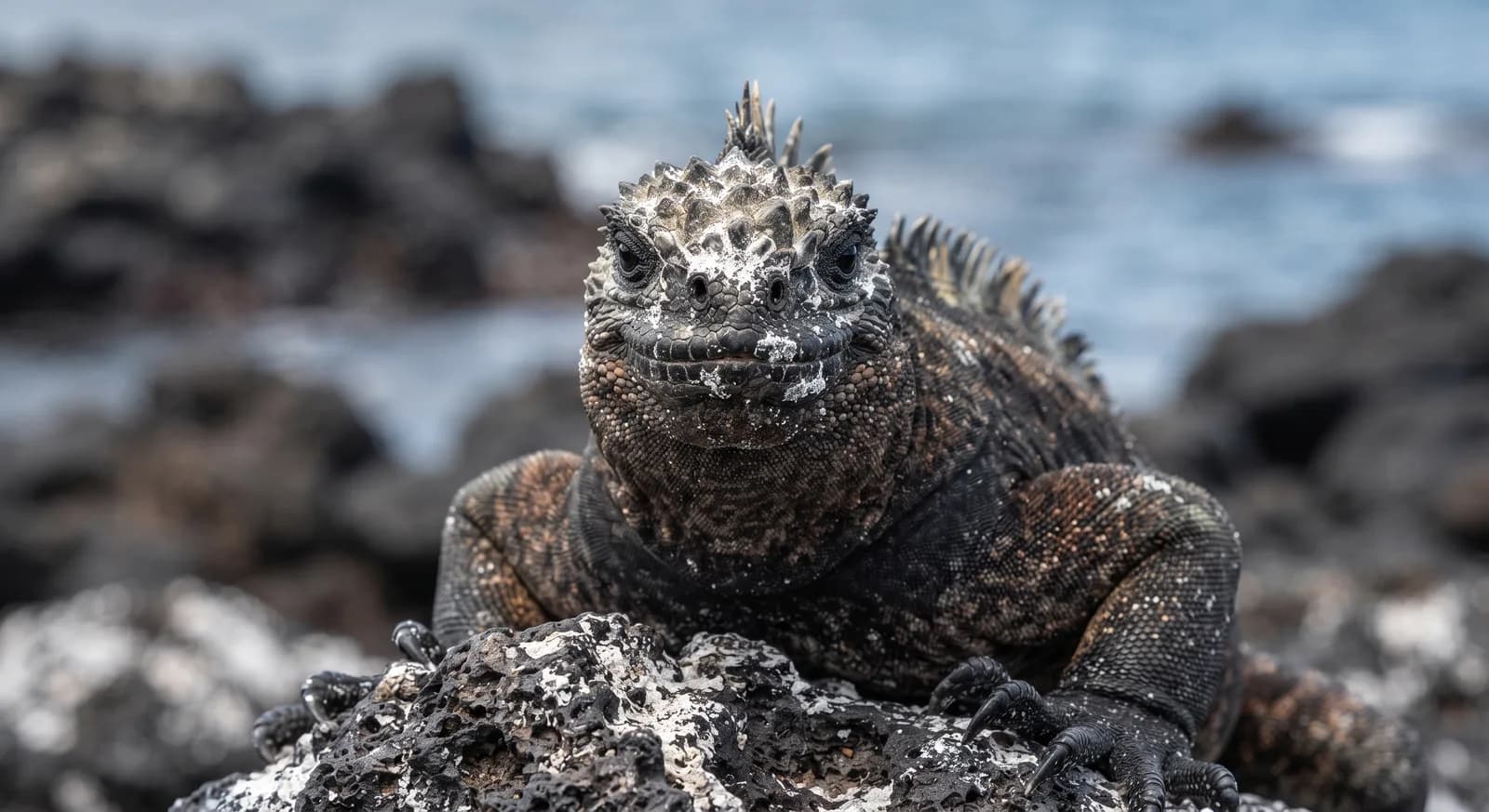 Vulnerable
Marine Iguana
Amblyrhynchus cristatus
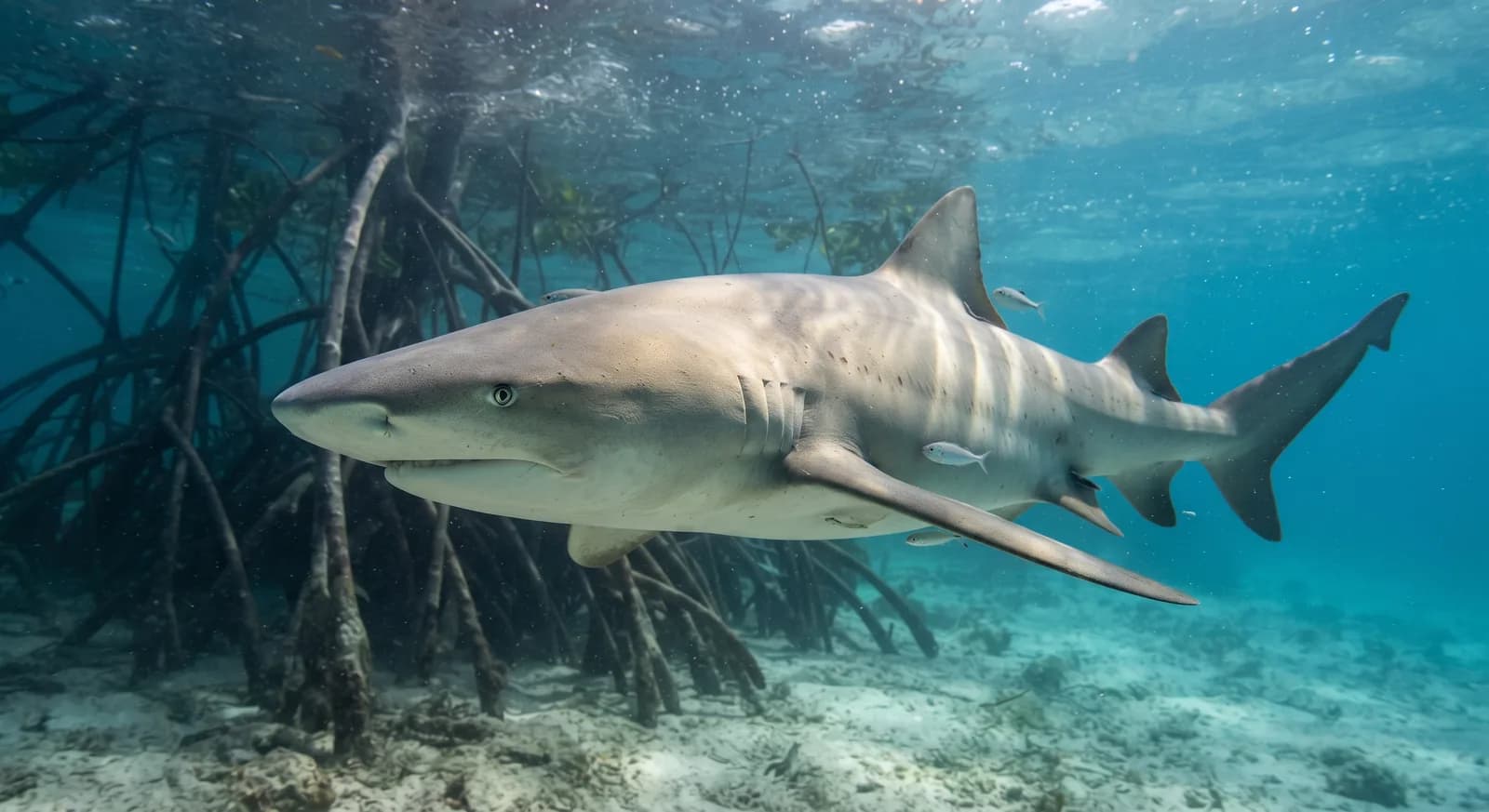 Vulnerable
Lemon Shark
Negaprion brevirostris
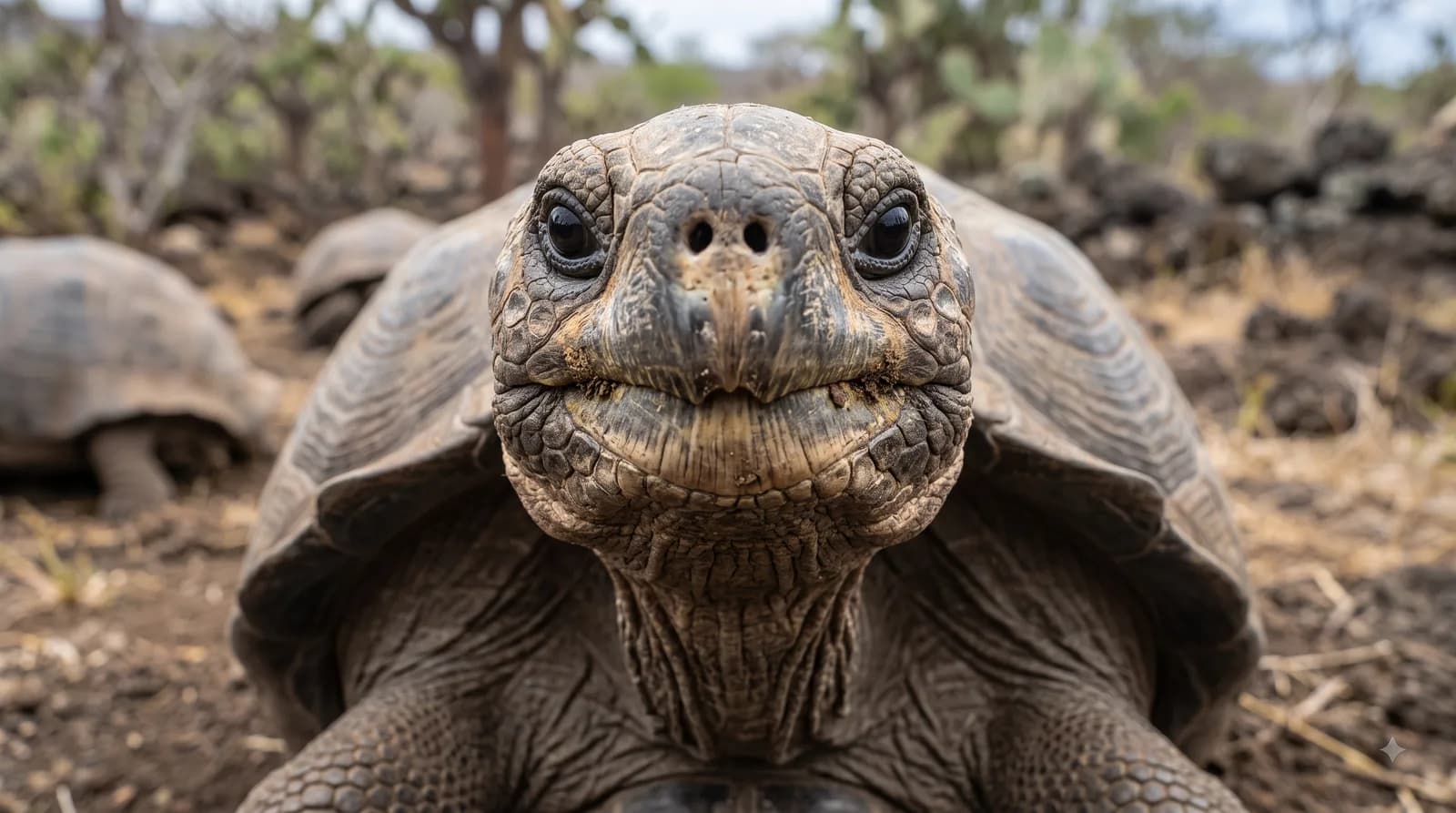 Vulnerable
Floreana Giant Tortoise
Chelonoidis niger
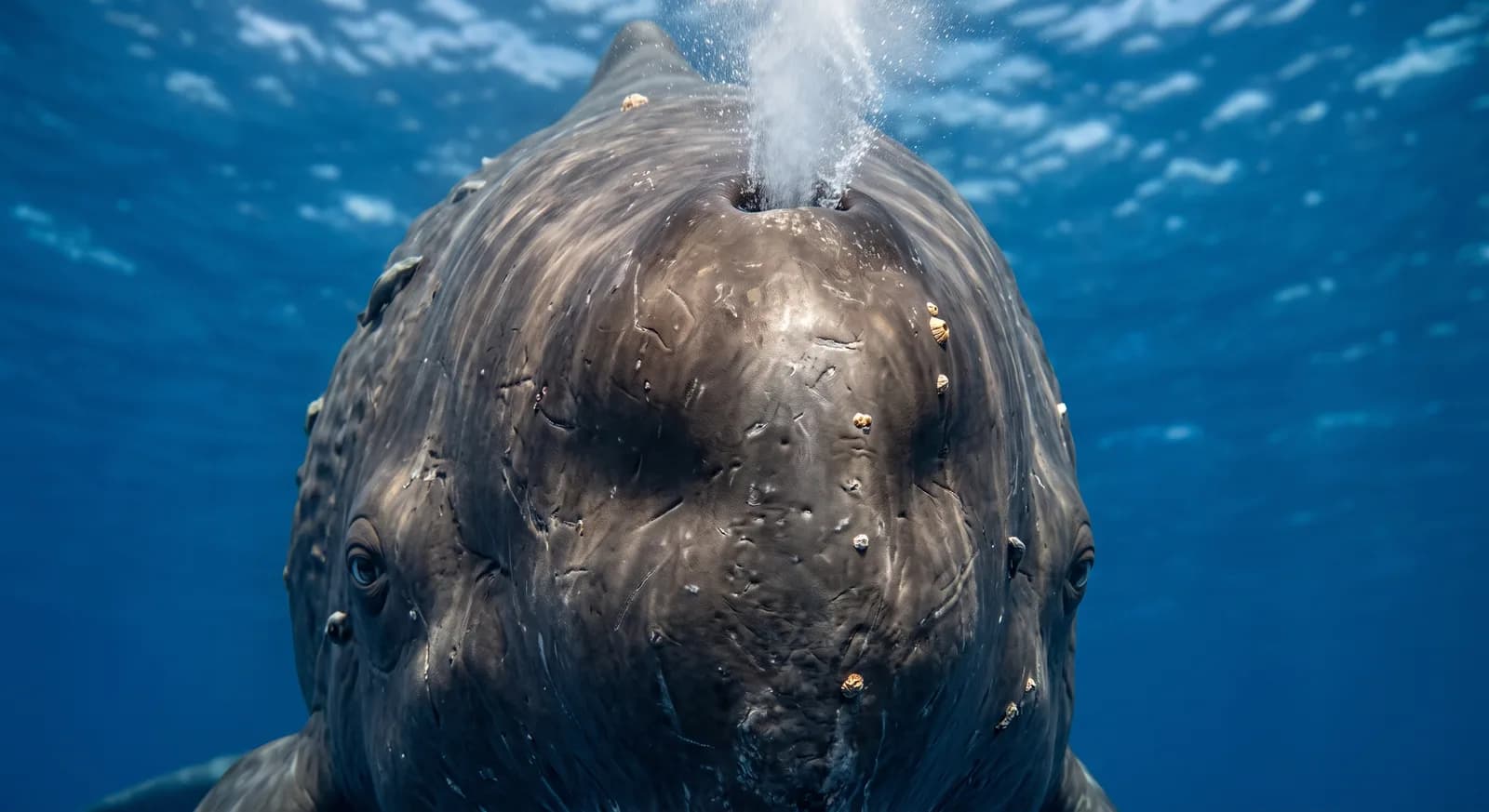 Vulnerable
Sperm Whale
Physeter macrocephalus
 Least Concern
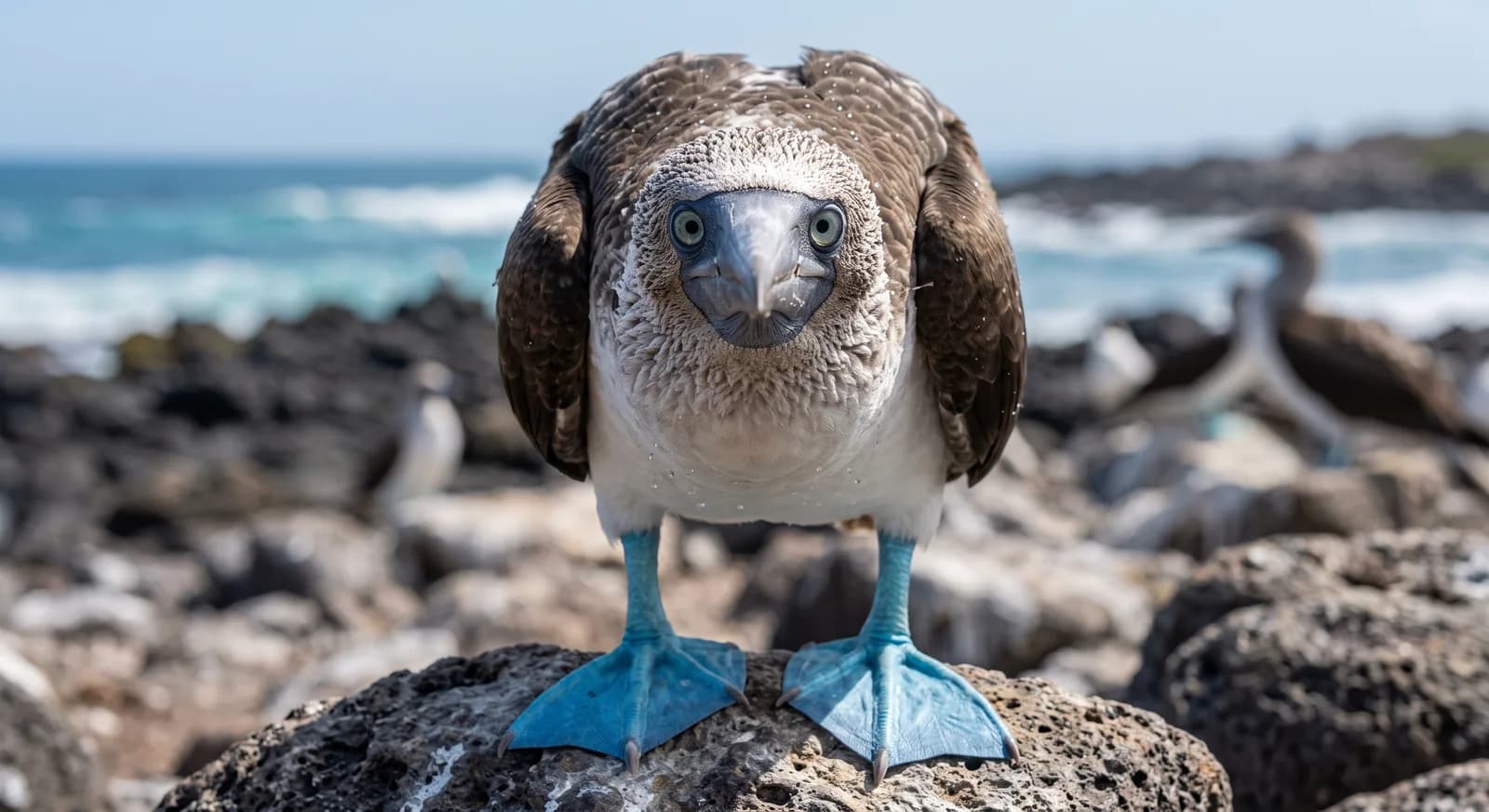
Blue-footed Booby
Sula nebouxii
 Least Concern
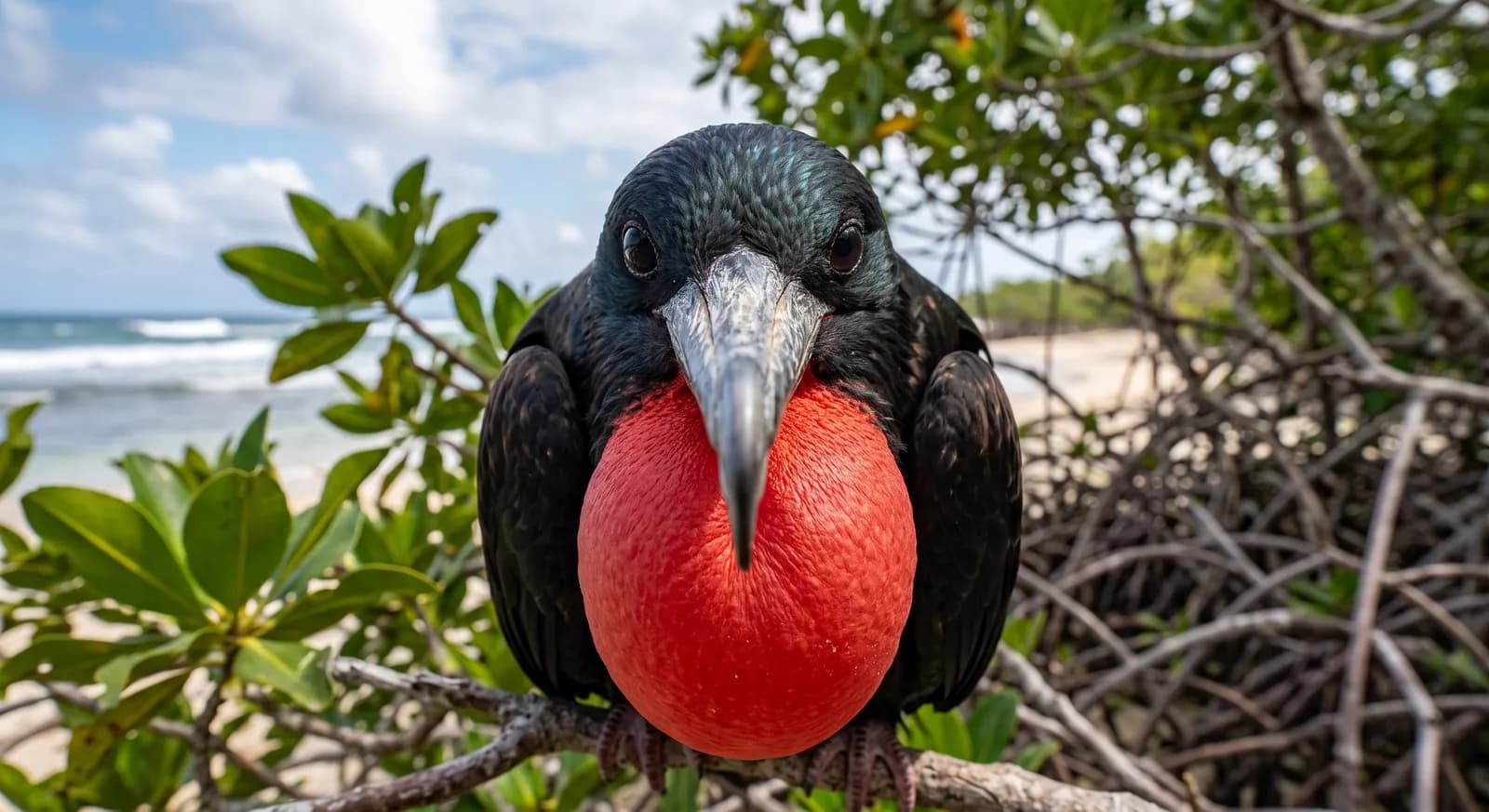
Magnificent Frigatebird
Fregata magnificens
How to help
The flightless cormorant is classified as vulnerable. Organizations such as UICN, WWF y Wildlife Conservation Society work specifically on its conservation and that of its habitat; looking into their programs is a good starting point if you want to get involved.
It's documented in 1 real protected area — part of why protecting these places matters for its conservation.
Keep exploring
Based on what we already know about flightless cormorant.
Comments
Share an experience, a fun fact or a tip for seeing the flightless cormorant.
Be the first to comment.