One of the 3 loons on WAnimals
Birds · Gaviiformes · Gaviidae
Red-throated Loon
Gavia stellata
The species is abundant and widely distributed; it faces no significant short-term risk. See full glossary
It is the only diver able to take off directly from land, without the long run across the water its heavier relatives need.
Weight
1 kg – 2.7 kg
Size
53 cm – 69 cm
Lifespan
15 years
Diet
Carnivore
Feeds mainly on other animals.
Activity
Diurnal
Active mainly during the day.
Social structure
In pairs
Usually lives in pairs, sometimes for life.
Sighting difficulty
Easy
Fun facts
- It is the only diver able to take off directly from land.
- It carries small fish whole in its bill to feed its chicks.
- It breeds on Arctic tundra lakes and pools and winters on sea coasts.
Life cycle & biology
- Skeleton type
- Vertebrate - pneumatised bony skeleton (bird)
- Habitat & environment
- Lakes and pools of the Arctic and subarctic tundra while breeding, wintering on sea coasts across the northern hemisphere
- Birth weight
- Exact weight at hatching not found as a precise figure
- Size at birth
- Precocial, covered in dark down, able to swim soon after hatching
- Sexual maturity
- 2-3 years
- Gestation / incubation
- 24-29 days
- Litter / clutch size
- 1 to 2 eggs per clutch
Sources consulted: Animal Diversity Web; Birdfact; Alaska Dept. of Fish and Game; BirdBuddy Wiki; Wikipedia (Red-throated loon); Birds of the World; U.S. Fish & Wildlife Service; eBird
Where to find it
See its range on the interactive mapBest time: From November to March in coastal waters of the Bay of Biscay and the Atlantic, when the northern winterers arrive.
Where to watch it
Parques y spots de buceo donde se ha documentado esta especie — se muestran 10 de 41 documentados.
Related species
Other species in the catalogue with the most in common with Red-throated Loon — same habitat, park, country, tags or family.
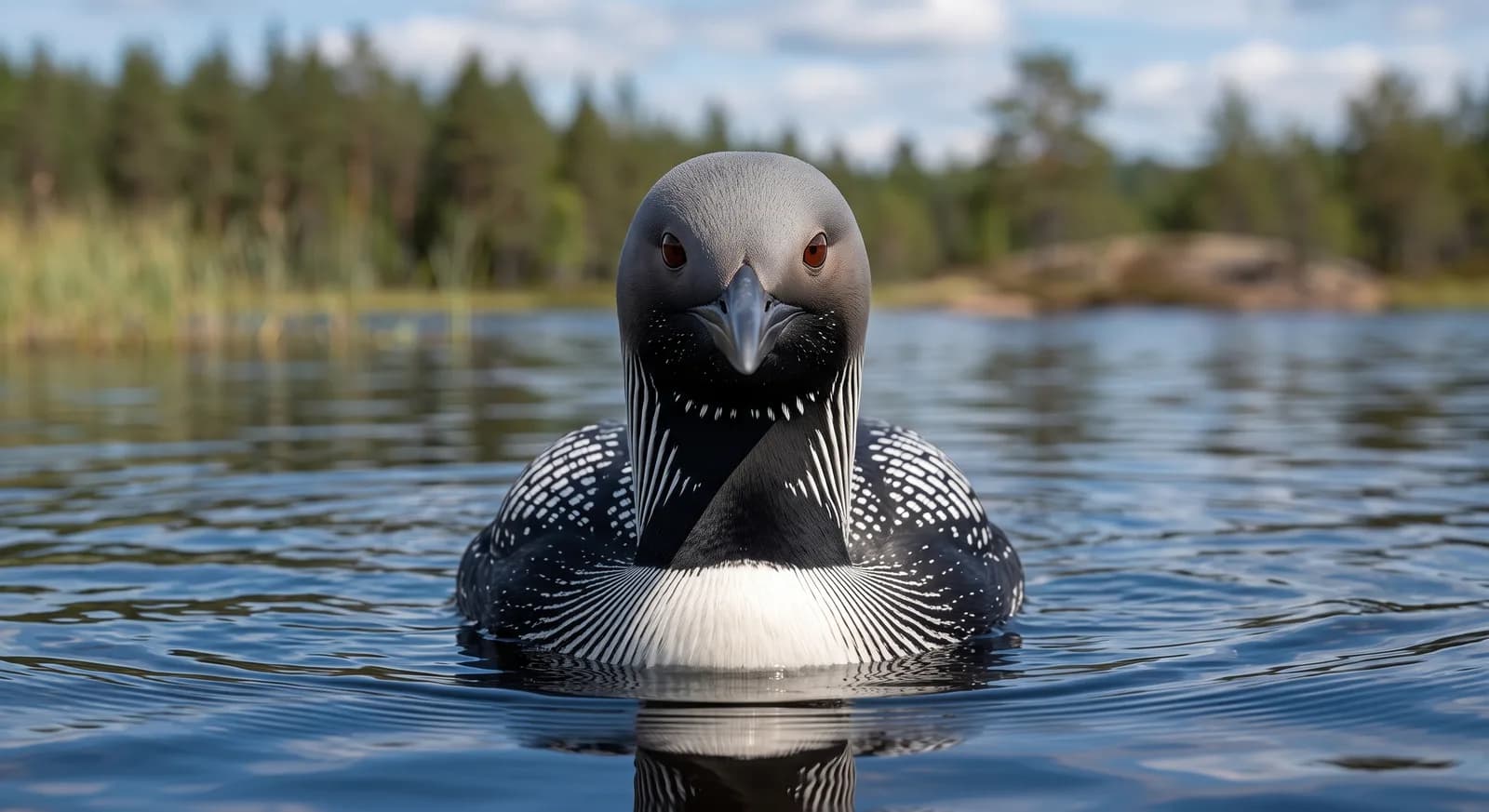 Least Concern
Black-throated Diver
Gavia arctica
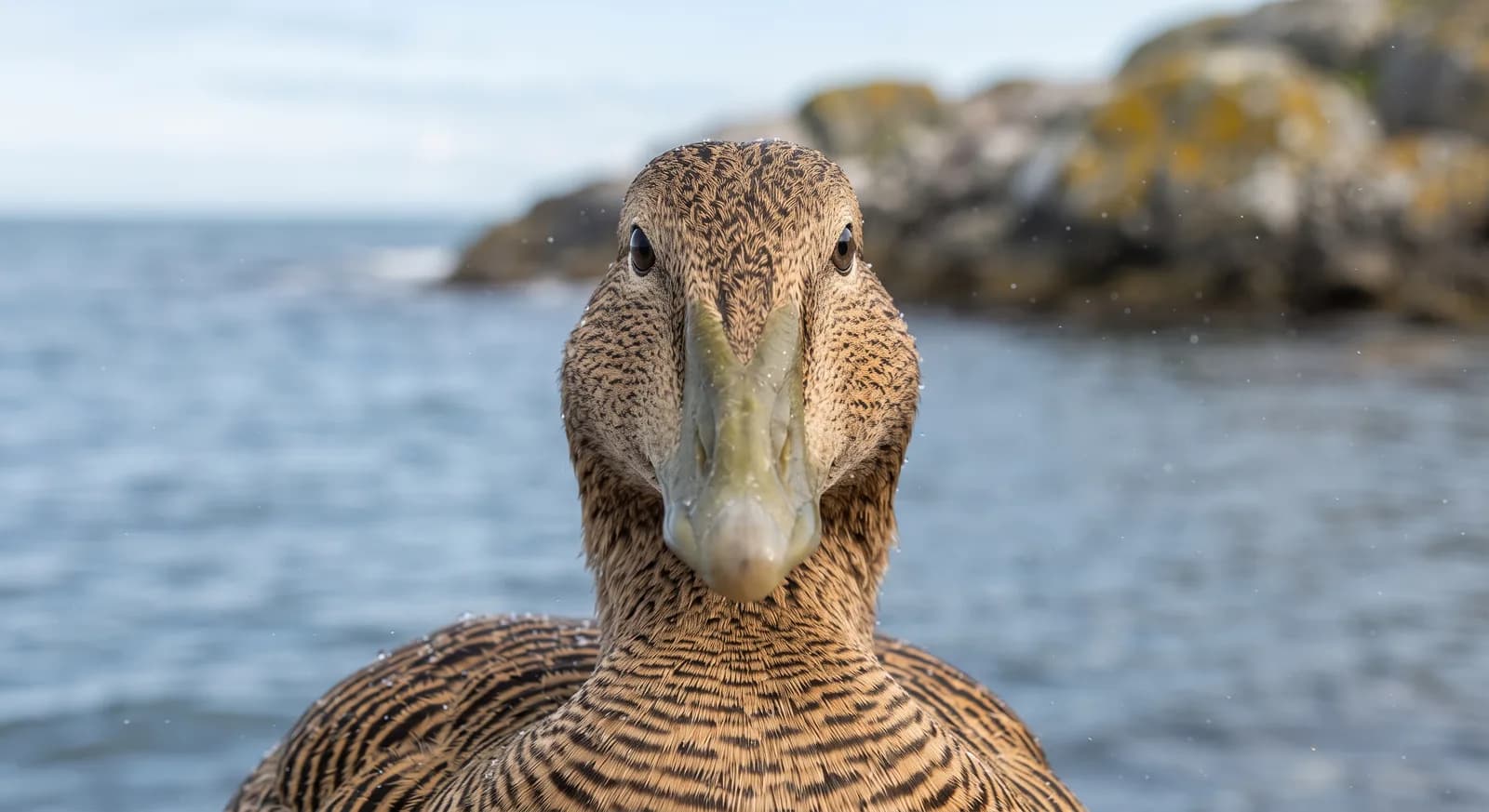 Least Concern
Common Eider
Somateria mollissima
Willow Ptarmigan
Lagopus lagopus
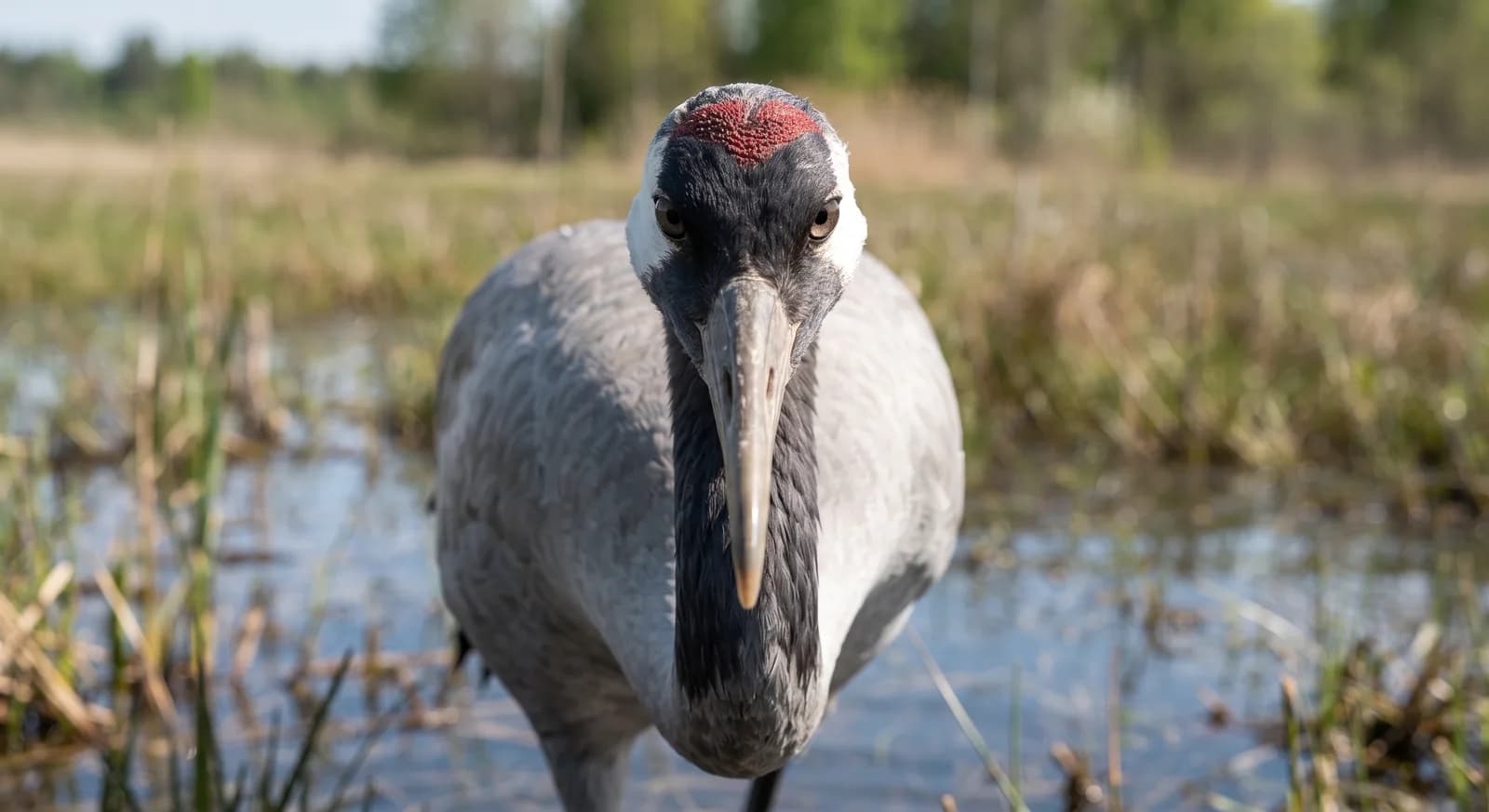 Least Concern
Common Crane
Grus grus
Great Black-backed Gull
Larus marinus
Common Ringed Plover
Charadrius hiaticula
Keep exploring
Based on what we already know about red-throated loon.
Comments
Share an experience, a fun fact or a tip for seeing the red-throated loon.
Be the first to comment.