One of the 11 cranes on WAnimals
Birds · Gruiformes · Gruidae
Sarus Crane
Antigone antigone
It faces a high risk of extinction in the wild over the medium term. See full glossary
The sarus crane is the tallest flying bird in the world: an adult male standing upright is over a metre eighty. It has a grey body and an intensely red, bare head and upper neck. Unlike almost all cranes it does not migrate and lives all year in the same wetlands, often alongside rice fields and villages. In India it enjoys notable cultural protection: the pair of sarus cranes is a traditional symbol of marital fidelity.
Weight
5 kg – 12 kg
Size
1.5 m – 1.8 m
Lifespan
42 years
Diet
Omnivore
Combines animal and plant food depending on availability.
Activity
Diurnal
Active mainly during the day.
Social structure
In pairs
Usually lives in pairs, sometimes for life.
Sighting difficulty
Moderate
Fun facts
- GeneralThe tallest flying bird in the world, at 1.8 m.
- It is the tallest flying bird on the planet: a male standing upright can be over a metre eighty, taller than many people.
- In India it is a symbol of marital fidelity and its presence in the rice fields is tolerated and even protected on cultural grounds, which has allowed the species to survive in one of the most densely populated farming landscapes in the world.
Life cycle & biology
- Skeleton type
- Vertebrate - internal bony skeleton (bird)
- Habitat & environment
- Wetlands, rice fields, canals and floodplains of the Indian subcontinent, Indochina and Australia
- Sexual maturity
- 4 years
- Gestation / incubation
- 31 days of incubation
- Litter / clutch size
- 2 eggs
Sources consulted: https://es.wikipedia.org/wiki/Antigone_antigone
Where to find it
See its range on the interactive mapWhere to watch it
Parques y spots de buceo donde se ha documentado esta especie — se muestran 10 de 15 documentados.
Related species
Other species in the catalogue with the most in common with Sarus Crane — same habitat, park, country, tags or family.
Siberian Crane
Leucogeranus leucogeranus
Demoiselle Crane
Grus virgo
Chinese Water Dragon
Physignathus cocincinus
Barasingha
Rucervus duvaucelii
 Near Threatened
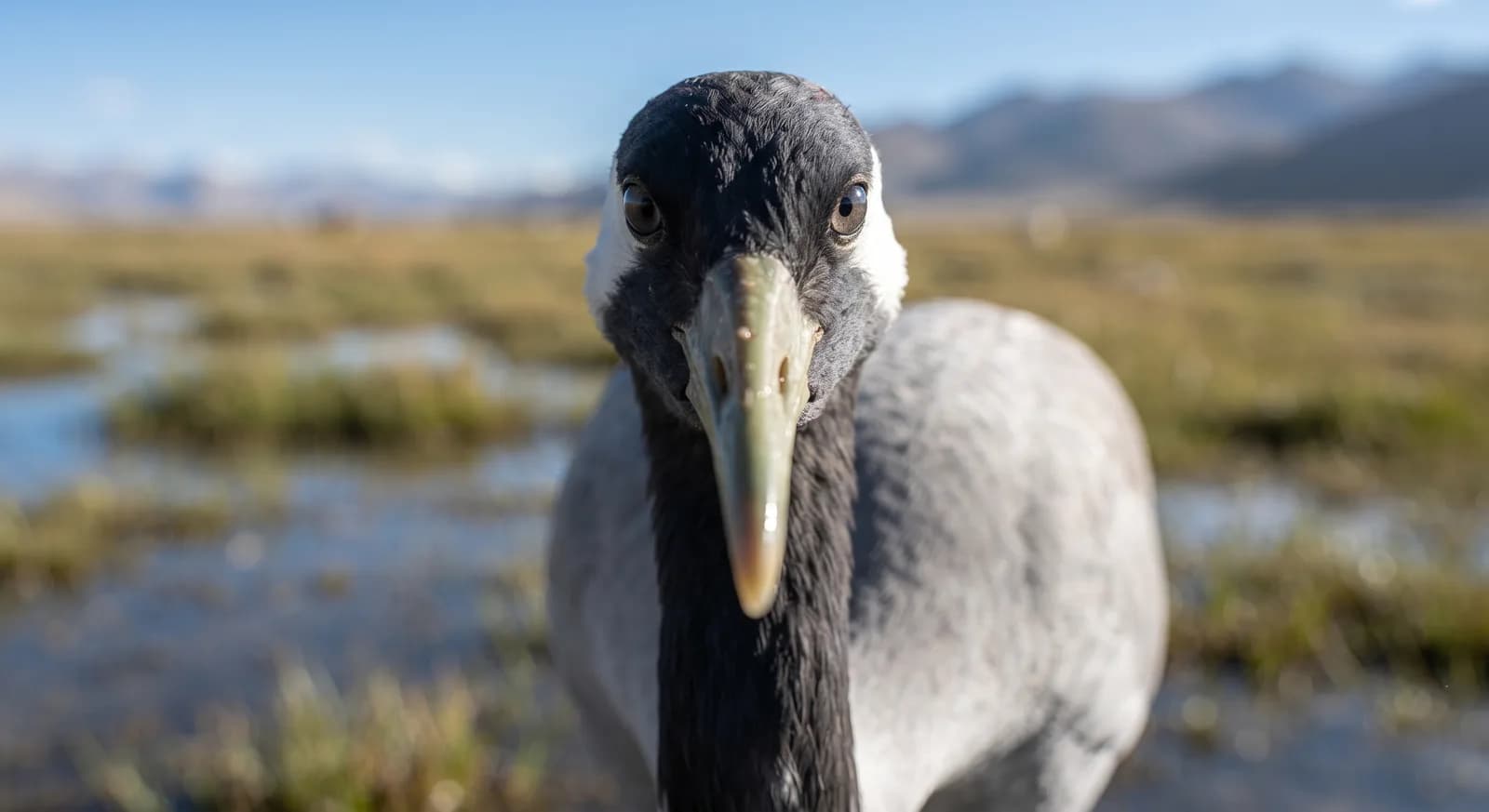
Black-necked Crane
Grus nigricollis
 Vulnerable
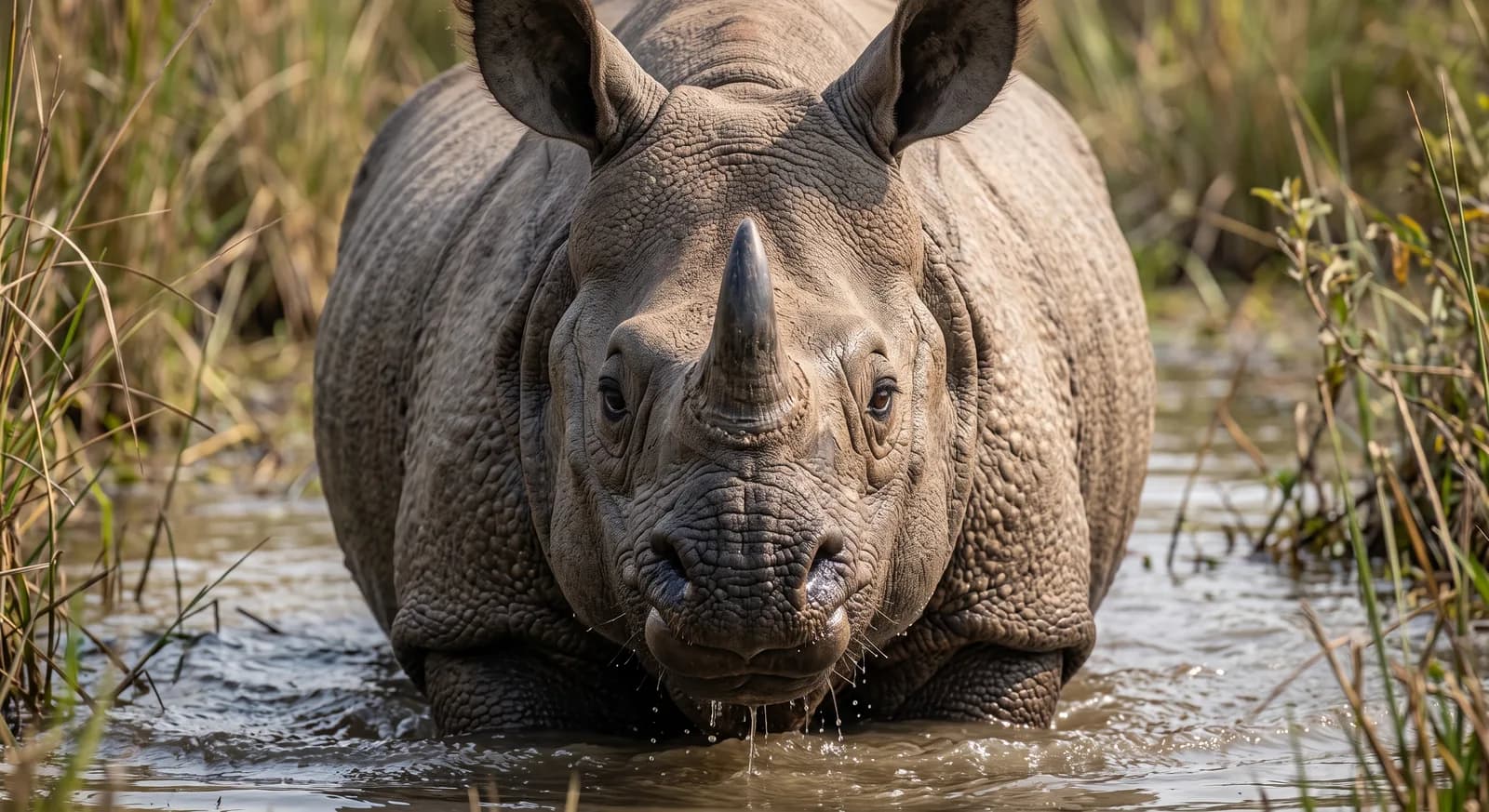
Greater One-horned Rhino
Rhinoceros unicornis
How to help
The sarus crane is classified as vulnerable. Organizations such as UICN, WWF y Wildlife Conservation Society work specifically on its conservation and that of its habitat; looking into their programs is a good starting point if you want to get involved.
It's documented in 9 real protected areas — part of why protecting these places matters for its conservation.
Keep exploring
Based on what we already know about sarus crane.
Comments
Share an experience, a fun fact or a tip for seeing the sarus crane.
Be the first to comment.