Mammals · Artiodactyla · Cervidae
Barasingha
Rucervus duvaucelii
It faces a high risk of extinction in the wild over the medium term. See full glossary
The barasingha, or Indian swamp deer, owes its name to the Hindi barah singha, twelve horns, from the many points on its antlers: adult stags usually carry more than ten and sometimes as many as twenty. It lives in floodplain grasslands and wetlands of northern India and Nepal, in herds that can be large. It was on the brink of extinction in the 1960s, with fewer than a hundred animals of the hard-ground subspecies, which has now recovered thanks to the protection of Kanha National Park.
Weight
145 kg – 280 kg
Size
1.8 m – 2.2 m
Lifespan
20 years
Diet
Herbivore
Feeds mainly on plants.
Activity
Diurnal
Active mainly during the day.
Social structure
Herd
Lives in large groups as a strategy against predators.
Sighting difficulty
Moderate
Fun facts
- GeneralIts name means twelve points, after the branching of its antlers.
- Its name means twelve horns in Hindi: it is the Indian deer with the most points on its antlers, and some veteran stags exceed twenty.
- The Kanha subspecies fell to fewer than seventy animals in the 1970s and today numbers more than eight hundred, one of the best-documented recoveries in Indian wildlife alongside that of the Indian rhinoceros.
Life cycle & biology
- Skeleton type
- Vertebrate - internal bony skeleton (mammal)
- Habitat & environment
- Flooded meadows and tall-grass wetlands
- Size at birth
- Precocial: on its feet within a few hours of birth
- Sexual maturity
- 3 years
- Gestation / incubation
- 8.2 months
- Litter / clutch size
- 1
Sources consulted: https://es.wikipedia.org/wiki/Rucervus_duvaucelii
Where to find it
See its range on the interactive mapBest time: From December to March at Kanha and Dudhwa, in India, by day; in winter the stags bellow and show off their twelve-point antlers.
Where to watch it
Parks and dive sites where this species has been documented.
Related species
Other species in the catalogue with the most in common with Barasingha — same habitat, park, country, tags or family.
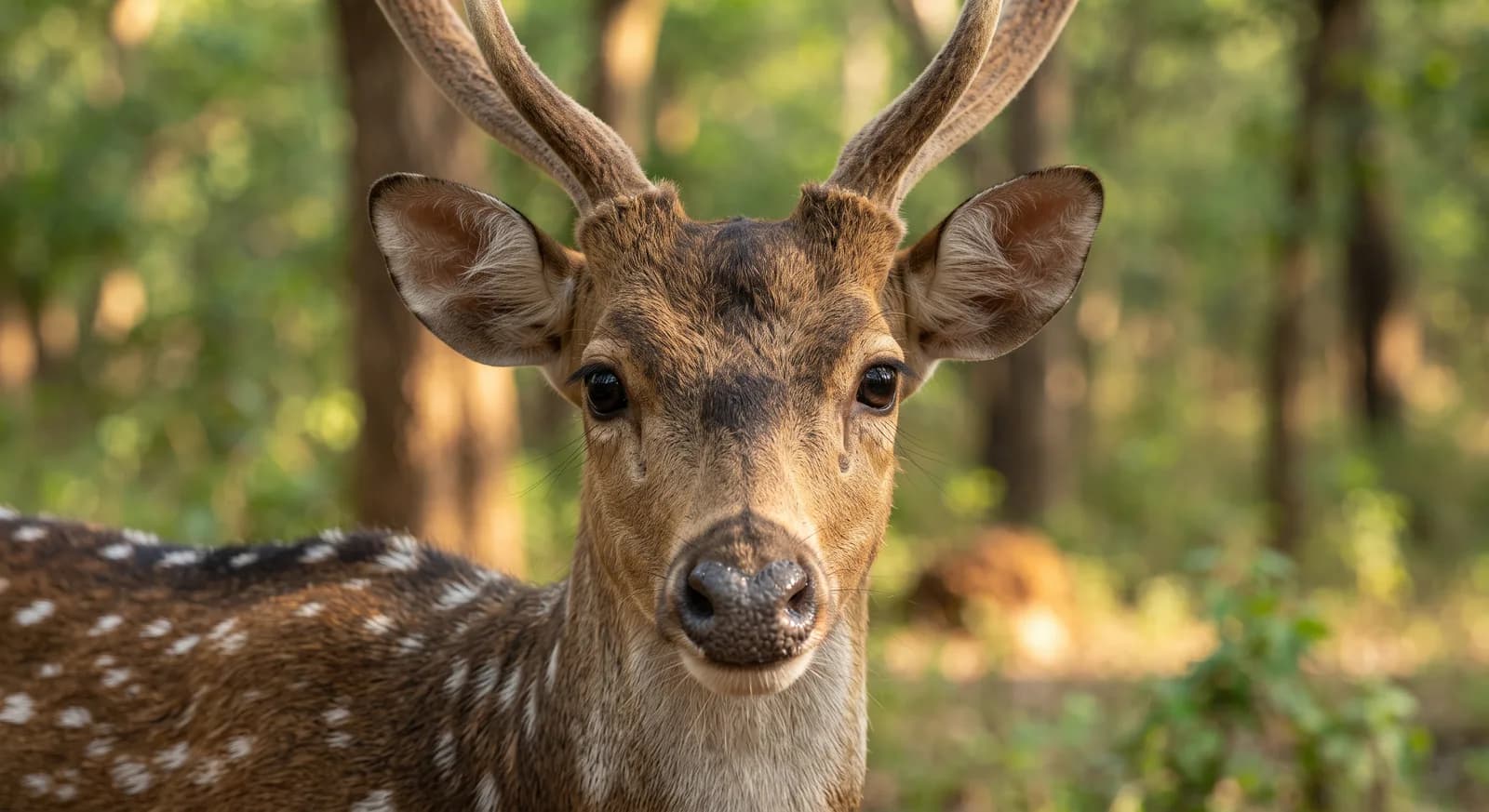 Least Concern
Chital
Axis axis
Hog Deer
Axis porcinus
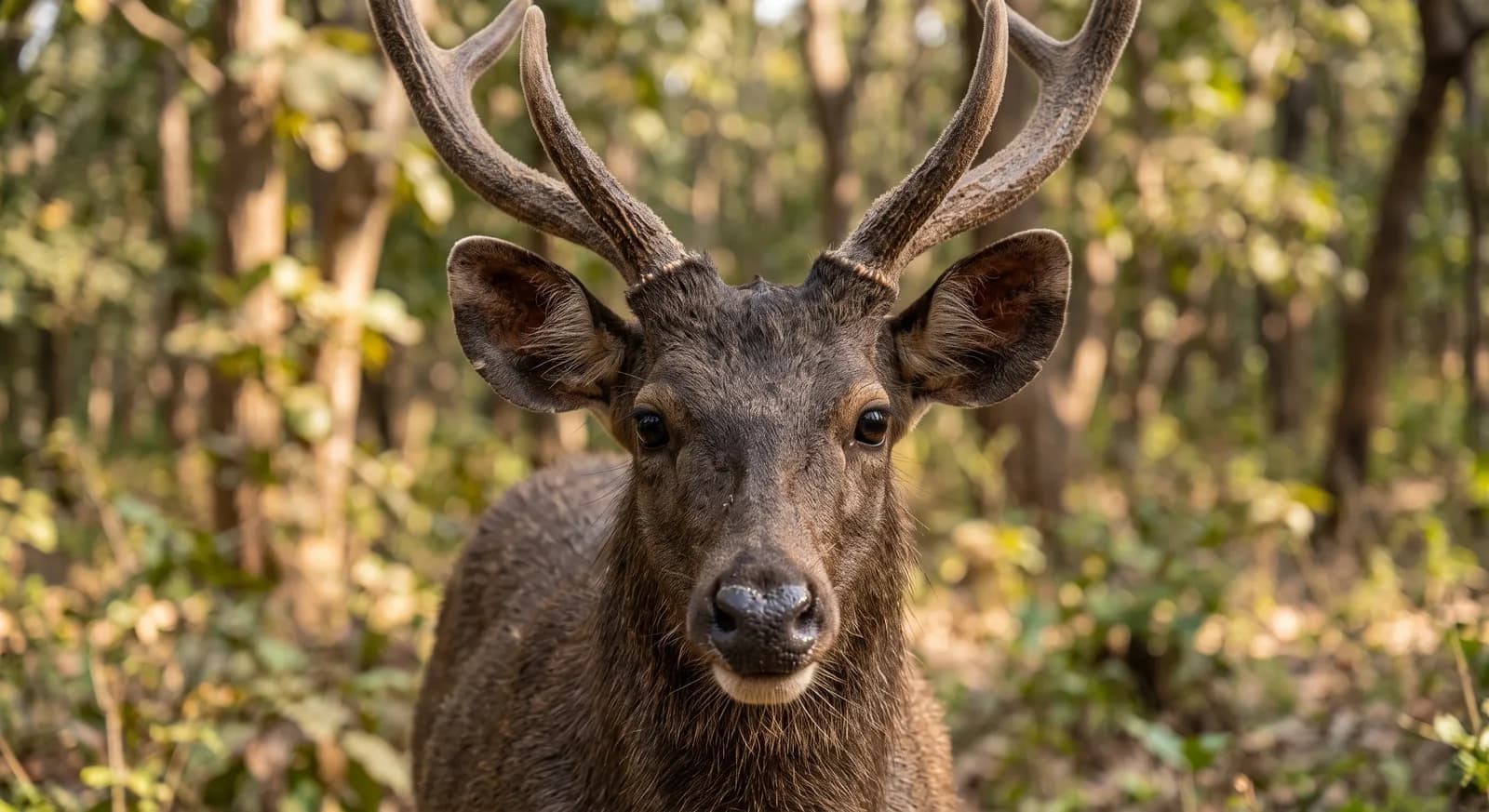 Vulnerable
Sambar
Rusa unicolor
Indian Muntjac
Muntiacus muntjak
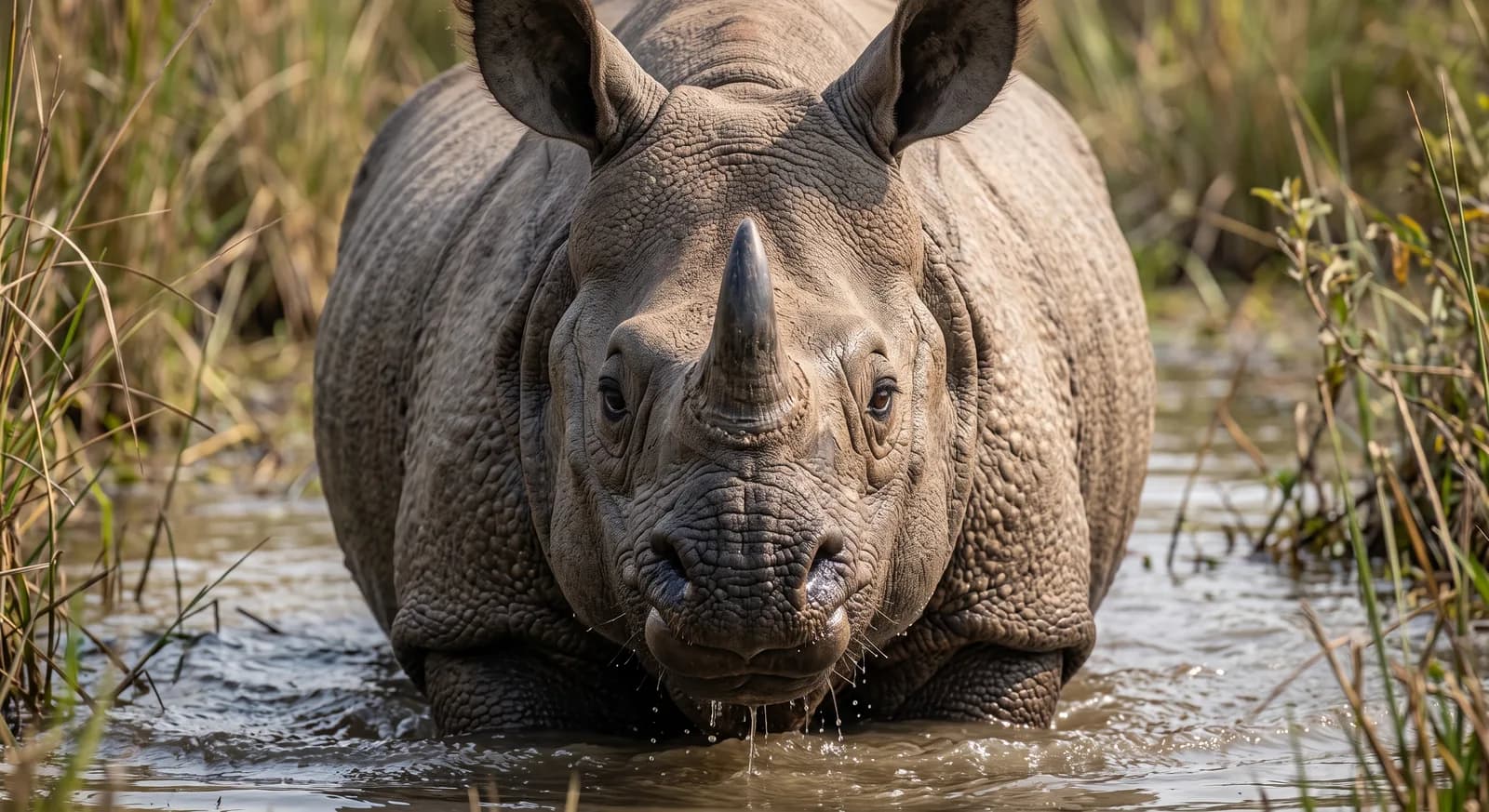 Vulnerable
Greater One-horned Rhino
Rhinoceros unicornis
Oriental Small-clawed Otter
Aonyx cinereus
How to help
The barasingha is classified as vulnerable. Organizations such as UICN, WWF y Wildlife Conservation Society work specifically on its conservation and that of its habitat; looking into their programs is a good starting point if you want to get involved.
It's documented in 6 real protected areas — part of why protecting these places matters for its conservation.
Keep exploring
Based on what we already know about barasingha.
Comments
Share an experience, a fun fact or a tip for seeing the barasingha.
Be the first to comment.