One of the 12 deer on WAnimals
Mammals · Artiodactyla · Cervidae
Hog Deer
Axis porcinus
It faces a very high risk of extinction in the wild in the near future. See full glossary
The hog deer owes its name to the way it runs: instead of bounding like other deer, it lowers its head and pushes through the tall grass head down, like a pig. It is compact, short-legged and higher at the rump than at the shoulder. It depends entirely on the tall grasslands of the alluvial plains of northern India, Nepal and Pakistan, a habitat that farming has reduced to the smallest of fragments. Its decline has been so rapid that it went from Least Concern to Endangered within a few years.
Weight
30 kg – 110 kg
Size
1 m – 1.4 m
Lifespan
20 years
Diet
Herbivore
Feeds mainly on plants.
Activity
Nocturnal
Active mainly at night.
Social structure
Solitary
Lives and hunts alone, joining others only to breed.
Sighting difficulty
Hard
Fun facts
- GeneralIt runs head down, pushing through the grass, at a trot that recalls a pig.
- It runs crouched through the tall grass instead of bounding over it, a style that has given it its name and that makes use of the tunnels it opens through the vegetation.
- The Indochinese subspecies is practically extinct: tiny populations remain in Cambodia and perhaps in Myanmar, and it has already disappeared from Thailand and Vietnam.
Life cycle & biology
- Skeleton type
- Vertebrate - internal bony skeleton (mammal)
- Habitat & environment
- Tall, damp grasslands of the floodplains of the Indus, the Ganges and the Brahmaputra
- Sexual maturity
- 10 months
- Gestation / incubation
- 7.6 months
- Litter / clutch size
- 1
Sources consulted: https://es.wikipedia.org/wiki/Axis_porcinus
Where to find it
See its range on the interactive mapWhere to watch it
Parques y spots de buceo donde se ha documentado esta especie — se muestran 10 de 13 documentados.
Related species
Other species in the catalogue with the most in common with Hog Deer — same habitat, park, country, tags or family.
Barasingha
Rucervus duvaucelii
 Vulnerable
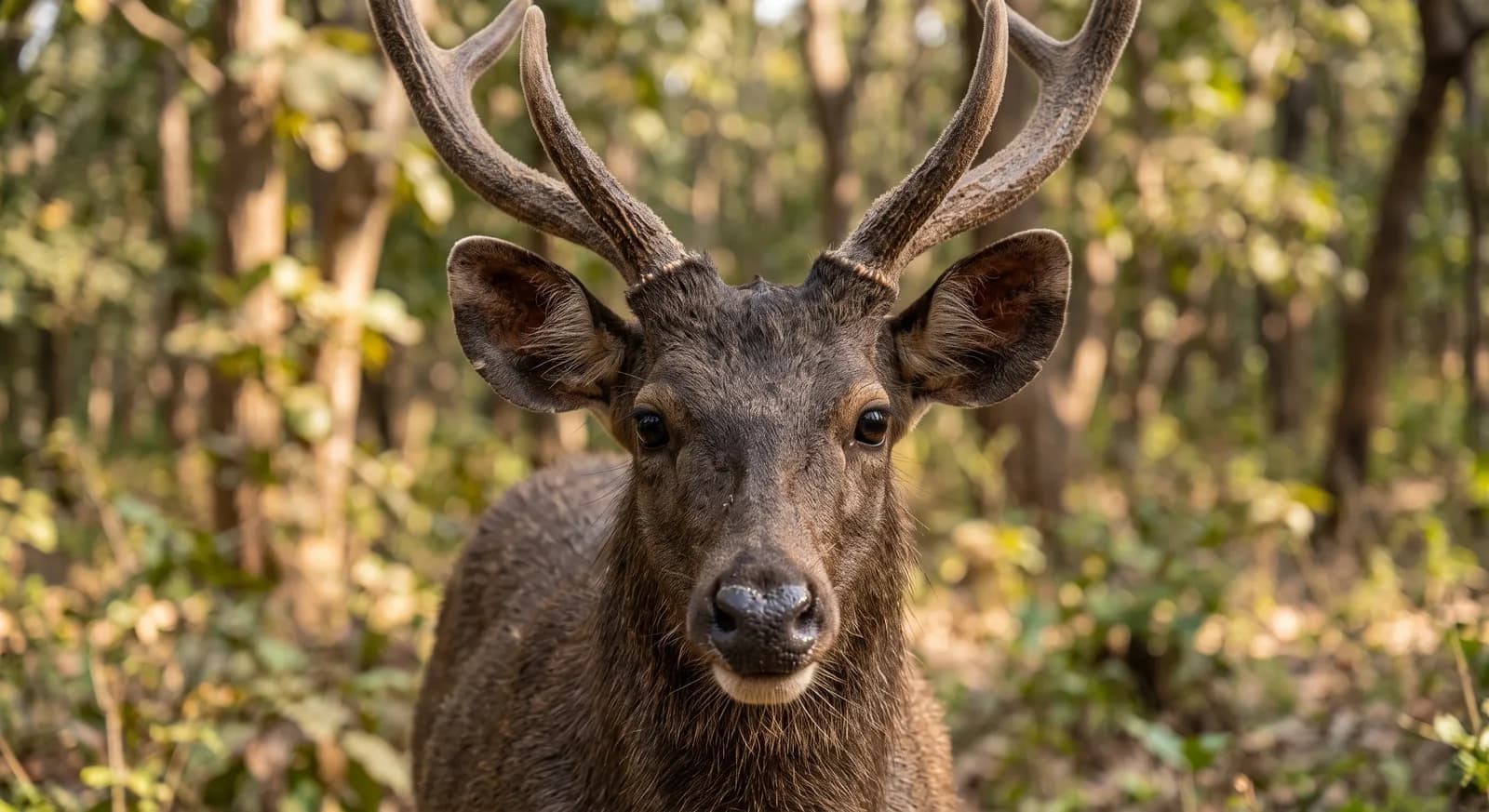
Sambar
Rusa unicolor
 Least Concern
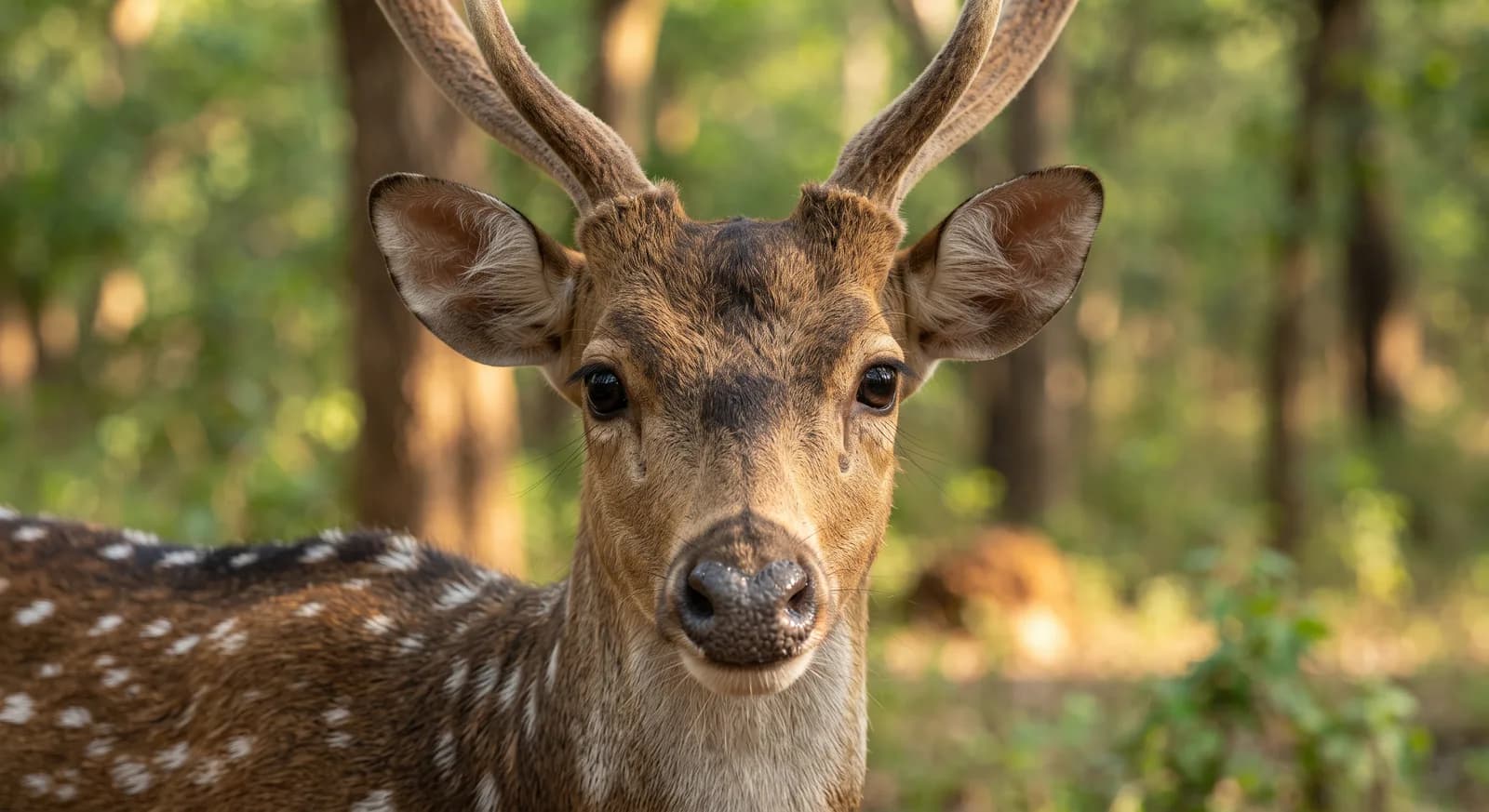
Chital
Axis axis
Indian Muntjac
Muntiacus muntjak
Indian Pangolin
Manis crassicaudata
 Endangered
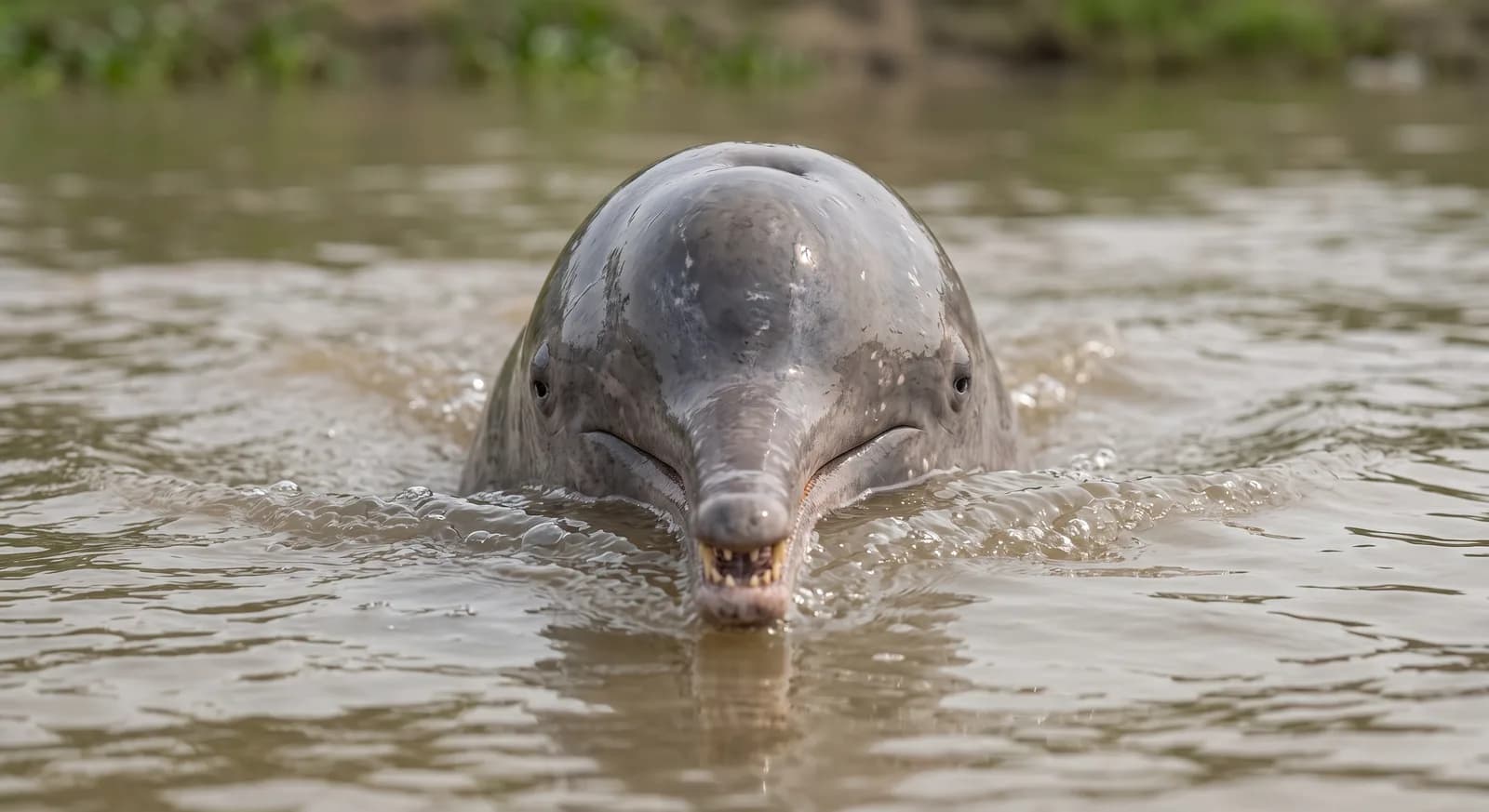
Ganges River Dolphin
Platanista gangetica
How to help
The hog deer is classified as endangered. Organizations such as UICN, WWF y Wildlife Conservation Society work specifically on its conservation and that of its habitat; looking into their programs is a good starting point if you want to get involved.
It's documented in 8 real protected areas — part of why protecting these places matters for its conservation.
Keep exploring
Based on what we already know about hog deer.
Comments
Share an experience, a fun fact or a tip for seeing the hog deer.
Be the first to comment.