North Korea
Asia
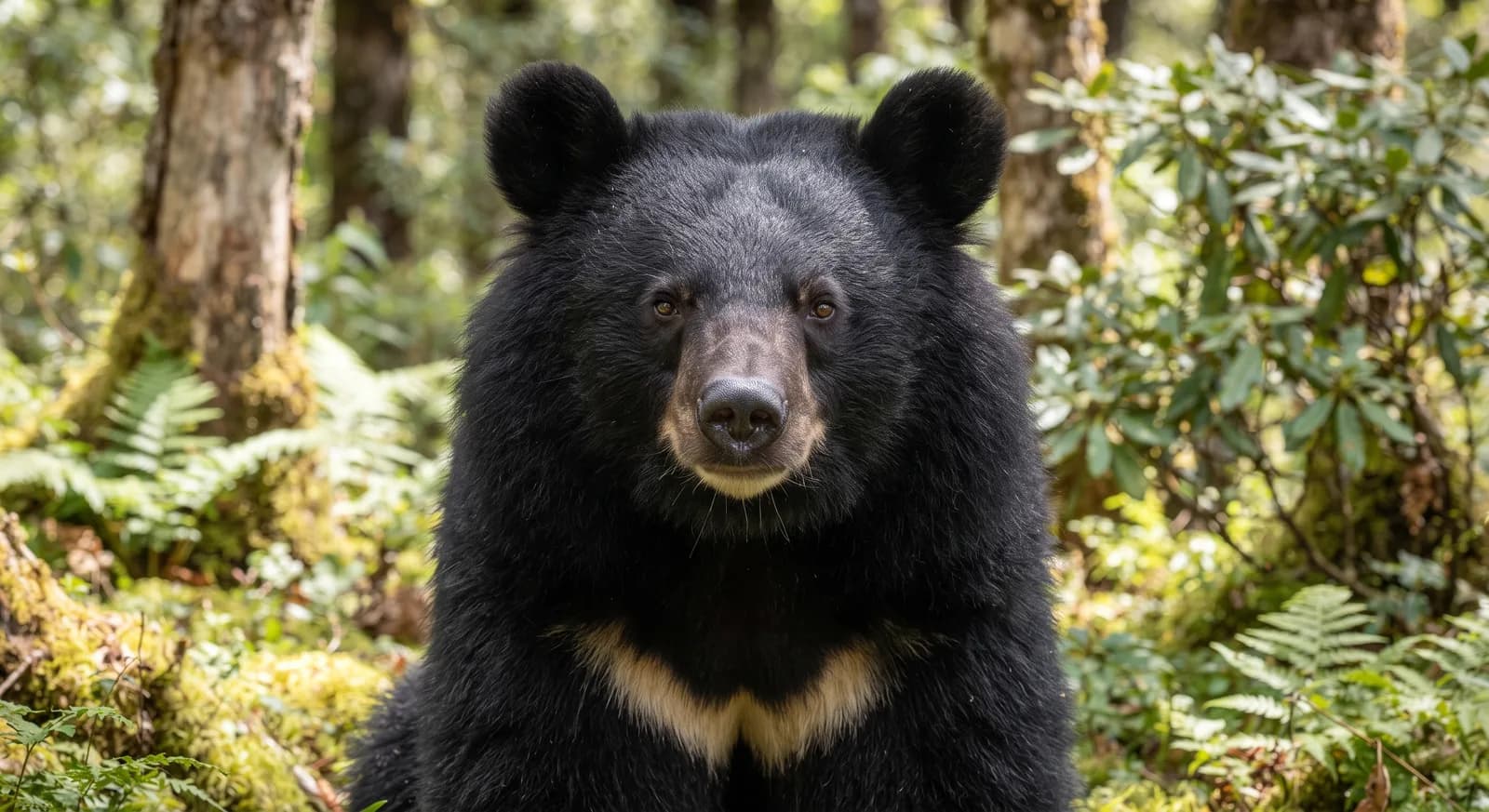
North Korea is mountainous across close to eighty per cent of its surface, with wooded ranges descending towards narrow coastal plains. On the border with China rises Mount Paektu, a volcano with an enormous crater lake of freezing water, ringed by boreal forest where Asiatic black bears, gorals and lynx survive. The east coast is steep and deep, while the western one, on the Yellow Sea, has tidal flats that form part of the most important wader migration corridor on the planet. The wetlands of Rason, in the far northeast, host spotted seals and wintering waterbirds. Deforestation for firewood and hillside cultivation has caused severe erosion across much of the country.
The nature of North Korea
National animal: The northern goshawk is the national bird; the Siberian tiger is the emblematic animal of Korean tradition
Did you know?
The demilitarised zone that separates the two Koreas is a strip some two hundred and fifty kilometres long, mined, fenced and closed to human beings since 1953. Seven decades with no farming, hunting or building have turned it into an unintended nature reserve: red-crowned cranes and white-naped cranes winter there, gorals and musk deer live there, and signs have been gathered of the presence of large carnivores gone from the rest of the peninsula.
Biodiversity profile
Climate
- •Templado monzonico (Dwa), con inviernos frios y veranos calidos y humedos; clima mas continental que Corea del Sur en el interior montañoso
Main biomes
- •Bosque templado de montaña (predominante en la mayor parte del territorio)
- •Humedales a lo largo de los valles fluviales
- •Zonas alpinas en las montañas Chilbo y Kumgang
- •Bosque boreal de montaña
- •Volcán con lago de cráter
- •Marisma mareal del mar Amarillo
- •Bosque templado caducifolio
- •Humedal costero
- •Ladera erosionada
- •Río de montaña
Marine and coastal ecosystems
- •Humedales costeros de importancia para aves, en ambas costas (Mar Amarillo y Mar del Este/Japon)
Flagship wildlife
- •Tigre siberiano/de Amur (historicamente presente, hoy muy escaso)
- •Grulla de corona roja y grulla de cuello blanco (zonas humedas)
- •Oso negro asiatico
- •Grulla de coronilla roja
- •Grulla cuelliblanca
- •Goral de cola larga
- •Ciervo almizclero siberiano
- •Foca moteada
- •Azor común
- •Lince euroasiático
- •Águila de Steller
- •Cigüeña oriental
Notable endemic species
- •Datos de endemismo especifico no disponibles con precision en fuentes internacionales verificadas consultadas; el Monte Myohyang (Reserva de la Biosfera UNESCO) y los montes Chilbo y Kumgang son reconocidos como Areas Importantes para las Aves
Notable threatened species
- •Dato no disponible con precision agregada en fuentes verificadas consultadas para el conjunto del pais
Notable protected areas
- •Monte Myohyang (Reserva de la Biosfera UNESCO, 2009)
- •Monte Kumgang y Monte Chilbo (Areas Importantes para las Aves)
- •Reserva de la Biosfera del Monte Paektu
- •Reserva de la Biosfera del Monte Kumgang
- •Reserva de la Biosfera del Monte Myohyang
- •Humedales de Rason
- •Zona desmilitarizada
- •Monte Chilbo
Main conservation threats
- •Deforestacion y expansion agricola
- •Tala ilegal y caza furtiva
- •Contaminacion industrial y minera
- •Falta de regulaciones ambientales efectivas y de capacidad de aplicacion
- •Tensiones politicas y militarizacion de zonas como la Zona Desmilitarizada, que dificultan la investigacion y gestion de la conservacion
Conservation
The Yellow Sea tidal flats are a critical stopover for waders travelling between Siberia and Australia, and their loss to land reclamation on both sides of the sea is one of the greatest threats to migratory birds in the world.
Where and when to watch wildlife
Rason in winter for spotted seals and waterbirds. Mount Paektu in summer for boreal flora and fauna. The western tidal flats in spring and autumn for the wader passage.
La informacion disponible sobre biodiversidad de Corea del Norte es limitada en fuentes internacionales, dada la escasa investigacion contemporanea accesible sobre el estado de sus areas protegidas.
Sources: BioDB.com - North Korea | ScienceDirect - National parks and protected areas North Korea
Parks and reserves
Países similares
¿A dónde más podría interesarme viajar?
Misma región: Asia Oriental
Misma región: Asia Oriental
Misma región: Asia Oriental
Misma región: Asia Oriental
Especies documentadas en North Korea
105 species found
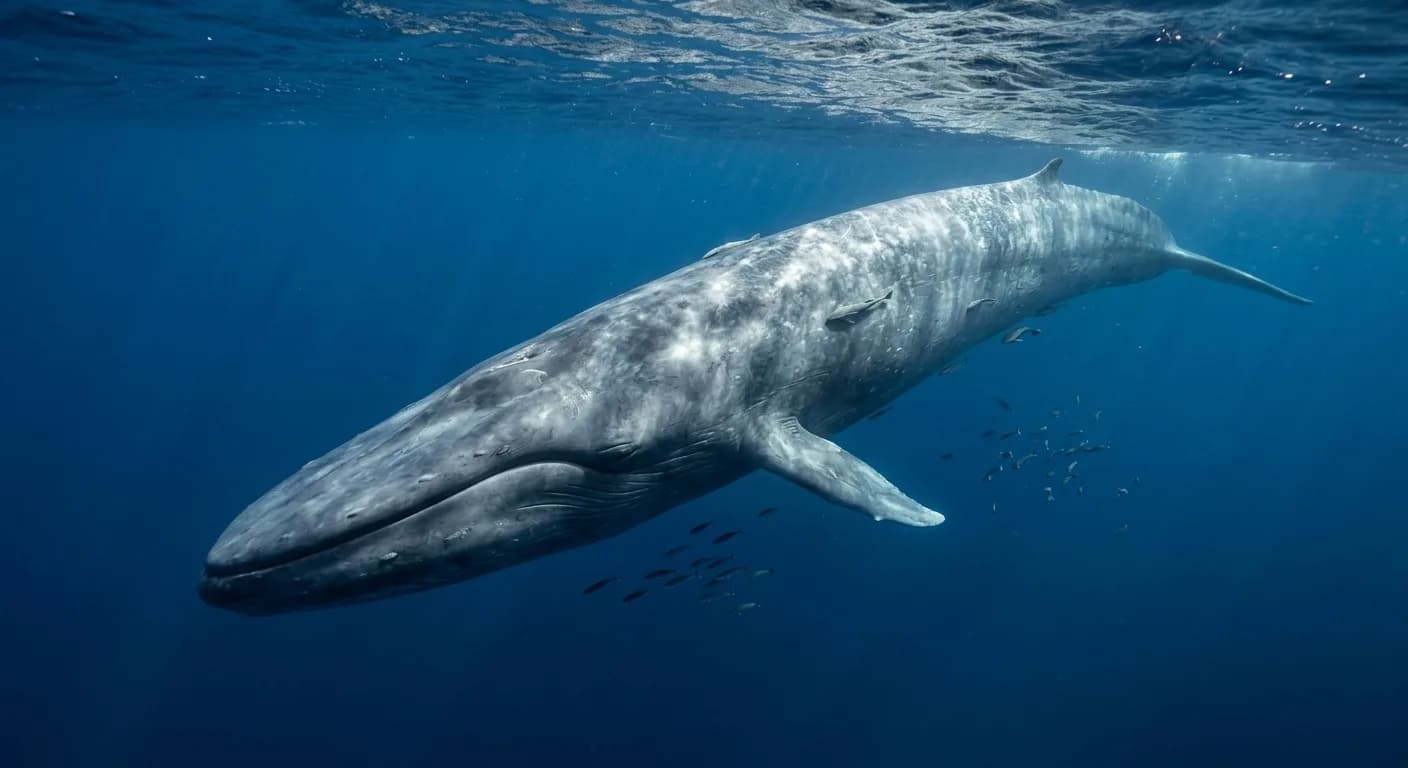 Endangered
Blue Whale
Balaenoptera musculus
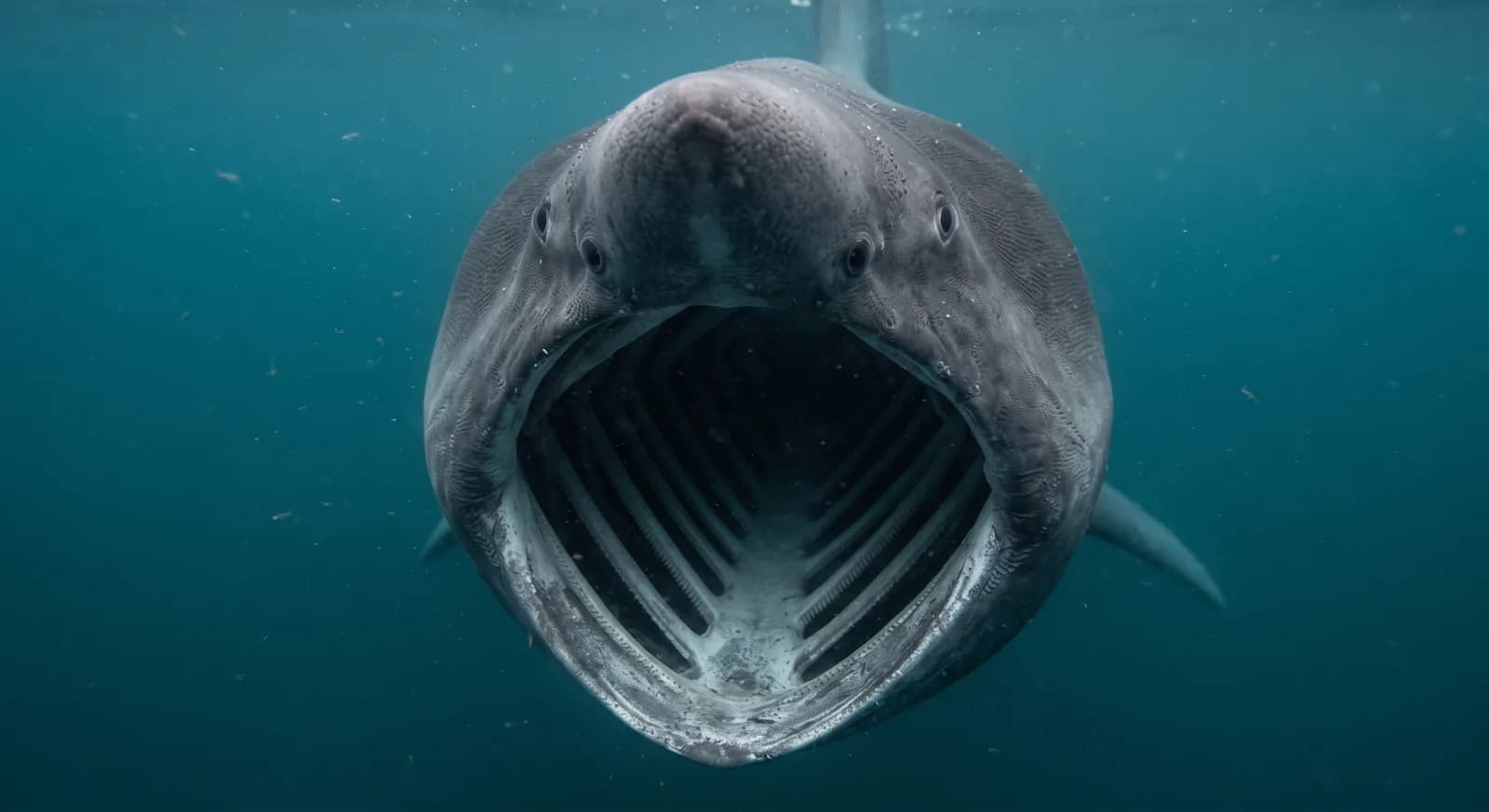 Endangered
Basking Shark
Cetorhinus maximus
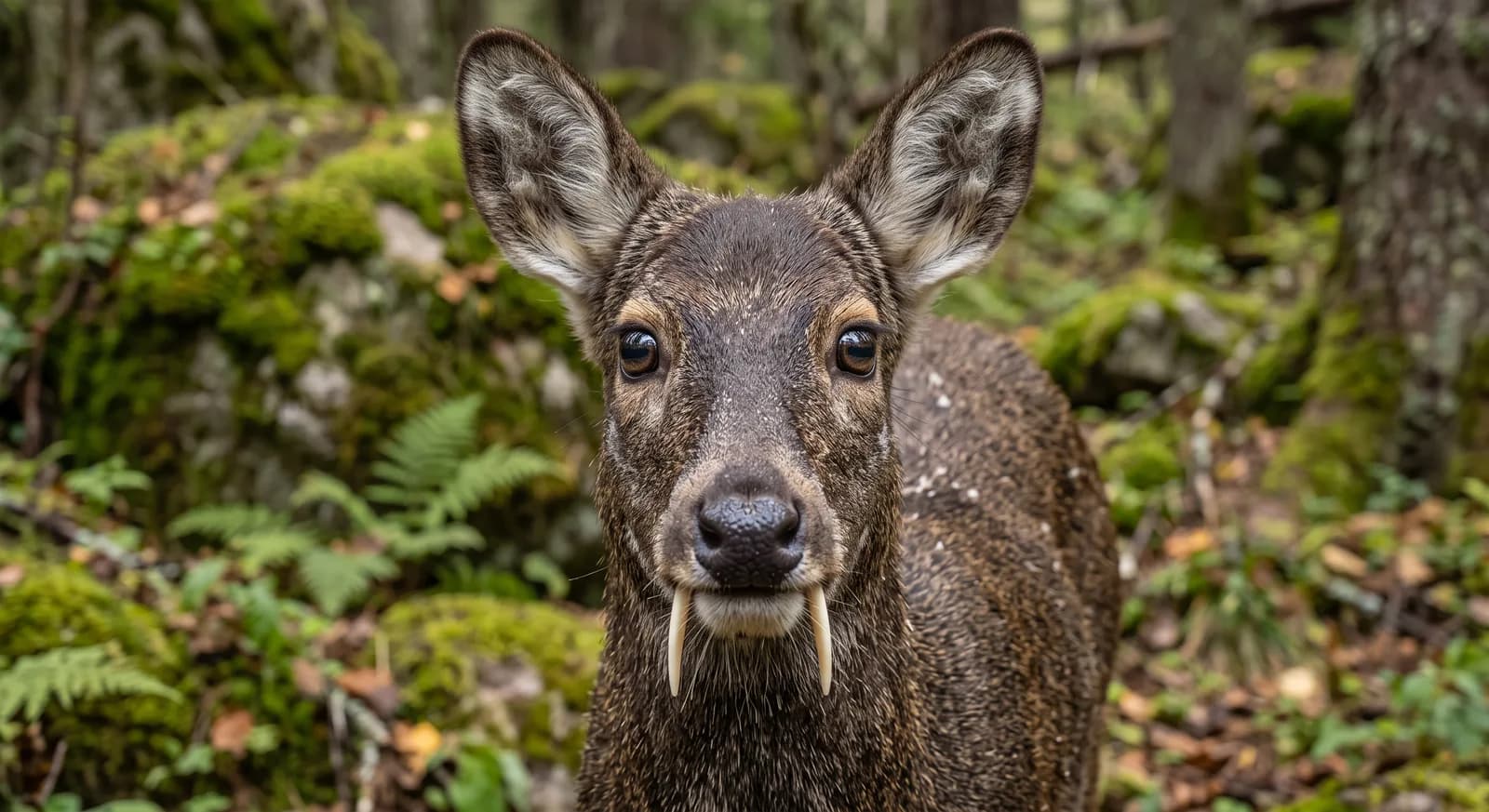 Vulnerable
Siberian Musk Deer
Moschus moschiferus
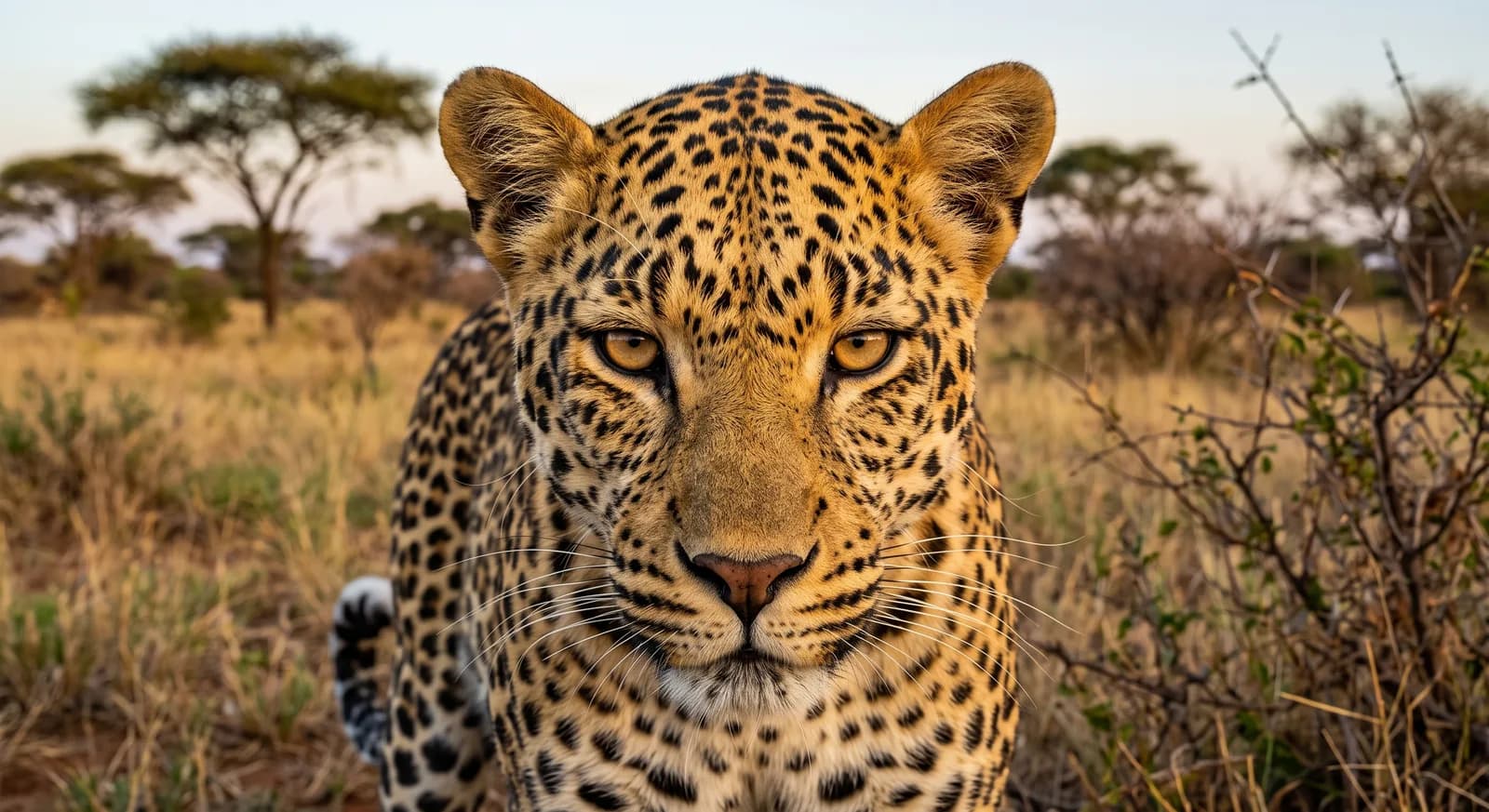 Vulnerable
Leopard
Panthera pardus
 Vulnerable
Asiatic Black Bear
Ursus thibetanus
 Near Threatened
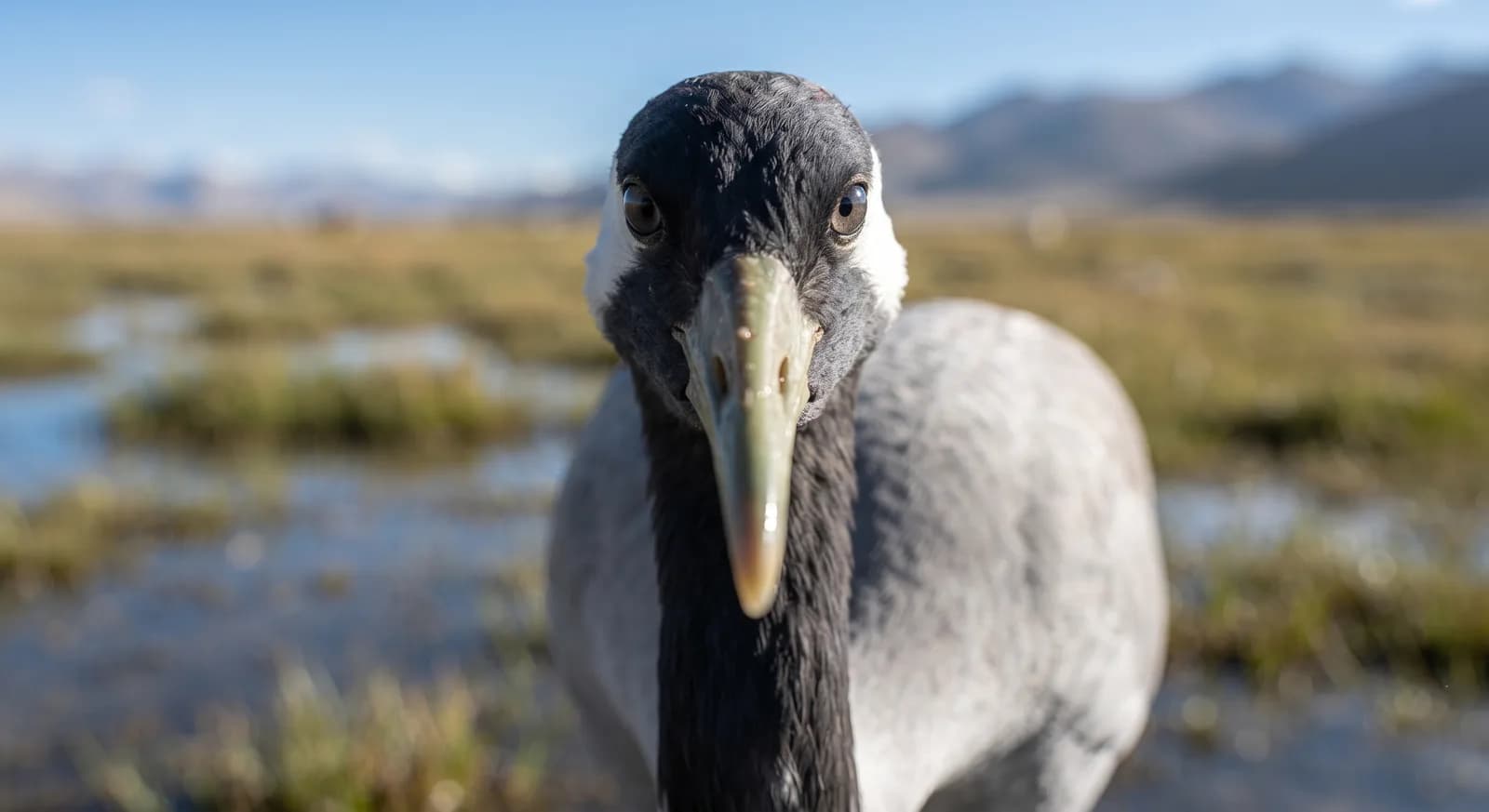
Black-necked Crane
Grus nigricollis
 Near Threatened
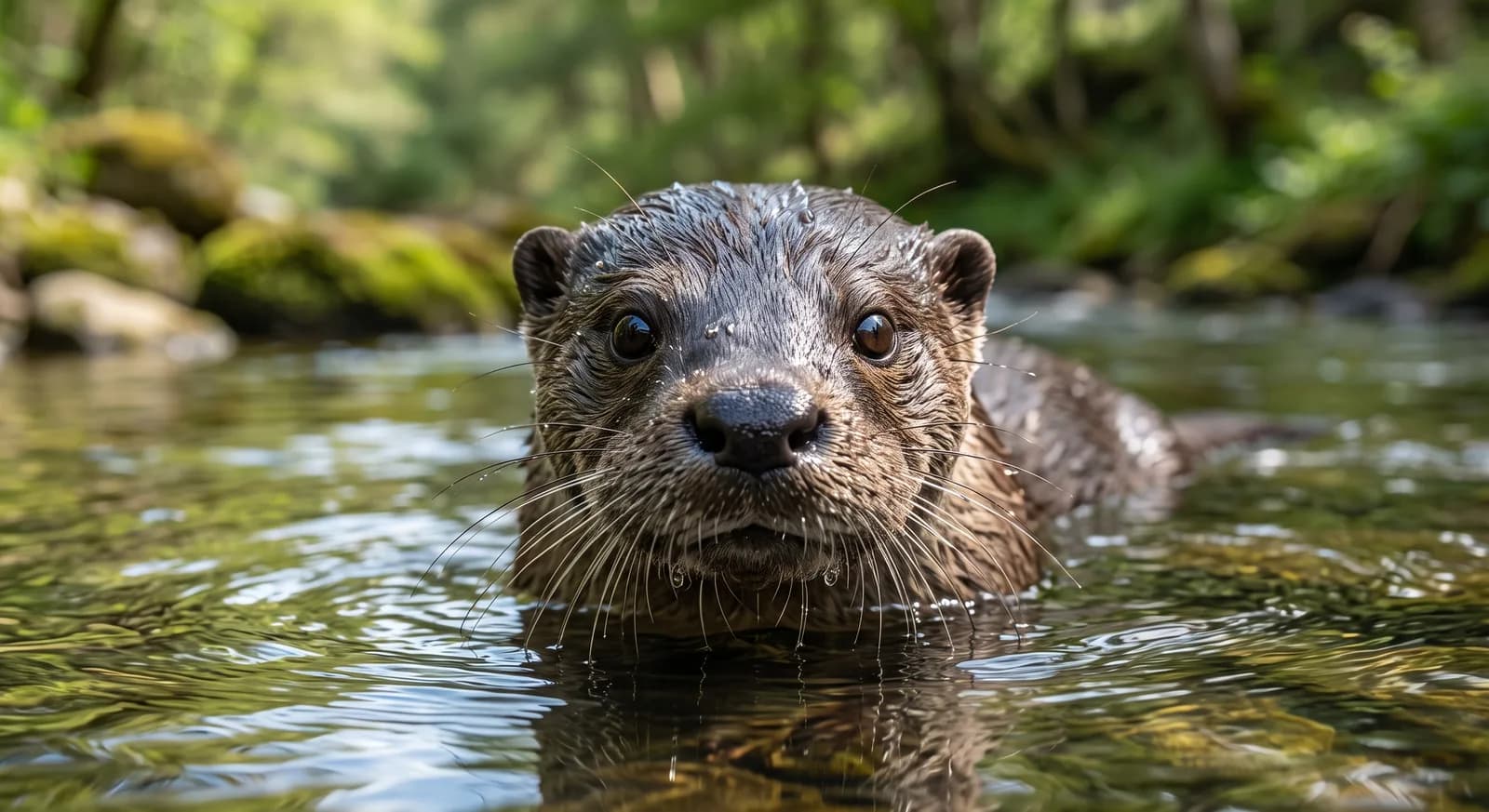
European Otter
Lutra lutra
 Near Threatened
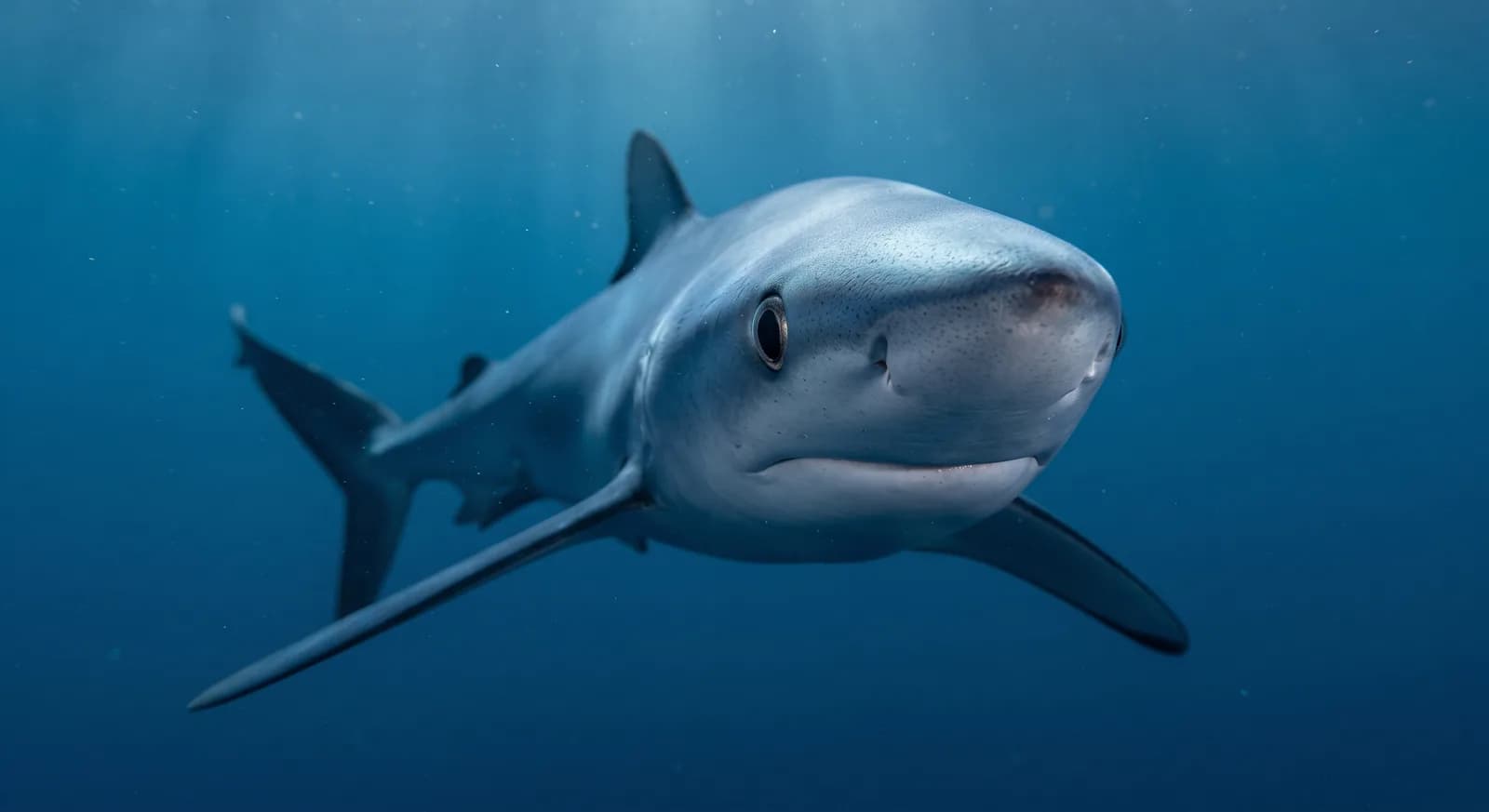
Blue Shark
Prionace glauca
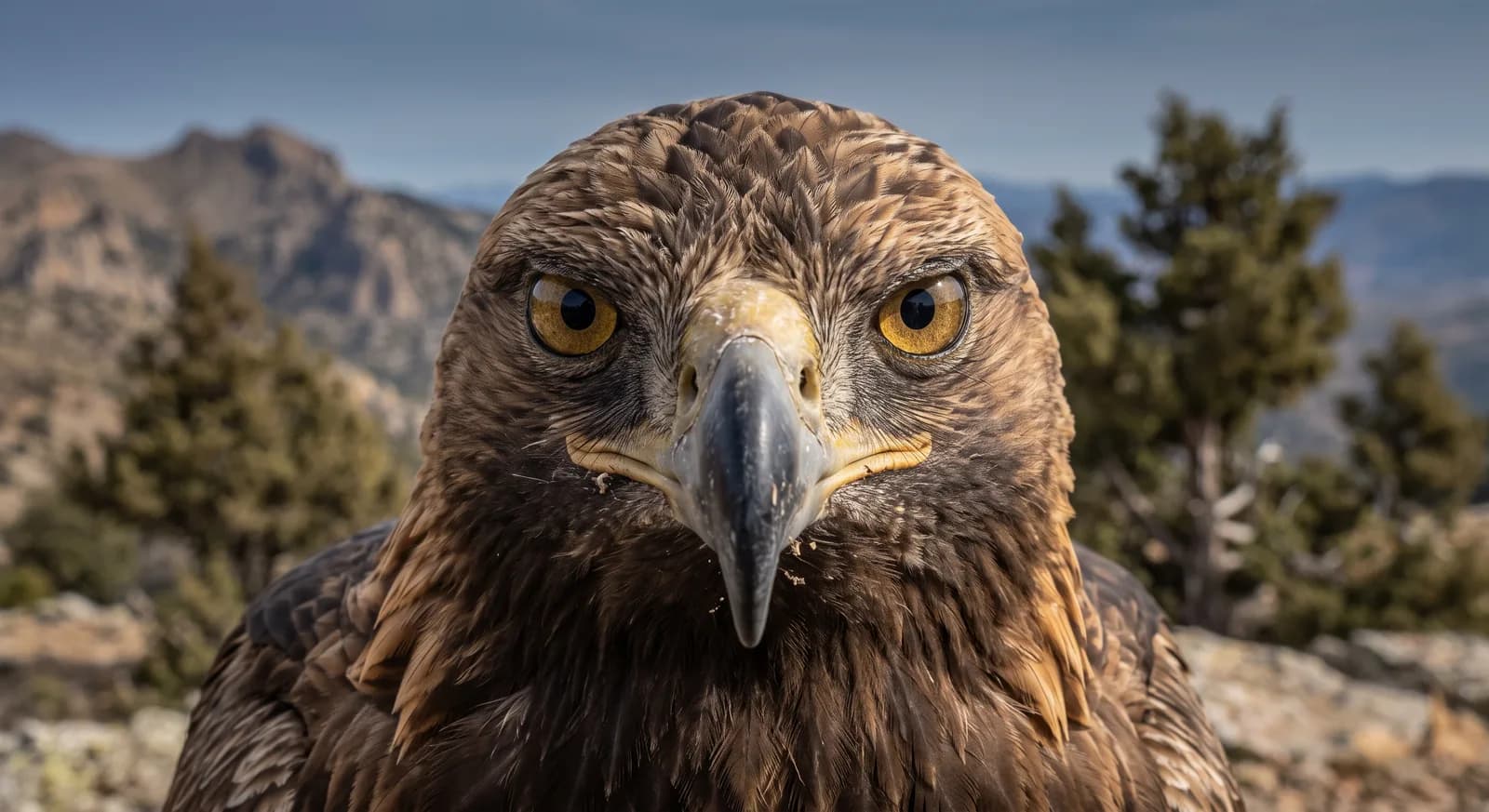 Least Concern
Golden Eagle
Aquila chrysaetos
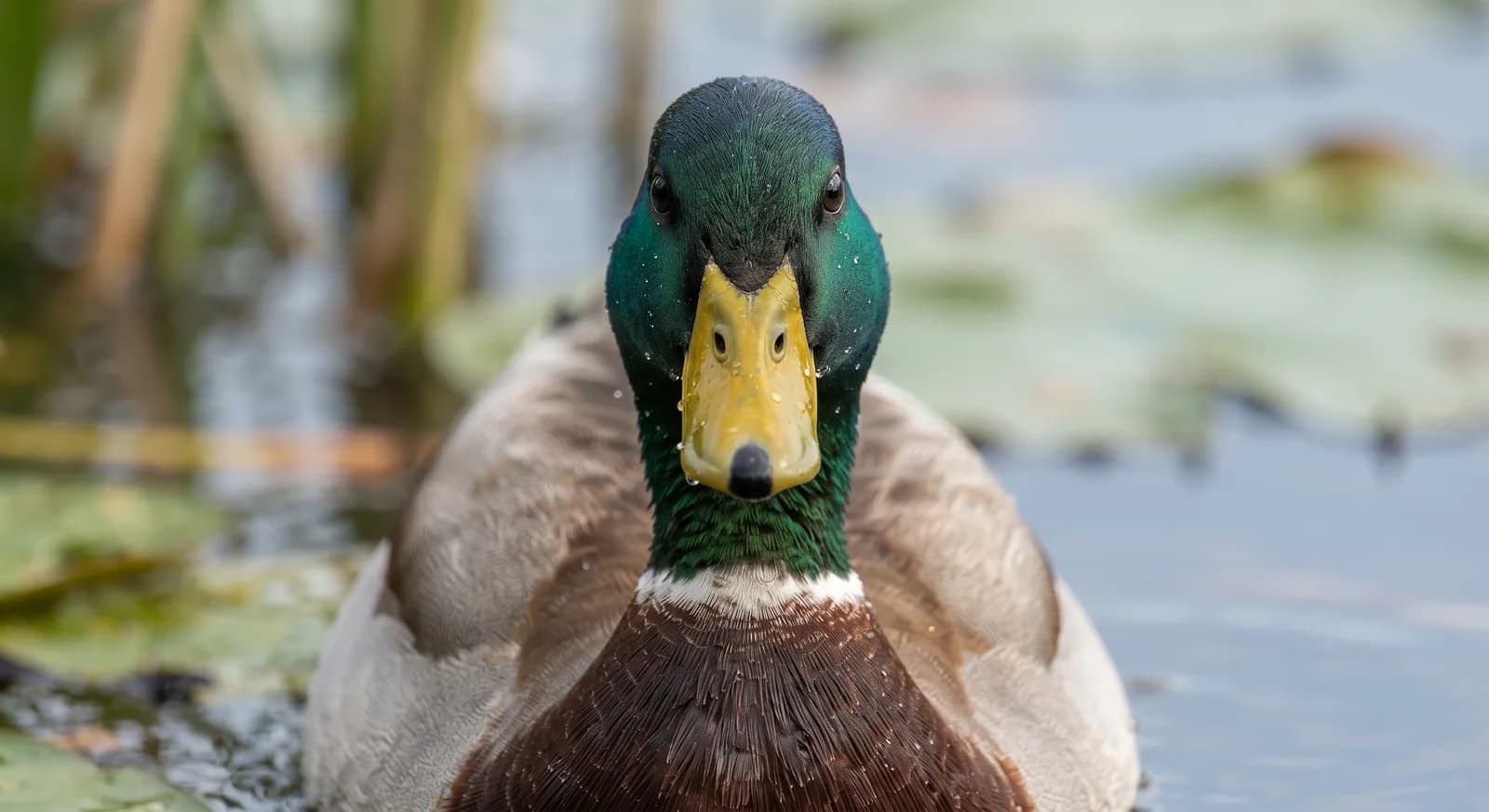 Least Concern
Mallard
Anas platyrhynchos
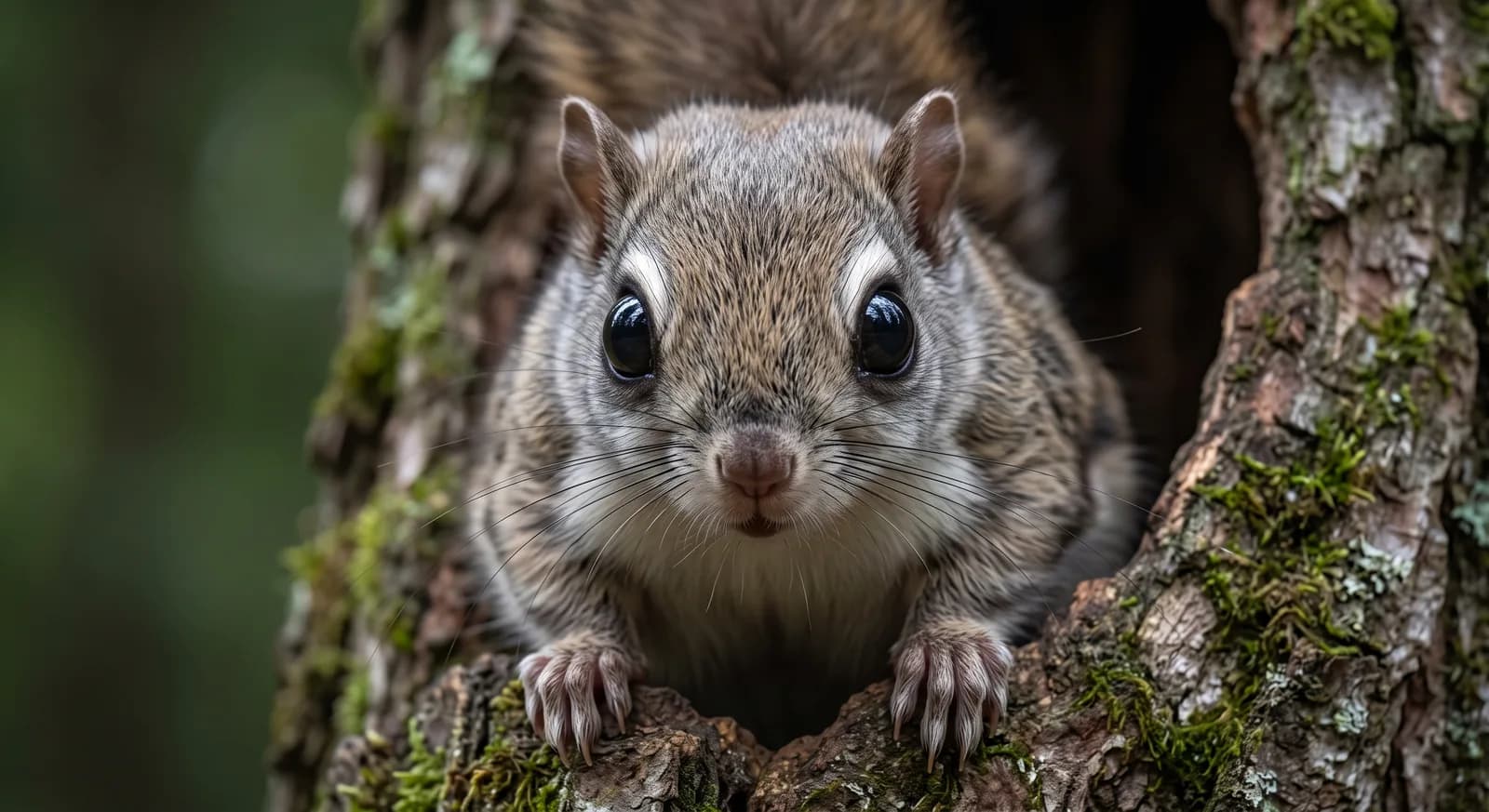 Least Concern
Siberian Flying Squirrel
Pteromys volans
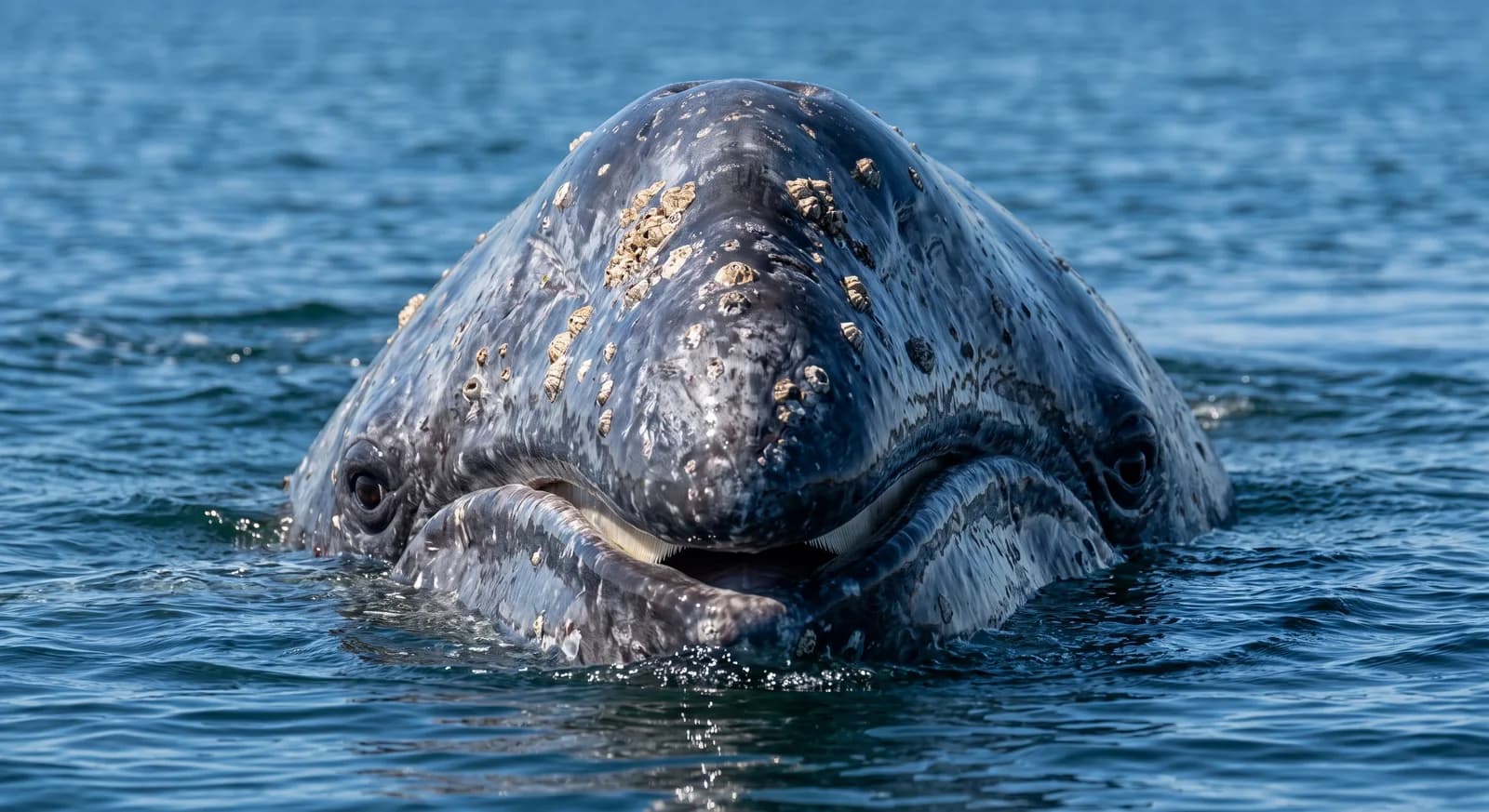 Least Concern
Gray Whale
Eschrichtius robustus
Keep exploring
Based on what we already know about North Korea.