One of the 7 whales on WAnimals
Mammals · Artiodactyla · Eschrichtiidae
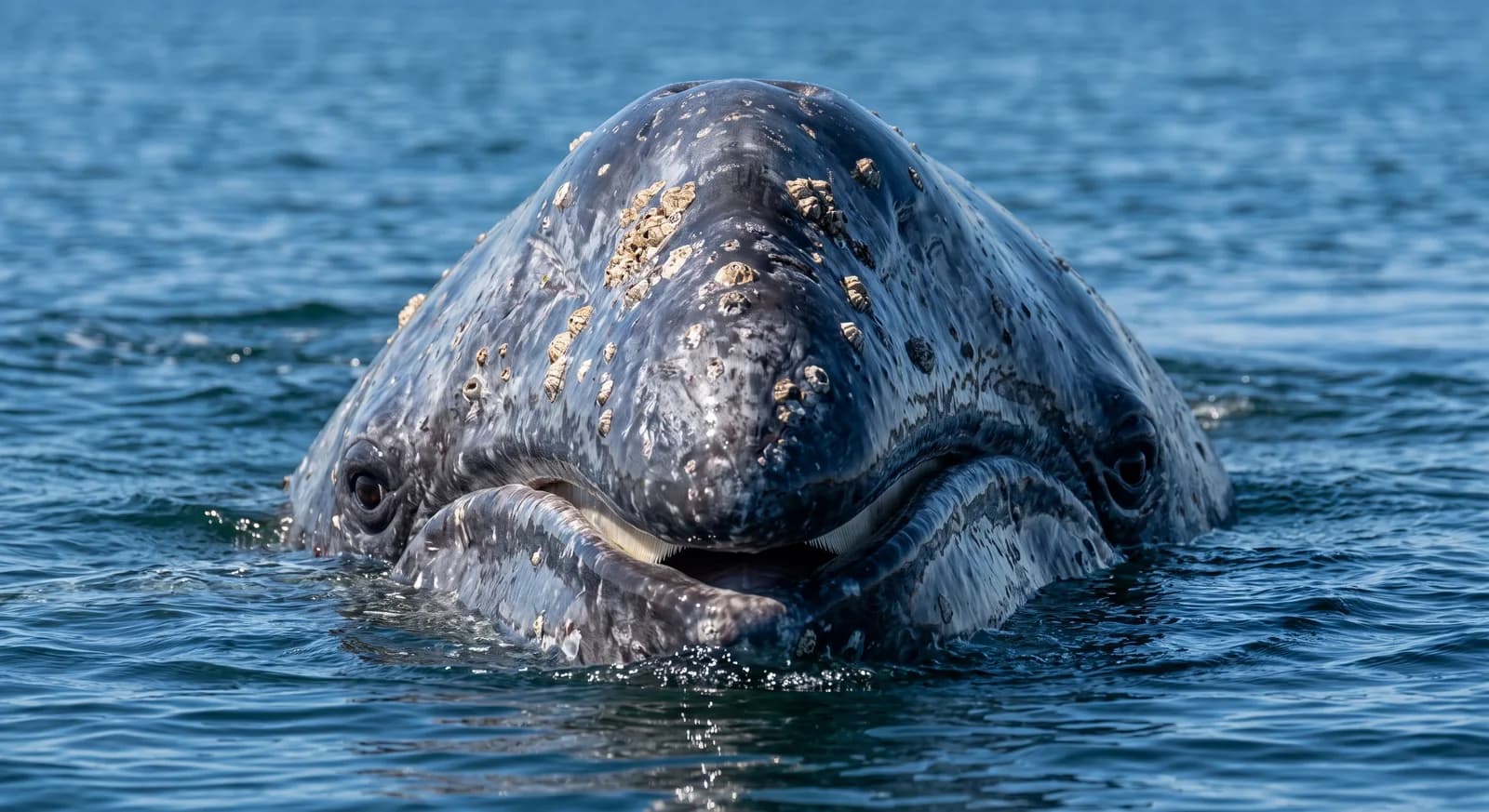
Gray Whale
Eschrichtius robustus
The species is abundant and widely distributed; it faces no significant short-term risk. See full glossary
It makes the longest documented annual migration of any mammal, covering up to 16,000 km there and back between its Arctic feeding grounds and its calving lagoons in Baja California.
Weight
27 t – 45 t
Size
14.9 m – 15.2 m
Lifespan
60 years
Diet
Omnivore
Combines animal and plant food depending on availability.
Activity
Irregular activity
Active at irregular times, by day or night depending on circumstances.
Social structure
Solitary
Lives and hunts alone, joining others only to breed.
Sighting difficulty
Easy
Fun facts
- It makes the longest annual migration of any mammal, up to 16,000 km there and back.
- It is described as a 'living fossil', the most primitive species in its suborder.
- It feeds by actively stirring up sediment from the sea floor, which no other great whale does.
- comportamientoIt makes one of the longest known migrations of any mammal, covering more than 15,000 kilometres a year between its Arctic feeding grounds and its calving grounds in the warm waters of Baja California.
- alimentaciónIt feeds mainly by ploughing the muddy sea floor with its jaw to strain out small crustaceans, unlike most baleen whales, which take prey from the water column.
Life cycle & biology
- Skeleton type
- Vertebrate - internal bony skeleton (marine mammal)
- Habitat & environment
- Coastal waters of the north Pacific, migrating between Arctic feeding grounds and shallow calving lagoons in warm water
- Birth weight
- 500 - 680 kg; 4.5 m long at birth
- Size at birth
- 4.5 m long at birth
- Sexual maturity
- 5-11 years (average 8-9 years)
- Gestation / incubation
- 12-14 months
- Litter / clutch size
- 1 young, with an interval between births of 2 years or more
Sources consulted: Alaska Dept. of Fish and Game; AnAge (genomics.senescence.info); HubPages; NOAA Fisheries; Animal Diversity Web; Wikipedia (Gray whale); WDFW; PMC (genome transcriptome assembly study)
Where to find it
See its range on the interactive mapWhere to watch it
Parques y spots de buceo donde se ha documentado esta especie — se muestran 18 de 21 documentados.
Related species
Other species in the catalogue with the most in common with Gray Whale — same habitat, park, country, tags or family.
 Least Concern
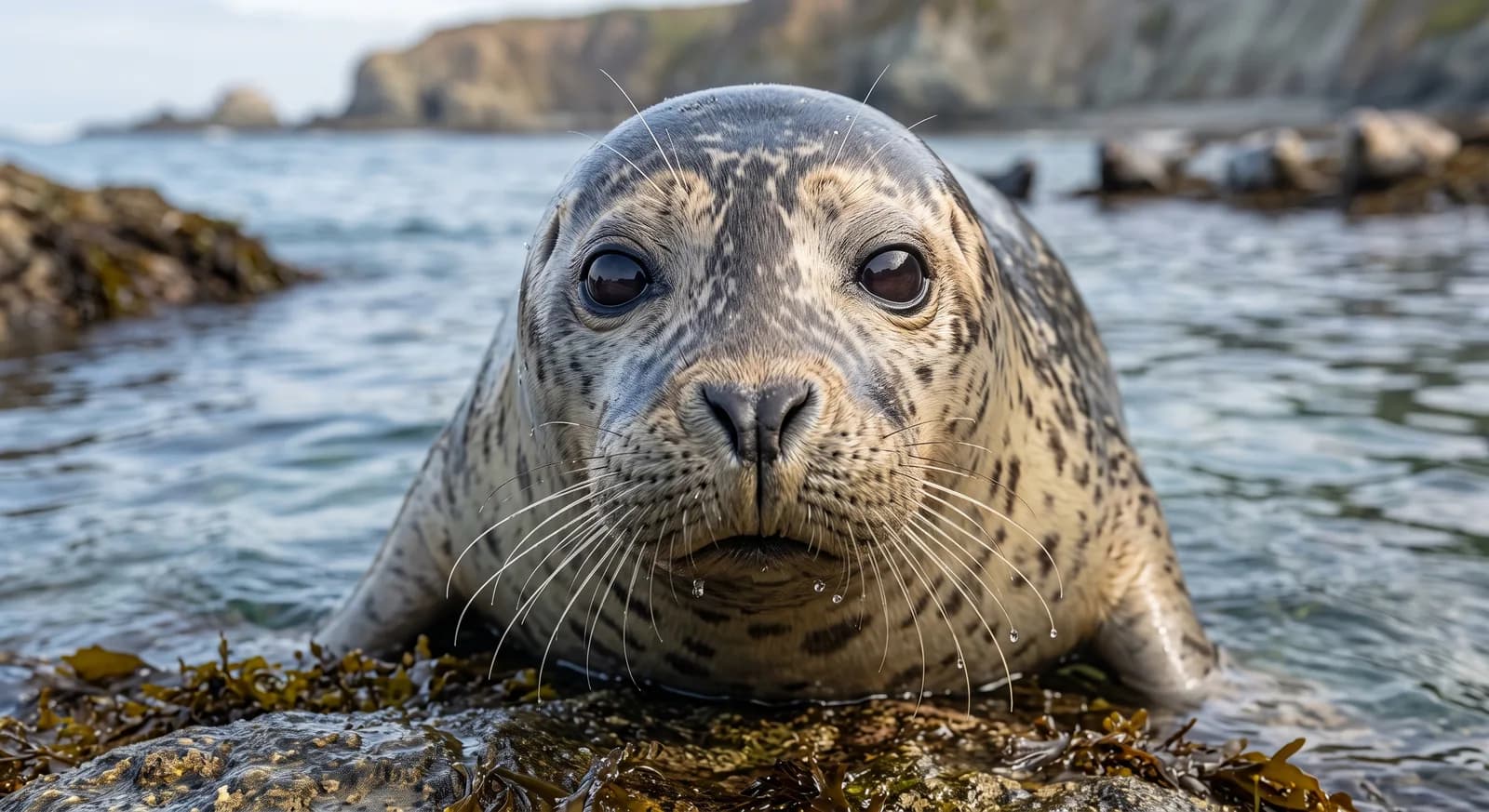
Harbor Seal
Phoca vitulina
 Least Concern
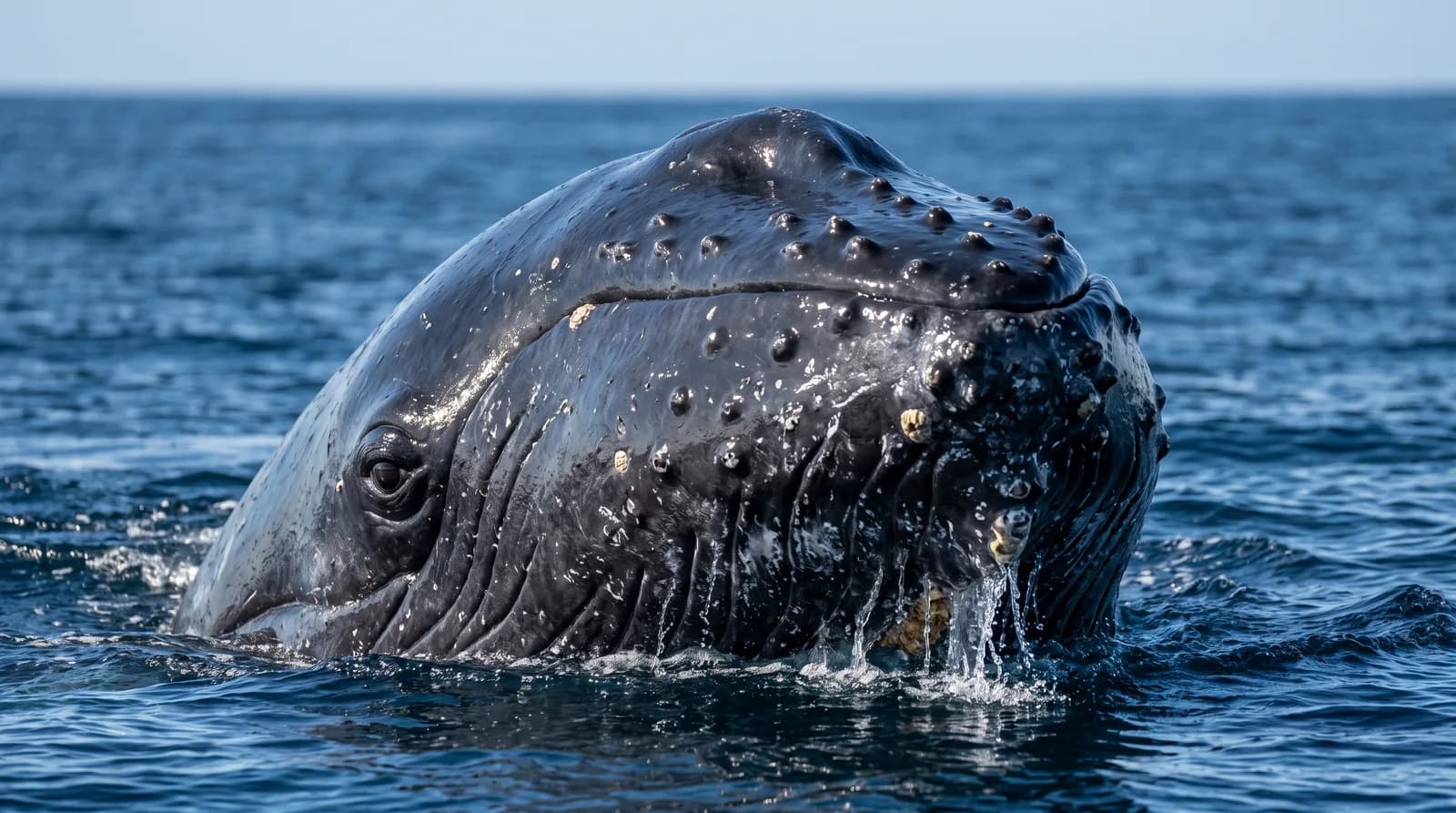
Humpback Whale
Megaptera novaeangliae
Cuvier's Beaked Whale
Ziphius cavirostris
Minke Whale
Balaenoptera acutorostrata
 Endangered
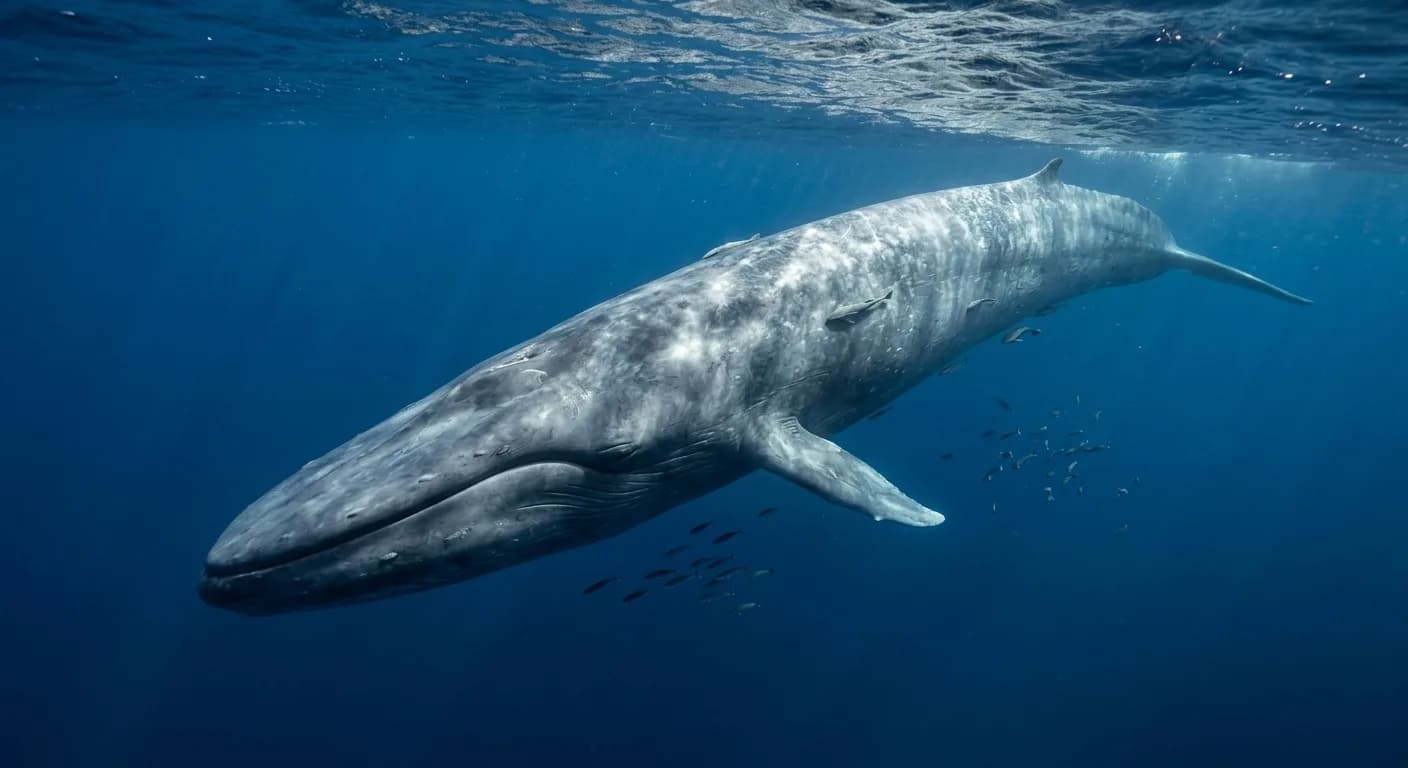
Blue Whale
Balaenoptera musculus
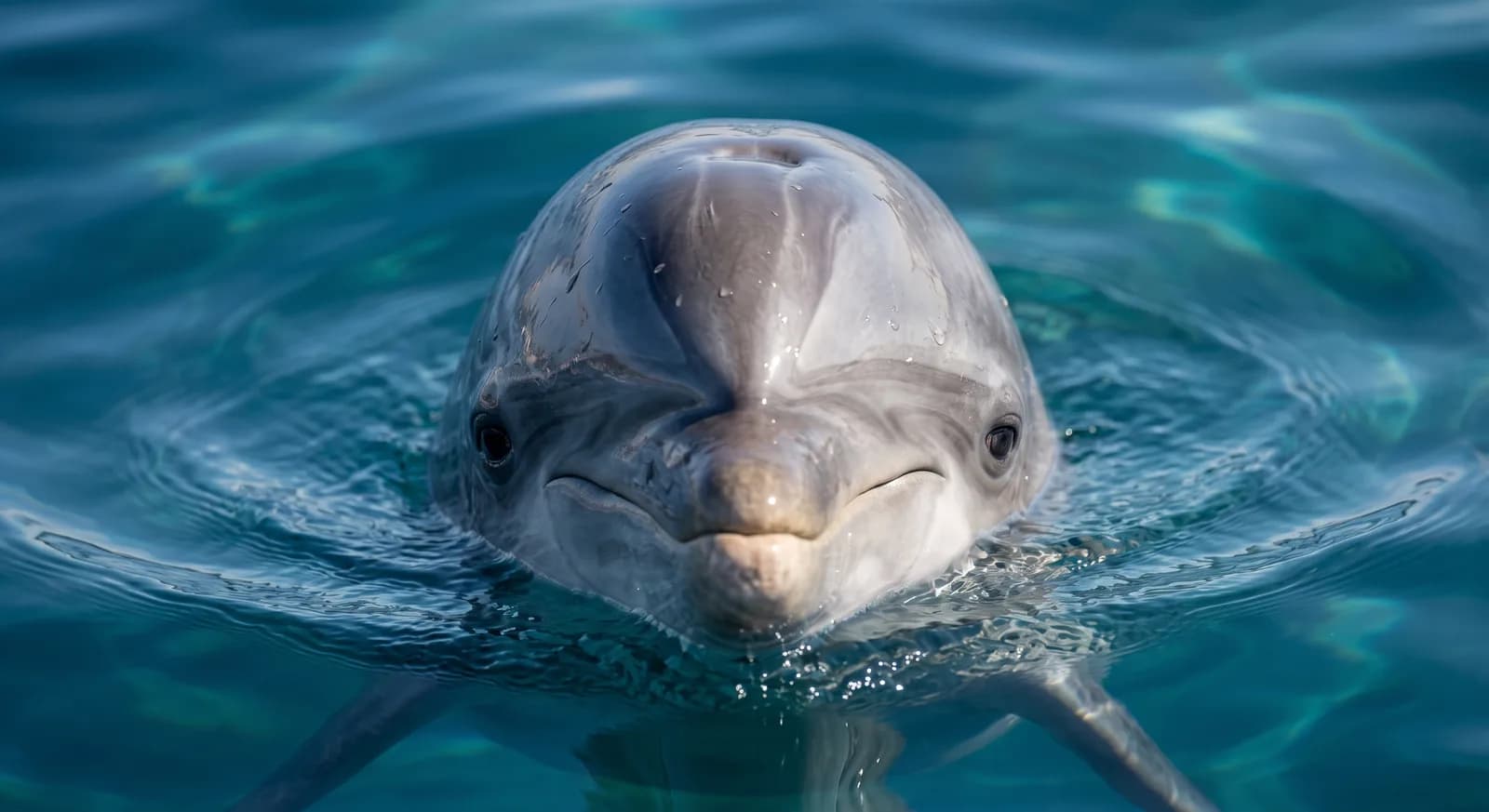 Least Concern
Bottlenose Dolphin
Tursiops truncatus
Keep exploring
Based on what we already know about gray whale.
Comments
Share an experience, a fun fact or a tip for seeing the gray whale.
Be the first to comment.