South Korea
Asia
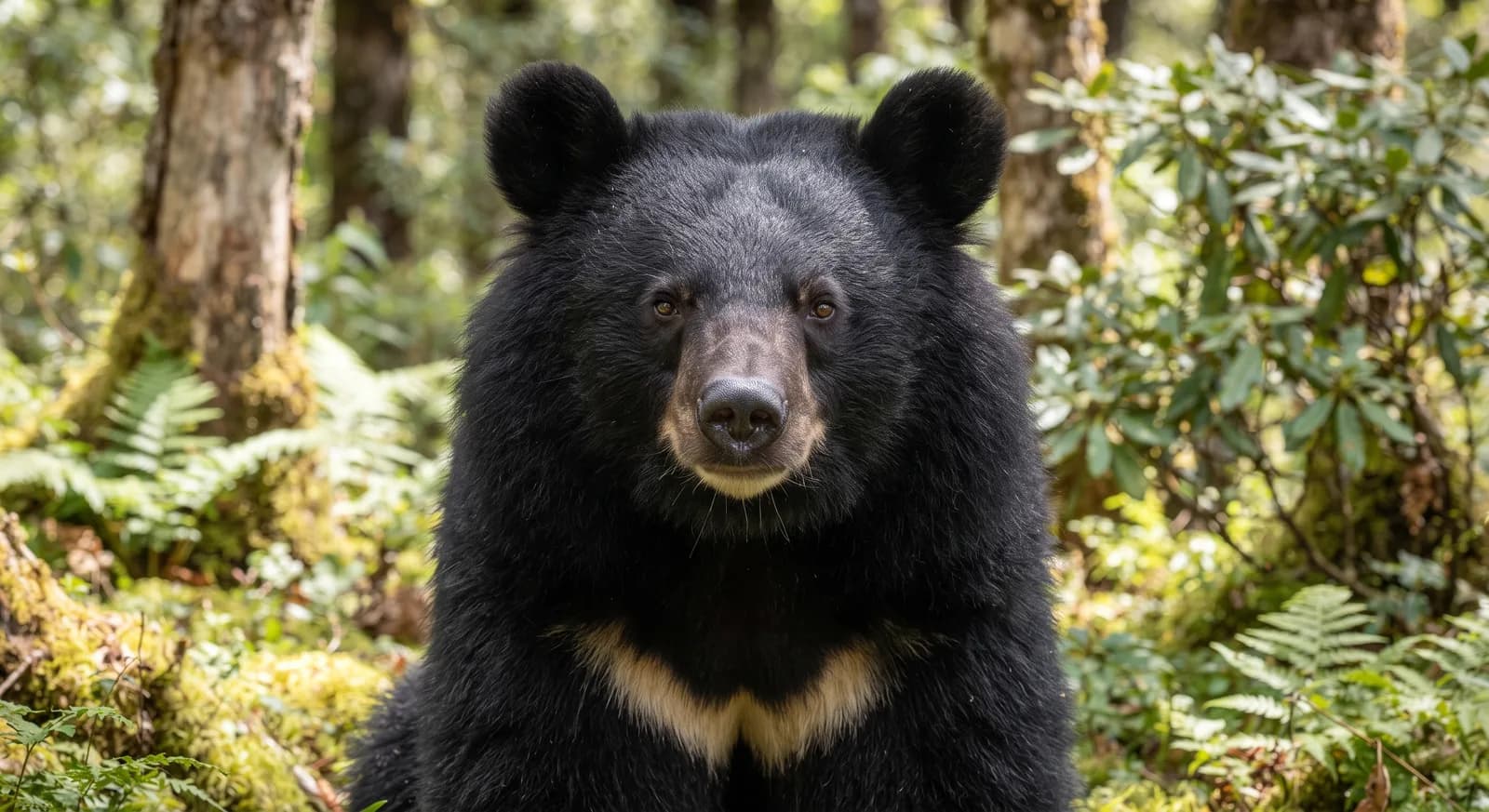
South Korea is a largely mountainous and heavily urbanised country that nonetheless keeps ecosystems of international importance. Its tidal flats on the west and south coasts, the getbol, form one of the largest marsh systems in the world and are an essential stopover on the East Asian-Australasian flyway, along which millions of waders travel between Siberia and Oceania. The volcanic island of Jeju, with Mount Halla, its lava tubes and its cinder cones, is a World Heritage Site and keeps temperate laurel forests. Inland, the Seoraksan and Jirisan parks protect conifer and deciduous forests where the Asiatic black bear has been reintroduced. Suncheon bay, with its reedbeds, hosts hooded cranes each winter.
The nature of South Korea
National animal: The Korean tiger is the national animal; the Korean magpie is the national bird
Did you know?
The South Korean marshes are the filling station for birds such as the spoon-billed sandpiper, a tiny wader with a spatula-shaped bill of which fewer than five hundred pairs are left in the world. During its stopover on the Yellow Sea it can double its body weight in a few weeks feeding on the mud, a fat reserve essential to completing a journey of thousands of kilometres to Southeast Asia.
Biodiversity profile
Climate
- •Templado monzonico (Dwa/Cfa), con veranos calidos y humedos e inviernos frios y secos, cuatro estaciones bien diferenciadas
Main biomes
- •Bosque templado caducifolio y de coniferas (dominante en la mayor parte del territorio)
- •Bosque perennifolio de hoja ancha en el sur y las islas (clima calido-templado)
- •Vegetacion subalpina en las montañas del cordon Baekdudaegan y el Monte Hallasan
- •Marisma mareal getbol
- •Bosque templado caducifolio
- •Isla volcánica con tubos de lava
- •Cañaveral costero
- •Bosque de coníferas de montaña
- •Laurisilva templada
- •Humedal fluvial
Marine and coastal ecosystems
- •Extenso litoral con humedales costeros de importancia para aves migratorias
- •Zona Desmilitarizada (DMZ) como santuario involuntario de biodiversidad entre ambas Coreas
Flagship wildlife
- •Grulla de corona roja (invernada en la DMZ)
- •Oso negro coreano
- •Goral coreano
- •Foca (aguas costeras)
- •Correlimos cuchareta
- •Grulla encapuchada
- •Grulla de coronilla roja
- •Oso negro asiático
- •Goral de cola larga
- •Espátula menor
- •Nutria paleártica
- •Ciervo almizclero siberiano
- •Foca moteada
- •Cigüeña oriental
Notable endemic species
- •179 especies de plantas endemicas evaluadas en estudios recientes de modelado climatico, con centros de endemismo en el cordon montañoso Baekdudaegan, el Monte Hallasan y zonas insulares del sur
- •Rana de Suweon
- •Musaraña de Jeju
Notable threatened species
- •Especies endemicas de distribucion restringida proyectadas a migrar hacia mayores altitudes y latitudes por el cambio climatico, aumentando su vulnerabilidad
- •Multiples especies vegetales en peligro bajo la Ley de Proteccion y Gestion de Vida Silvestre
Notable protected areas
- •Parque Nacional Seoraksan (Reserva de la Biosfera UNESCO)
- •Parque Nacional Jirisan
- •Isla de Jeju (Reserva de la Biosfera y Patrimonio Mundial, volcan Hallasan)
- •Marismas getbol del litoral
- •Parque Nacional de Jirisan
- •Parque Nacional de Seoraksan
- •Isla volcánica de Jeju
- •Bahía de Suncheon
- •Parque Nacional de Hallasan
Main conservation threats
- •Perdida de habitat por urbanizacion e industrializacion acelerada
- •Reduccion sustancial de humedales, tierras de cultivo y zonas forestales en las ultimas dos decadas
- •Mas de 2.000 especies exoticas identificadas, varias invasoras
- •Caza furtiva y comercio ilegal de vida silvestre
Notable natural phenomena
- •La Zona Desmilitarizada (DMZ) funciona como refugio involuntario de biodiversidad al llevar mas de 70 años sin actividad humana significativa
Conservation
The getbol were declared a World Heritage Site in 2021 after decades of land reclamation destroyed much of the marshland. The Asiatic black bear has been reintroduced in Jirisan since 2004 and is breeding in the wild again.
Where and when to watch wildlife
The western marshes in April and May and again in September for migrating waders. Suncheon between November and February for hooded cranes. Jeju in spring for island flora.
Sources: Nature Scientific Reports - Climate-induced distribution dynamics South Korean endemic plants | BioDB.com - Korea | PMC - Mapping Endangered Plant Distributions South Korea
Parks and reserves
Getbol (marismas coreanas)
Yellow Sea tidal marshes, a decisive stopover on the East Asian-Australasian Flyway.
View parkNational ParkGyeongju
The mountains and valleys around the ancient Silla capital, a national park that protects archaeological heritage above all.
View parkNational ParkHallasan
It protects South Korea's highest peak, an extinct shield volcano with a crater lake at its summit
View parkNational ParkSeoraksan National Park
A massif of granite peaks, reckoned the most spectacular in South Korea.
View parkNational ParkBukhansan
A granite massif inside Seoul, reckoned the most visited national park per unit area in the world.
View parkNational ParkByeonsanbando
The only Korean national park that combines inland mountains and coastline on a single peninsula.
View parkNational ParkChiaksan
A forested massif in Gangwon whose name recalls the legend of the pheasant that returned a favour.
View parkNational ParkDadohaehaesang
South Korea's largest national park, an archipelago of more than seventeen hundred islands in the South Sea.
View parkNational ParkDeogyusan
A massif in the Sobaek mountains with the Gucheondong valley and the largest inland ski resort in Korea.
View parkNational ParkGayasan
The mountain shaped like a cow's head, home to Haeinsa temple and the 81,000 woodblocks of the Tripitaka Koreana.
View parkDiving and snorkelling
Países similares
¿A dónde más podría interesarme viajar?
Misma región: Asia Oriental
Misma región: Asia Oriental
Misma región: Asia Oriental
Misma región: Asia Oriental
Especies documentadas en South Korea
145 species found
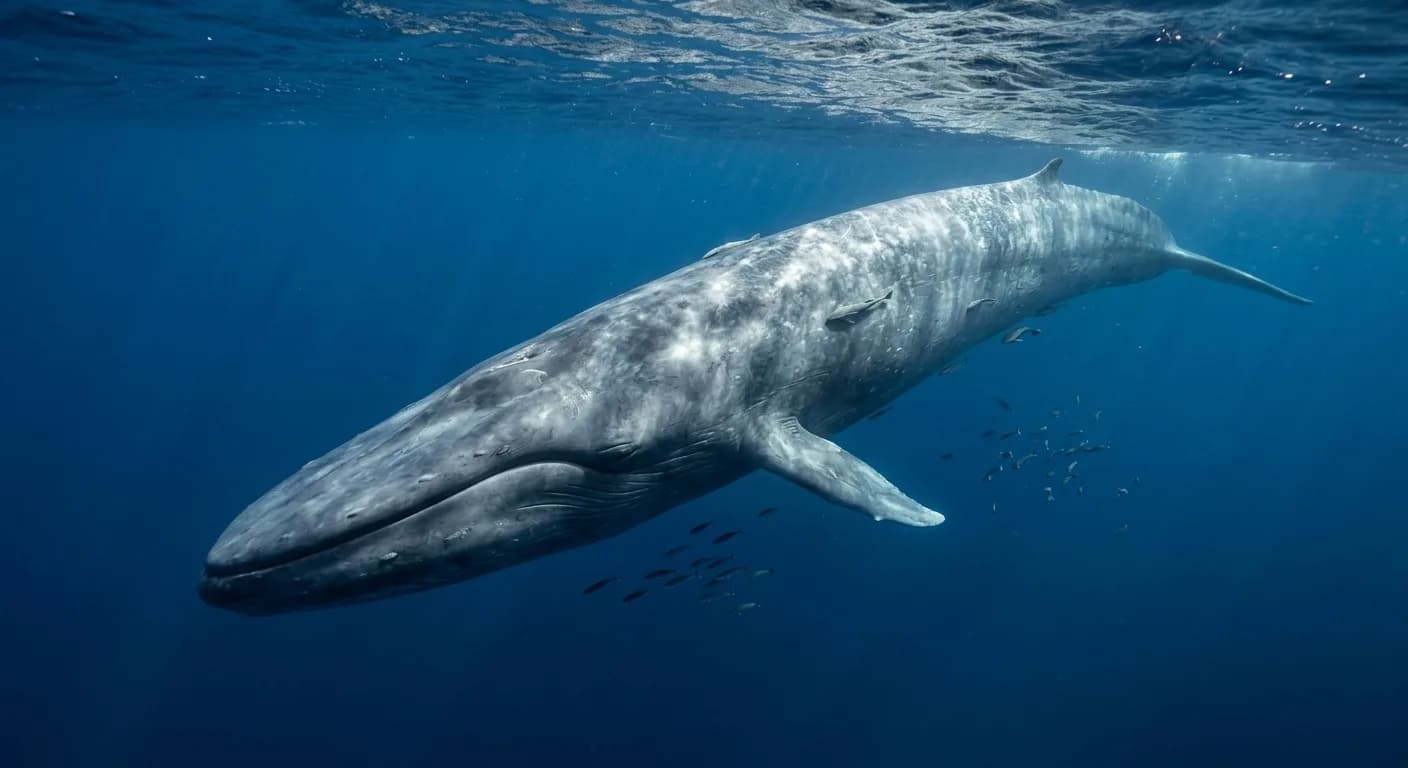 Endangered
Blue Whale
Balaenoptera musculus
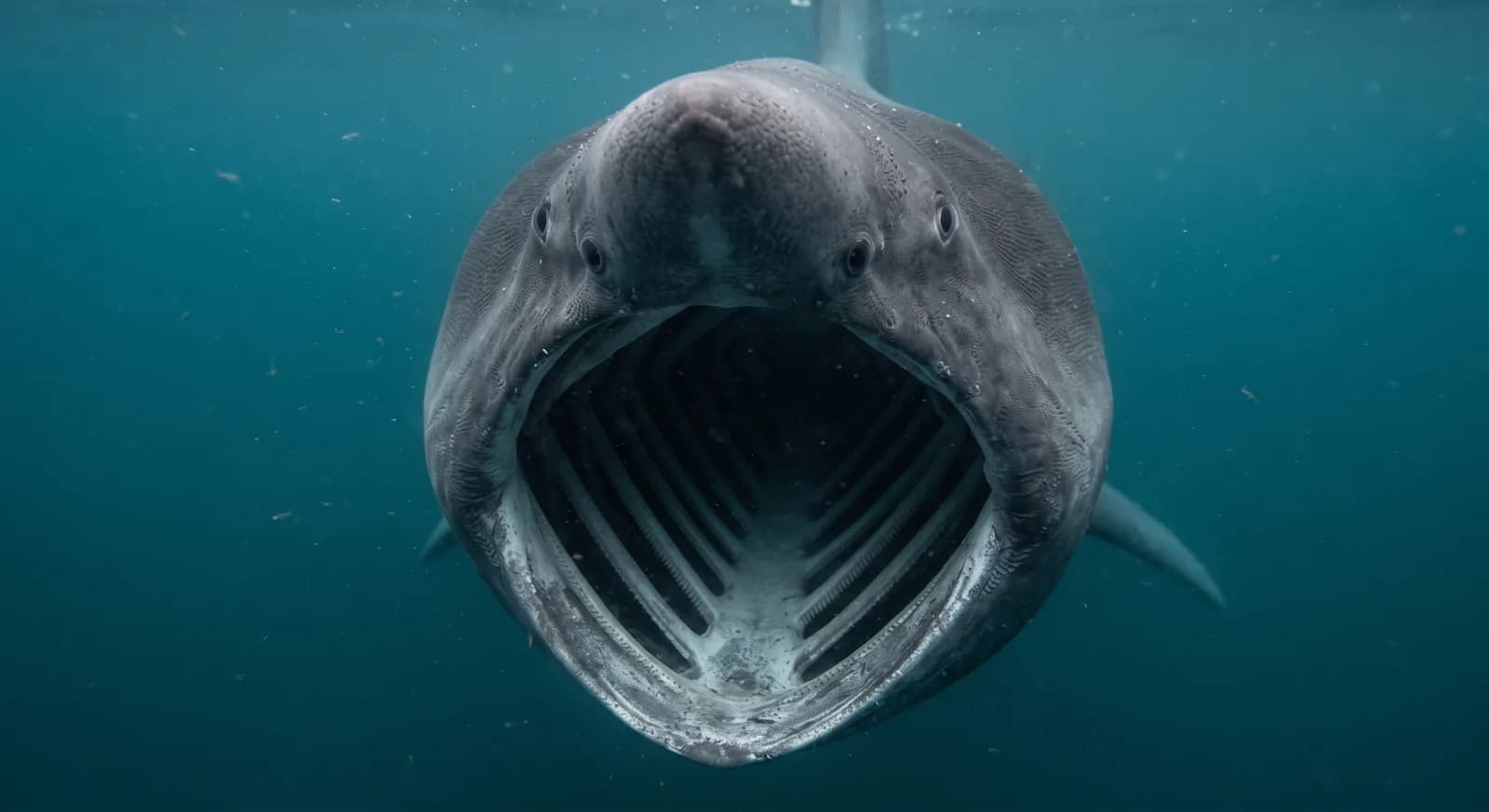 Endangered
Basking Shark
Cetorhinus maximus
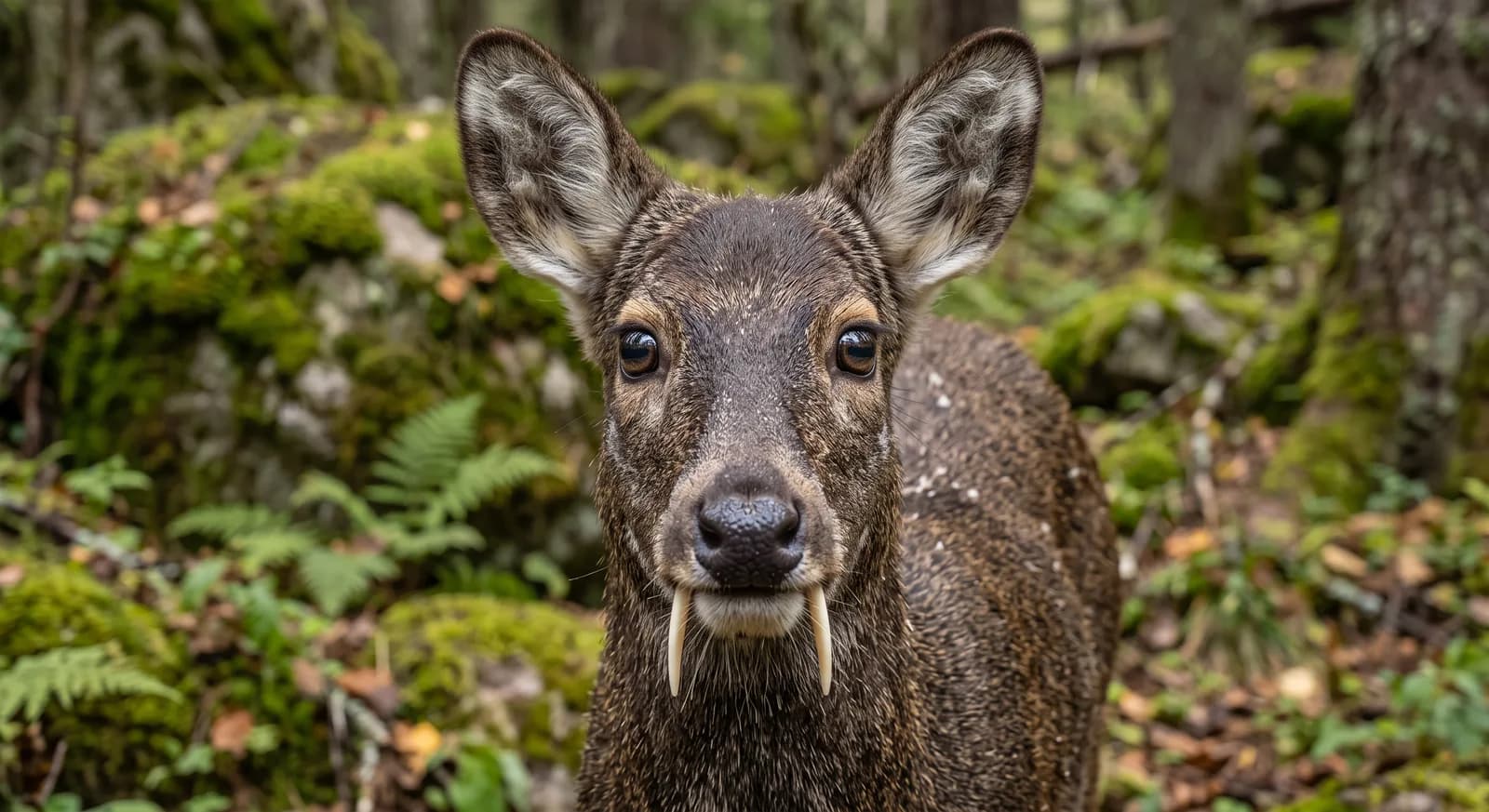 Vulnerable
Siberian Musk Deer
Moschus moschiferus
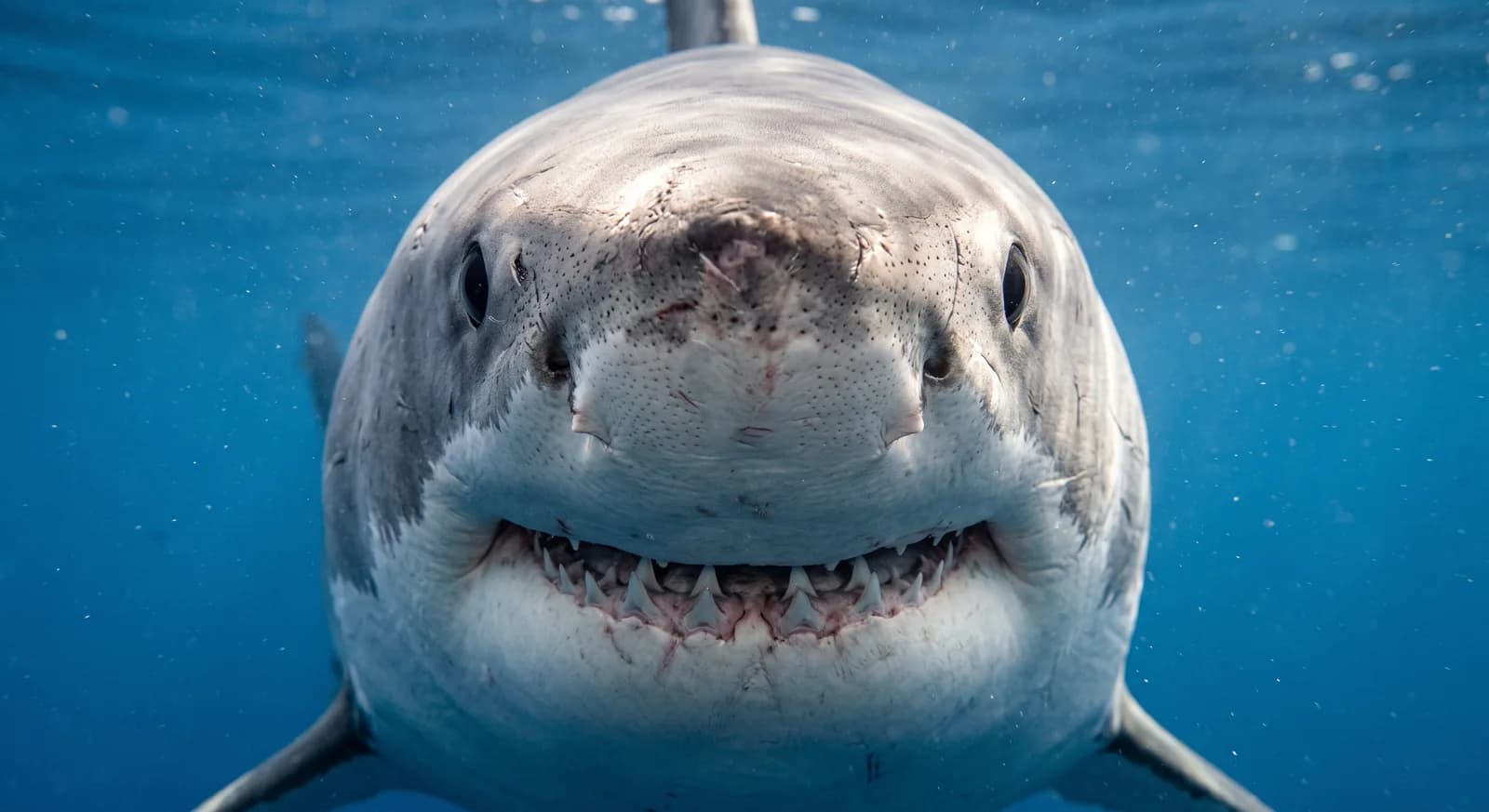 Vulnerable
Great White Shark
Carcharodon carcharias
 Vulnerable
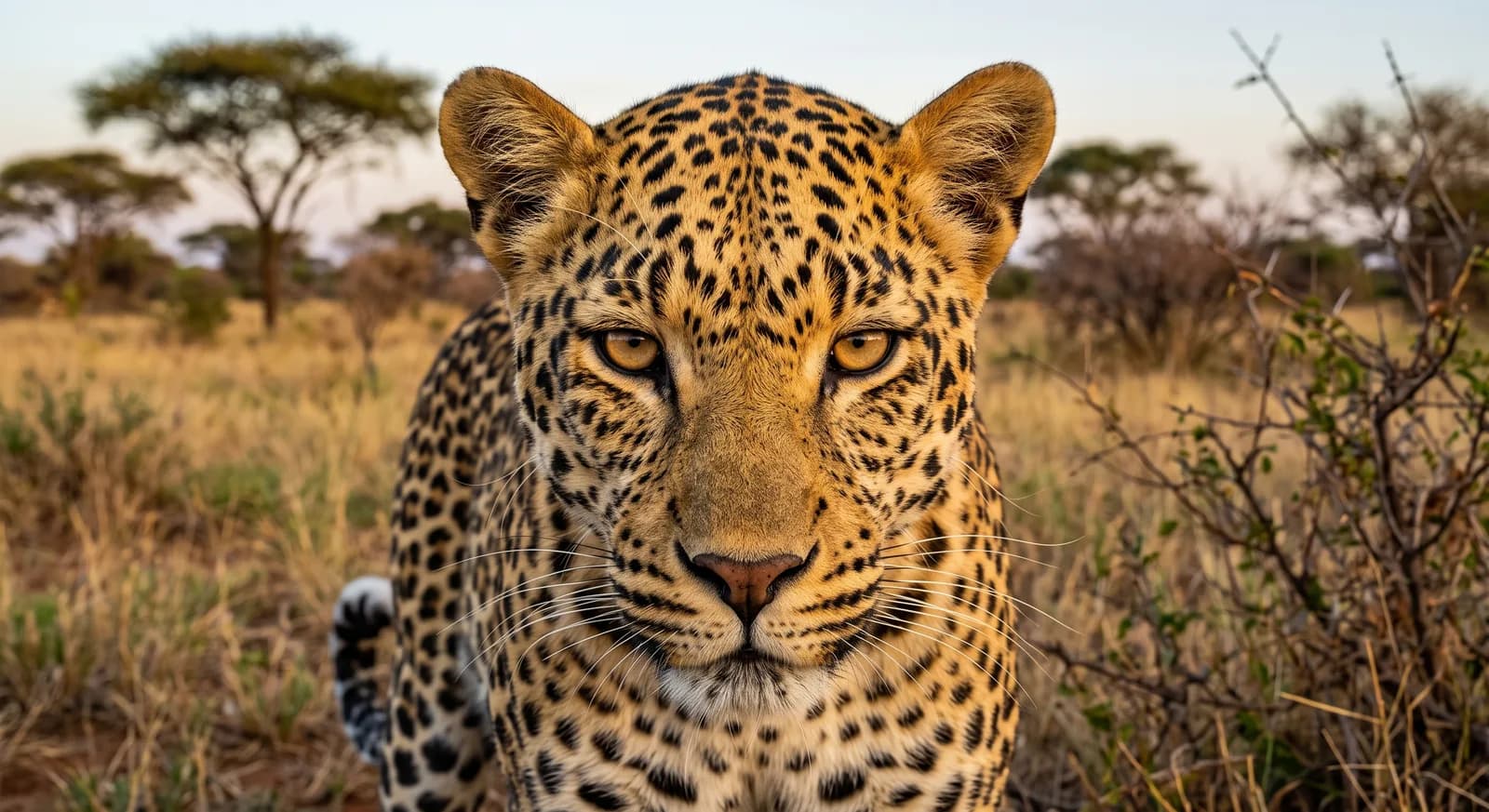
Leopard
Panthera pardus
 Vulnerable
Asiatic Black Bear
Ursus thibetanus
 Vulnerable
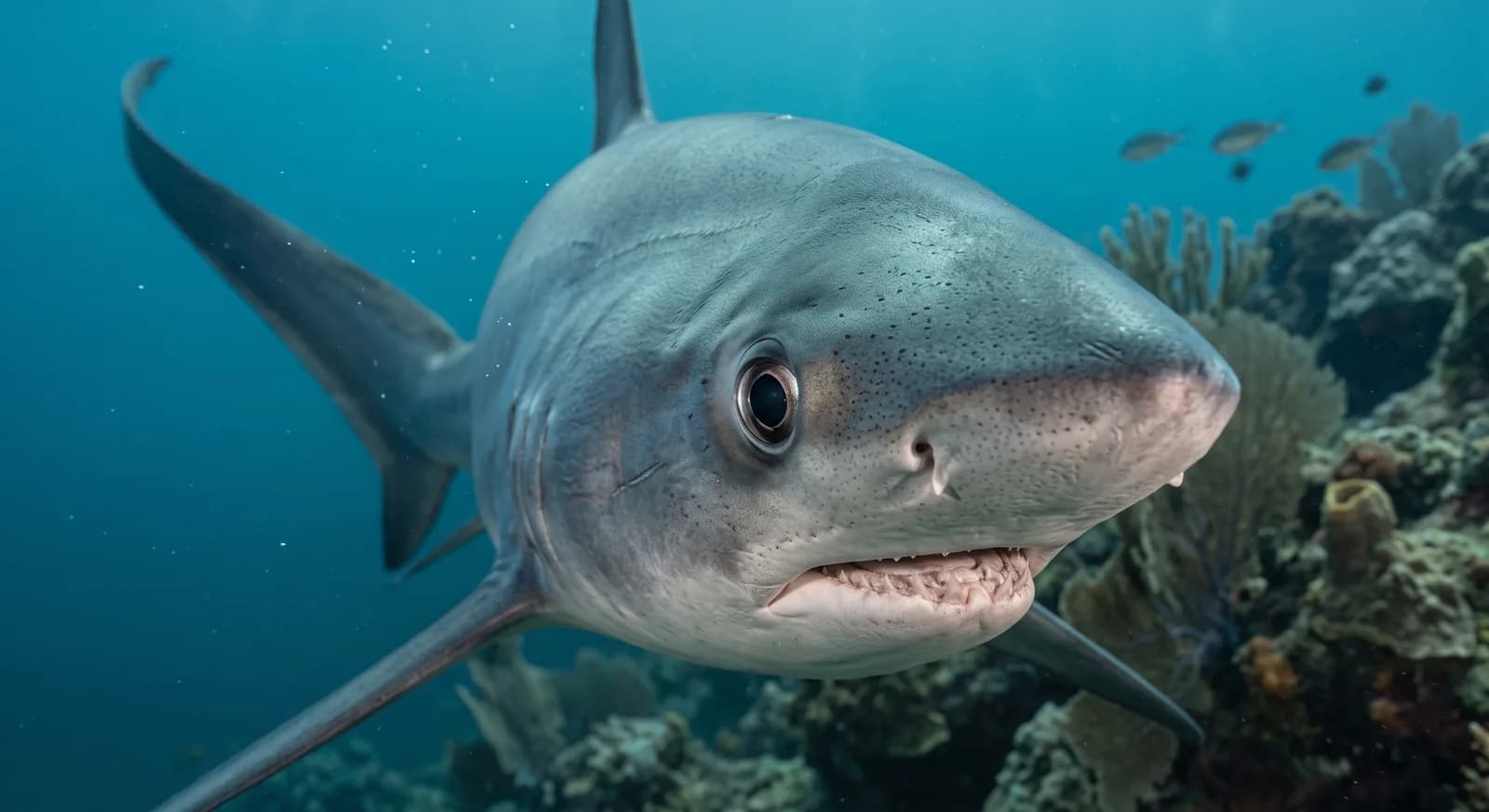
Grayfish
Alopias vulpinus
 Near Threatened
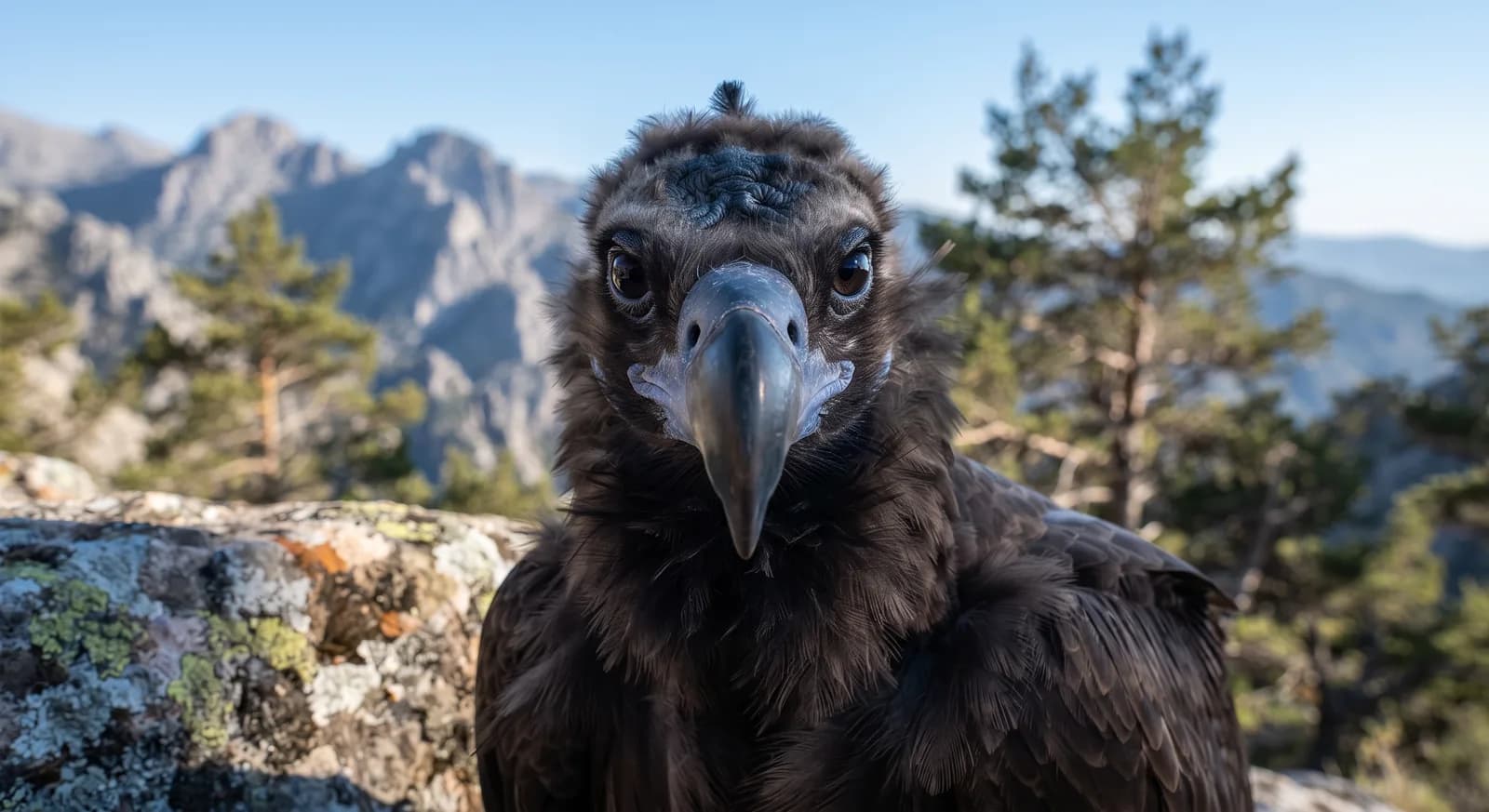
Cinereous Vulture
Aegypius monachus
 Near Threatened
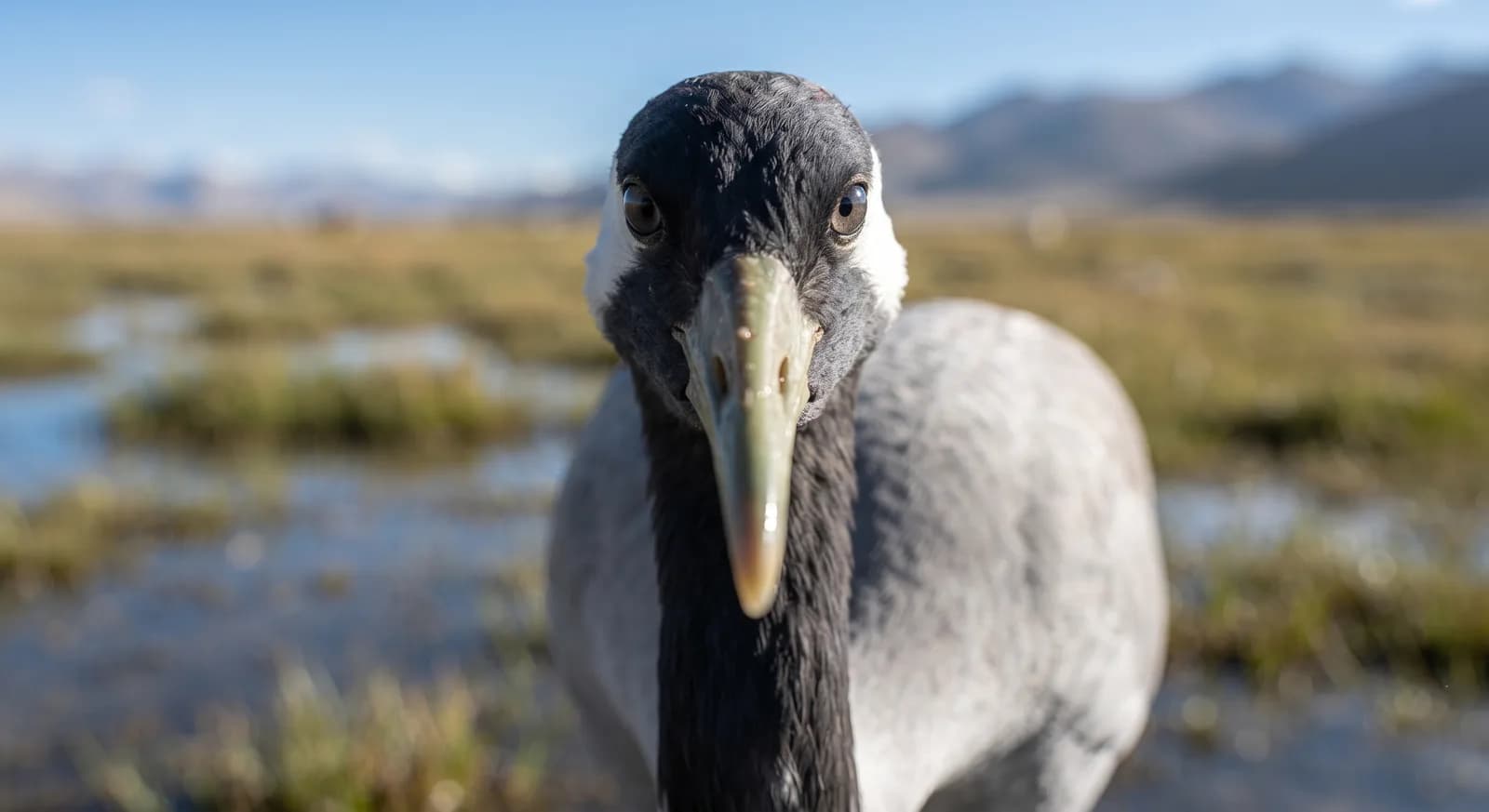
Black-necked Crane
Grus nigricollis
 Near Threatened
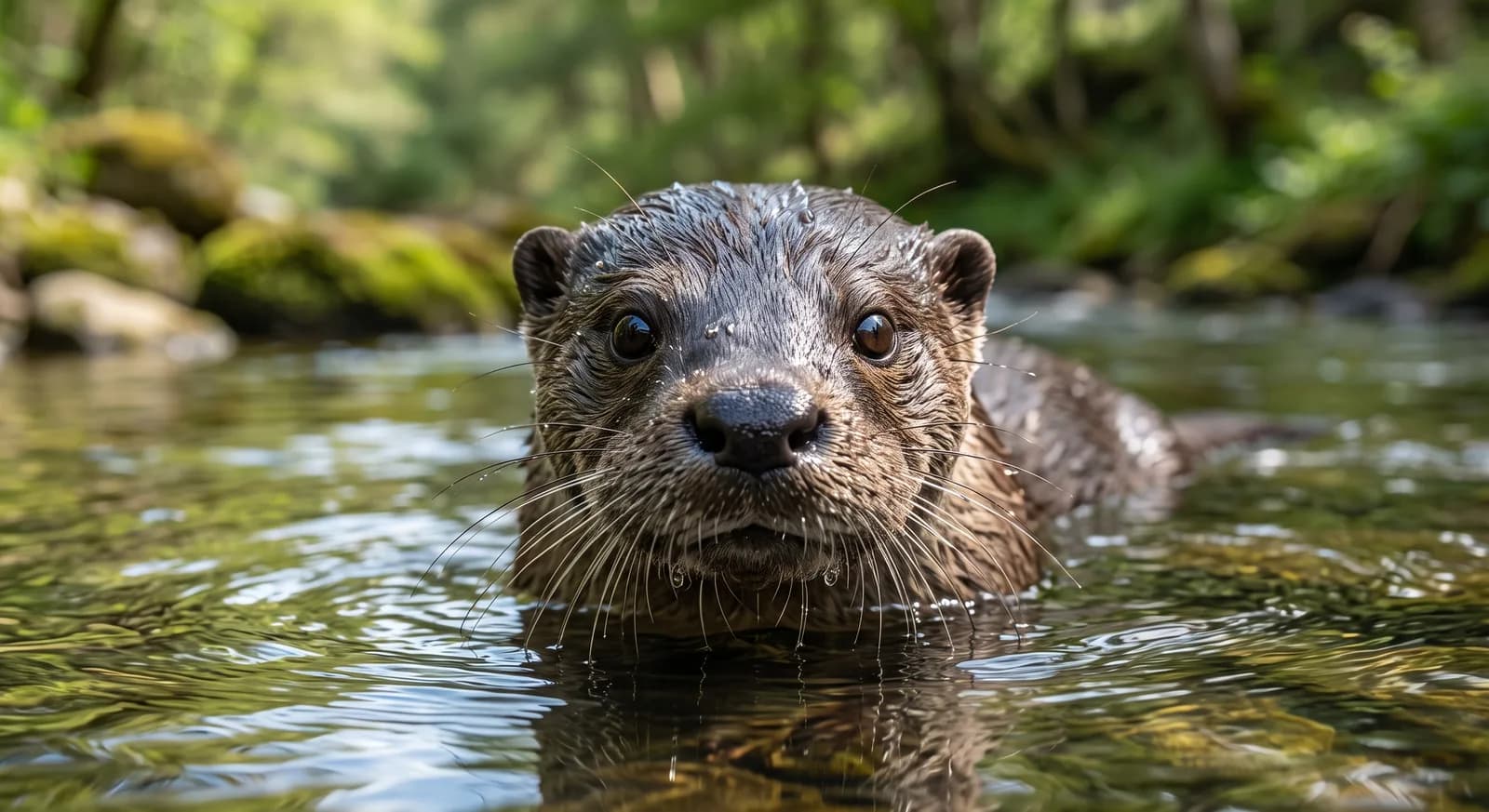
European Otter
Lutra lutra
 Near Threatened
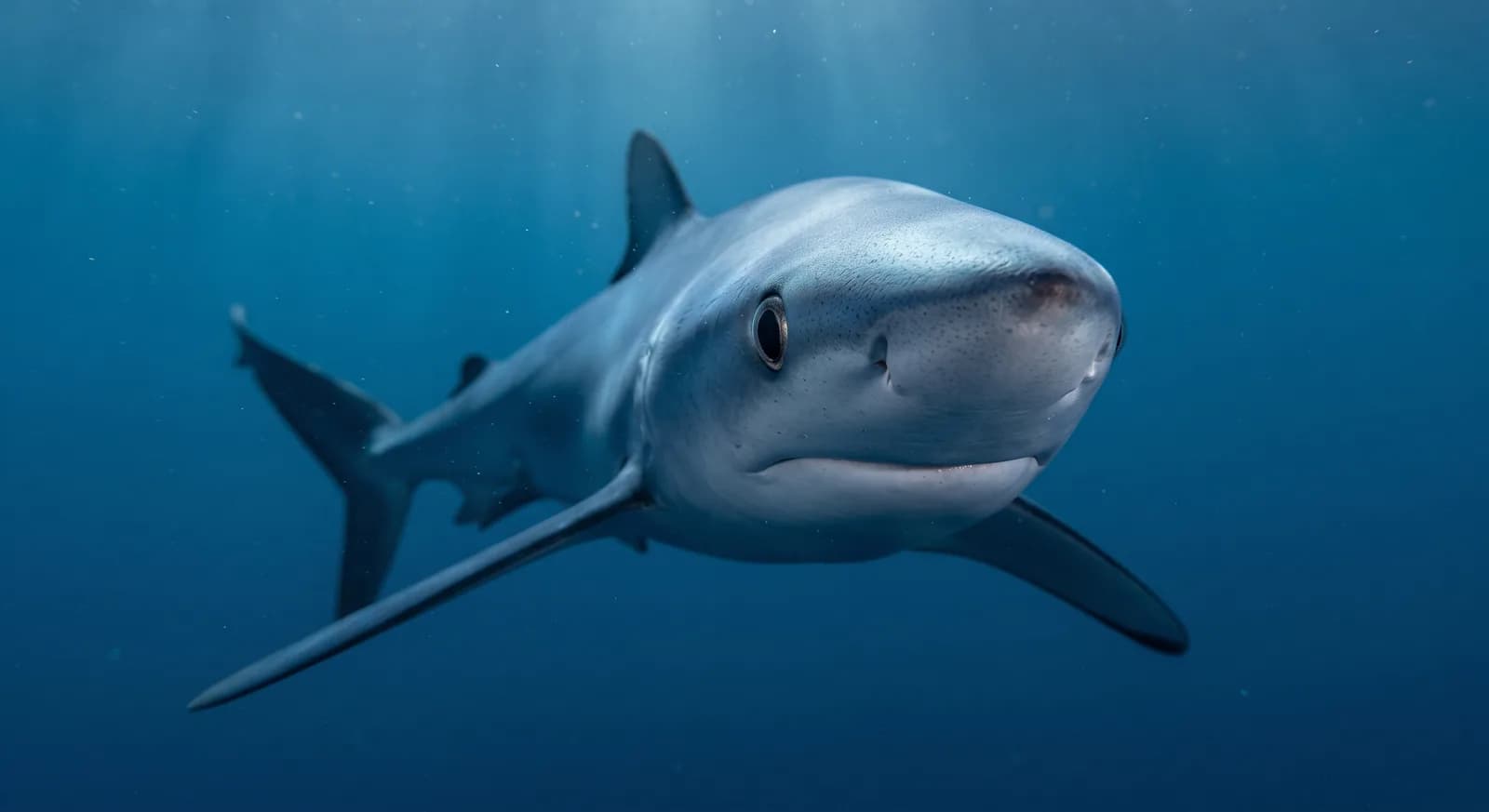
Blue Shark
Prionace glauca
 Least Concern
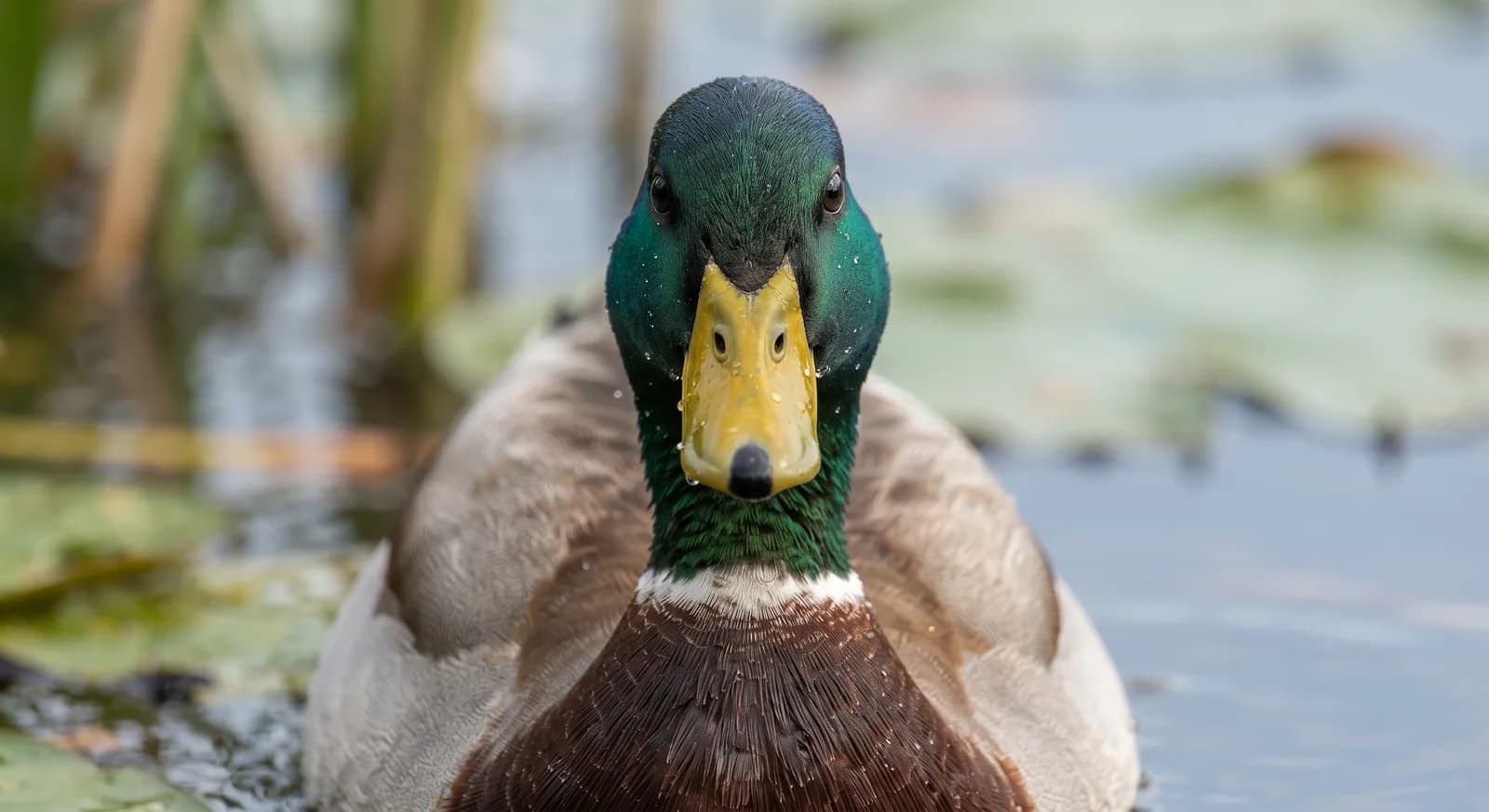
Mallard
Anas platyrhynchos
Keep exploring
Based on what we already know about South Korea.