One of the 3 jackals on WAnimals
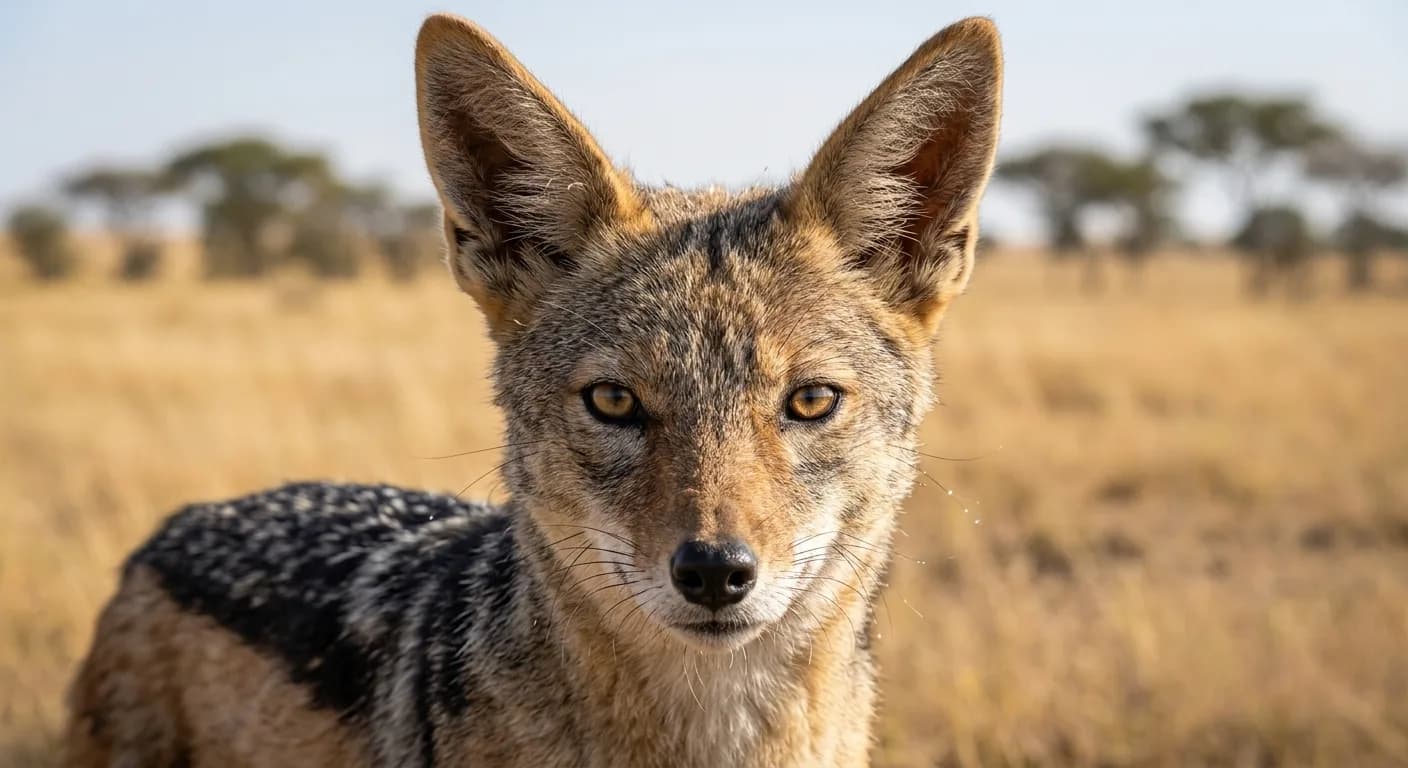
Mammals · Carnivora · Canidae
African Jackals
Lupulella mesomelas
The species is abundant and widely distributed; it faces no significant short-term risk. See full glossary
It is a very ancient canid, little changed since the Pleistocene, and forms stable monogamous pairs in which both parents take an active part in raising the pups.
Weight
6 kg – 12 kg
Size
45 cm – 95 cm
Lifespan
8 years
Diet
Omnivore
Combines animal and plant food depending on availability.
Activity
Nocturnal
Active mainly at night.
Social structure
In pairs
Usually lives in pairs, sometimes for life.
Sighting difficulty
Easy
Fun facts
- It lives in two populations some 900 km apart, in eastern and southern Africa.
- It feeds on small mammals, birds, insects, fruit and carrion.
- Commonly only 1 to 3 of the pups born in a litter survive.
- comportamientoIt is monogamous, and both parents — helped by young from earlier litters — share the rearing and the defence of the family territory.
Life cycle & biology
- Skeleton type
- Vertebrate - internal bony skeleton (mammal)
- Habitat & environment
- Savanna, scrub and semi-desert country of eastern and southern Africa, in two populations some 900 km apart
- Birth weight
- Born blind and helpless in an underground den
- Size at birth
- Born blind and helpless
- Sexual maturity
- 11 months
- Gestation / incubation
- ~60 days
- Litter / clutch size
- 1 to 6 pups per litter (4 on average, though commonly only 1-3 survive)
- Lifespan in captivity
- Documented record of up to 14 years
Sources consulted: Wikidata; Wikipedia (Black-backed jackal); Animal Diversity Web; Animalia.bio; Britannica; The Animal Files; PMC (rabies vaccine study); PMC (Babesia rossi natural hosts study)
Where to find it
See its range on the interactive mapWhere to watch it
Parques y spots de buceo donde se ha documentado esta especie — se muestran 10 de 17 documentados.
Related species
Other species in the catalogue with the most in common with African Jackals — same habitat, park, country, tags or family.
African Golden Wolf
Canis anthus
 Least Concern
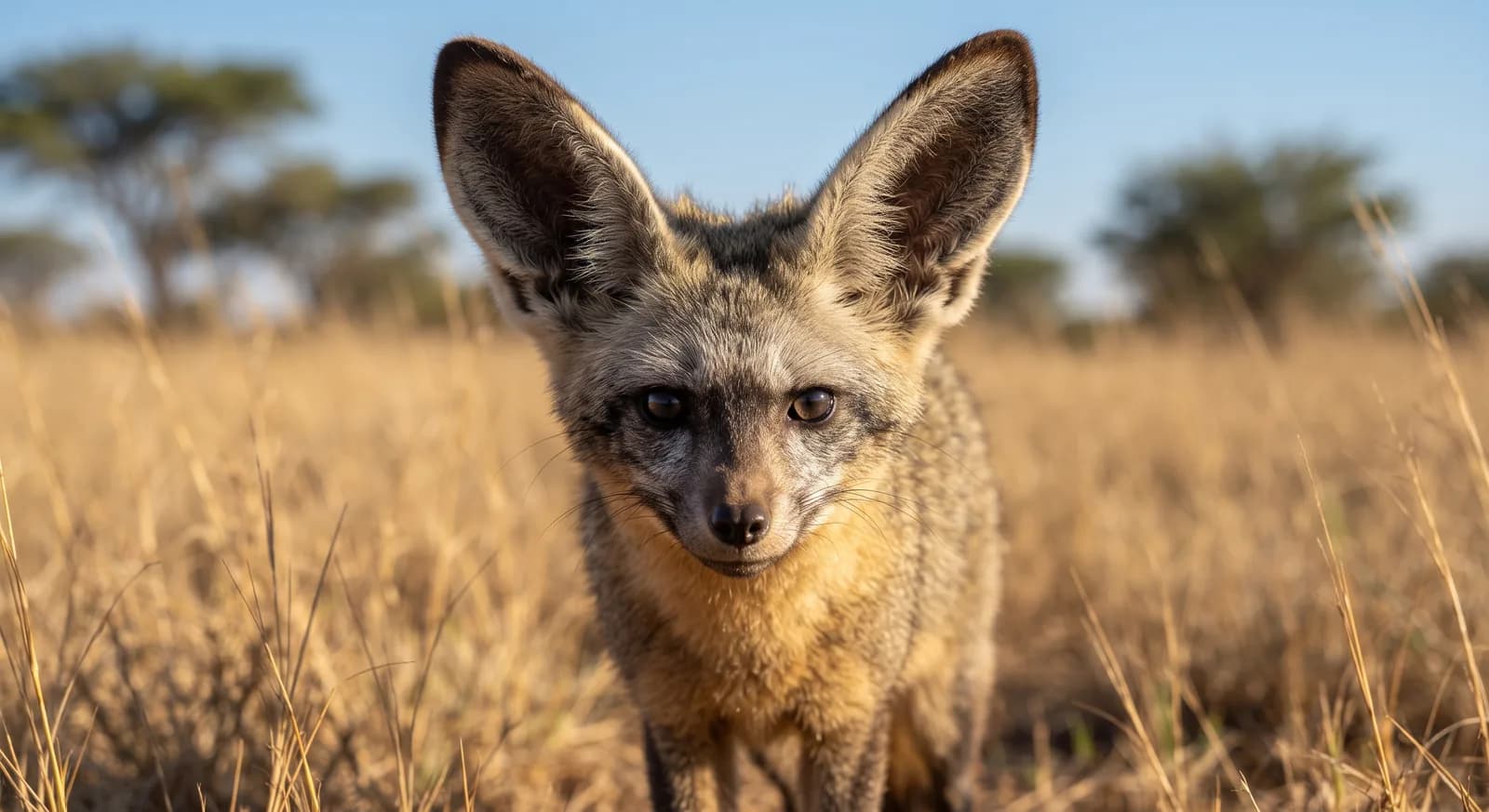
Bat-eared Fox
Otocyon megalotis
 Endangered
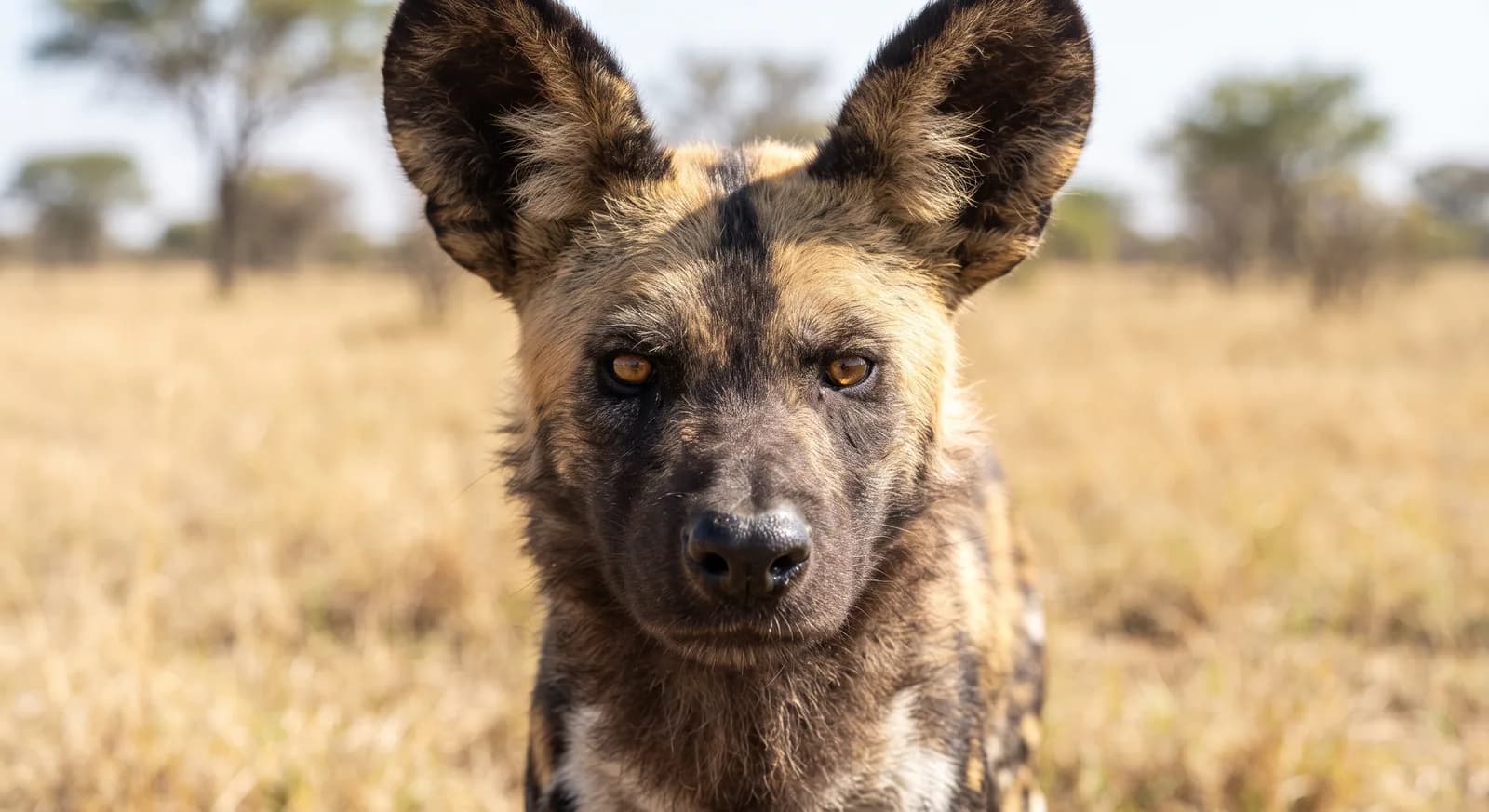
African Wild Dog
Lycaon pictus
Side-striped Jackal
Canis adustus
Fennec Fox
Vulpes zerda
Pale Fox
Vulpes pallida
Keep exploring
Based on what we already know about african jackals.
Comments
Share an experience, a fun fact or a tip for seeing the african jackals.
Be the first to comment.