One of the 3 hyraxes on WAnimals
Mammals · Hyracoidea · Procaviidae
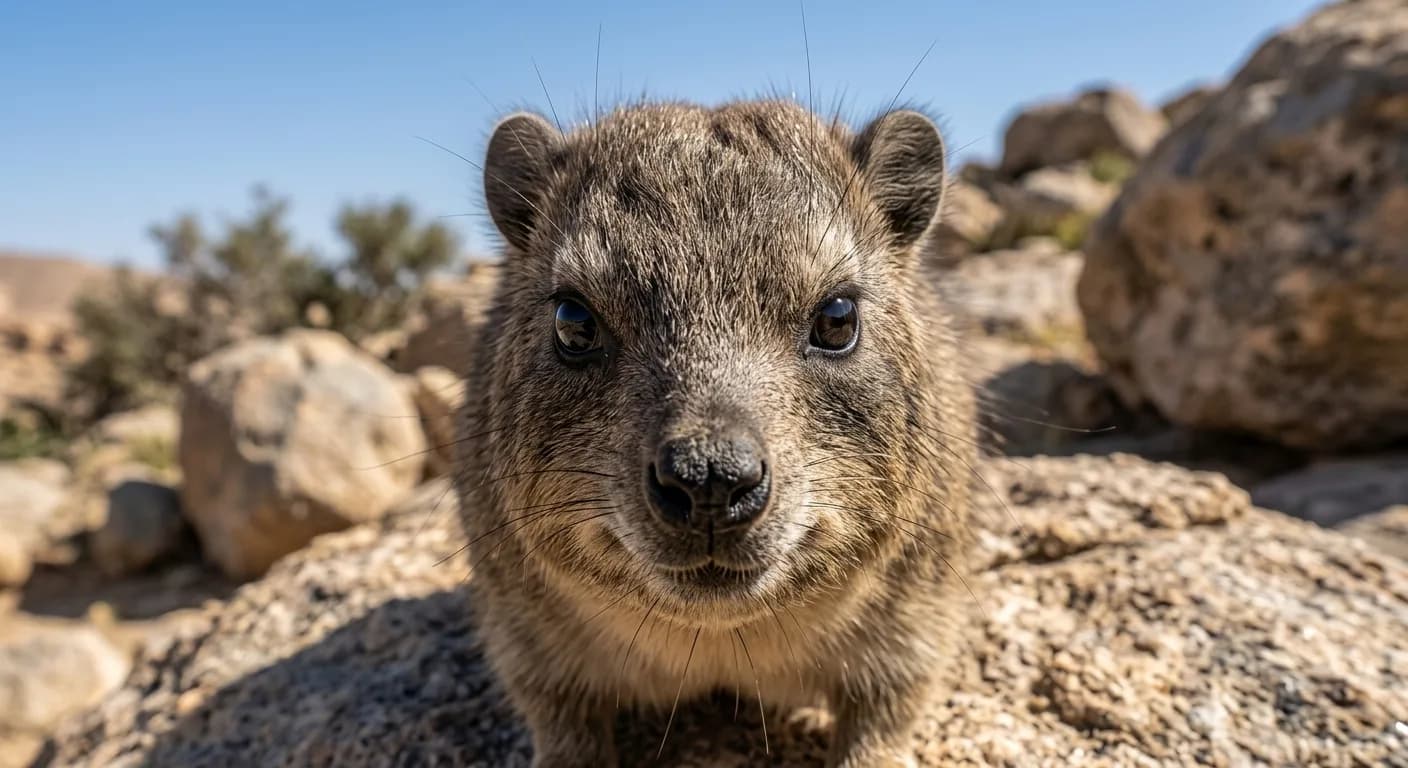
Rock Hyrax
Procavia capensis
The species is abundant and widely distributed; it faces no significant short-term risk. See full glossary
Despite looking like a large marmot, it is surprisingly one of the closest living relatives of the elephant.
Weight
3.6 kg – 4 kg
Size
30.5 cm – 55 cm
Lifespan
8 years
Diet
Herbivore
Feeds mainly on plants.
Activity
Diurnal
Active mainly during the day.
Social structure
Colony
Lives in large concentrations, often for breeding reasons.
Sighting difficulty
Easy
Fun facts
- It shares unusual anatomical features with the elephant, such as permanently growing incisor tusks.
- It eats a wide range of grasses, leaves and fruit.
- It lives on rocky outcrops, deserts and savannah across much of Africa and the Arabian Peninsula.
- taxonomíaDespite looking like a rodent, its closest living relative is the elephant, with which it shares dental and skeletal features rarely seen in small mammals.
Life cycle & biology
- Skeleton type
- Vertebrate - internal bony skeleton (mammal)
- Habitat & environment
- Rocky outcrops, deserts and savannah across much of Africa and the Arabian Peninsula, avoiding the Congo Basin and Madagascar
- Birth weight
- Born precocial, well furred and able to move soon after birth
- Size at birth
- Born precocial
- Sexual maturity
- 16-17 months in the male
- Gestation / incubation
- 7-8 months, according to recent studies
- Litter / clutch size
- 1 to 6 young per litter (average 3)
- Lifespan in captivity
- Documented record of up to 14.8 years
Sources consulted: Animal Diversity Web; AnAge (genomics.senescence.info); bioRxiv (semen characterization study)
Where to find it
See its range on the interactive mapWhere to watch it
Parks and dive sites where this species has been documented.
Related species
Other species in the catalogue with the most in common with Rock Hyrax — same habitat, park, country, tags or family.
Bush Hyrax
Heterohyrax brucei
 Least Concern
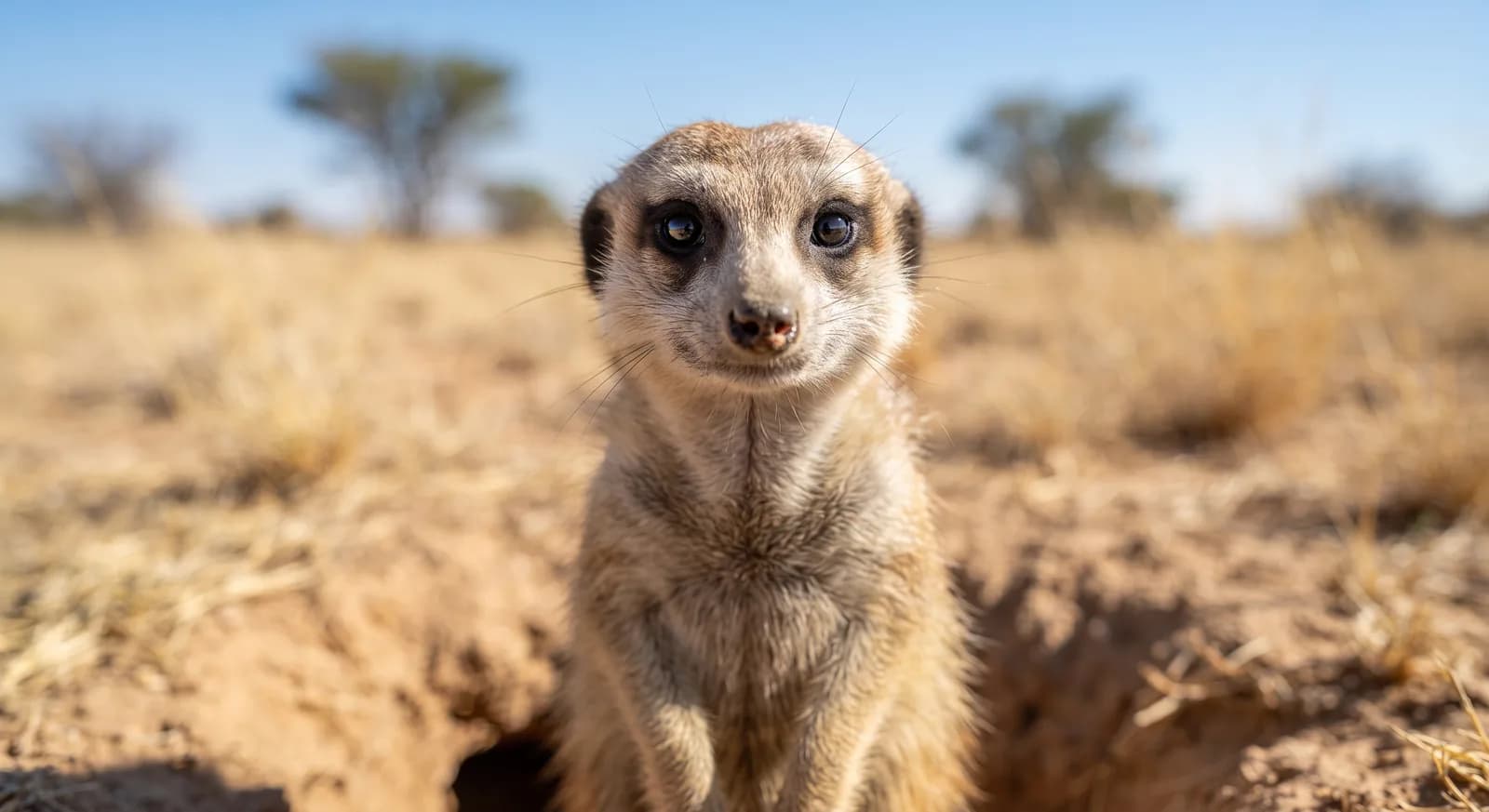
Meerkat
Suricata suricatta
South African Ground Squirrel
Xerus inauris
Yellow Mongoose
Cynictis penicillata
 Least Concern
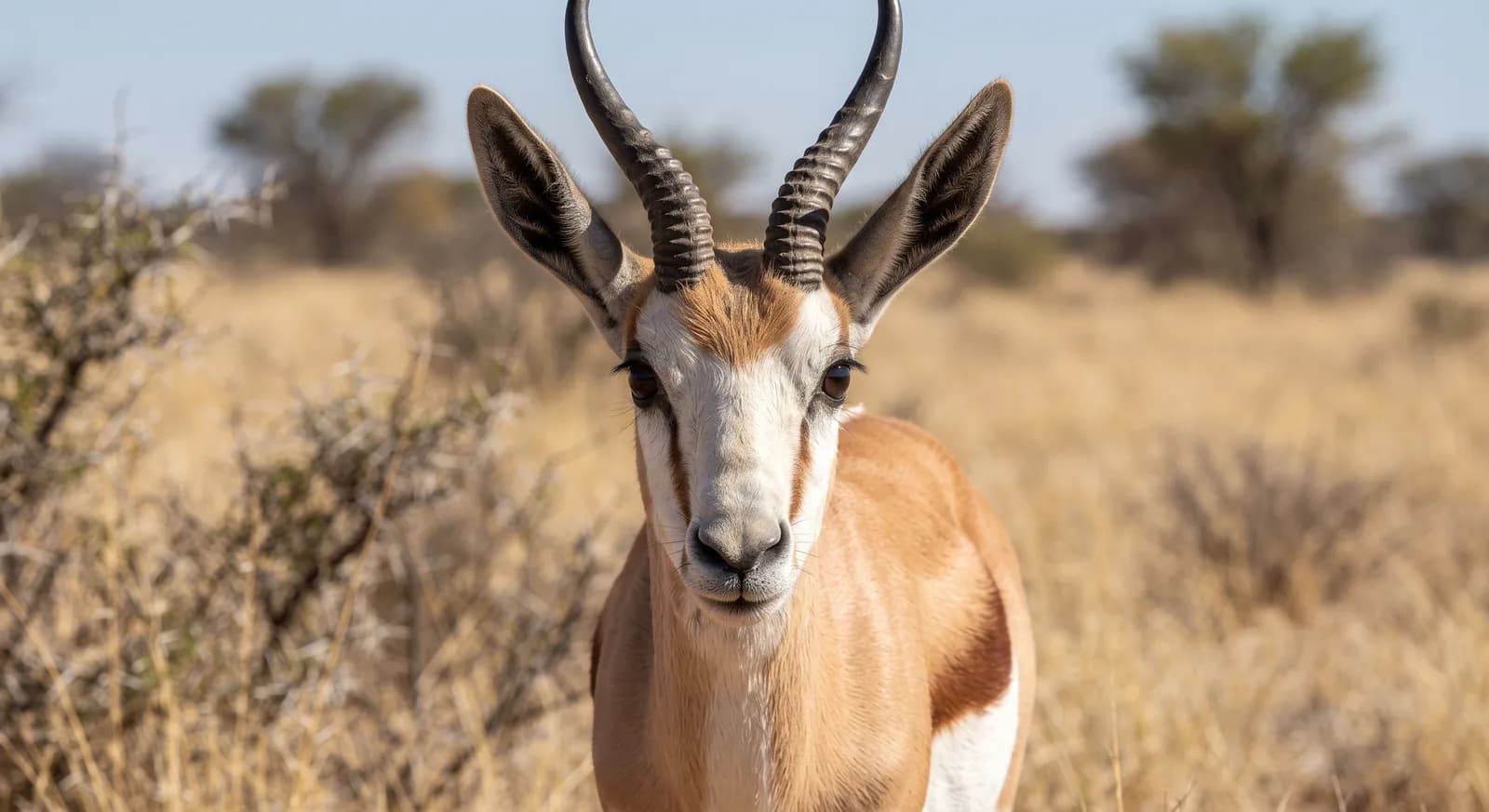
Springbok
Antidorcas marsupialis
Rosy-faced Lovebird
Agapornis roseicollis
Keep exploring
Based on what we already know about rock hyrax.
Comments
Share an experience, a fun fact or a tip for seeing the rock hyrax.
Be the first to comment.