Birds · Psittaciformes · Psittaculidae
Rosy-faced Lovebird
Agapornis roseicollis
The species is abundant and widely distributed; it faces no significant short-term risk. See full glossary
The rosy-faced lovebird — known in Spanish as inseparable de Namibia — is a psittaciform bird of the family Psittacidae that lives in the arid regions of south-western Africa, such as the savanna woodland of Namibia. They are highly sociable animals that frequently gather in small groups in the wild. They feed throughout the day and bathe often. They are known as lovebirds because once they form a breeding pair they generally keep it for life.
Weight
46 g – 63 g
Size
15 cm – 18 cm
Lifespan
15 years
Diet
Herbivore
Feeds mainly on plants.
Activity
Diurnal
Active mainly during the day.
Social structure
Colony
Lives in large concentrations, often for breeding reasons.
Sighting difficulty
Easy
Fun facts
- GeneralIt is called a lovebird because the pairs stay together for life and preen one another.
- It carries nest material in a way unique among parrots: the female cuts strips of bark and leaves and tucks them among the feathers of her rump, flying with them to the nest instead of carrying them in her bill.
- It often nests inside the communal nests of the sociable weaver, making use of those gigantic straw structures that other birds build in the trees of the Namib desert.
- There are established feral populations in Arizona cities, descended from aviary escapes, that have been breeding in the open for decades.
Life cycle & biology
- Skeleton type
- Vertebrate - internal bony skeleton (bird)
- Habitat & environment
- Semi-desert and arid savannah near watercourses
- Sexual maturity
- 4.9 months
- Gestation / incubation
- 23 days
- Litter / clutch size
- 5
Sources consulted: https://es.wikipedia.org/wiki/Agapornis_roseicollis
Where to watch it
Parques y spots de buceo donde se ha documentado esta especie — se muestran 10 de 11 documentados.
Related species
Other species in the catalogue with the most in common with Rosy-faced Lovebird — same habitat, park, country, tags or family.
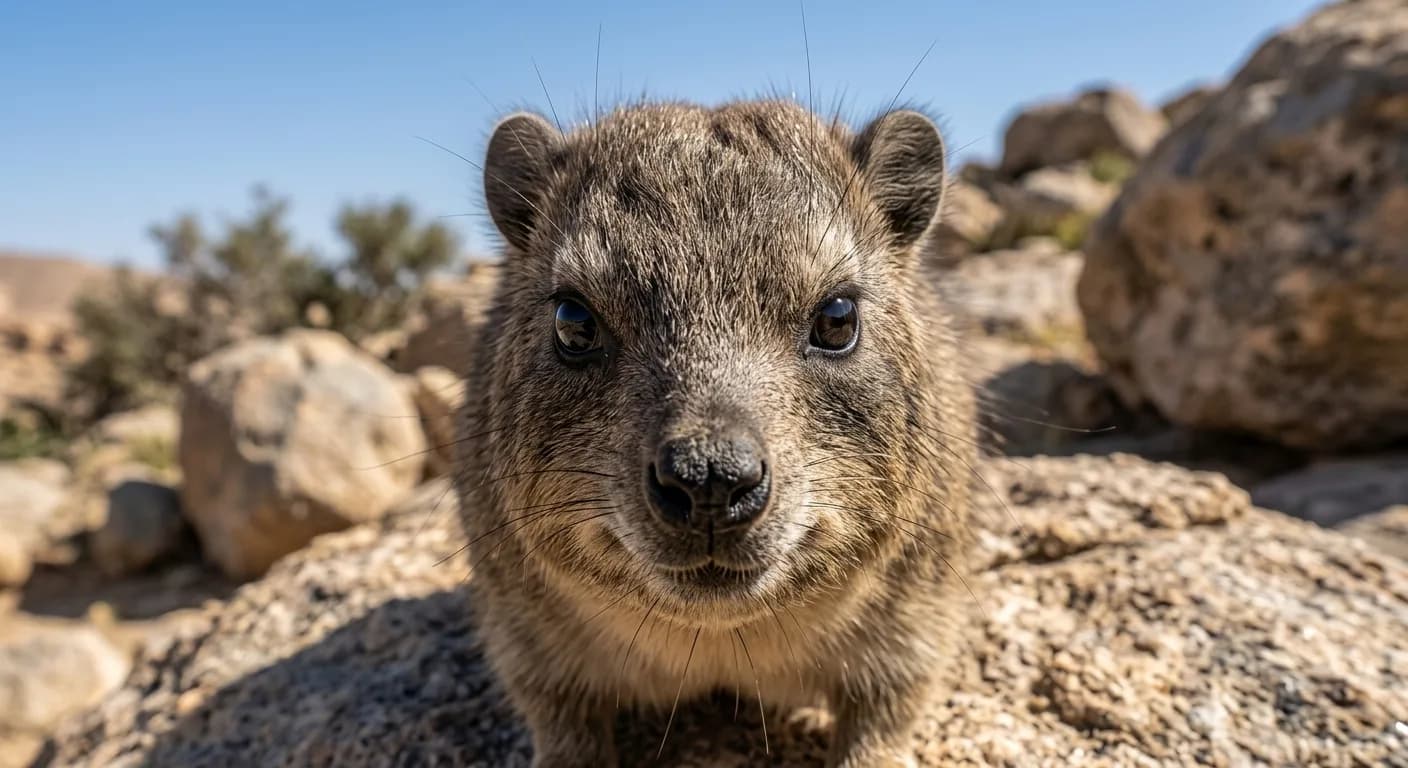 Least Concern
Rock Hyrax
Procavia capensis
Bush Hyrax
Heterohyrax brucei
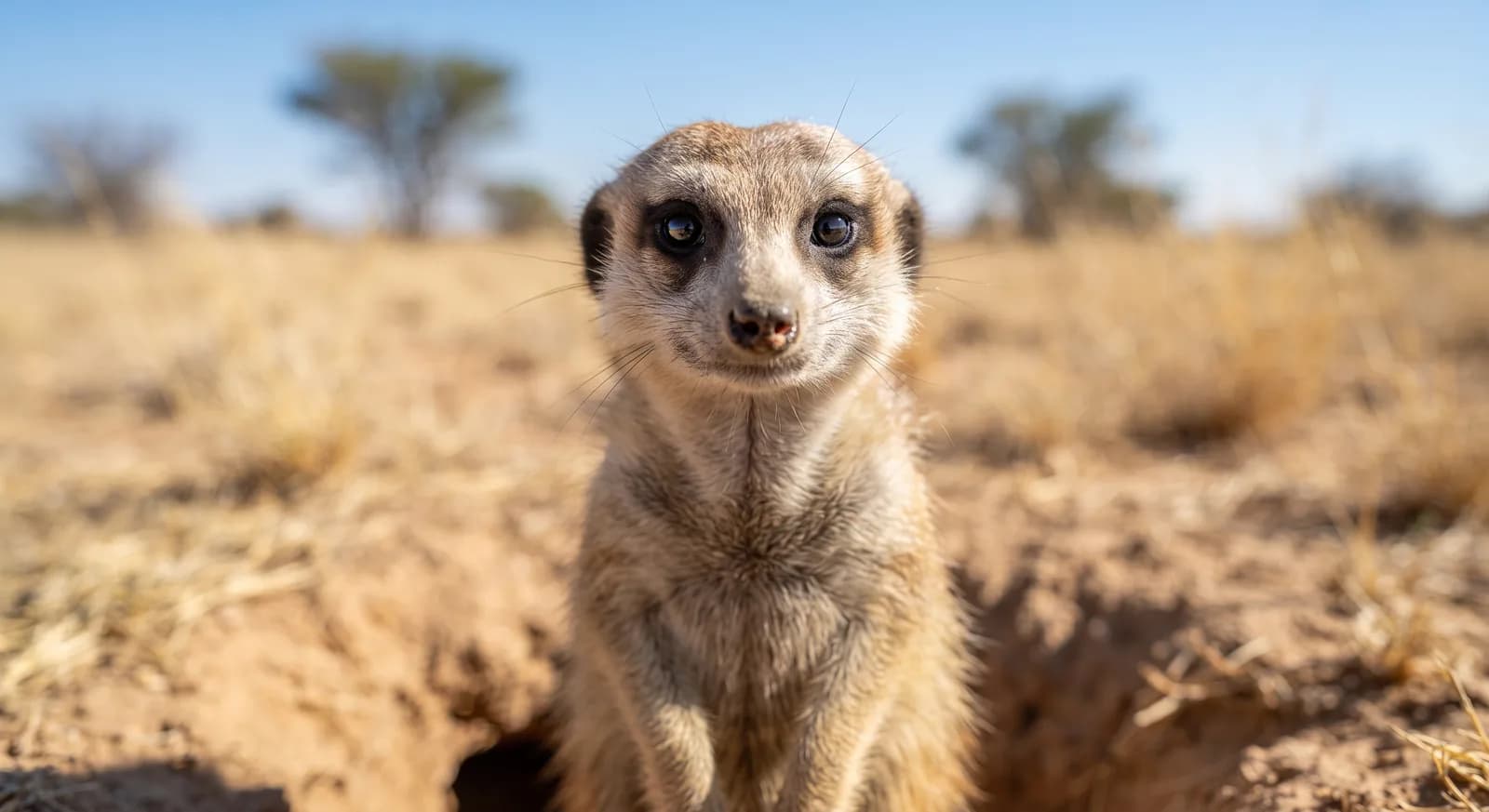 Least Concern
Meerkat
Suricata suricatta
South African Ground Squirrel
Xerus inauris
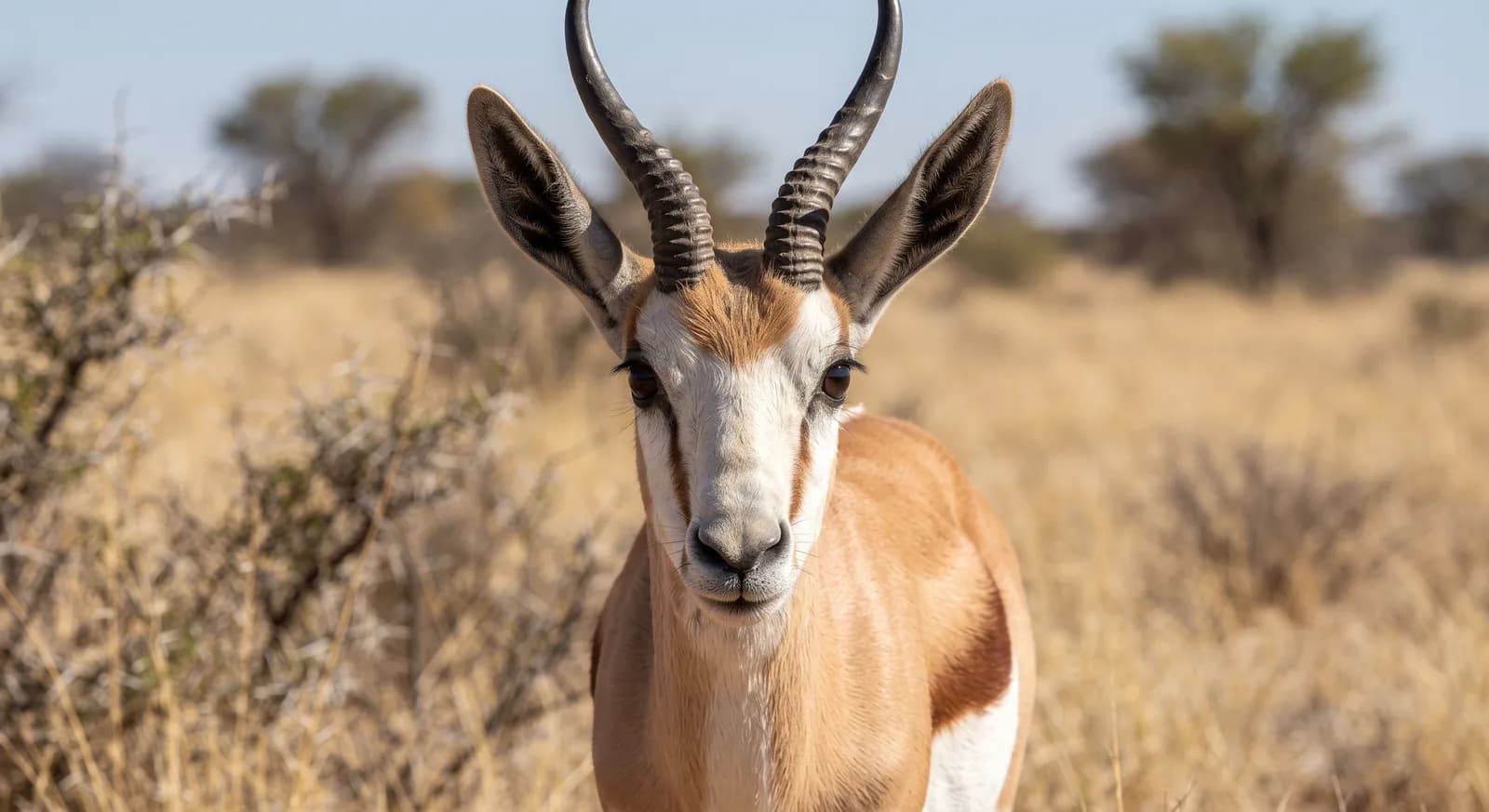 Least Concern
Springbok
Antidorcas marsupialis
Leopard Tortoise
Stigmochelys pardalis
Keep exploring
Based on what we already know about rosy-faced lovebird.
Comments
Share an experience, a fun fact or a tip for seeing the rosy-faced lovebird.
Be the first to comment.