One of the 4 lynxes on WAnimals
Mammals · Carnivora · Felidae
Iberian Lynx
Lynx pardinus
It faces a very high risk of extinction in the wild in the near future. See full glossary
The most endangered cat in the world two decades ago, it is now a symbol of conservation success thanks to captive breeding programmes.
Weight
9 kg – 13 kg
Size
85 cm – 1.1 m
Lifespan
13 years
Diet
Carnivore
Feeds mainly on other animals.
Activity
Crepuscular
Active above all at dawn and dusk.
Social structure
Solitary
Lives and hunts alone, joining others only to breed.
Sighting difficulty
Hard
Estimated population
Over 1,500 animals (recovered from fewer than 100 in 2002)
Fun facts
- It feeds almost entirely on rabbits.
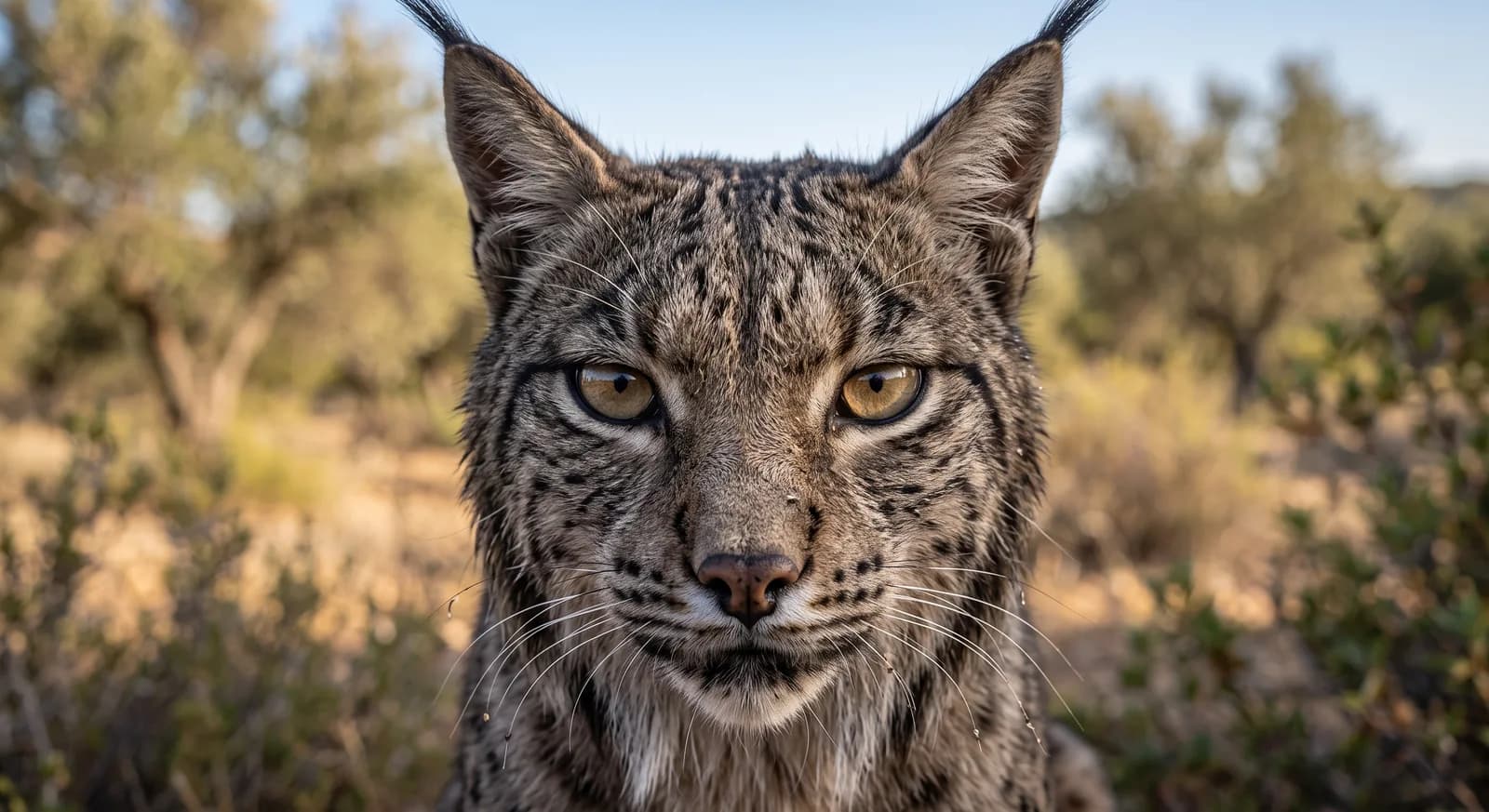
- It is unmistakable for its pointed ears with their black tufts.
- Its population has grown more than tenfold since 2002.
Life cycle & biology
- Skeleton type
- Vertebrate - internal bony skeleton (mammal)
- Habitat & environment
- Mediterranean woodland and scrub with plenty of rabbits, in the south of the Iberian Peninsula
- Birth weight
- 200 - 250 grams
- Size at birth
- Blind and dependent at birth
- Sexual maturity
- Female: ~1-2 years (though it may take up to 3 to establish a territory of its own before breeding) | Male: 1 year
- Gestation / incubation
- 60-70 days
- Litter / clutch size
- 1 to 4 young (most commonly 2-3)
Sources consulted: Animalia.bio; Britannica; WWF; Animal Diversity Web; ISEC Canada; AnAge (genomics.senescence.info); AnimalHub
Where to find it
See its range on the interactive mapBest time: All year round, especially in winter
Where to watch it
Parks and dive sites where this species has been documented.
Related species
Other species in the catalogue with the most in common with Iberian Lynx — same habitat, park, country, tags or family.
 Least Concern
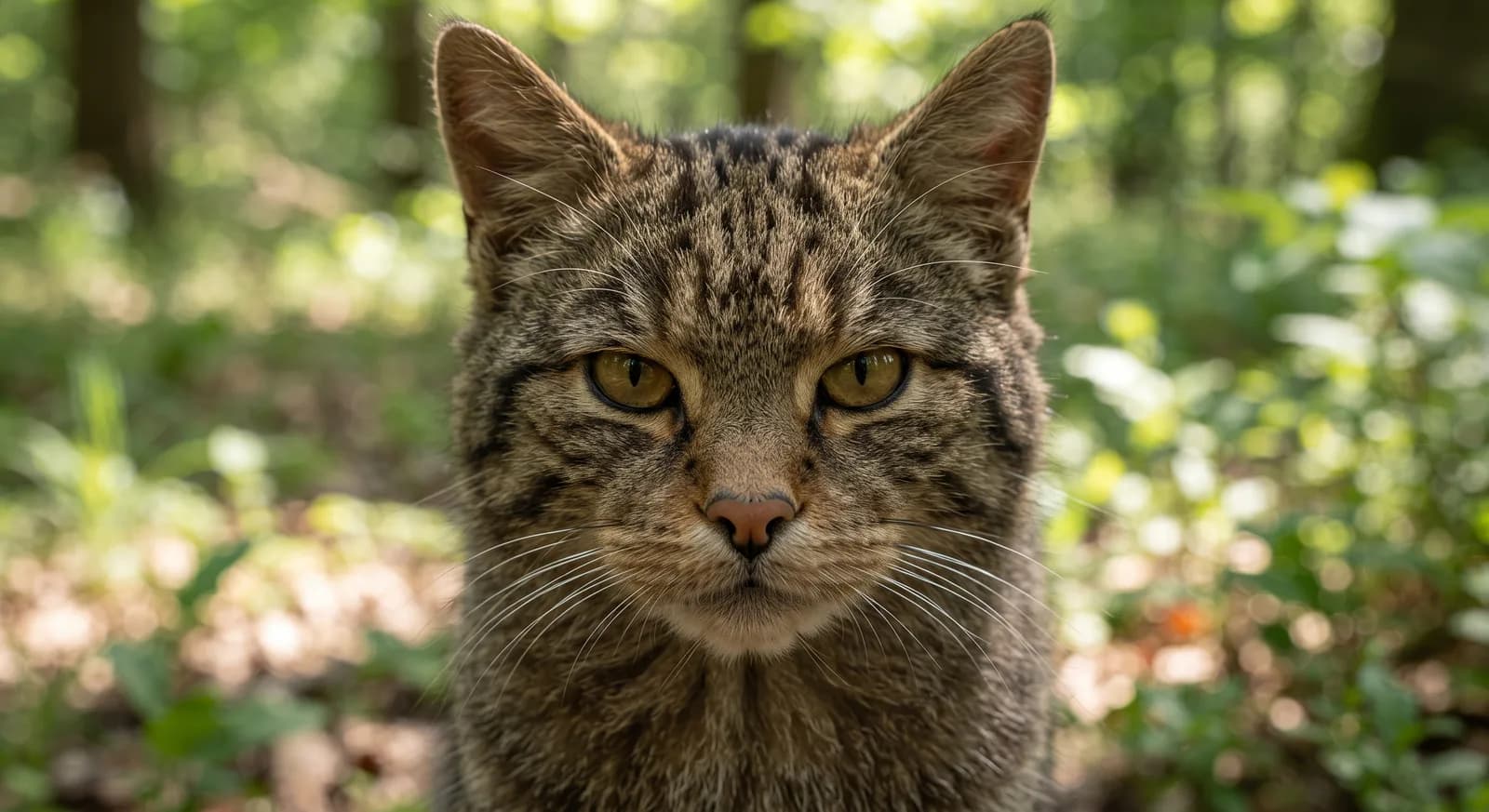
Wildcat
Felis silvestris
 Least Concern
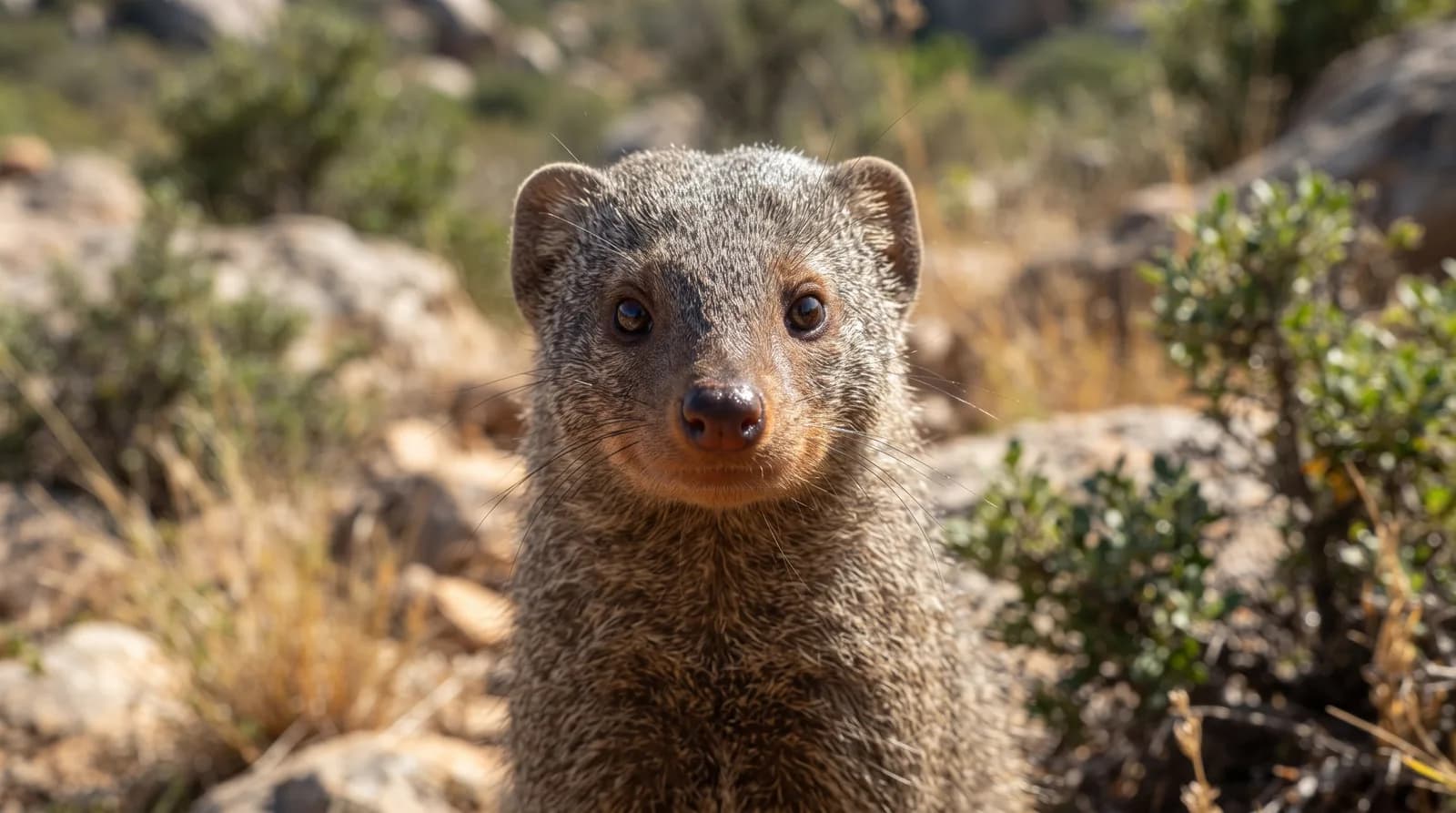
Egyptian Mongoose
Herpestes ichneumon
Eurasian Woodcock
Scolopax rusticola
Polecat
Mustela putorius
Lataste's Viper
Vipera latastei
Asiatic Lion
Panthera leo persica
How to help
The iberian lynx is classified as endangered. Organizations such as Iberlince work specifically on its conservation and that of its habitat; looking into their programs is a good starting point if you want to get involved.
It's documented in 5 real protected areas — part of why protecting these places matters for its conservation.
Keep exploring
Based on what we already know about iberian lynx.
Comments
Share an experience, a fun fact or a tip for seeing the iberian lynx.
Be the first to comment.