One of the 2 lions on WAnimals
Mammals · Carnivora · Felidae
Asiatic Lion
Panthera leo persica
It faces a very high risk of extinction in the wild in the near future. See full glossary
It survives in the wild only in the Gir Forest, India, with barely 350 to 670 animals, all descended from an extreme genetic bottleneck after being hunted almost to extinction in the early 20th century.
Weight
90 kg – 250 kg
Size
1.4 m – 2.9 m
Lifespan
17 years
Diet
Carnivore
Feeds mainly on other animals.
Activity
Nocturnal
Active mainly at night.
Social structure
Hierarchical pack
Lives in an organised hierarchical group, typical of cooperative hunters.
Sighting difficulty
Hard
Fun facts
- It survives in the wild only in the Gir Forest, India, with barely 350 to 670 animals.
- The whole population descends from an extreme genetic bottleneck in the 20th century.
- Unlike the African lion, it has a lengthwise fold of skin along the belly.
Life cycle & biology
- Skeleton type
- Vertebrate - internal bony skeleton (mammal)
- Habitat & environment
- Deciduous forest and savannah of the Gir Forest, in the Indian state of Gujarat, its only surviving wild stronghold
- Birth weight
- ~2 kg
- Size at birth
- Blind at birth, with spots in its coat that fade with age
- Sexual maturity
- Female: 3-4 years | Male: 5 years
- Gestation / incubation
- 100-119 days
- Litter / clutch size
- 1 to 6 pups per litter (most commonly 2-3)
Sources consulted: ResearchGate; Indian Wildlife; DinoAnimals; Animalia.bio; Animal Corner; BigCatsWildCats; PMC
Where to watch it
Parks and dive sites where this species has been documented.
Related species
Other species in the catalogue with the most in common with Asiatic Lion — same habitat, park, country, tags or family.
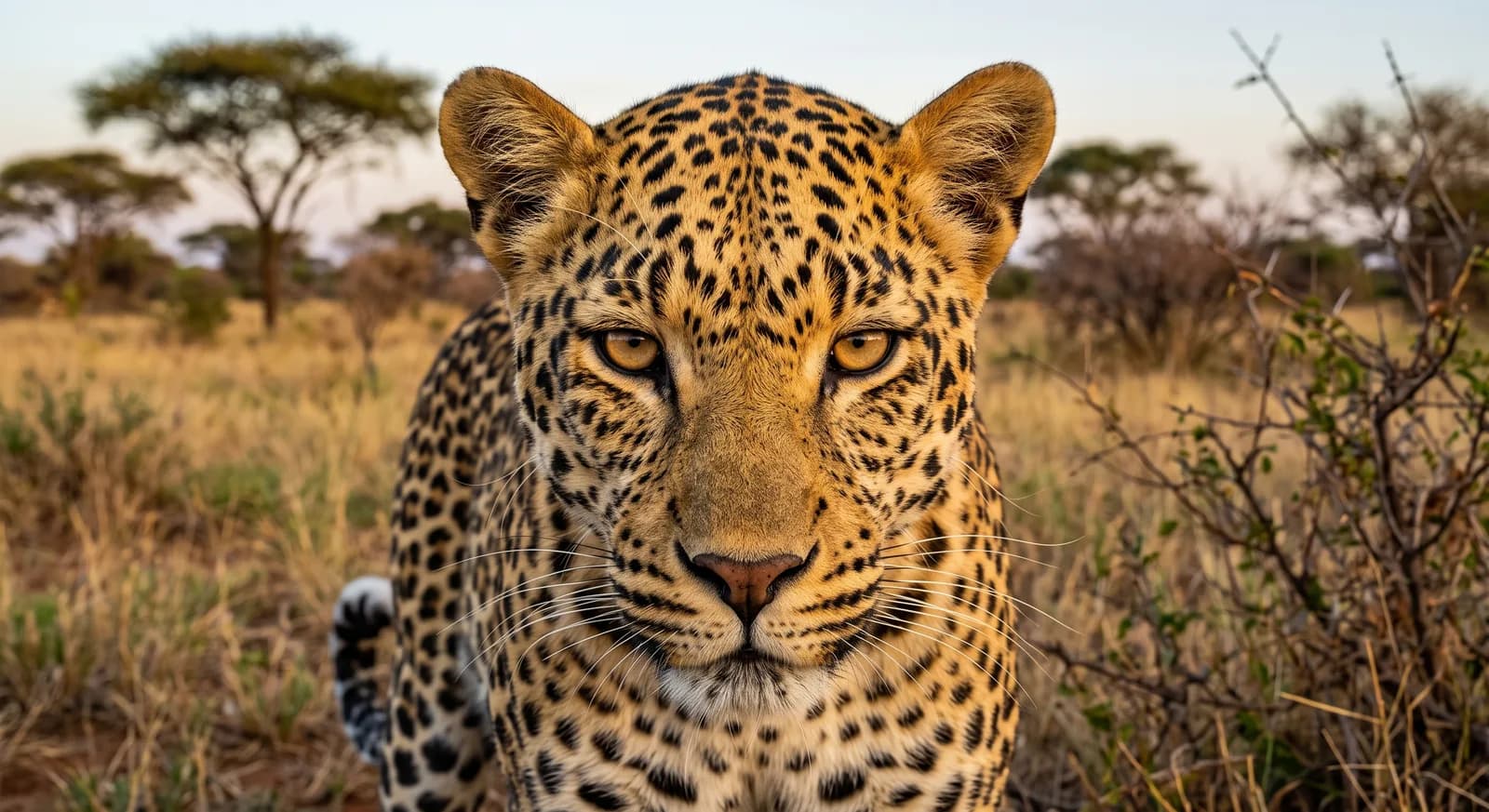 Vulnerable
Leopard
Panthera pardus
Rusty-Spotted Cat
Prionailurus rubiginosus
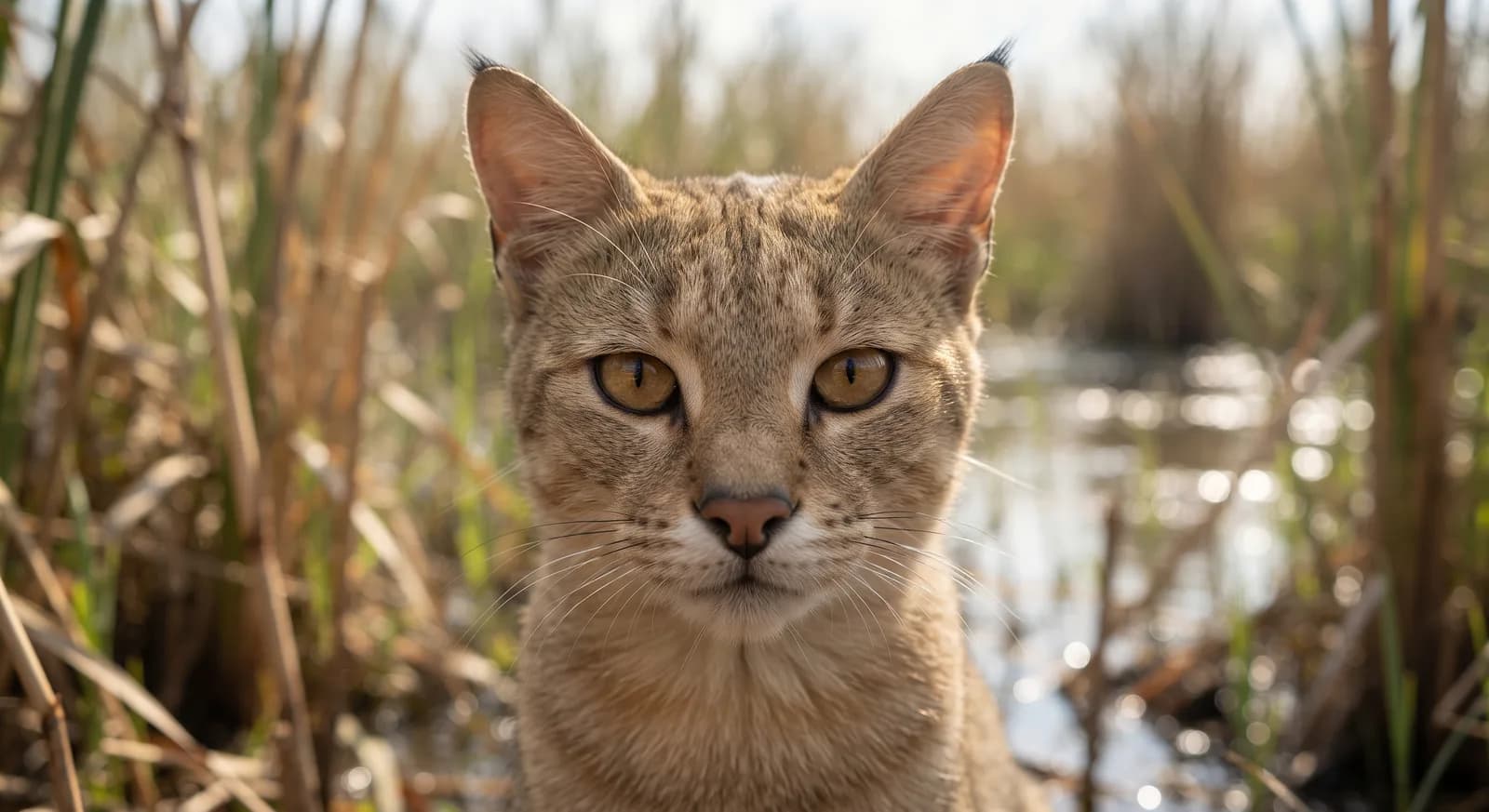 Least Concern
Jungle Cat
Felis chaus
Indian Pangolin
Manis crassicaudata
Asian Golden Cat
Catopuma temminckii
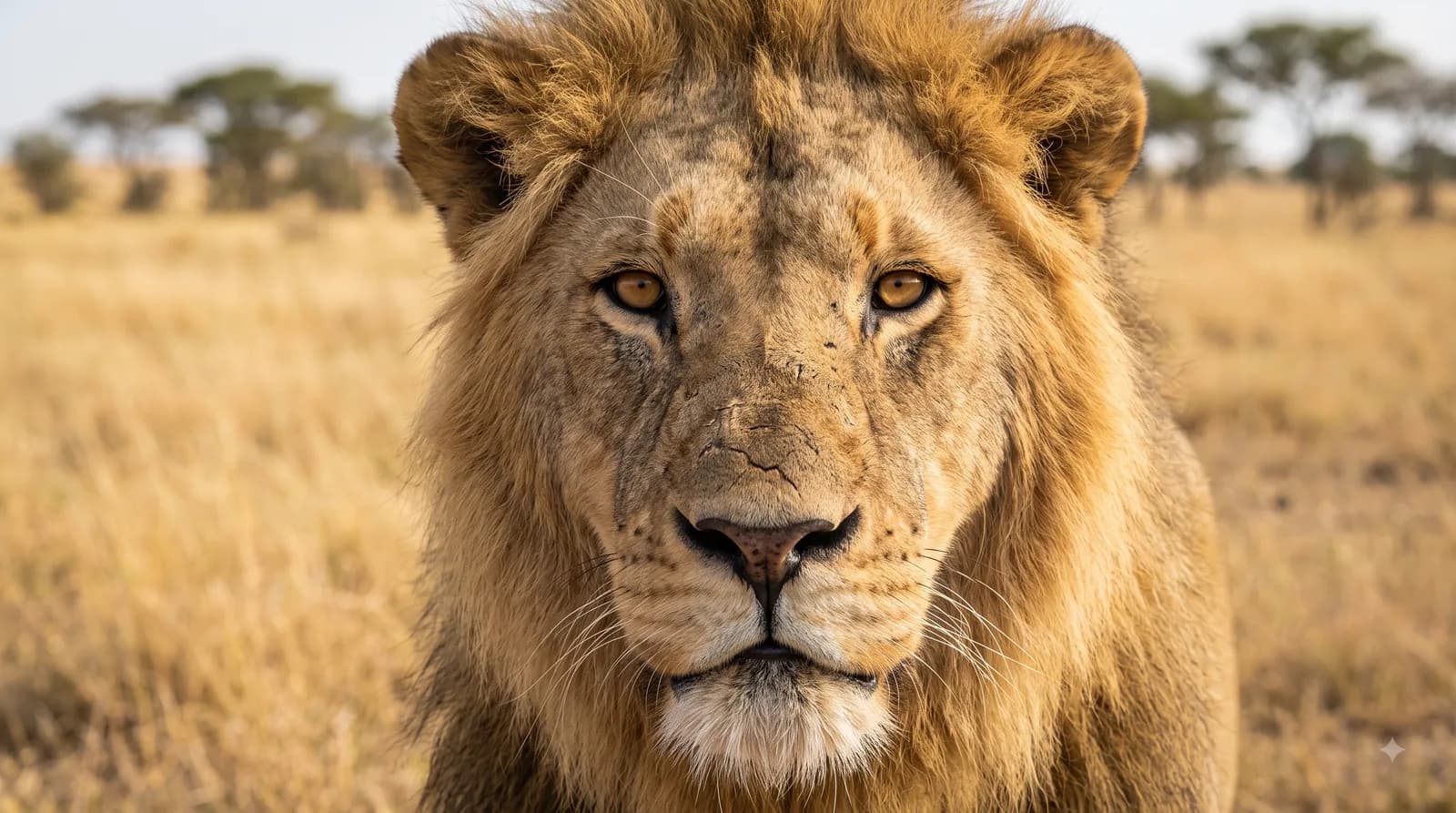 Vulnerable
Lion
Panthera leo
How to help
The asiatic lion is classified as endangered. Organizations such as UICN, WWF y Wildlife Conservation Society work specifically on its conservation and that of its habitat; looking into their programs is a good starting point if you want to get involved.
It's documented in 1 real protected area — part of why protecting these places matters for its conservation.
Keep exploring
Based on what we already know about asiatic lion.
Comments
Share an experience, a fun fact or a tip for seeing the asiatic lion.
Be the first to comment.