One of the 14 cats on WAnimals
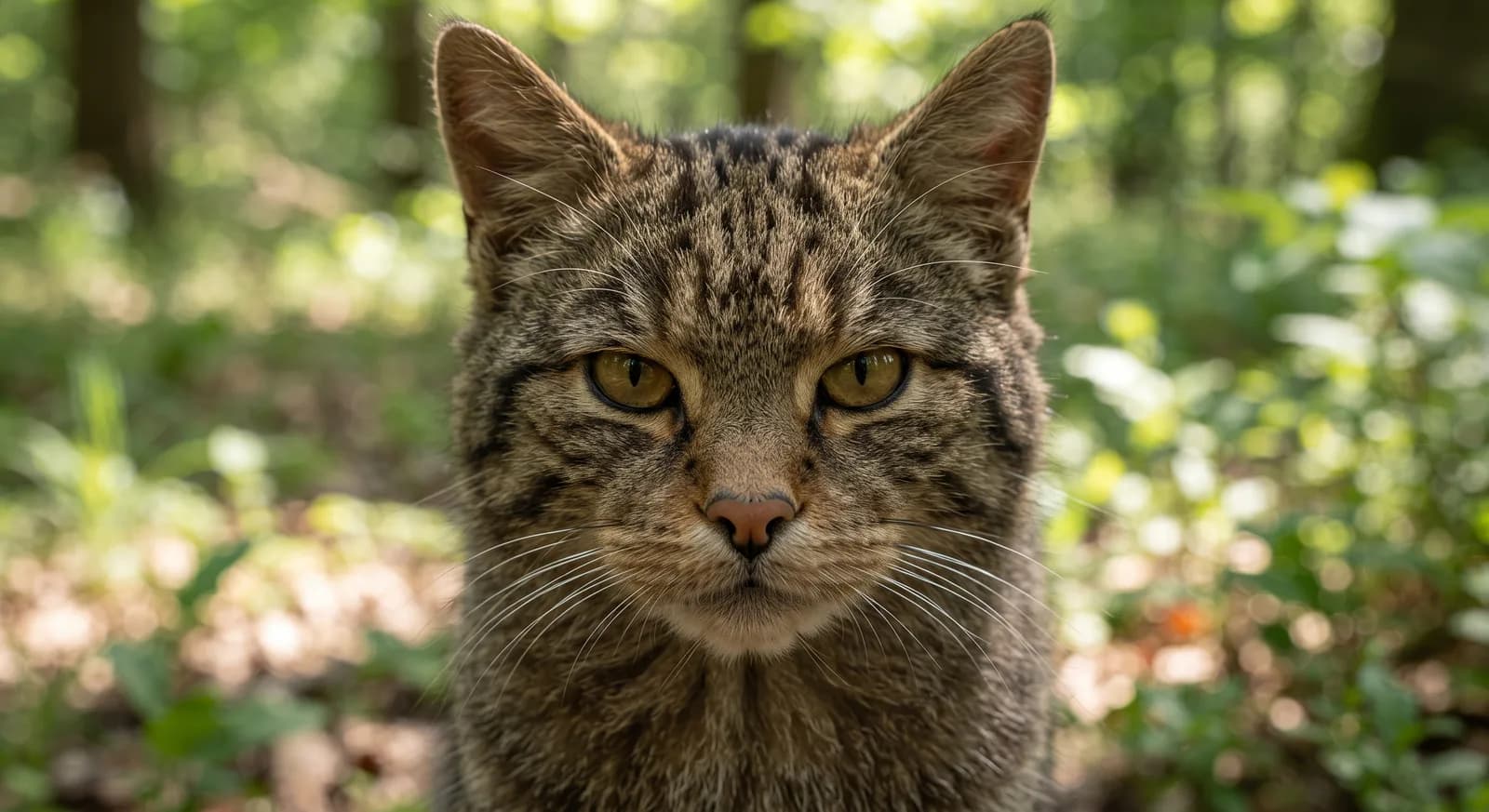
Mammals · Carnivora · Felidae
Wildcat
Felis silvestris
The species is abundant and widely distributed; it faces no significant short-term risk. See full glossary
Its greatest conservation threat is neither hunting nor habitat loss, but genetic hybridisation with feral domestic cats.
Weight
3.2 kg – 8 kg
Size
up to 65 cm
Lifespan
13 years
Diet
Carnivore
Feeds mainly on other animals.
Activity
Nocturnal
Active mainly at night.
Social structure
Solitary
Lives and hunts alone, joining others only to breed.
Sighting difficulty
Easy
Fun facts
- Its greatest threat is not hunting but genetic hybridisation with feral domestic cats.
- It feeds mainly on small rodents.
- It lives in the deciduous and mixed woodland of continental Europe and Scotland.
Life cycle & biology
- Skeleton type
- Vertebrate - internal bony skeleton (mammal)
- Habitat & environment
- Broadleaf and mixed woodland across much of continental Europe, Scotland, Turkey and the Caucasus
- Birth weight
- Born blind and helpless
- Size at birth
- Tiny at birth
- Sexual maturity
- 10-11 months
- Gestation / incubation
- 60-71 days
- Litter / clutch size
- 1 to 7 kittens per litter
- Lifespan in captivity
- Documented record of up to 20+ years
Sources consulted: A-Z Animals; ISEC Canada; Britannica; Animal Diversity Web; Know Your Mammals; Animalia.bio; The Animal Facts; Wikipedia (European wildcat); IUCN CatSG
Where to find it
See its range on the interactive mapWhere to watch it
Parques y spots de buceo donde se ha documentado esta especie — se muestran 10 de 33 documentados.
Related species
Other species in the catalogue with the most in common with Wildcat — same habitat, park, country, tags or family.
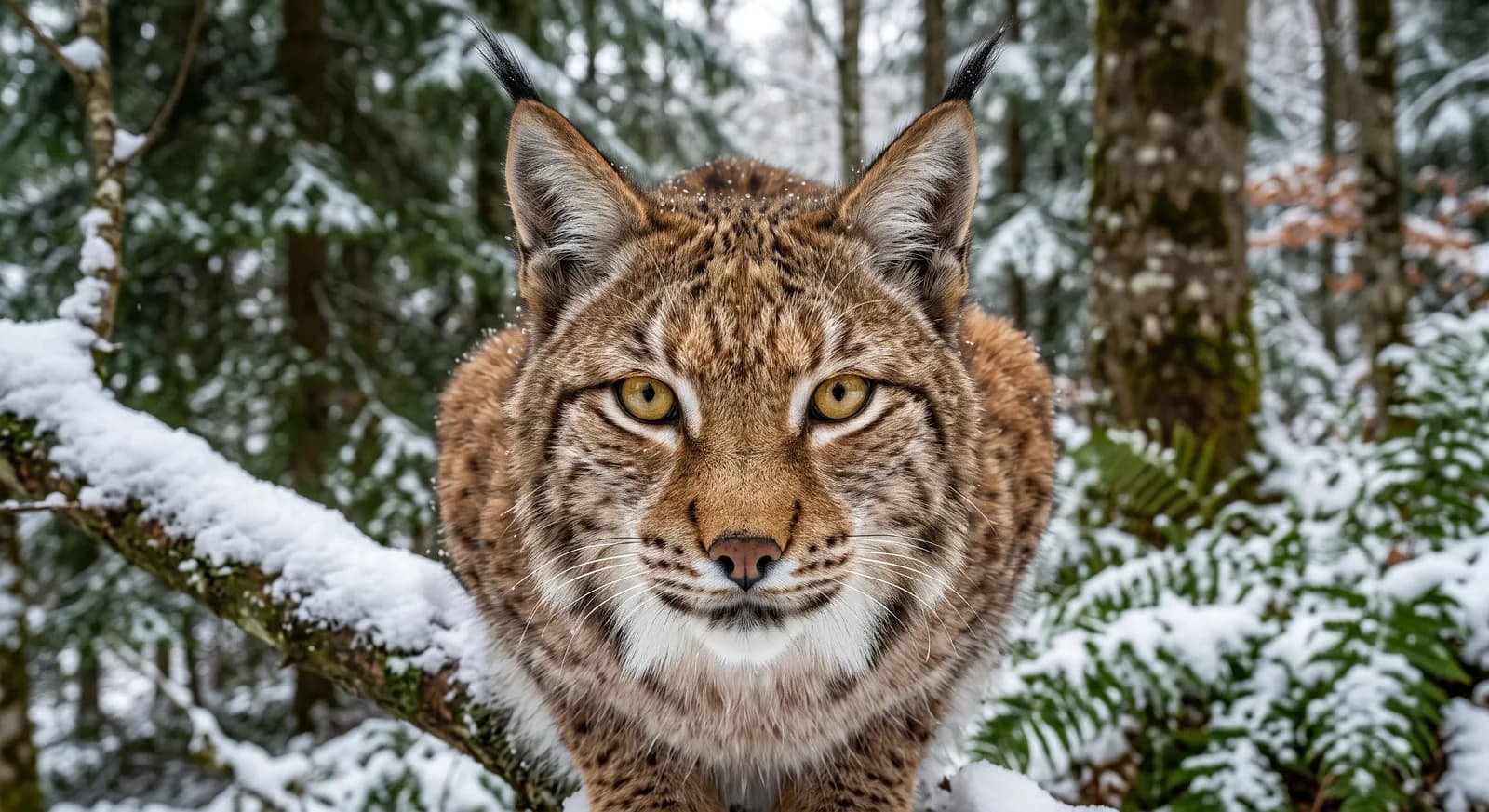 Least Concern
Eurasian Lynx
Lynx lynx
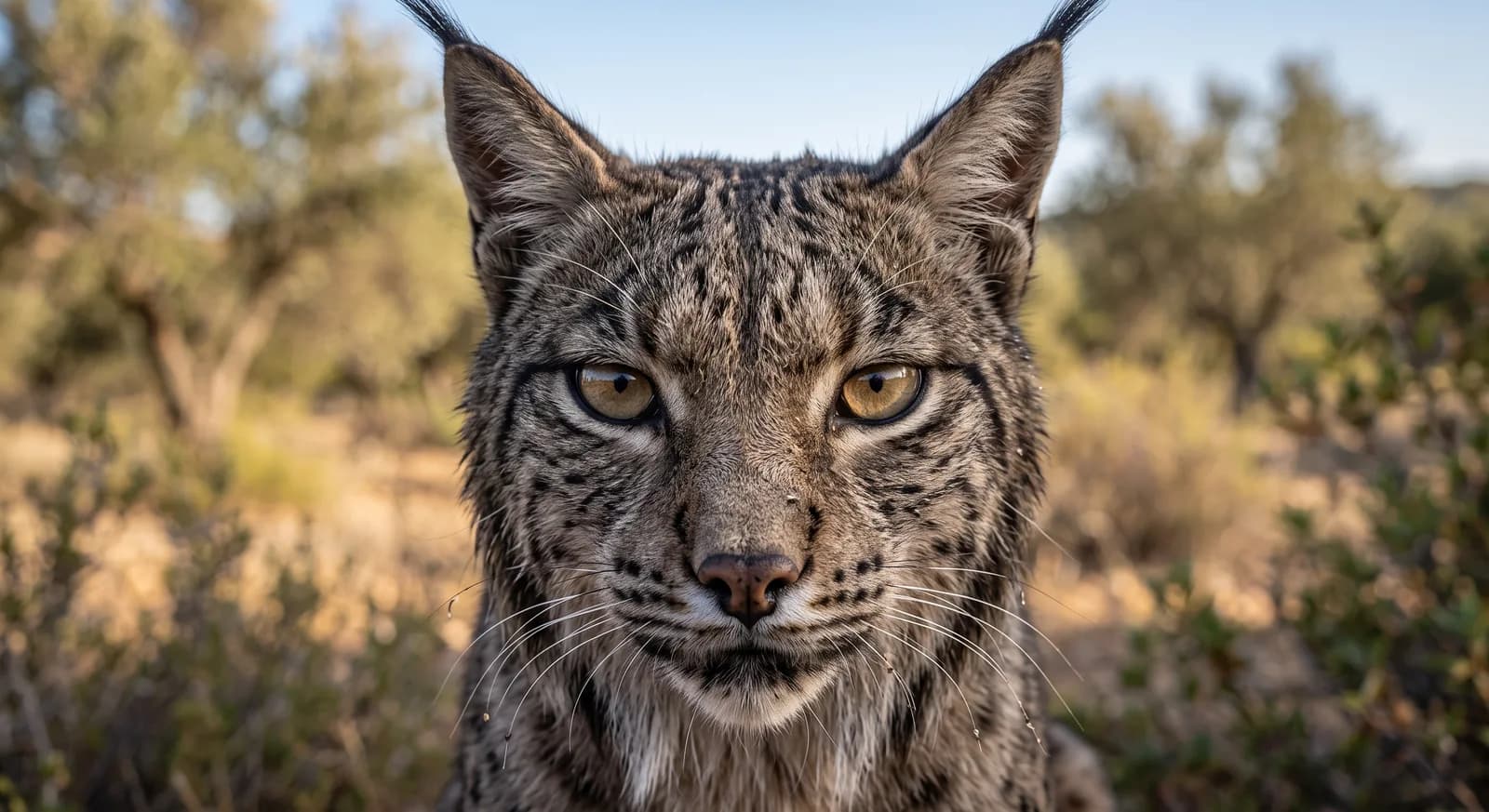 Endangered
Iberian Lynx
Lynx pardinus
Fat Dormouse
Glis glis
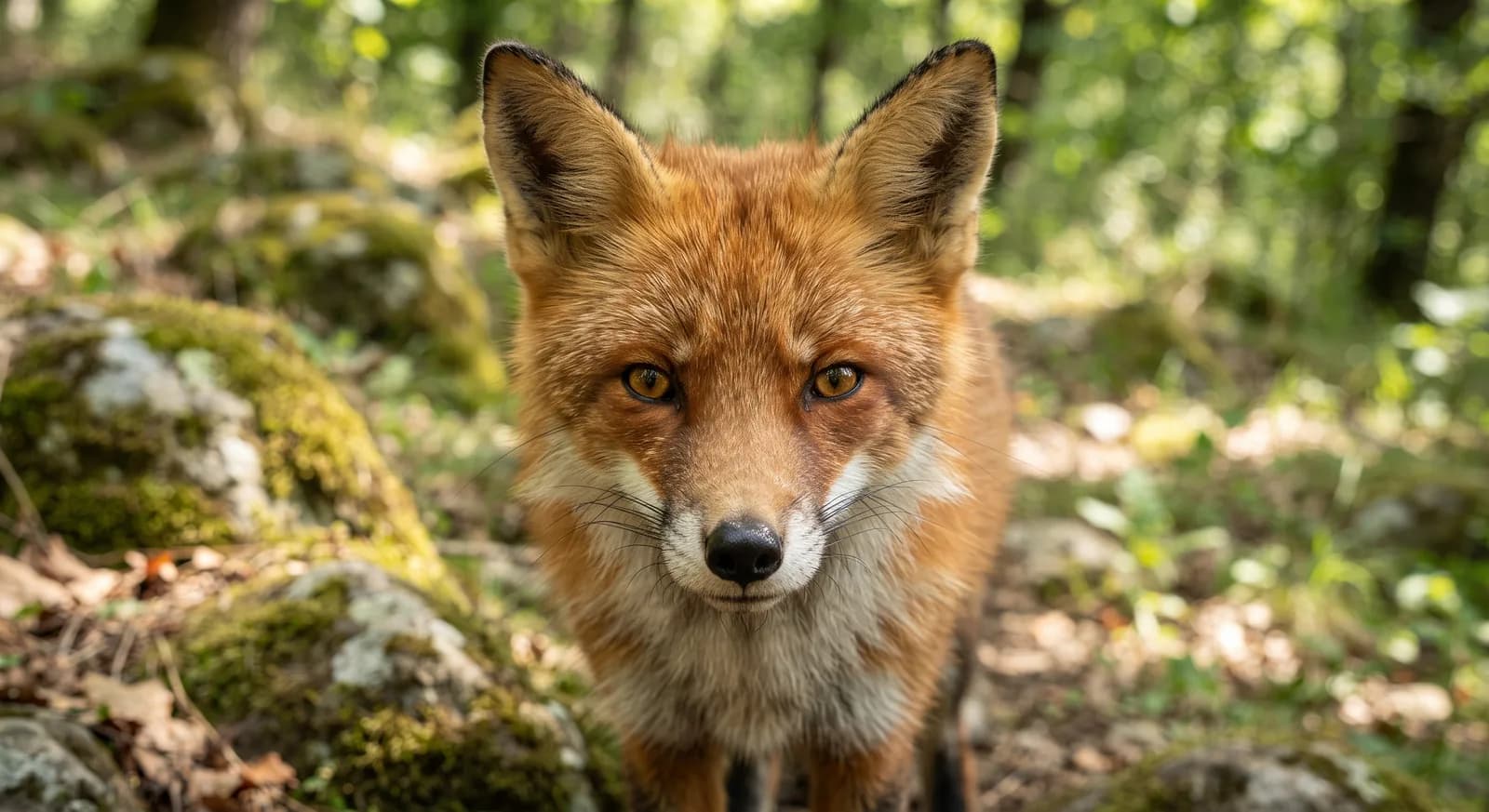 Least Concern
Red Fox
Vulpes vulpes
Least Weasel
Mustela nivalis
Pine Marten
Martes martes
Keep exploring
Based on what we already know about wildcat.
Comments
Share an experience, a fun fact or a tip for seeing the wildcat.
Be the first to comment.