Mediterranean woodland and dehesas of the Sierra Morena, holding the most important Iberian lynx population.
Area
748 km²
Declared in
1989
Region
Southern Europe
Climate
Árido / desértico, Templado, Mediterráneo, Montañoso
Best time
All year round
Highlight
Mediterranean woodland and dehesas of the Sierra Morena
Sierra de Andújar Natural Park was declared on 28 July 1989 and protects 74,774 hectares in the eastern belt of the Sierra Morena, in the province of Jaén, mostly in the municipality of Andújar and to a lesser extent in Baños de la Encina, Marmolejo and Villanueva de la Reina. The river Yeguas separates it to the west from the Sierra de Cardeña y Montoro Natural Park, already in Córdoba, and to the north it borders Sierra Madrona. The relief is one of gentle hills and mountains, with an average altitude of about 585 m, a low point of 200 m on the river Jándula and a maximum of 1,291 m in Sierra Quintana. The absence of settlements inside it and of major infrastructure is one of the keys to its good state of preservation.
Mediterranean woodland dominates in its fullest expression: holm oak, cork oak and Portuguese oak woods on the high ground, large dehesa areas given over to livestock and to game management, and scrub of rockrose, mastic, kermes oak and strawberry tree. The rivers Jándula and Yeguas preserve well-structured riverine woodland and a rich aquatic community, with amphibians such as the Iberian midwife toad, the Iberian newt and the Iberian parsley frog, and reptiles such as Lataste's viper, Schreiber's green lizard and the Spanish and European pond terrapins. The Jándula and Encinarejo reservoirs complete the water system.
Its emblematic wildlife has made the park a reference destination for nature watching in Europe. It holds the most important population of Iberian lynx, which was the main source of animals for the captive breeding programmes and for reinforcing other populations when the species was reduced to fewer than a hundred individuals at the start of this century. It is joined by the Spanish imperial eagle, the golden eagle, the cinereous vulture, the black stork and the otter, and there is a high density of red deer, fallow deer, roe deer, mouflon and wild boar. Some 178 bird species have been recorded. At the heart of the park, on the Cabezo hill, stands the Sanctuary of the Virgen de la Cabeza, whose April pilgrimage draws tens of thousands of people every year and is declared of National Tourist Interest.
Location
See on the interactive map1 dive site within 300 km is also shown.
198 species documented in Sierra de Andújar
At conservation risk:Capricornio del roble,Lince ibérico,Murciélago de cueva (murciélago de alas largas),Perdiz roja,Sapo de espuelas ibérico,Sapo partero bético,Víbora hocicuda
Endemic to Spain:Lince ibérico
Abeja albañil
Osmia bicornis
Abeja carpintera violeta
Xylocopa violacea
Abeja del sudor europea
Lasioglossum malachurum
Abeja minera fulva
Andrena fulva
Abejaruco europeo
Merops apiaster
Abejorro común
Melolontha melolontha
Abejorro terrestre
Bombus terrestris
Abubilla
Upupa epops
Águila calzada
Hieraaetus pennatus
Águila perdicera
Aquila fasciata
Aguilucho cenizo
Circus pygargus
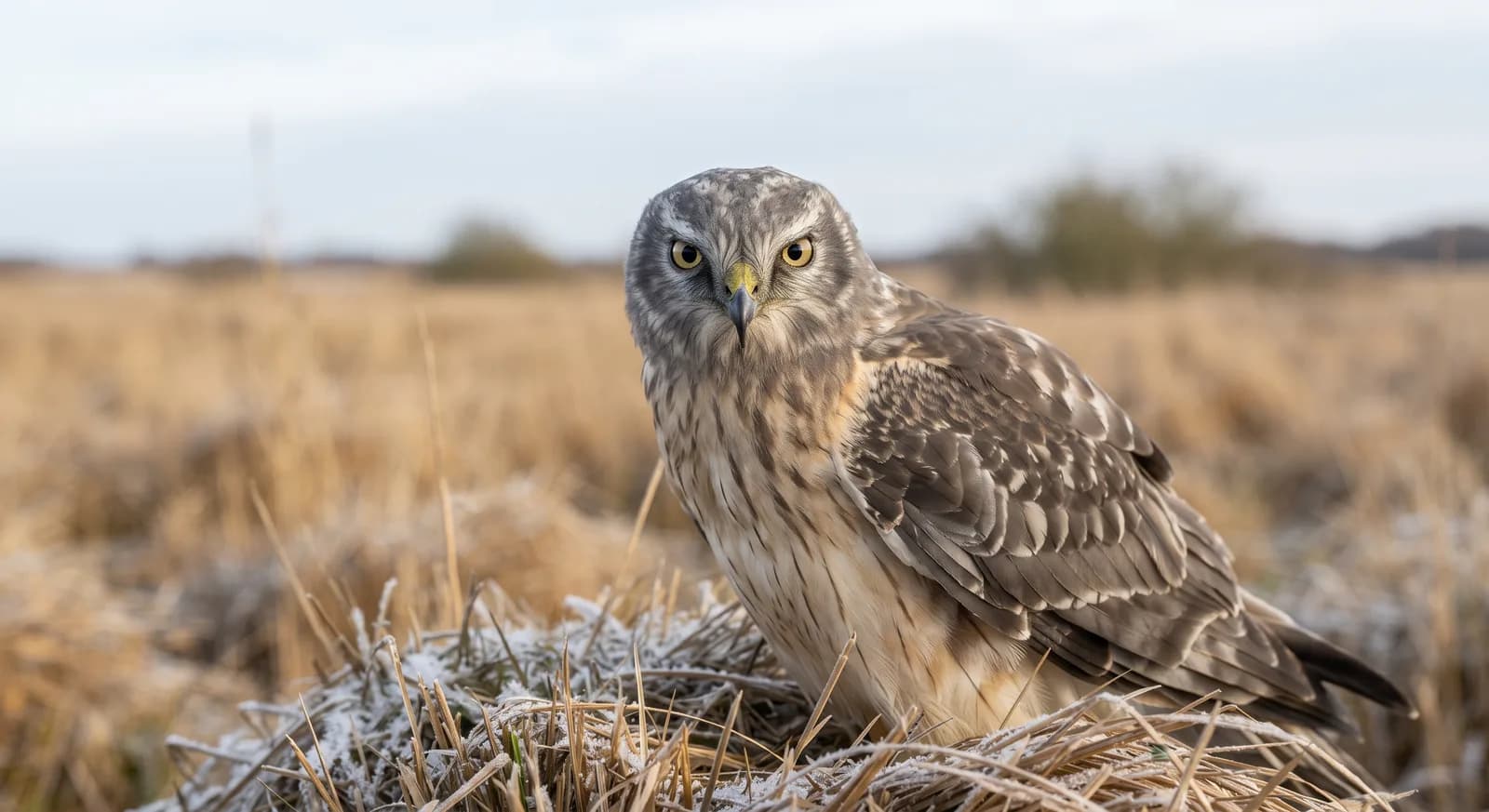 Least Concern
Aguilucho pálido
Circus cyaneus
Flora and ecosystems
Ecosystems found in Spain, where Sierra de Andújar lies.
Experiences in this park
Nearby dive sites
Where can I dive near here?
Alboran Island
278 km away
Similar parks
Which other parks are like this one?
Keep exploring
Based on what we already know about Sierra de Andújar.
Your rating
How many stars would you give Sierra de Andújar?
Comments
Share your experience visiting Sierra de Andújar, or a tip for other travellers.
Be the first to comment.