One of the 12 vipers on WAnimals
Reptiles · Squamata · Viperidae
Lataste's Viper
Vipera latastei
It faces a high risk of extinction in the wild over the medium term. See full glossary
Lataste's viper is one of the three vipers of the Iberian Peninsula and the most widespread across the south and centre. It is recognised by a fleshy appendage projecting from its snout. It is shy and prefers to flee rather than bite. It is in marked decline in Spain because of scrub clearance, road deaths and direct persecution out of fear.
Weight
161 g on average
Size
40 cm – 75 cm
Lifespan
15 years
Diet
Carnivore
Feeds mainly on other animals.
Activity
Crepuscular
Active above all at dawn and dusk.
Social structure
Solitary
Lives and hunts alone, joining others only to breed.
Sighting difficulty
Moderate
Fun facts
- GeneralEndemic to south-western Europe and the Maghreb; it is known by the horn on its snout.
- sentidosIt is one of the few venomous snakes native to the Iberian Peninsula, and can sense the body heat of small mammals even in total darkness.
- It is one of only three vipers on the Iberian Peninsula, alongside the asp viper and Seoane's viper, and the most widespread across the centre and south of the country.
- It is in sharp decline in Spain: road deaths, agricultural intensification and above all direct persecution out of fear have made it disappear from wide areas where it used to be common.
- It is viviparous and extremely slow to reproduce: the females breed only every two or three years, so a population takes a long time to recover from any loss.
Life cycle & biology
- Skeleton type
- Vertebrate - internal bony skeleton (reptile)
- Habitat & environment
- Mediterranean scrub, rock outcrops, scree and sunny slopes of the Iberian Peninsula and the Maghreb
- Sexual maturity
- 3 years
- Gestation / incubation
- 3 months of gestation
- Litter / clutch size
- 6 live young
Sources consulted: https://es.wikipedia.org/wiki/Vipera_latastei
Where to find it
See its range on the interactive mapWhere to watch it
Parques y spots de buceo donde se ha documentado esta especie — se muestran 10 de 24 documentados.
Related species
Other species in the catalogue with the most in common with Lataste's Viper — same habitat, park, country, tags or family.
Seoane's Viper
Vipera seoanei
Asp Viper
Vipera aspis
Common Tortoise
Testudo graeca
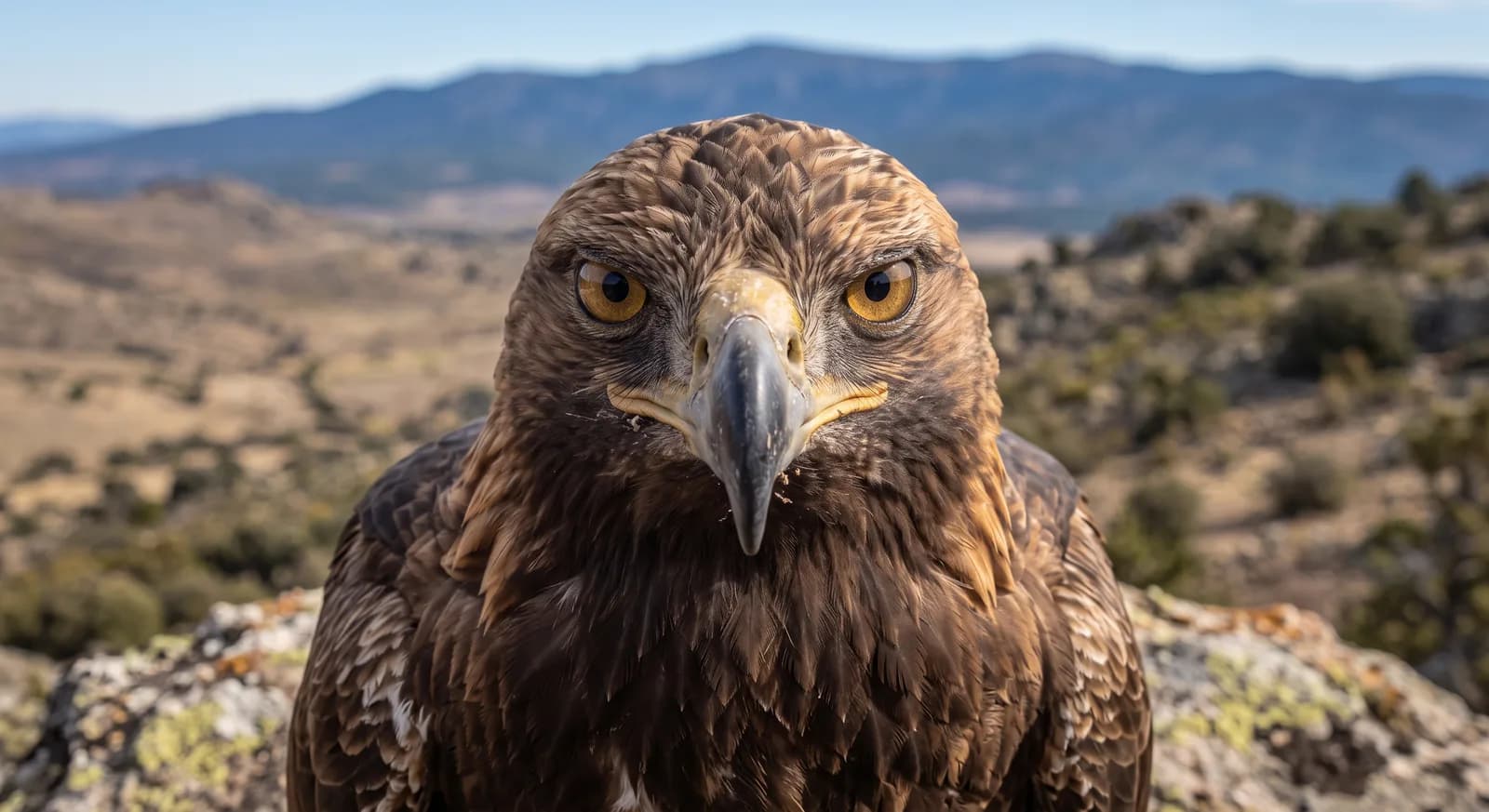 Vulnerable
Spanish Imperial Eagle
Aquila adalberti
Golden-striped Salamander
Chioglossa lusitanica
Iberian Desman
Galemys pyrenaicus
How to help
The lataste's viper is classified as vulnerable. Organizations such as UICN, WWF y Wildlife Conservation Society work specifically on its conservation and that of its habitat; looking into their programs is a good starting point if you want to get involved.
It's documented in 8 real protected areas — part of why protecting these places matters for its conservation.
Keep exploring
Based on what we already know about lataste's viper.
Comments
Share an experience, a fun fact or a tip for seeing the lataste's viper.
Be the first to comment.