One of the 23 eagles on WAnimals
Birds · Accipitriformes · Accipitridae
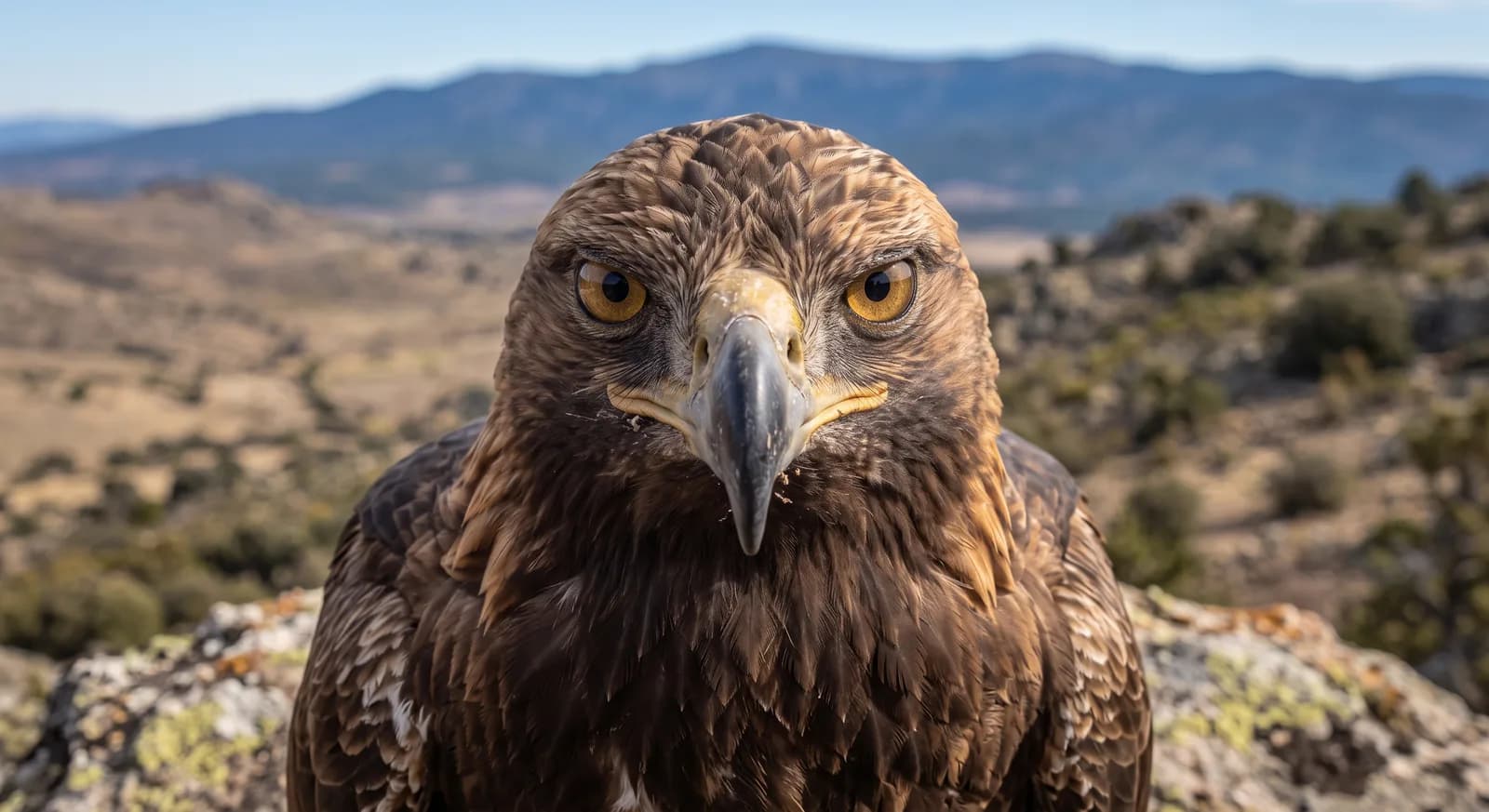
Spanish Imperial Eagle
Aquila adalberti
It faces a high risk of extinction in the wild over the medium term. See full glossary
It is endemic to the Iberian Peninsula, recognisable by the striking white 'shoulders' along the leading edge of its wings.
Weight
2.5 kg – 4.8 kg
Size
72 cm – 85 cm
Lifespan
16 years
Diet
Carnivore
Feeds mainly on other animals.
Activity
Diurnal
Active mainly during the day.
Social structure
Solitary
Lives and hunts alone, joining others only to breed.
Sighting difficulty
Moderate
Fun facts
- Its population crashed when myxomatosis and rabbit haemorrhagic disease decimated the European rabbit, its main prey.
- It feeds mainly on European rabbit, supplemented with waterbirds, partridges and carrion.
- It came to the brink of extinction, down to fewer than 50 pairs in the 1960s and 1970s.
- conservaciónIt is one of the rarest birds of prey in the world and is now almost entirely confined to the Iberian Peninsula, having come close to extinction.
Life cycle & biology
- Skeleton type
- Vertebrate - pneumatised bony skeleton (bird)
- Habitat & environment
- Mature Mediterranean dehesa, cork oak and pine woodland of the Iberian Peninsula, close to open scrub
- Birth weight
- Weight at hatching not found as a precise figure
- Size at birth
- Covered in white down at hatching
- Sexual maturity
- 4-5 years
- Gestation / incubation
- 40-44 days
- Litter / clutch size
- 1 to 4 eggs per clutch (most commonly 2-3, though rarely more than 1-2 chicks survive)
Sources consulted: JungleDragon; iNaturalist; Animal Kingdom; Animalia.bio; Operation Migration; Wikipedia (Spanish imperial eagle); The Eagle Directory; Oiseaux-birds.com
Where to watch it
Parks and dive sites where this species has been documented.
Related species
Other species in the catalogue with the most in common with Spanish Imperial Eagle — same habitat, park, country, tags or family.
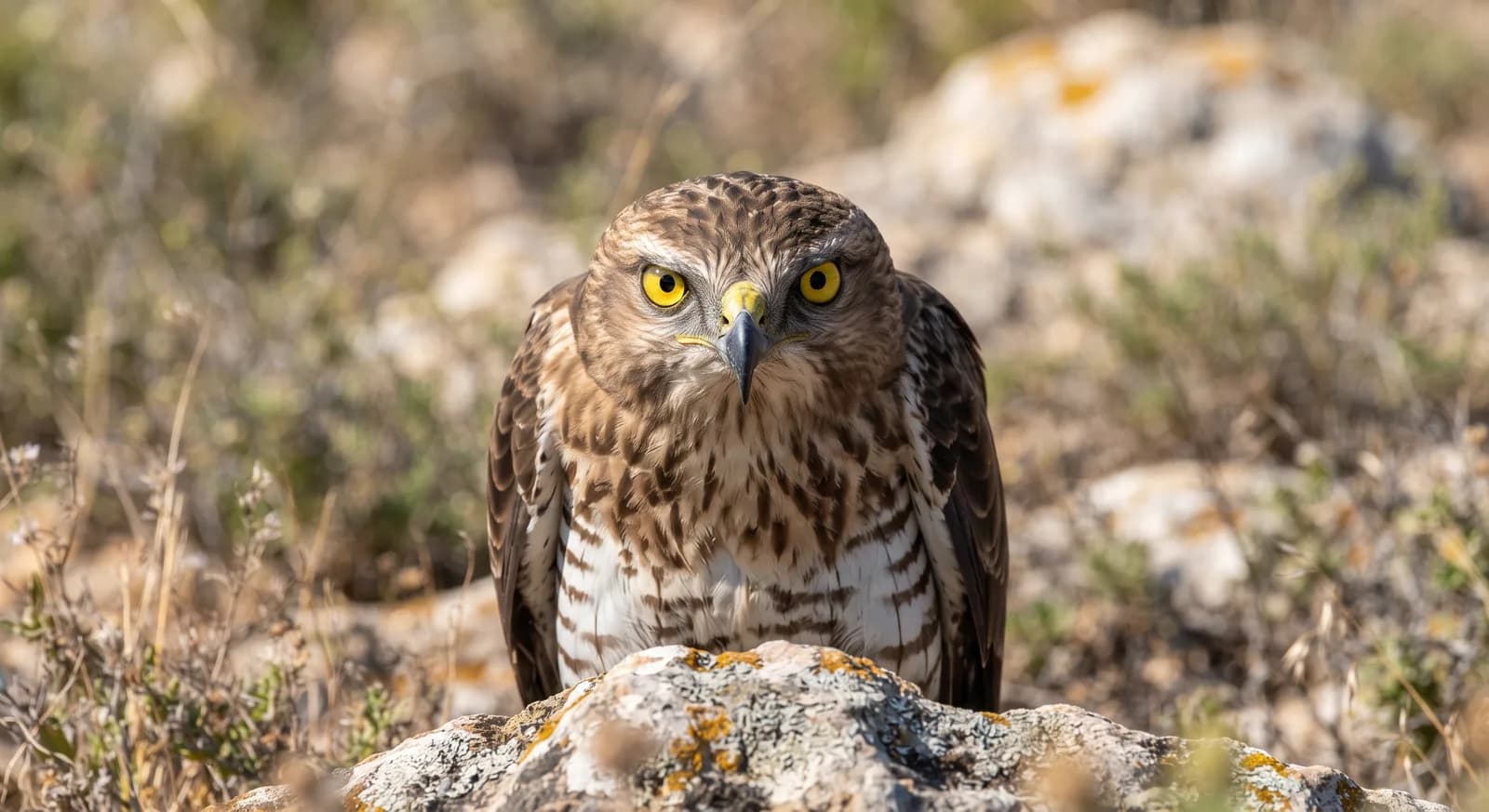
Eurasian Sparrowhawk
Accipiter nisus
Northern Goshawk
Accipiter gentilis
 Least Concern
Short-toed Eagle
Circaetus gallicus
Common Buzzard
Buteo buteo
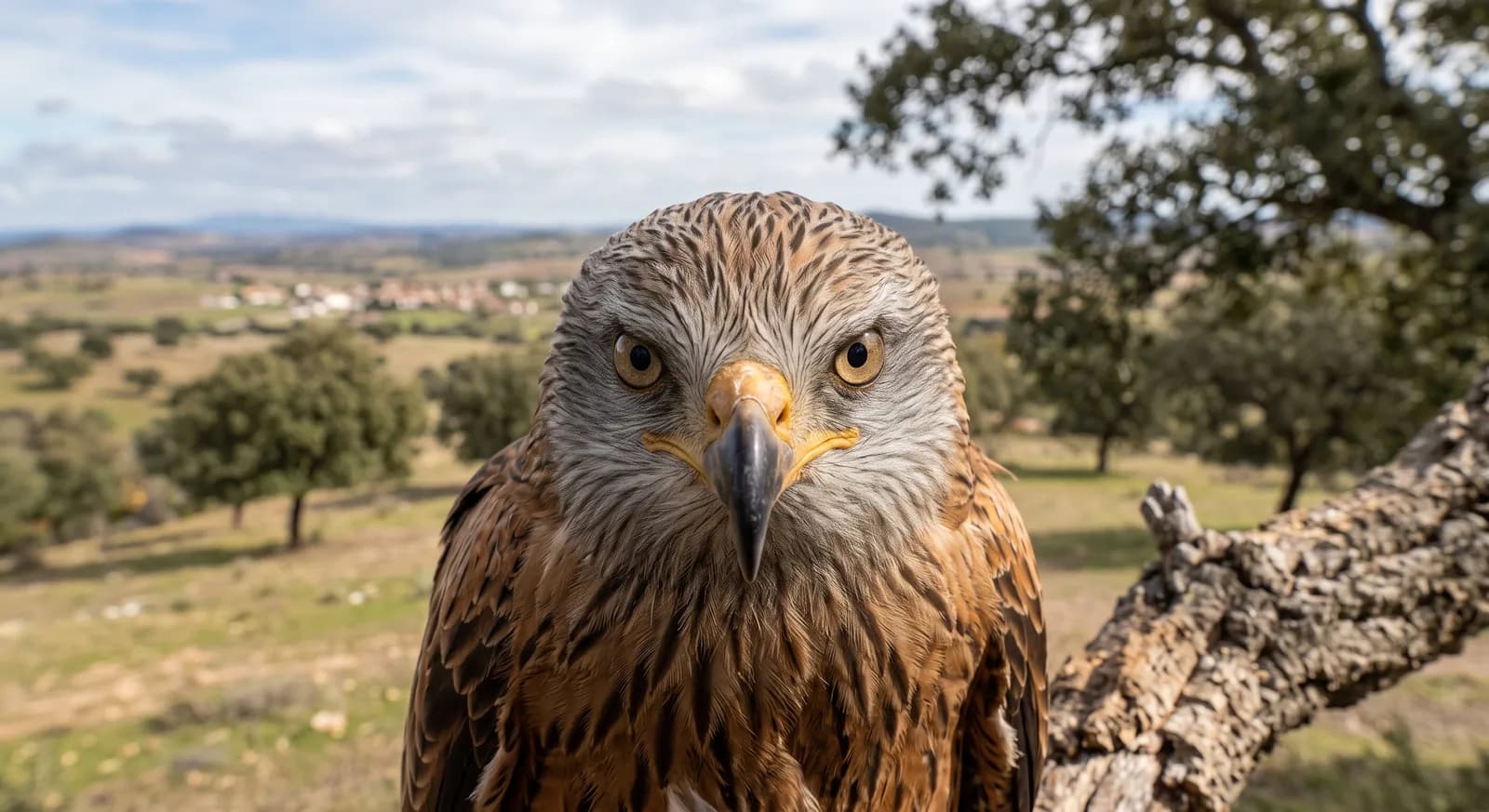
Booted Eagle
Hieraaetus pennatus
 Least Concern
Red Kite
Milvus milvus
How to help
The spanish imperial eagle is classified as vulnerable. Organizations such as UICN, WWF y Wildlife Conservation Society work specifically on its conservation and that of its habitat; looking into their programs is a good starting point if you want to get involved.
It's documented in 4 real protected areas — part of why protecting these places matters for its conservation.
Keep exploring
Based on what we already know about spanish imperial eagle.
Comments
Share an experience, a fun fact or a tip for seeing the spanish imperial eagle.
Be the first to comment.