Cartilaginous fish · Squaliformes · Centrophoridae
Gulper Shark
Centrophorus granulosus
It faces a very high risk of extinction in the wild in the near future. See full glossary
The gulper shark, known in some ports of northern Spain as lija babosa, is a shark found in the northern Gulf of Mexico, the eastern Atlantic, and off the coasts of Madagascar, Aldabra and Honshu.
Size
up to 1.7 m
Lifespan
39 years
Diet
Carnivore
Feeds mainly on other animals.
Social structure
Solitary
Lives and hunts alone, joining others only to breed.
Sighting difficulty
Hard
Fun facts
- fisiologíaIts liver can make up as much as 20% of its total body weight, rich in a low-density oil (squalene) that helps it hold neutral buoyancy in deep water.
- Its reproductive biology is among the slowest known in any vertebrate: a single pup per litter, maturity at sixteen and a half years and an estimated generation length of almost 28 years. That means a depleted population takes decades to recover.
- It is fished for its liver oil, extremely rich in squalene; it is the most highly valued of all shark oils and is exported to Japan and the European Union.
- It is ovoviviparous: the embryos feed only on the egg yolk.
- It is Endangered globally and Critically Endangered in Australian waters.
Life cycle & biology
- Skeleton type
- Vertebrate - cartilaginous skeleton (chondrichthyan fish)
- Habitat & environment
- Bathydemersal bottoms of every ocean except the eastern Pacific, between 98 and 1,700 m and usually between 200 and 600 m
- Sexual maturity
- 12.2 years
- Litter / clutch size
- 1
Sources consulted: https://es.wikipedia.org/wiki/Centrophorus_granulosus
Where to find it
See its range on the interactive mapWhere to watch it
Parques y spots de buceo donde se ha documentado esta especie — se muestran 10 de 37 documentados.
Related species
Other species in the catalogue with the most in common with Gulper Shark — same habitat, park, country, tags or family.
Shortfin Mako
Isurus oxyrinchus
 Endangered
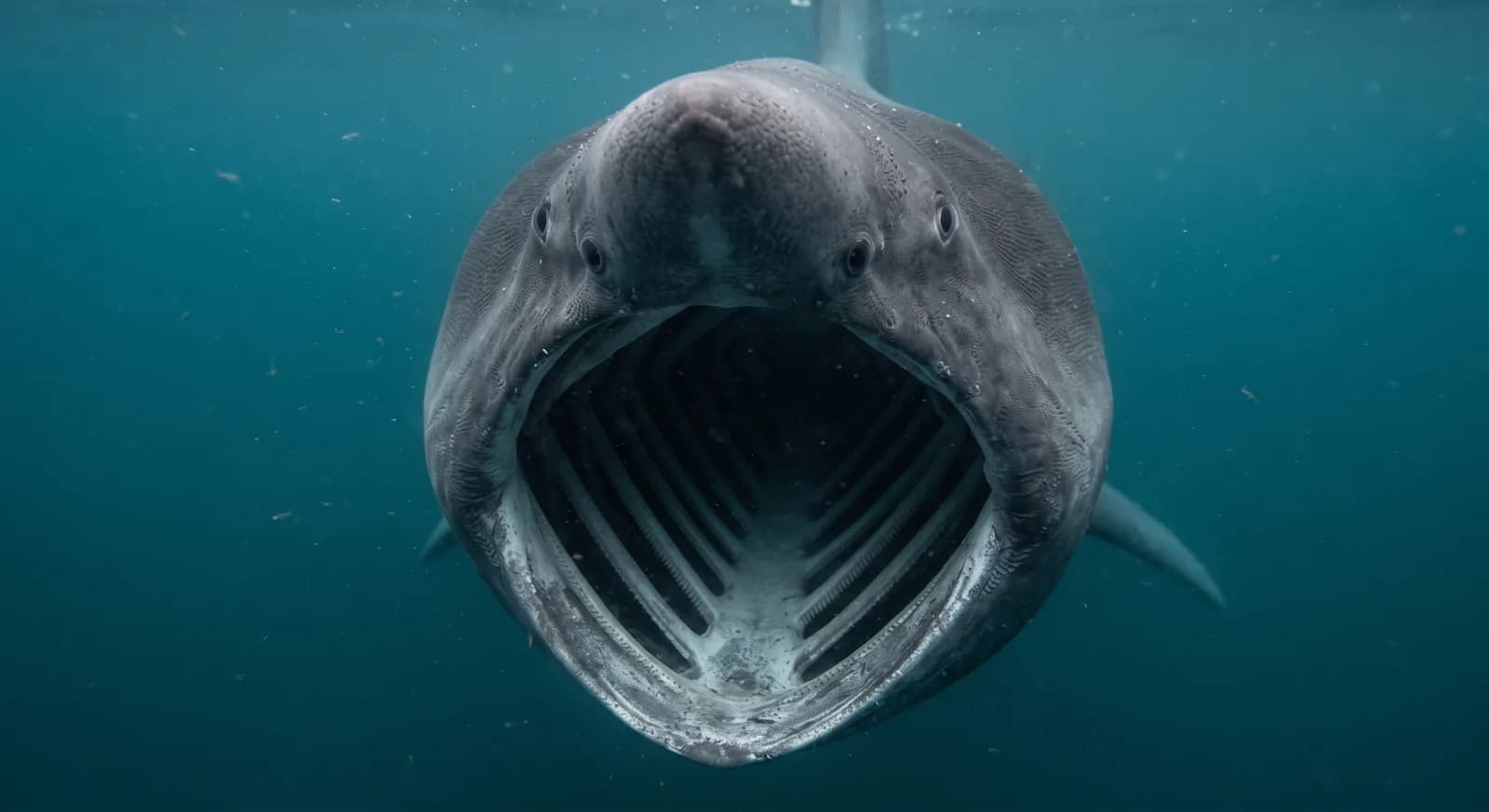
Basking Shark
Cetorhinus maximus
Dusky Perch
Epinephelus marginatus
 Endangered
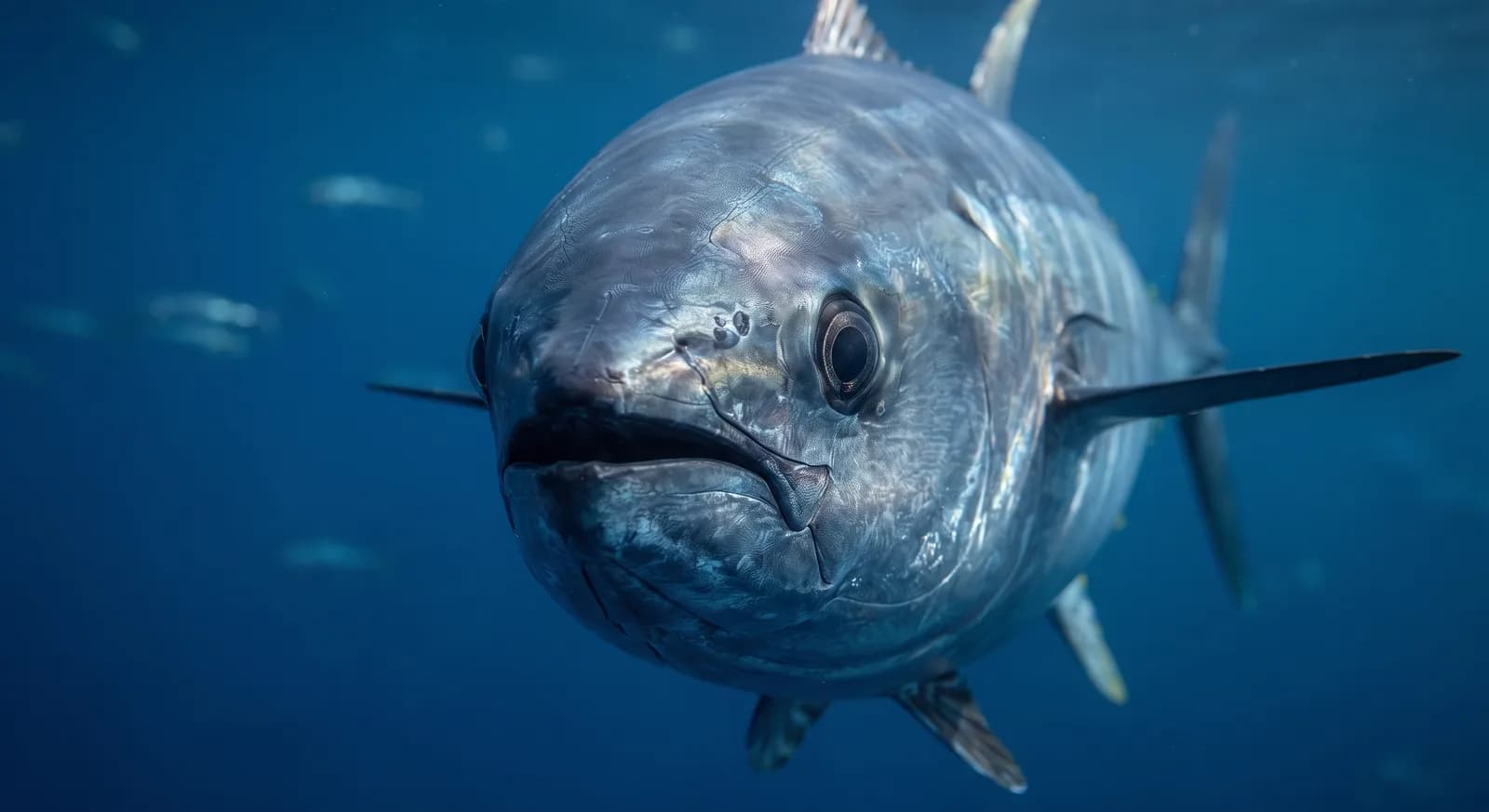
Atlantic Bluefin Tuna
Thunnus thynnus
Smooth-hound
Mustelus mustelus
Angular Roughshark
Oxynotus centrina
How to help
The gulper shark is classified as endangered. Organizations such as UICN, WWF y Wildlife Conservation Society work specifically on its conservation and that of its habitat; looking into their programs is a good starting point if you want to get involved.
It's documented in 10 real protected areas — part of why protecting these places matters for its conservation.
Keep exploring
Based on what we already know about gulper shark.
Comments
Share an experience, a fun fact or a tip for seeing the gulper shark.
Be the first to comment.