One of the 26 sharks on WAnimals
Cartilaginous fish · Squaliformes · Oxynotidae
Angular Roughshark
Oxynotus centrina
It faces a very high risk of extinction in the wild in the near future. See full glossary
The angular roughshark, a deep-water shark of unmistakable appearance: triangular in cross-section, with very rough skin, a flattened head and two tall dorsal fins as sharp as sails. It lives over muddy slope bottoms and feeds on worms and small bottom-dwelling invertebrates.
Size
60 cm – 1.5 m
Diet
Carnivore
Feeds mainly on other animals.
Social structure
Solitary
Lives and hunts alone, joining others only to breed.
Sighting difficulty
Hard
Fun facts
- It is listed as Endangered globally and Critically Endangered in the Mediterranean: it is taken as bycatch by deep-sea trawling, has no commercial value, and virtually no individual returned to the sea survives.
- It has an enormous, very oil-rich liver that takes up a good part of the body cavity and allows it to stay suspended without swimming.
- Its ridges above the eyes widen into swellings covered in denticles, a feature shared by no other shark in its family.
- Its silhouette is unmistakable: a body triangular in cross-section, a strongly arched back and two tall dorsal fins tipped with a spine, which give it the look of a humpbacked pig.
- Its liver is enormous in proportion to its body and very rich in oil, giving it near-neutral buoyancy and letting it hold position near the bottom without swimming.
- It feeds mainly on bottom invertebrates, especially polychaetes and the eggs of other fish.
- Its decline comes above all from bycatch in deep-water trawling: it is not fished for its value but falls into nets aimed at other species.
Life cycle & biology
- Skeleton type
- Vertebrate - cartilaginous skeleton (chondrichthyan)
- Habitat & environment
- Slope bottoms of the eastern Atlantic and the Mediterranean, between 60 and 1,300 m
- Size at birth
- Less than 25 cm at birth
- Sexual maturity
- Both sexes at around 50 cm
Sources consulted: https://es.wikipedia.org/wiki/Oxynotus_centrina
Where to find it
See its range on the interactive mapWhere to watch it
Parks and dive sites where this species has been documented.
Related species
Other species in the catalogue with the most in common with Angular Roughshark — same habitat, park, country, tags or family.
Shortfin Mako
Isurus oxyrinchus
 Endangered
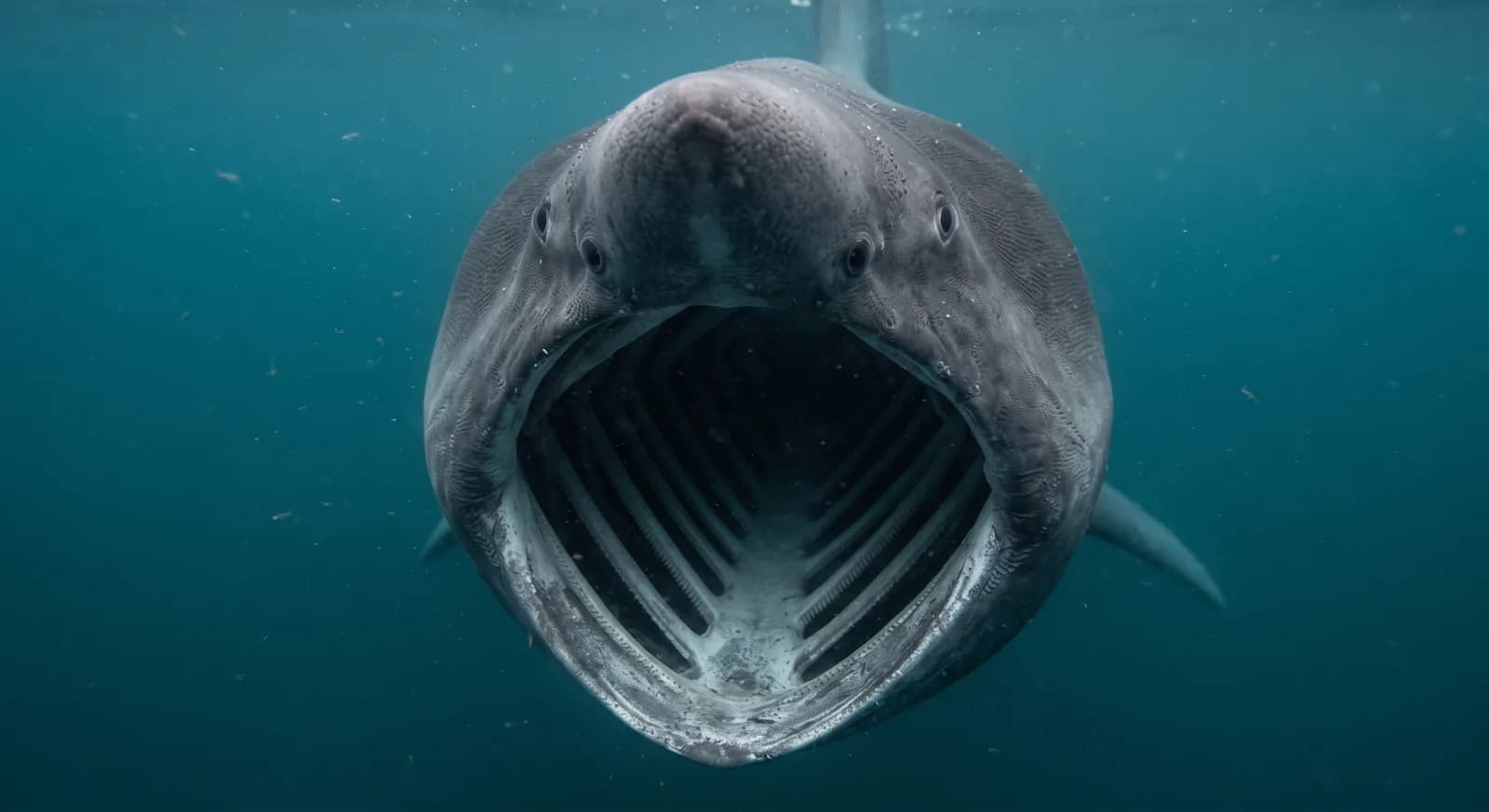
Basking Shark
Cetorhinus maximus
Dusky Perch
Epinephelus marginatus
 Endangered
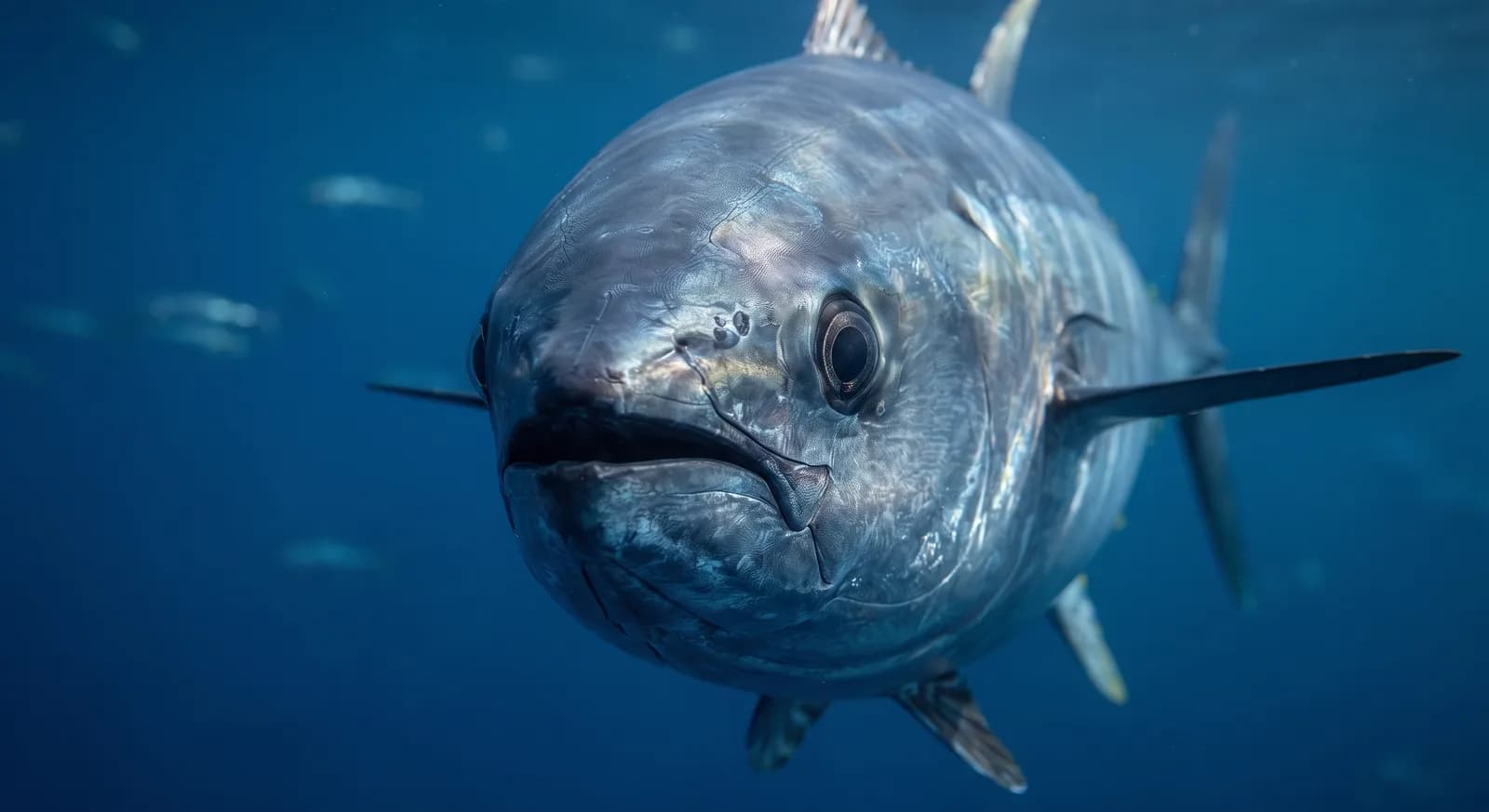
Atlantic Bluefin Tuna
Thunnus thynnus
Smooth-hound
Mustelus mustelus
Gulper Shark
Centrophorus granulosus
How to help
The angular roughshark is classified as endangered. Organizations such as UICN, WWF y Wildlife Conservation Society work specifically on its conservation and that of its habitat; looking into their programs is a good starting point if you want to get involved.
It's documented in 7 real protected areas — part of why protecting these places matters for its conservation.
Keep exploring
Based on what we already know about angular roughshark.
Comments
Share an experience, a fun fact or a tip for seeing the angular roughshark.
Be the first to comment.