One of the 2 pikas on WAnimals
Mammals · Lagomorpha · Ochotonidae
Pallas's Pika
Ochotona pallasii
The species is abundant and widely distributed; it faces no significant short-term risk. See full glossary
Pallas's pika is a small, chunky lagomorph with no visible tail and short, rounded ears, which inhabits the steppes and scree slopes of Mongolia, northern China, Kazakhstan and southern Russia. It lives in family colonies that dig burrows and communicate with high-pitched whistles. Like the rest of the pikas, it does not hibernate: it spends the summer cutting grass and piling it up in the sun to dry, forming small haystacks that serve as its larder through the long continental winters.
Weight
150 g – 250 g
Size
16 cm – 23 cm
Lifespan
3 years
Diet
Herbivore
Feeds mainly on plants.
Activity
Diurnal
Active mainly during the day.
Social structure
Colony
Lives in large concentrations, often for breeding reasons.
Sighting difficulty
Easy
Fun facts
- It cuts grass in summer and leaves it to dry in the sun in tidy little heaps, a hoarding habit that has earned it the nickname of farmer of the steppe.
- Pikas are not rodents but lagomorphs, that is, close relatives of rabbits and hares, with which they share a second pair of incisors behind the first.
Life cycle & biology
- Skeleton type
- Vertebrate - internal bony skeleton (mammal)
- Habitat & environment
- Rocky steppe, scree and semi-desert in Central Asia, between 1,200 and 3,500 m
- Birth weight
- Born blind and almost naked
- Size at birth
- Born blind and almost naked; it opens its eyes within a few days
- Gestation / incubation
- 25 days
- Litter / clutch size
- 5
Sources consulted: https://www.iucnredlist.org/ | https://animaldiversity.org/ | https://es.wikipedia.org/
Where to find it
See its range on the interactive mapBest time: All year round on the steppes of Mongolia and north-western China, by day; in summer and autumn it is seen carrying and drying grass in haypiles.
Where to watch it
Parques y spots de buceo donde se ha documentado esta especie — se muestran 10 de 15 documentados.
Related species
Other species in the catalogue with the most in common with Pallas's Pika — same habitat, park, country, tags or family.
Black-bellied Sandgrouse
Pterocles orientalis
 Least Concern
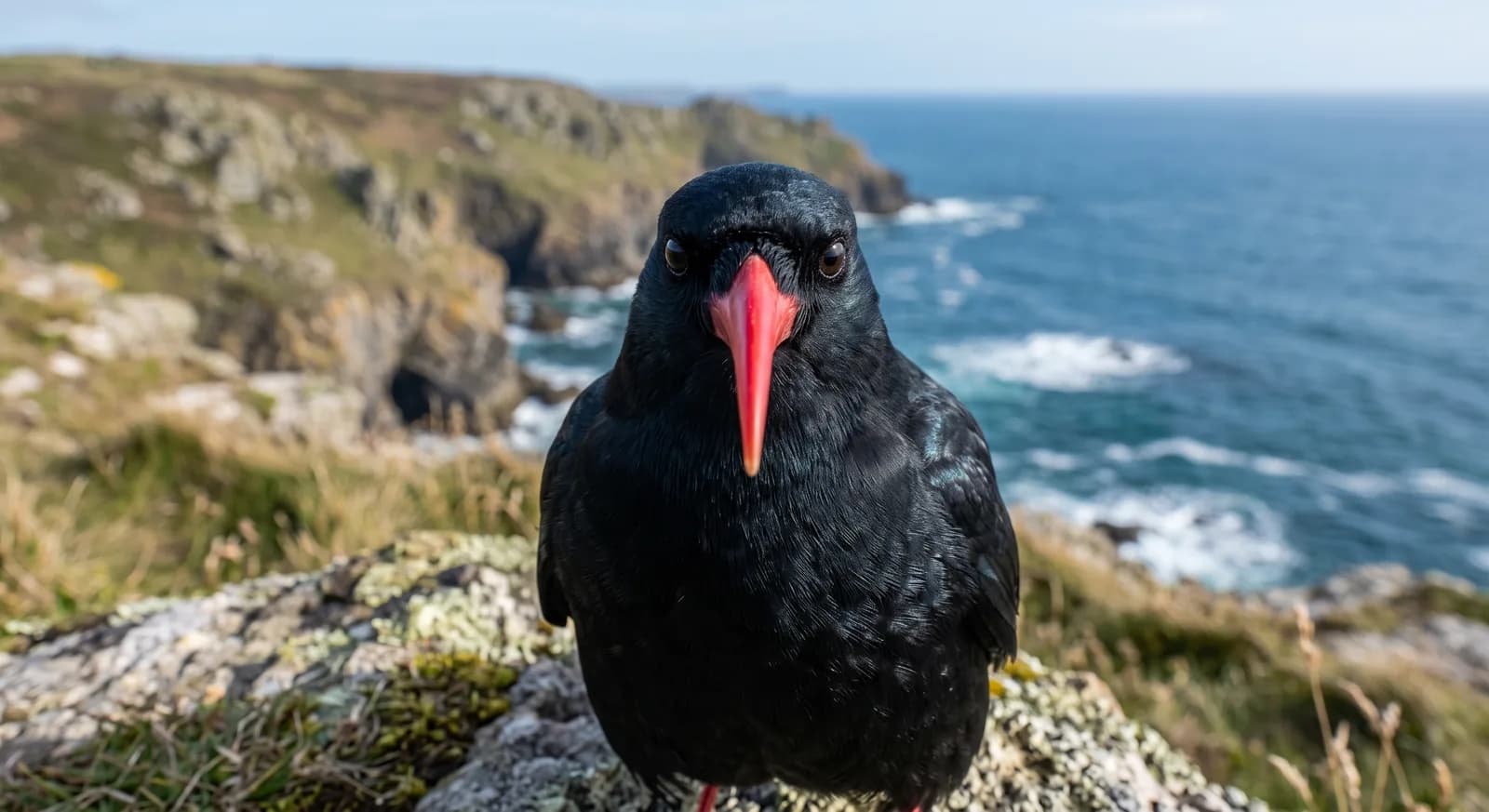
Red-billed Chough
Pyrrhocorax pyrrhocorax
Demoiselle Crane
Grus virgo
Lesser Egyptian Jerboa
Jaculus jaculus
Asiatic Wild Ass
Equus hemionus
 Critically Endangered
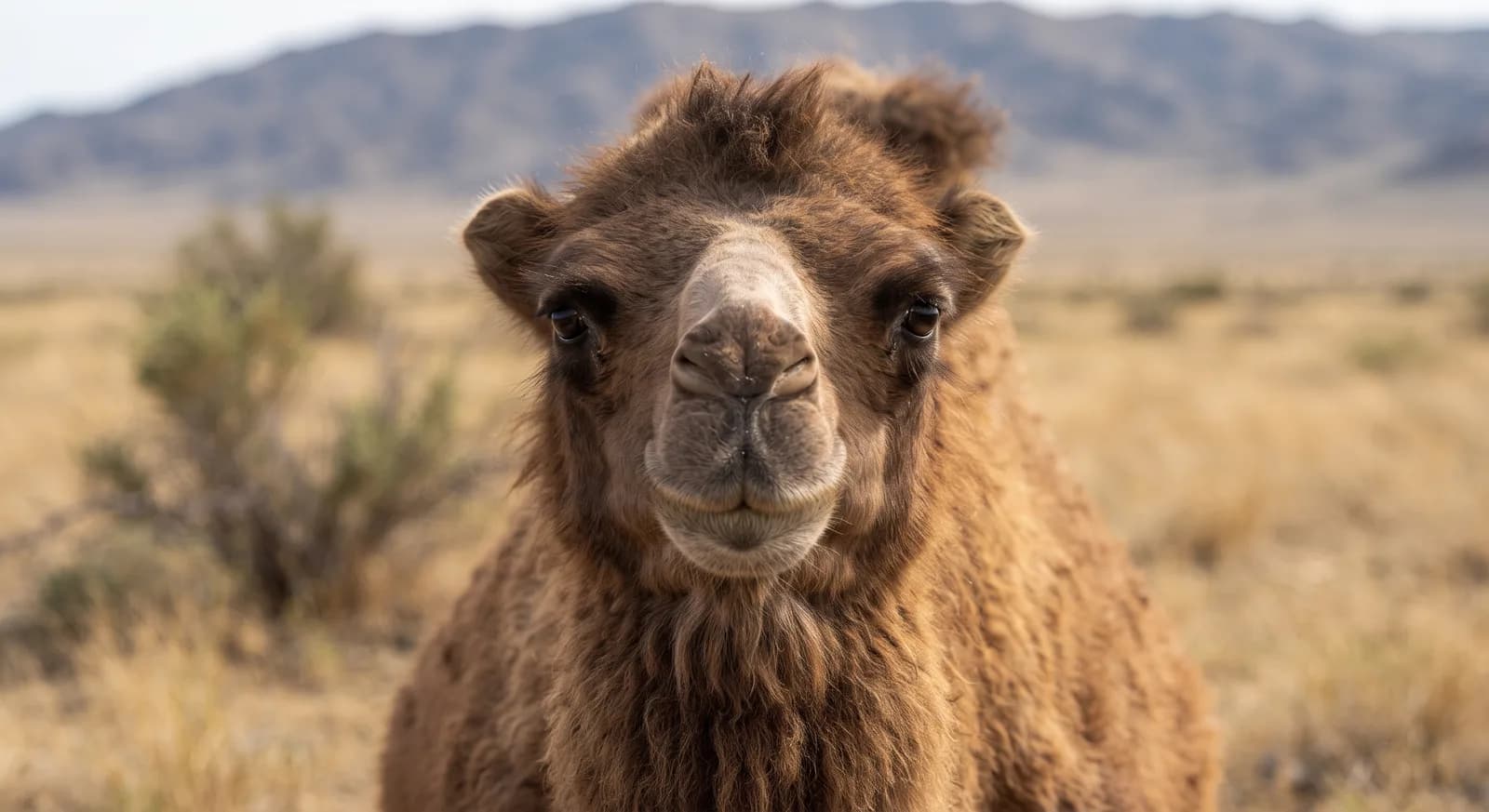
Bactrian Camel
Camelus bactrianus
Keep exploring
Based on what we already know about pallas's pika.
Comments
Share an experience, a fun fact or a tip for seeing the pallas's pika.
Be the first to comment.