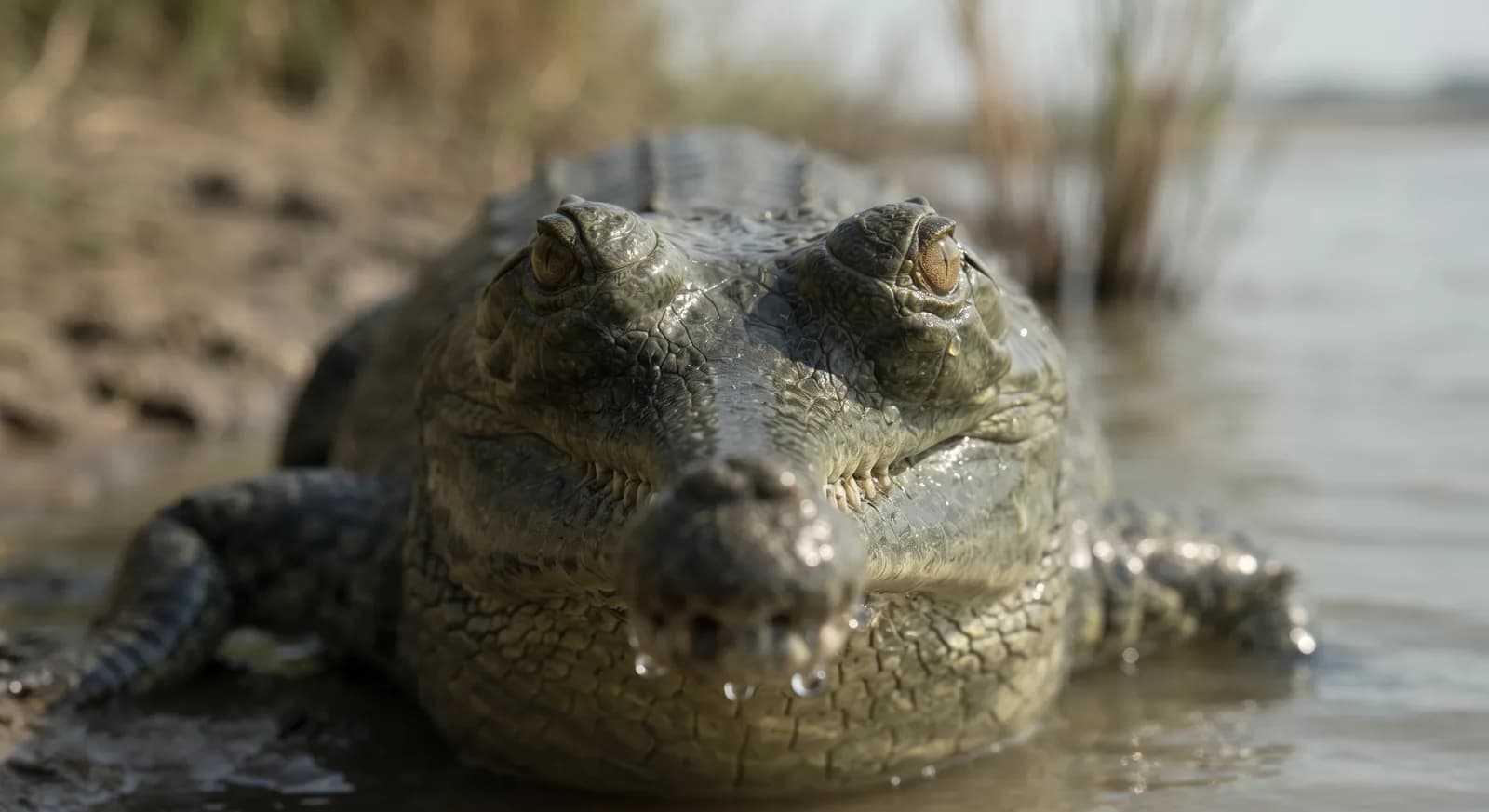
Reptiles · Crocodilia · Gavialidae
Gharial
Gavialis gangeticus
It faces an extremely high risk of imminent extinction in the wild. See full glossary
It is the only crocodilian with a marked difference between the sexes in snout shape: from about 15 years old males grow a bulbous knob on the tip called a 'ghara'.
Weight
150 kg – 250 kg
Size
3.5 m – 6 m
Lifespan
50 years
Diet
Carnivore
Feeds mainly on other animals.
Activity
Diurnal
Active mainly during the day.
Social structure
Solitary
Lives and hunts alone, joining others only to breed.
Sighting difficulty
Very hard
Fun facts
- anatomíaIt has the narrowest, longest snout of any living crocodilian, shaped specifically for catching fish with quick sideways sweeps of the head.
Life cycle & biology
- Skeleton type
- Vertebrate - internal bony skeleton with osteoderms (crocodilian reptile)
- Habitat & environment
- Clear, fast-flowing fresh-water rivers of the northern Indian subcontinent
- Birth weight
- 75 - 130 grams
- Size at birth
- Precocial at hatching
- Sexual maturity
- Female: 8-10 years (~3 m) | Male: 15-18 years (~3.5-4 m)
- Gestation / incubation
- 60-90 days
- Litter / clutch size
- 30 to 50 eggs per clutch — the largest of any crocodilian, at ~160 g each
- Lifespan in captivity
- Documented record of up to 59 years in captivity
Sources consulted: Dimensions.com; Animal Diversity Web; AnAge (genomics.senescence.info); SeaWorld; National Geographic; Nature Table; Animalia.bio; Wikipedia (Gharial); SDZWA Library Fact Sheet
Where to find it
See its range on the interactive mapWhere to watch it
Parks and dive sites where this species has been documented.
Related species
Other species in the catalogue with the most in common with Gharial — same habitat, park, country, tags or family.
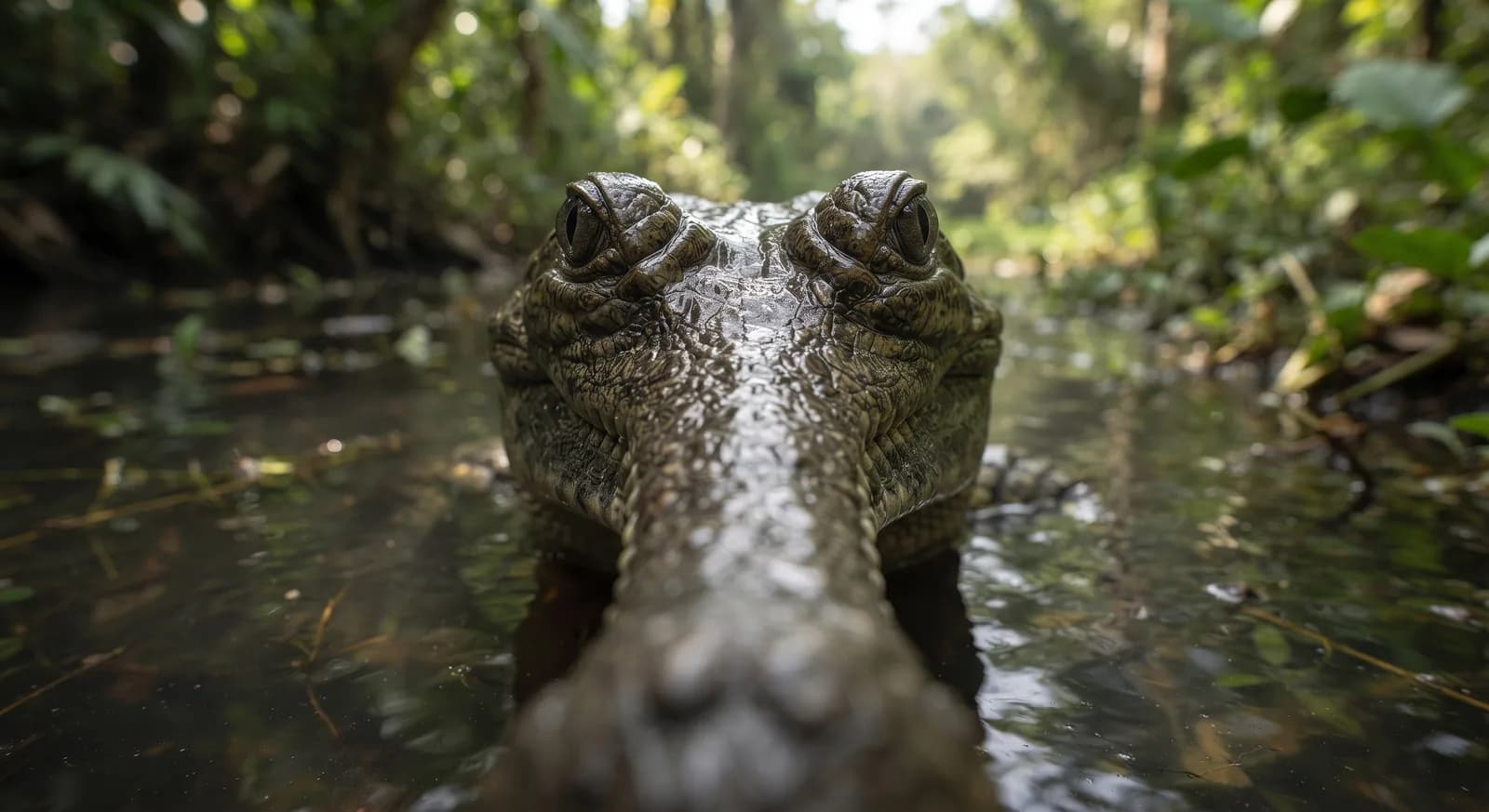 Endangered
Sunda Gharial
Tomistoma schlegelii
Burmese Python
Python bivittatus
Monocled Cobra
Naja kaouthia
Common Krait
Bungarus caeruleus
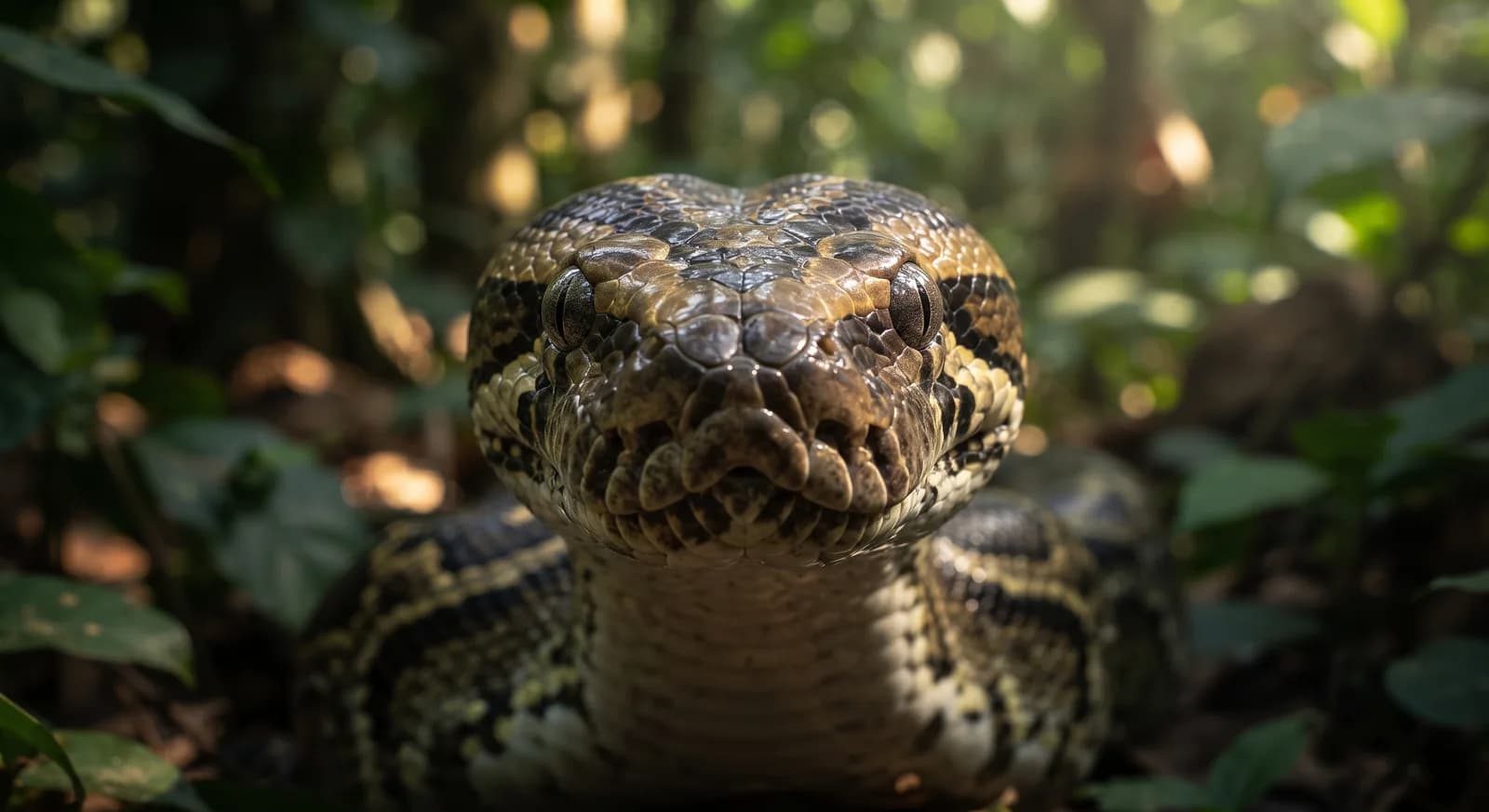 Near Threatened
Indian Rock Python
Python molurus
Mugger
Crocodylus palustris
How to help
The gharial is classified as critically endangered. Organizations such as UICN, WWF y Wildlife Conservation Society work specifically on its conservation and that of its habitat; looking into their programs is a good starting point if you want to get involved.
It's documented in 4 real protected areas — part of why protecting these places matters for its conservation.
Keep exploring
Based on what we already know about gharial.
Comments
Share an experience, a fun fact or a tip for seeing the gharial.
Be the first to comment.