One of the 10 crocodiles on WAnimals
Reptiles · Crocodilia · Crocodylidae
Mugger
Crocodylus palustris
It faces a high risk of extinction in the wild over the medium term. See full glossary
The mugger crocodile is a broad-snouted crocodile of the Indian subcontinent, able to live in rivers, reservoirs and even artificial ponds. It is one of the few crocodilians that digs burrows to shelter from extreme heat, and it has been documented using tools to hunt, something exceptional in a reptile.
Weight
100 kg – 250 kg
Size
3 m – 5 m
Lifespan
60 years
Diet
Carnivore
Feeds mainly on other animals.
Activity
Nocturnal
Active mainly at night.
Social structure
Solitary
Lives and hunts alone, joining others only to breed.
Sighting difficulty
Moderate
Fun facts
- GeneralIt lives in the pools of Hindu temples, where it is held sacred and fed.
- It uses tools to hunt: it has been documented balancing twigs on its snout during the herons' nesting season, drawing in birds looking for nest material, one of the first cases of lure use described in a reptile.
- It digs burrows several metres long into the banks to shelter from extreme heat and drought, something very few crocodilians do.
- At some temples and sacred pools in India, Sri Lanka and Iran they have lived alongside local people for centuries and are fed and protected for religious reasons.
Life cycle & biology
- Skeleton type
- Vertebrate - internal bony skeleton (reptile)
- Habitat & environment
- Slow rivers, reservoirs, marshes and ponds
- Size at birth
- About 30 cm on hatching
- Sexual maturity
- 6.3 years
- Gestation / incubation
- 60 days of incubation
- Litter / clutch size
- 30 eggs
Sources consulted: https://www.iucnredlist.org/ | https://animaldiversity.org/ | https://es.wikipedia.org/
Where to find it
See its range on the interactive mapBest time: From November to March in India, Sri Lanka and Nepal, when it basks on the banks during the middle of the day.
Where to watch it
Parques y spots de buceo donde se ha documentado esta especie — se muestran 10 de 18 documentados.
Related species
Other species in the catalogue with the most in common with Mugger — same habitat, park, country, tags or family.
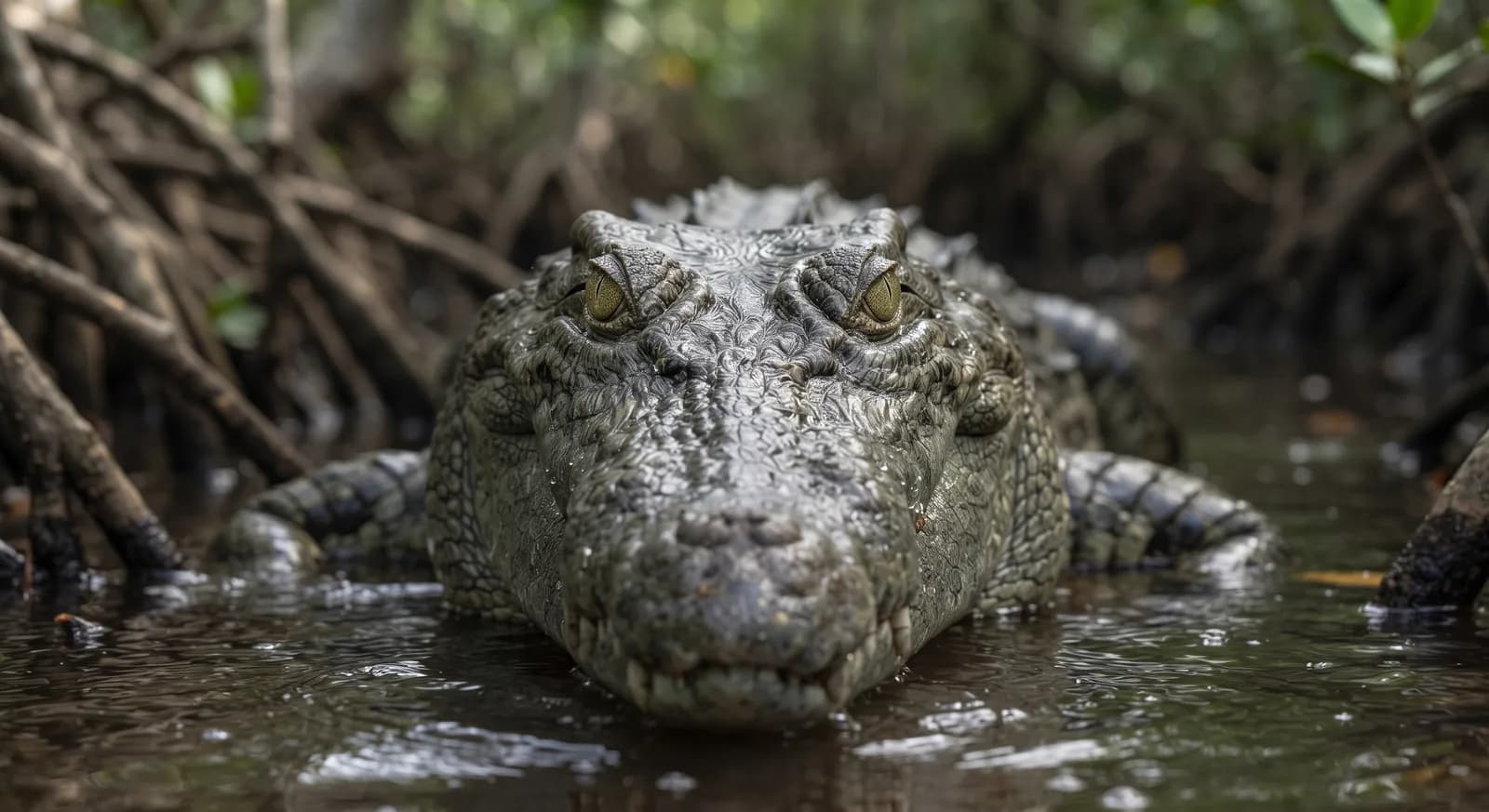 Least Concern
Saltwater Crocodile
Crocodylus porosus
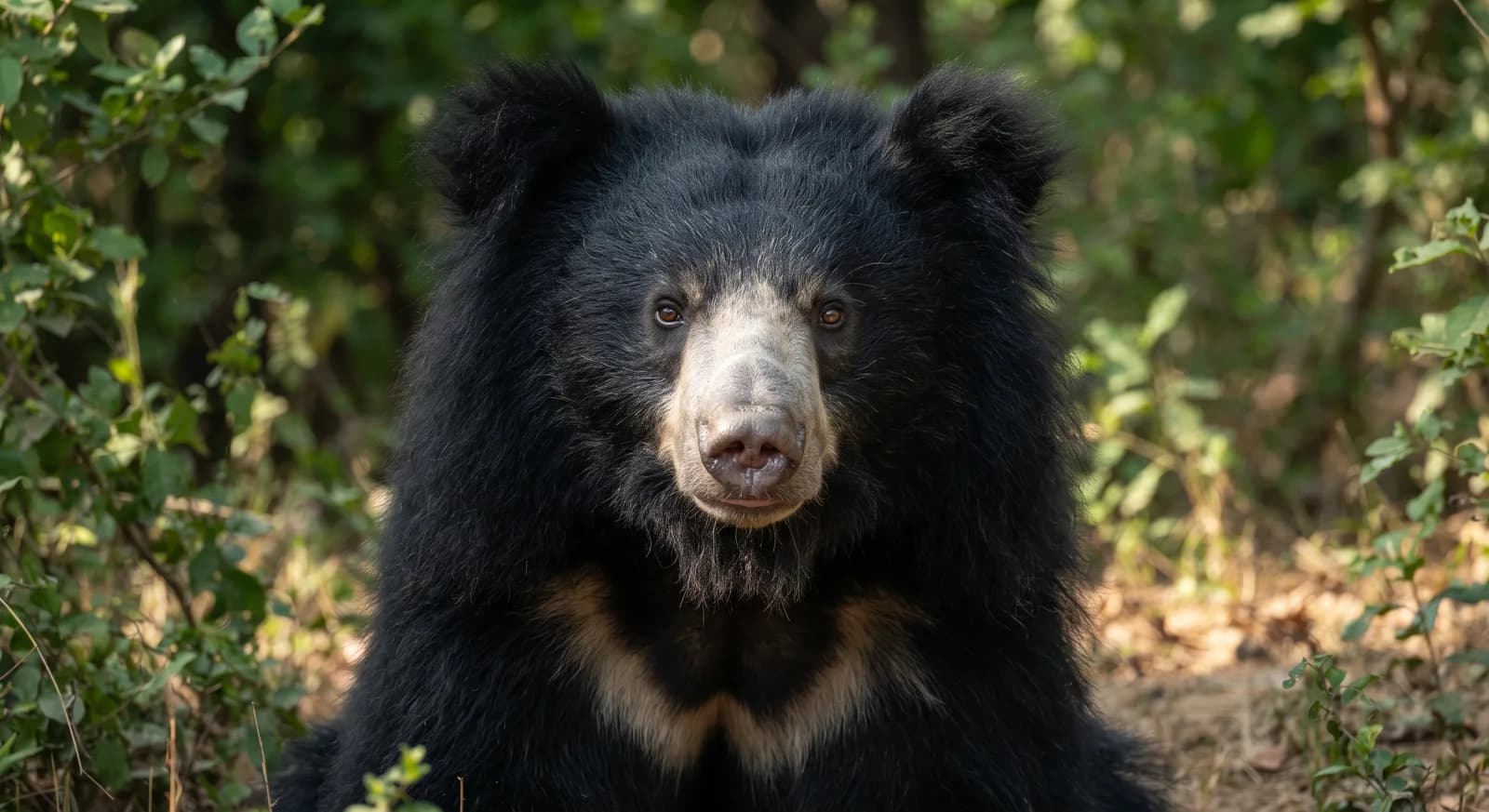 Vulnerable
Sloth Bear
Melursus ursinus
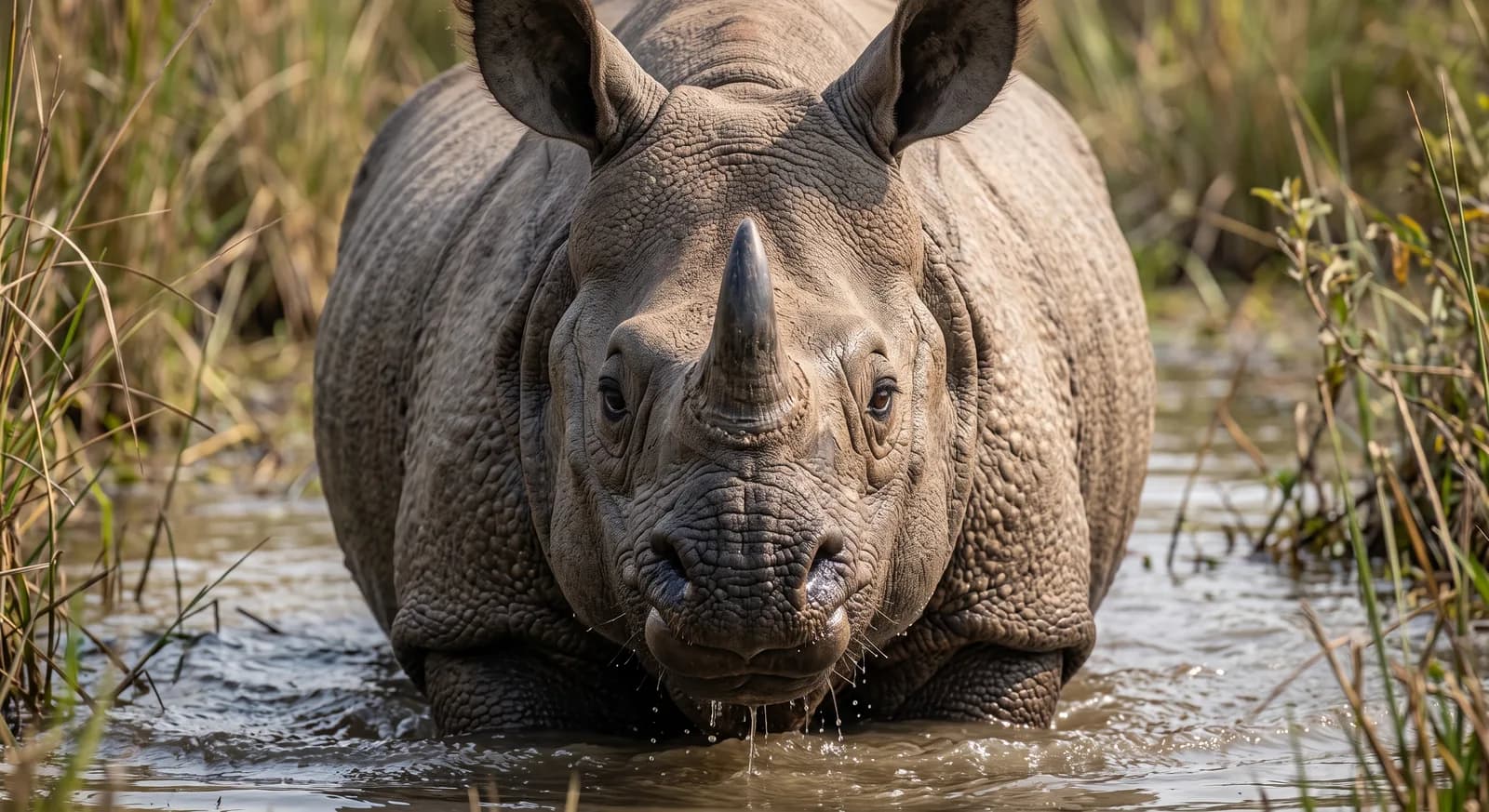 Vulnerable
Greater One-horned Rhino
Rhinoceros unicornis
Fishing Cat
Prionailurus viverrinus
Indian Star Tortoise
Geochelone elegans
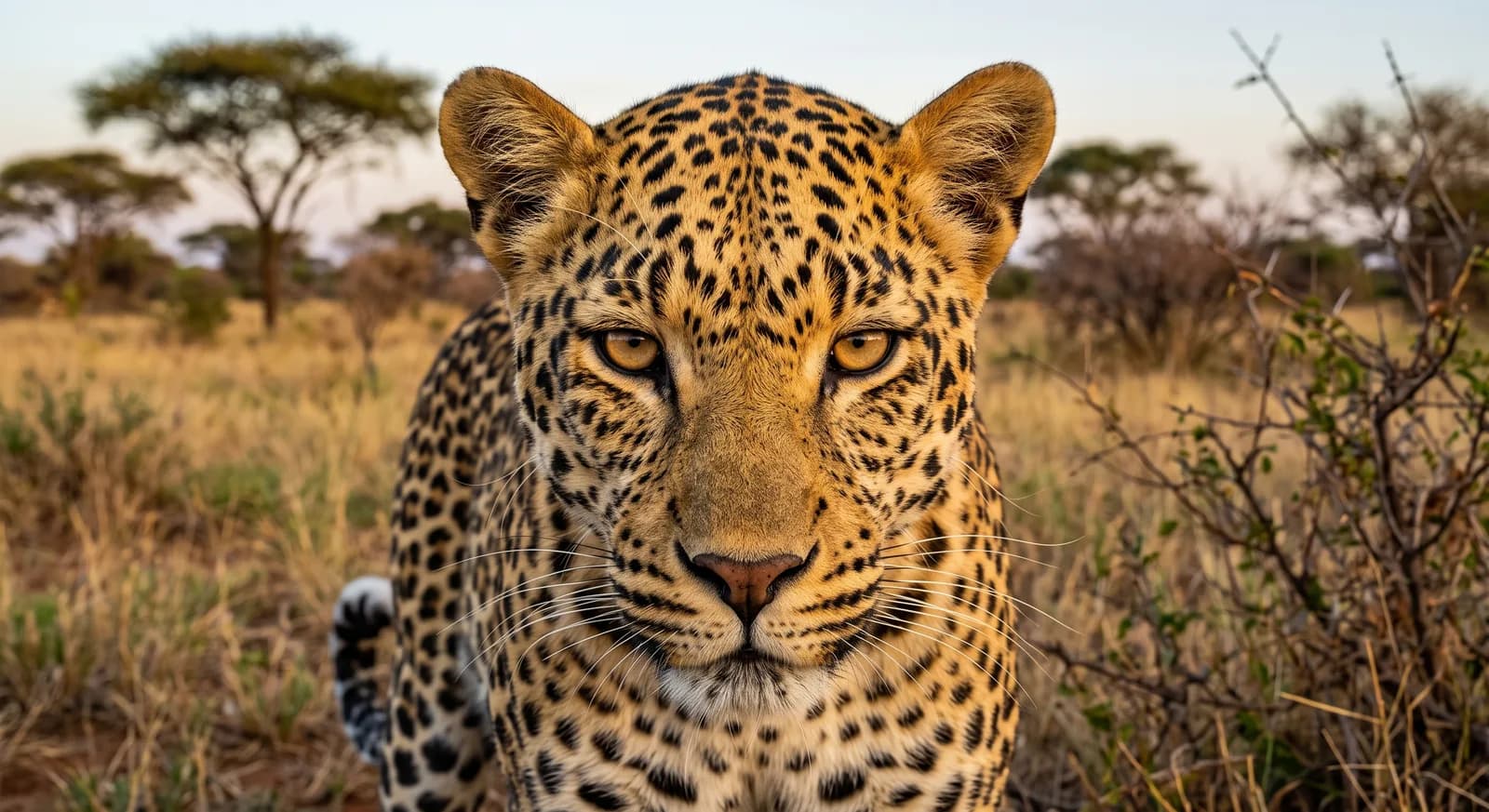 Vulnerable
Leopard
Panthera pardus
How to help
The mugger is classified as vulnerable. Organizations such as UICN, WWF y Wildlife Conservation Society work specifically on its conservation and that of its habitat; looking into their programs is a good starting point if you want to get involved.
It's documented in 10 real protected areas — part of why protecting these places matters for its conservation.
Keep exploring
Based on what we already know about mugger.
Comments
Share an experience, a fun fact or a tip for seeing the mugger.
Be the first to comment.