One of the 7 pythons on WAnimals
Reptiles · Squamata · Pythonidae
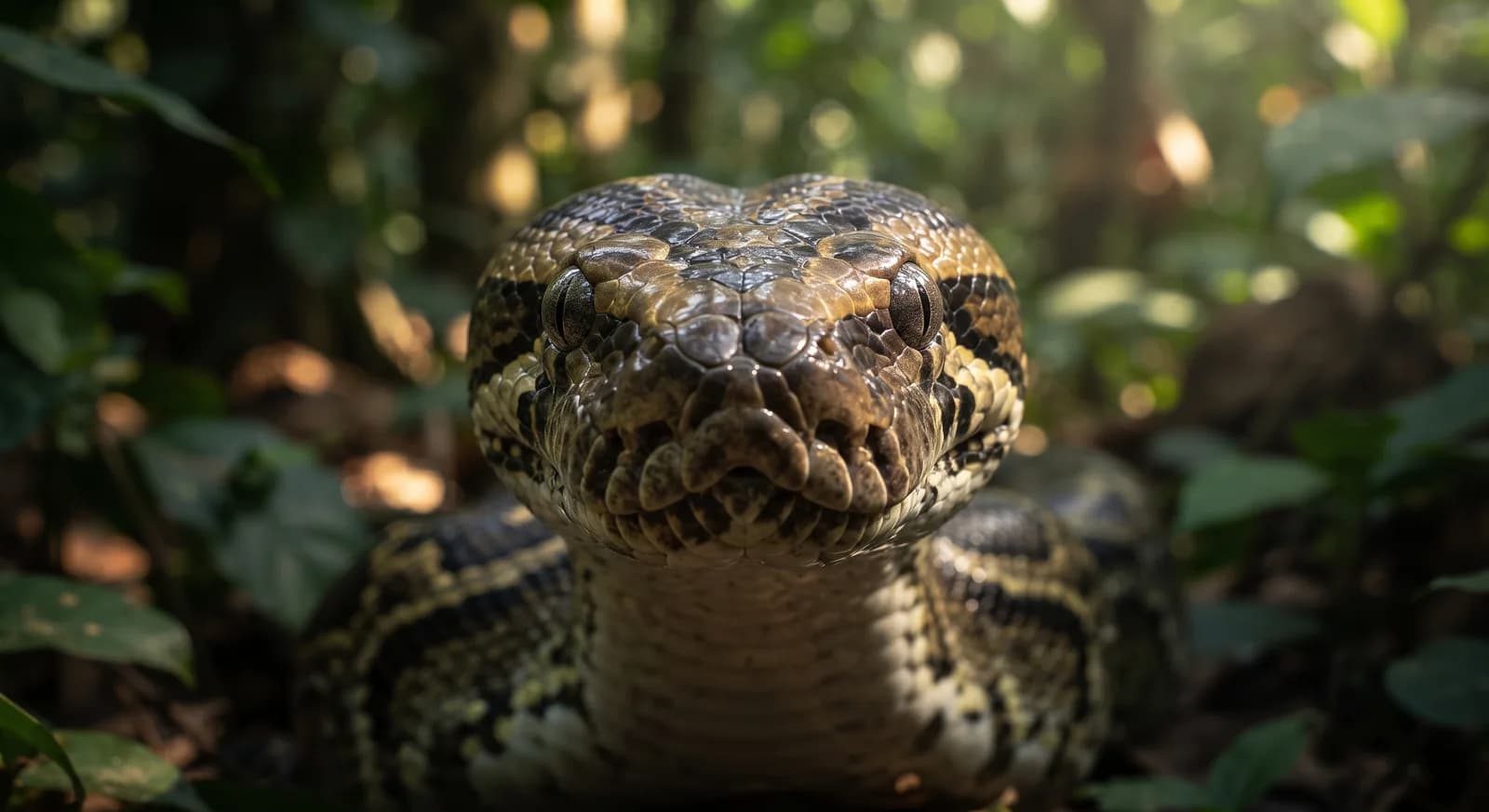
Indian Rock Python
Python molurus
It could become endangered in the near future if current threats go unchecked. See full glossary
The Indian python is a large constrictor of the Indian subcontinent, paler and heavier-looking than its relative the Burmese python, from which it was separated as a species of its own. The female incubates the clutch and, moreover, generates heat: she contracts her muscles in rhythmic spasms to raise the temperature of the eggs several degrees above ambient.
Weight
40 kg – 90 kg
Size
2.5 m – 4 m
Lifespan
30 years
Diet
Carnivore
Feeds mainly on other animals.
Activity
Nocturnal
Active mainly at night.
Social structure
Solitary
Lives and hunts alone, joining others only to breed.
Sighting difficulty
Moderate
Fun facts
- GeneralIt can fast for months after a large meal, and senses heat through pits along its lips.
- The female generates heat with rhythmic muscular spasms while incubating, raising the temperature of the eggs as much as seven degrees above ambient: one of the very few cases of active heat production in a reptile.
- It is sacred in several traditions of the Indian subcontinent and appears associated with deities in temples in India and Nepal, which has protected it in some regions.
- Its close relative the Burmese python is today one of the worst invasive species in the Florida Everglades, where it has cut raccoon and opossum populations by more than ninety per cent.
Life cycle & biology
- Skeleton type
- Vertebrate - internal bony skeleton (reptile)
- Habitat & environment
- Rainforest, mangroves, scrub, grassland and farmland of the Indian subcontinent
- Sexual maturity
- 3 years
- Gestation / incubation
- 3.3 months
- Litter / clutch size
- 40
Sources consulted: https://es.wikipedia.org/wiki/Python_molurus
Where to find it
See its range on the interactive mapWhere to watch it
Parks and dive sites where this species has been documented.
Related species
Other species in the catalogue with the most in common with Indian Rock Python — same habitat, park, country, tags or family.
Burmese Python
Python bivittatus
Crocodile Newt
Tylototriton verrucosus
Asian Golden Cat
Catopuma temminckii
Rusty-Spotted Cat
Prionailurus rubiginosus
 Least Concern
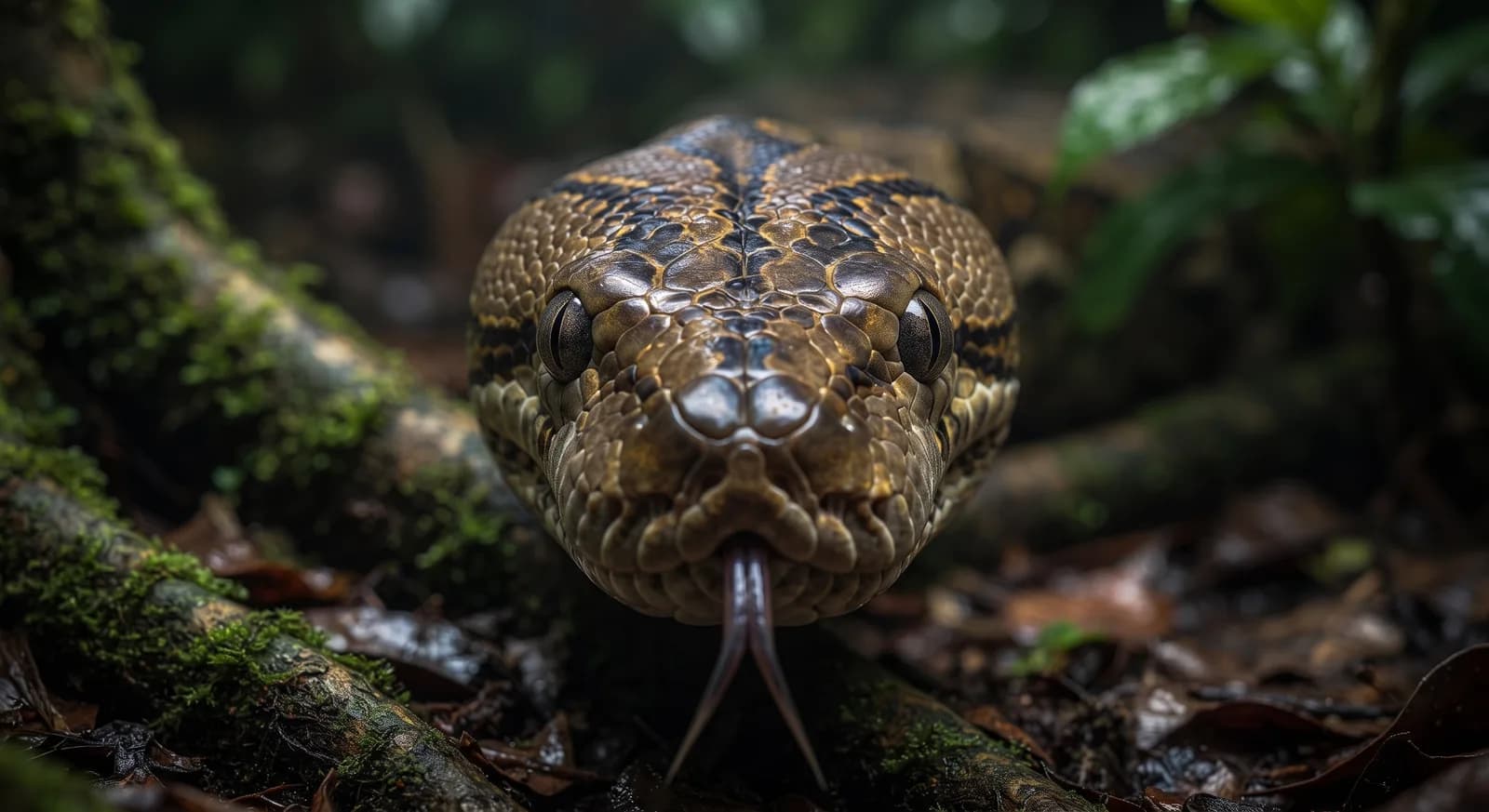
Reticulated Python
Python reticulatus
 Endangered
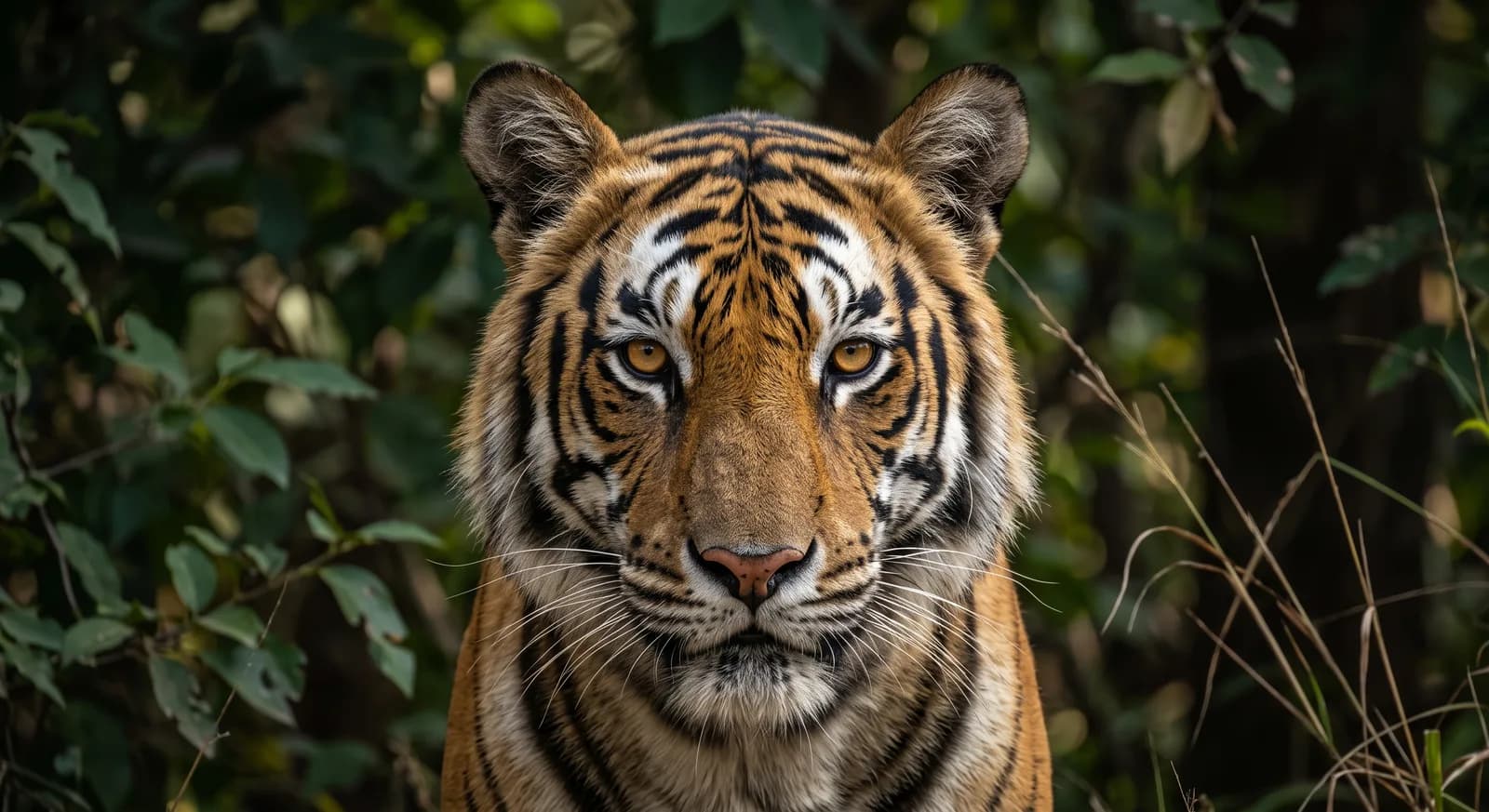
Bengal Tiger
Panthera tigris tigris
Keep exploring
Based on what we already know about indian rock python.
Comments
Share an experience, a fun fact or a tip for seeing the indian rock python.
Be the first to comment.