One of the 10 newts on WAnimals
Amphibians · Caudata · Salamandridae
Crocodile Newt
Tylototriton verrucosus
It could become endangered in the near future if current threats go unchecked. See full glossary
The Himalayan crocodile newt is a robust salamander with very rough skin, rows of glandular tubercles along its flanks and a pronounced bony ridge on the head, features that give it the look of a miniature crocodile. It lives in mountain pools of the eastern Himalayas. Collection for the terrarium trade and for traditional medicine threaten it.
Size
12 cm – 20 cm
Lifespan
20 years
Diet
Carnivore
Feeds mainly on other animals.
Activity
Nocturnal
Active mainly at night.
Social structure
Solitary
Lives and hunts alone, joining others only to breed.
Sighting difficulty
Moderate
Fun facts
- Its ribs can pierce its skin: like other newts of its group, when squeezed it pushes the tips of its ribs out through the glandular tubercles on its flanks, which are loaded with toxins, turning them into poisoned needles.
- Its rough, armoured appearance has earned it the name crocodile newt, and that look has made it much sought after in the terrarium trade.
- What was regarded as a single widespread species across the Himalayas and South-East Asia has gradually been split into several, and some of the resulting populations are far more threatened than was thought.
Life cycle & biology
- Skeleton type
- Vertebrate - internal bony skeleton (amphibian)
- Habitat & environment
- Pools, rice fields and mountain forest streams of the eastern Himalayas and South-East Asia
- Sexual maturity
- 4 years
- Gestation / incubation
- Larval development in mountain pools
- Litter / clutch size
- 43
Sources consulted: https://www.iucnredlist.org/ | https://animaldiversity.org/ | https://es.wikipedia.org/
Where to find it
See its range on the interactive mapWhere to watch it
Parks and dive sites where this species has been documented.
Related species
Other species in the catalogue with the most in common with Crocodile Newt — same habitat, park, country, tags or family.
Japanese Fire-bellied Newt
Cynops pyrrhogaster
Marbled Cat
Pardofelis marmorata
Asian Golden Cat
Catopuma temminckii
 Near Threatened
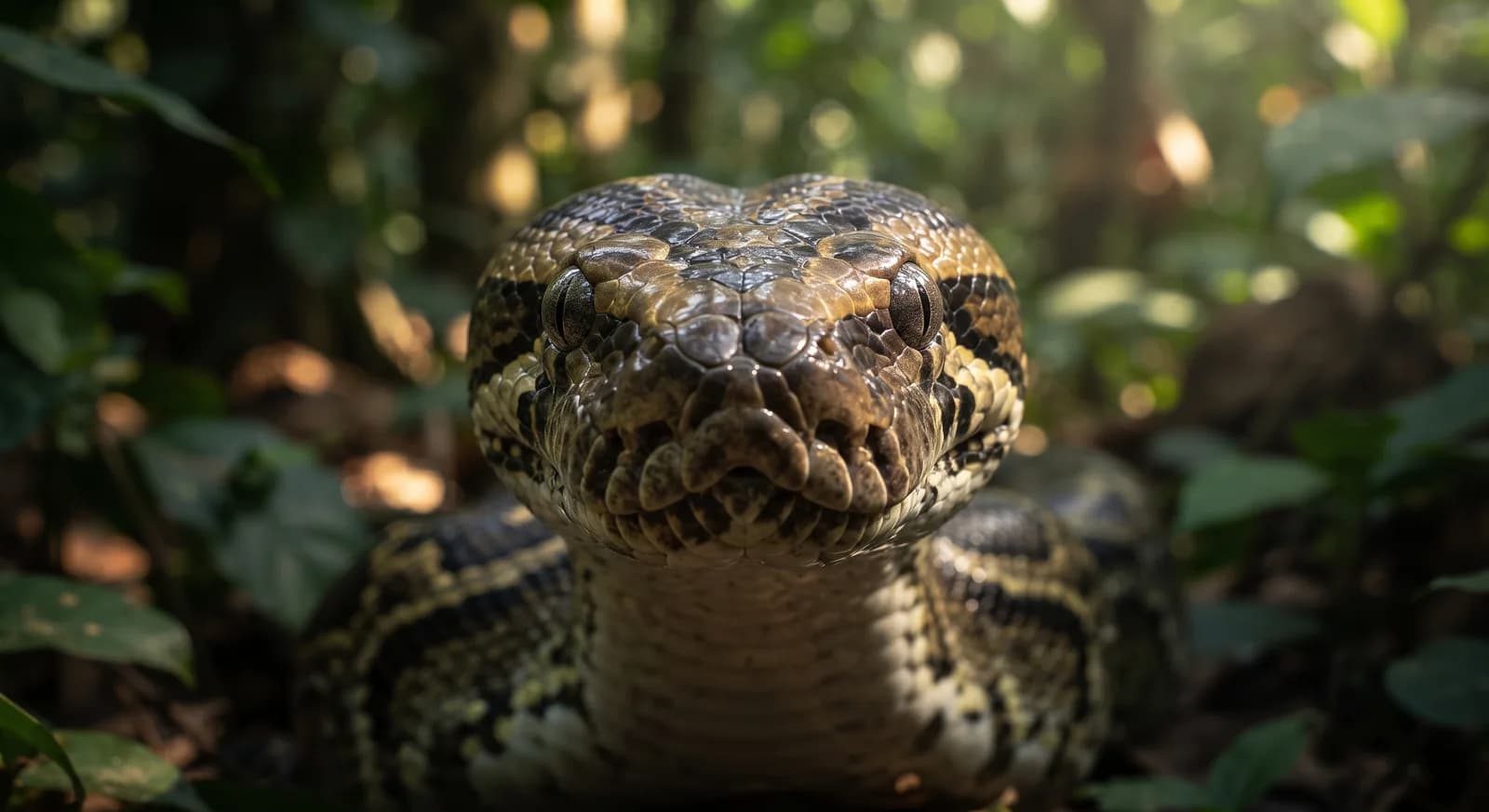
Indian Rock Python
Python molurus
 Near Threatened
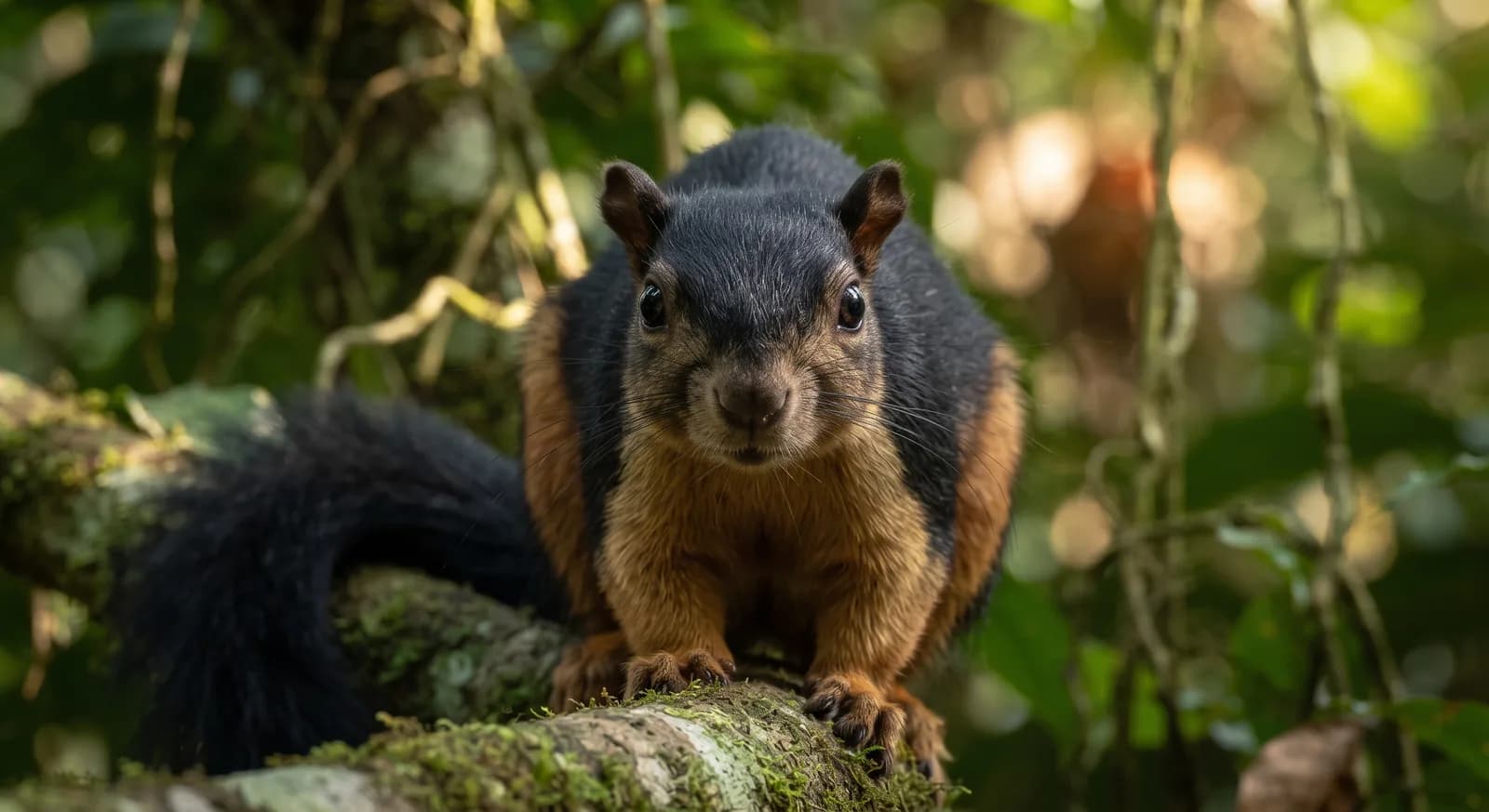
Black Giant Squirrel
Ratufa bicolor
 Endangered
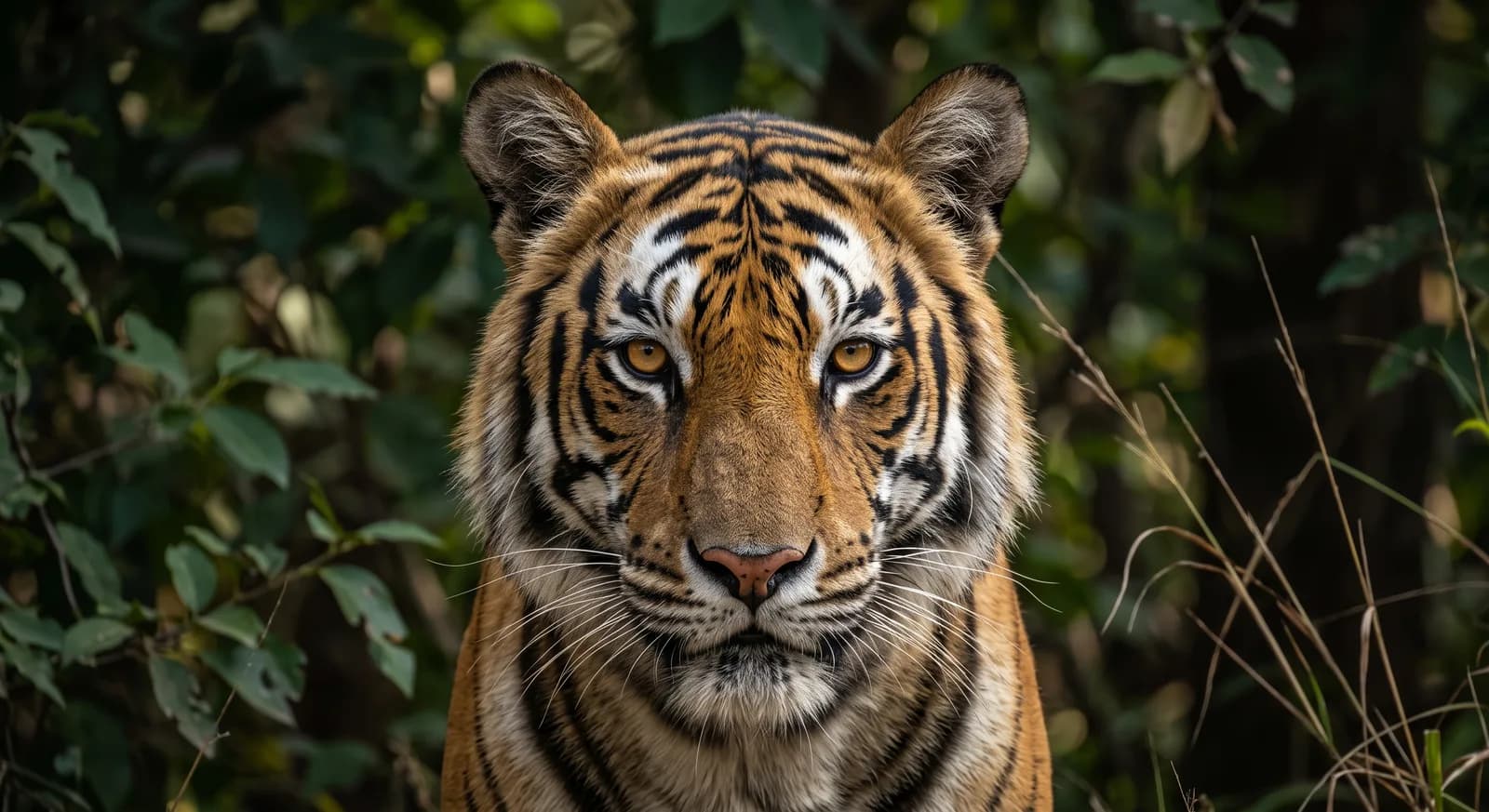
Bengal Tiger
Panthera tigris tigris
Keep exploring
Based on what we already know about crocodile newt.
Comments
Share an experience, a fun fact or a tip for seeing the crocodile newt.
Be the first to comment.