One of the 9 langurs on WAnimals
Mammals · Primates · Cercopithecidae
Hatinh Langur
Trachypithecus hatinhensis
It faces a very high risk of extinction in the wild in the near future. See full glossary
The lutung or Hatinh langur is a species of catarrhine primate of the family Cercopithecidae that lives in Vietnam, mainly in Quang Binh province. A recent study found a small population in Quang Tri province. Despite its name there is no record of its existence in Ha Tinh province. It resembles the closely related François' langur, but the stripes on its cheeks extend behind the ears, across the nape.
Weight
6 kg – 9 kg
Size
50 cm – 65 cm
Lifespan
25 years
Diet
Herbivore
Feeds mainly on plants.
Activity
Diurnal
Active mainly during the day.
Sighting difficulty
Hard
Fun facts
- It sleeps on ledges and in caves of the limestone cliffs rather than in trees, and climbs vertical walls with an ease that is uncommon among primates.
- The young are born a bright orange that contrasts with the black coat of the adults and darkens over the first few months, a trait shared by many langurs whose function appears to be to draw the care of the whole group.
Life cycle & biology
- Skeleton type
- Vertebrate - internal bony skeleton (mammal)
- Habitat & environment
- Forested limestone karst massifs of central Vietnam and eastern Laos
- Gestation / incubation
- 6.5 months
- Litter / clutch size
- 1
Sources consulted: https://es.wikipedia.org/wiki/Trachypithecus_hatinhensis
Where to watch it
Parks and dive sites where this species has been documented.
Related species
Other species in the catalogue with the most in common with Hatinh Langur — same habitat, park, country, tags or family.
Southern Pig-tailed Macaque
Macaca nemestrina
 Least Concern
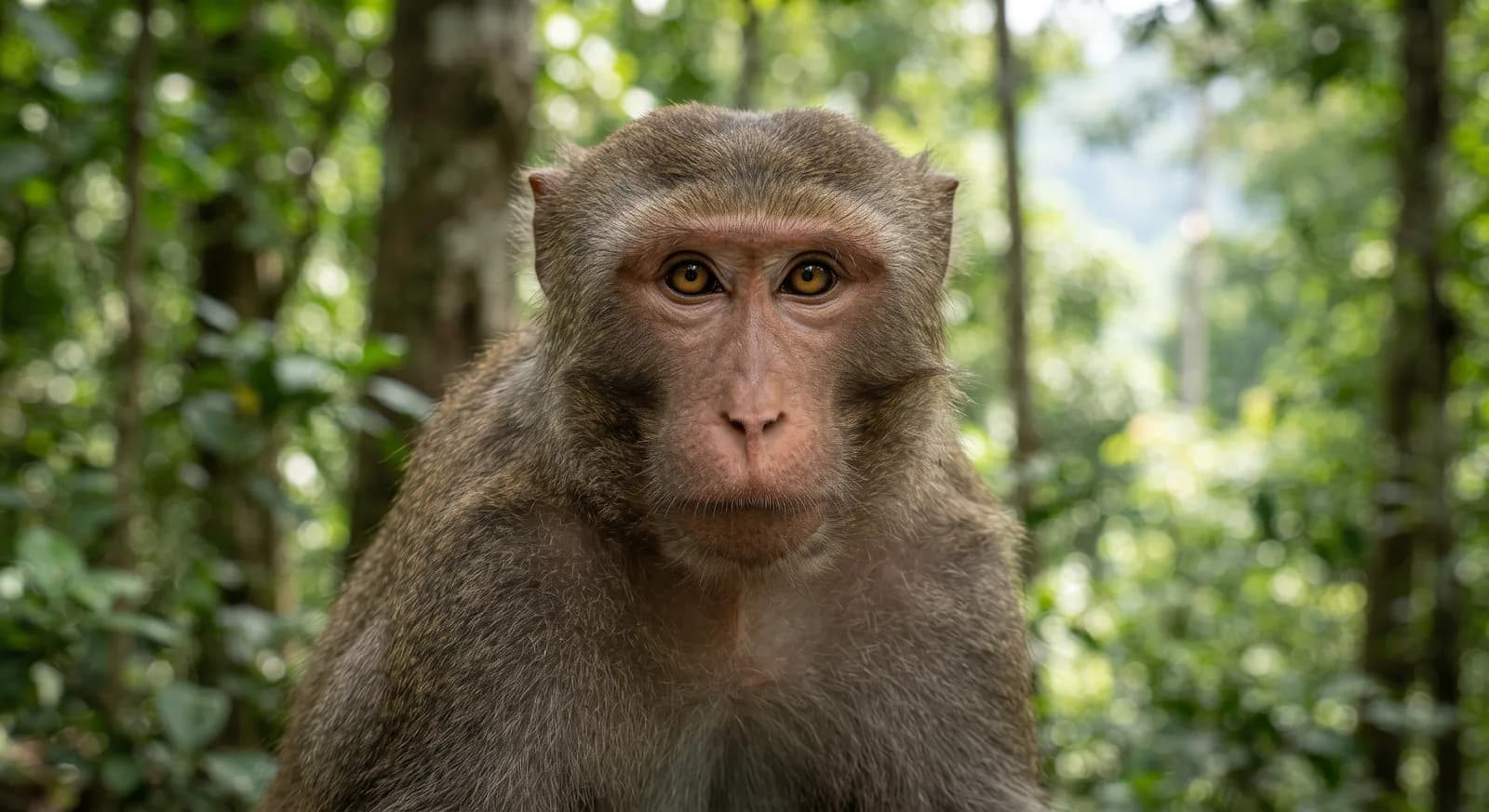
Rhesus Monkey
Macaca mulatta
Phayre’s Leaf-monkey
Trachypithecus phayrei
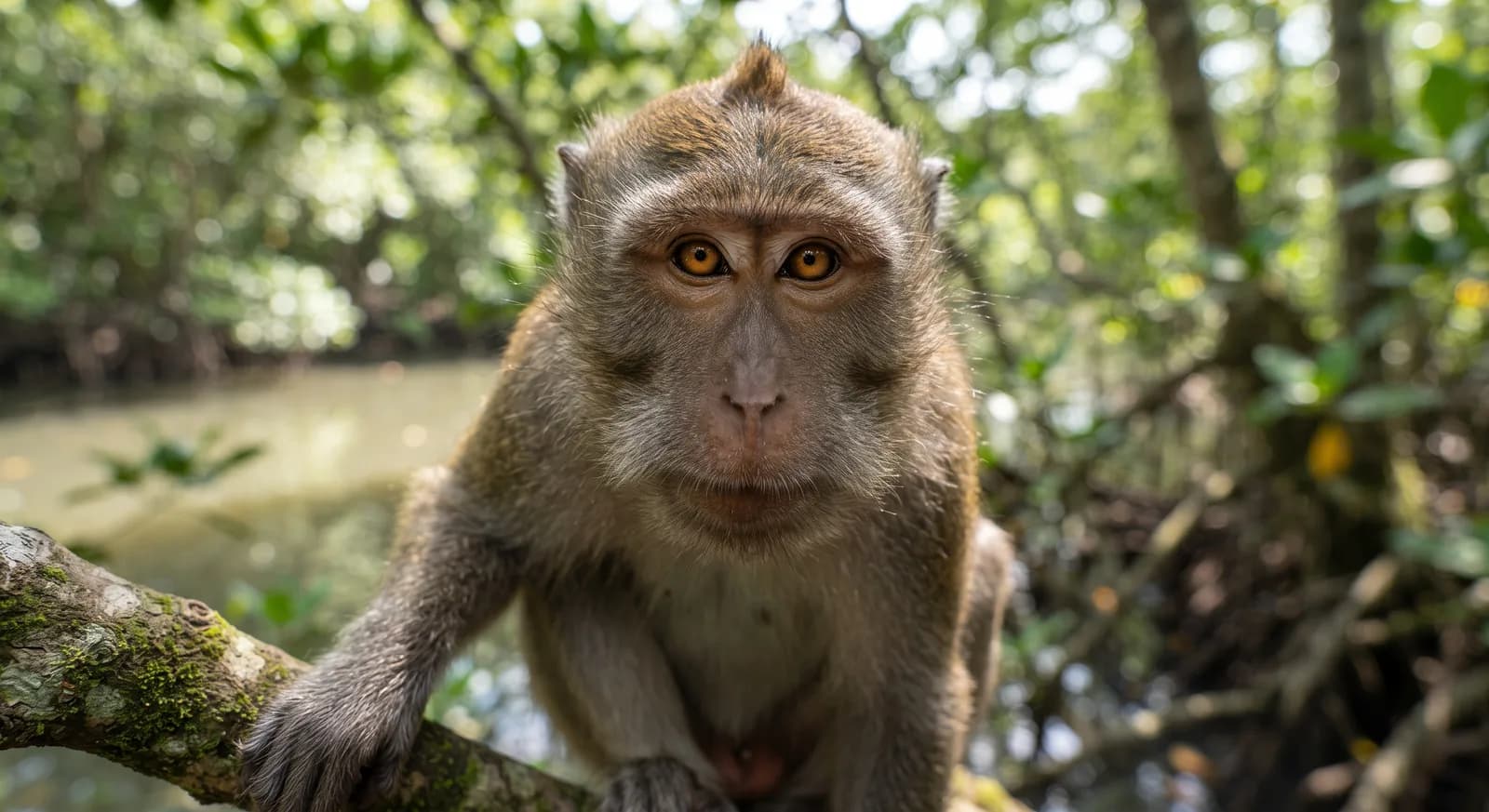 Endangered
Long-tailed Macaque
Macaca fascicularis
Banteng
Bos javanicus
Pileated Gibbon
Hylobates pileatus
How to help
The hatinh langur is classified as endangered. Organizations such as UICN, WWF y Wildlife Conservation Society work specifically on its conservation and that of its habitat; looking into their programs is a good starting point if you want to get involved.
It's documented in 1 real protected area — part of why protecting these places matters for its conservation.
Keep exploring
Based on what we already know about hatinh langur.
Comments
Share an experience, a fun fact or a tip for seeing the hatinh langur.
Be the first to comment.