One of the 9 langurs on WAnimals
Mammals · Primates · Cercopithecidae
Javan Surili
Presbytis comata
It faces a very high risk of extinction in the wild in the near future. See full glossary
The Javan surili is a primate endemic to the island of Java, with bluish-grey fur, a white belly and a bristling crest of hair on the crown. It is a leaf eater and lives in small groups in the montane forests that remain in the west and centre of the island. Java is one of the most densely populated regions on the planet and its primary forest has been reduced to fragments, which has left the species confined to a few massifs.
Weight
5 kg – 8 kg
Size
42 cm – 60 cm
Lifespan
20 years
Diet
Herbivore
Feeds mainly on plants.
Activity
Diurnal
Active mainly during the day.
Sighting difficulty
Hard
Fun facts
- It lives on one of the most heavily populated islands in the world, with more than 150 million inhabitants, and survives in the last scraps of montane forest left on the volcanic summits.
- Its infants are born white with pink faces, a complete contrast with the bluish grey of the adults that fades over the first few months.
Life cycle & biology
- Skeleton type
- Vertebrate - internal bony skeleton (mammal)
- Habitat & environment
- Montane rainforest and primary forest of western and central Java, in Indonesia
- Sexual maturity
- 4 years
- Gestation / incubation
- 6 months
- Litter / clutch size
- 1
Sources consulted: https://es.wikipedia.org/wiki/Presbytis_comata
Where to watch it
Parks and dive sites where this species has been documented.
Related species
Other species in the catalogue with the most in common with Javan Surili — same habitat, park, country, tags or family.
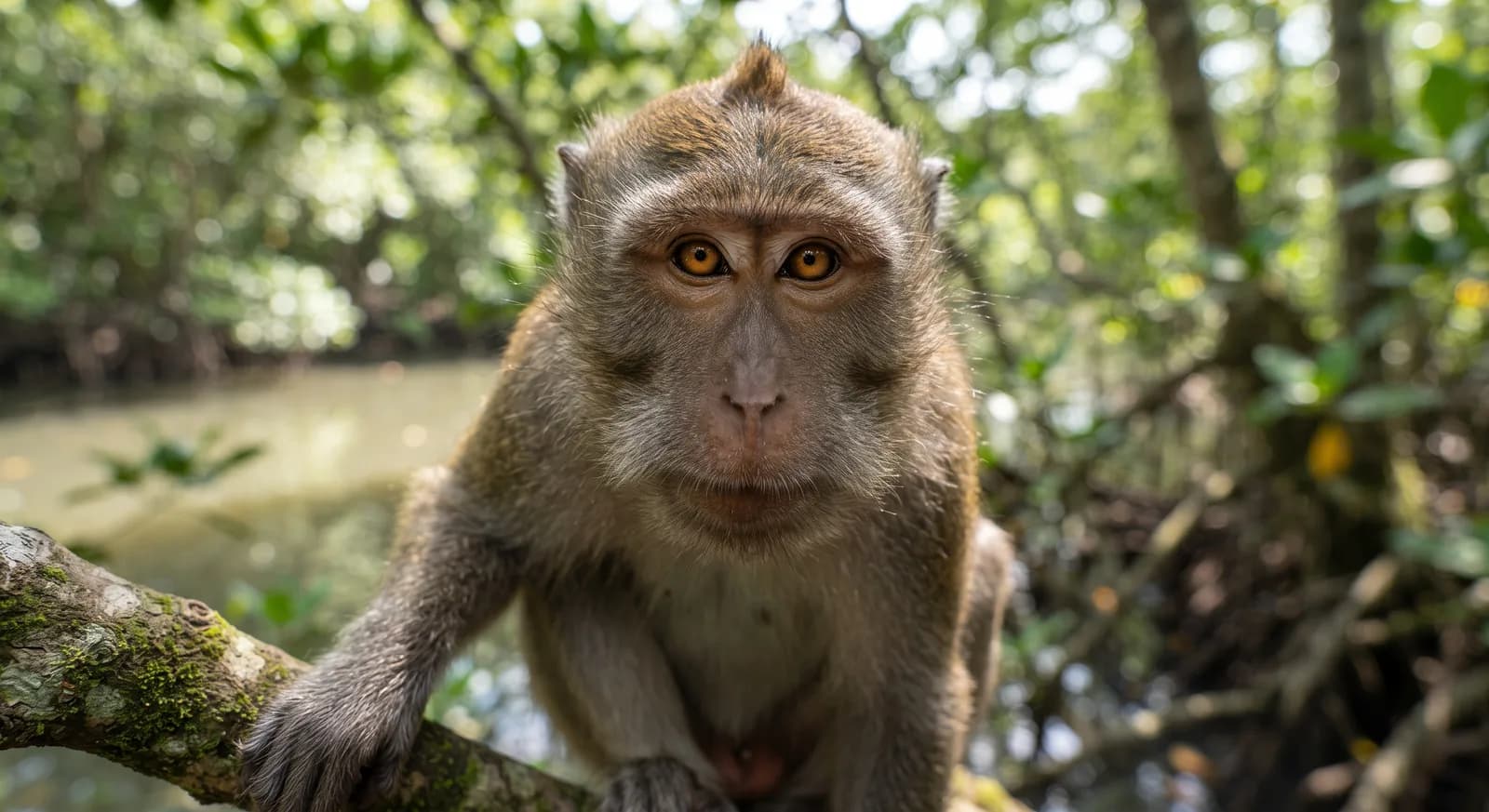 Endangered
Long-tailed Macaque
Macaca fascicularis
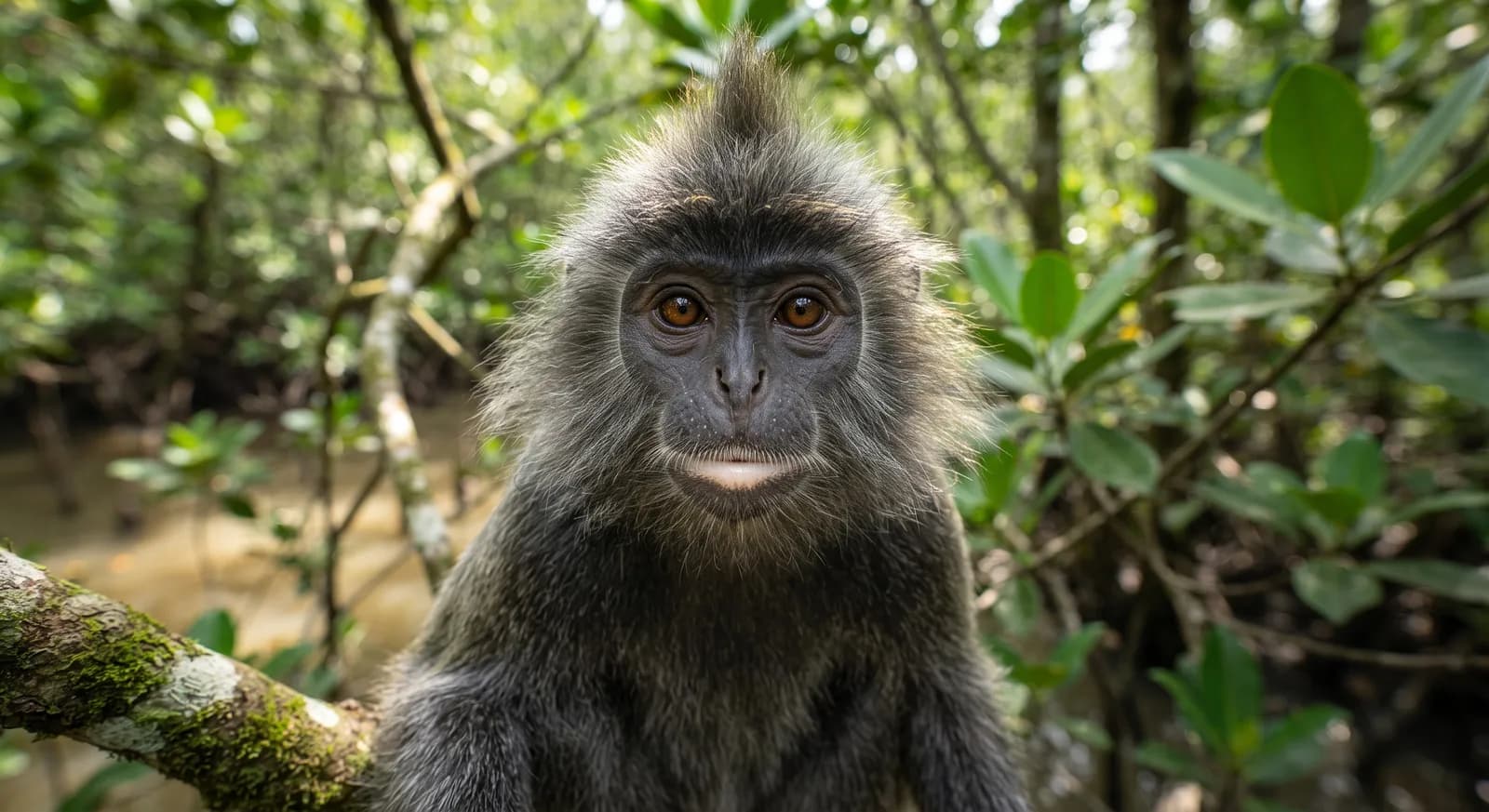 Vulnerable
Silvery Lutung
Trachypithecus cristatus
Southern Pig-tailed Macaque
Macaca nemestrina
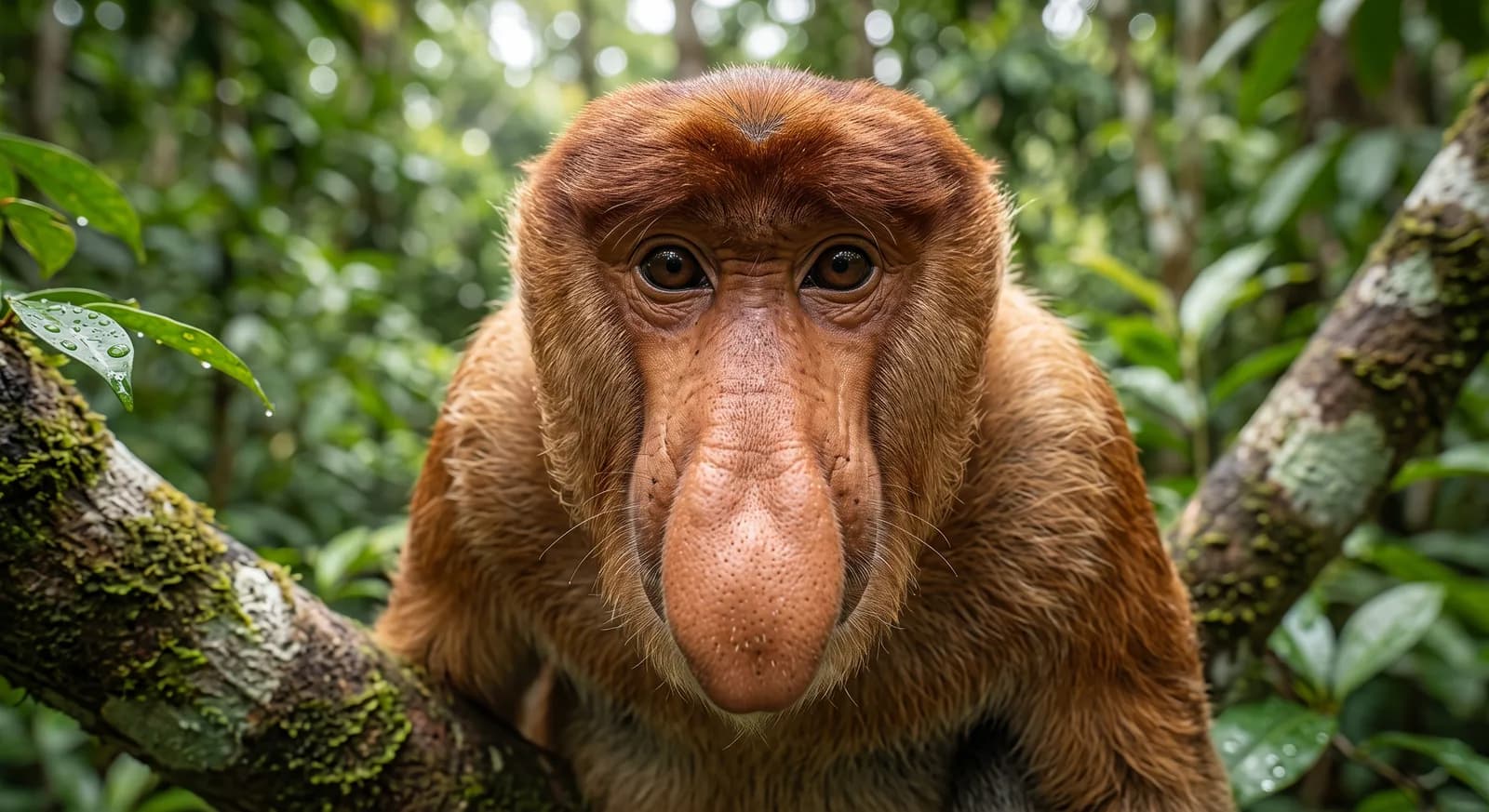 Endangered
Proboscis Monkey
Nasalis larvatus
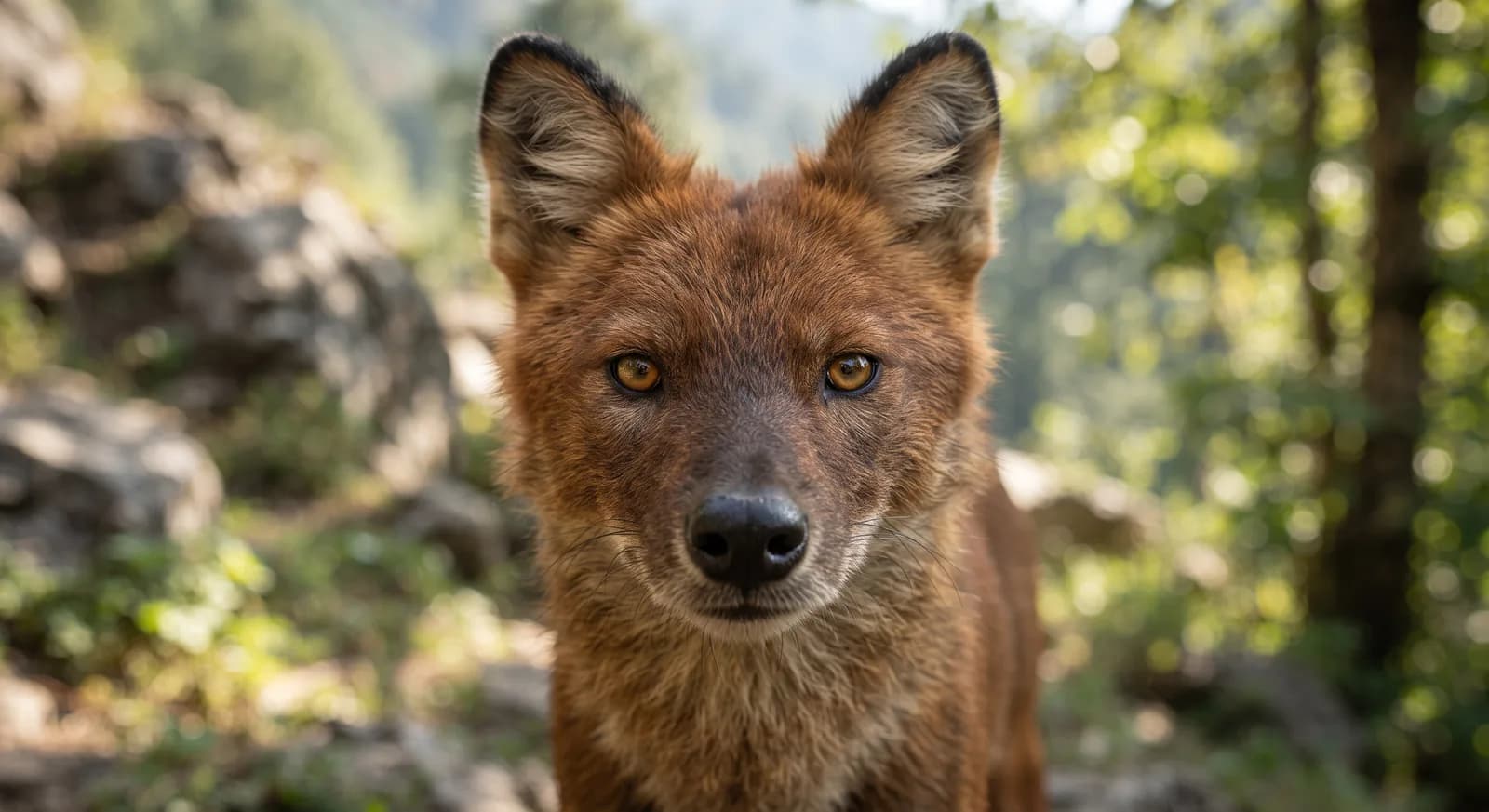 Endangered
Dhole
Cuon alpinus
Banteng
Bos javanicus
How to help
The javan surili is classified as endangered. Organizations such as UICN, WWF y Wildlife Conservation Society work specifically on its conservation and that of its habitat; looking into their programs is a good starting point if you want to get involved.
It's documented in 5 real protected areas — part of why protecting these places matters for its conservation.
Keep exploring
Based on what we already know about javan surili.
Comments
Share an experience, a fun fact or a tip for seeing the javan surili.
Be the first to comment.