One of the 9 langurs on WAnimals
Mammals · Primates · Cercopithecidae
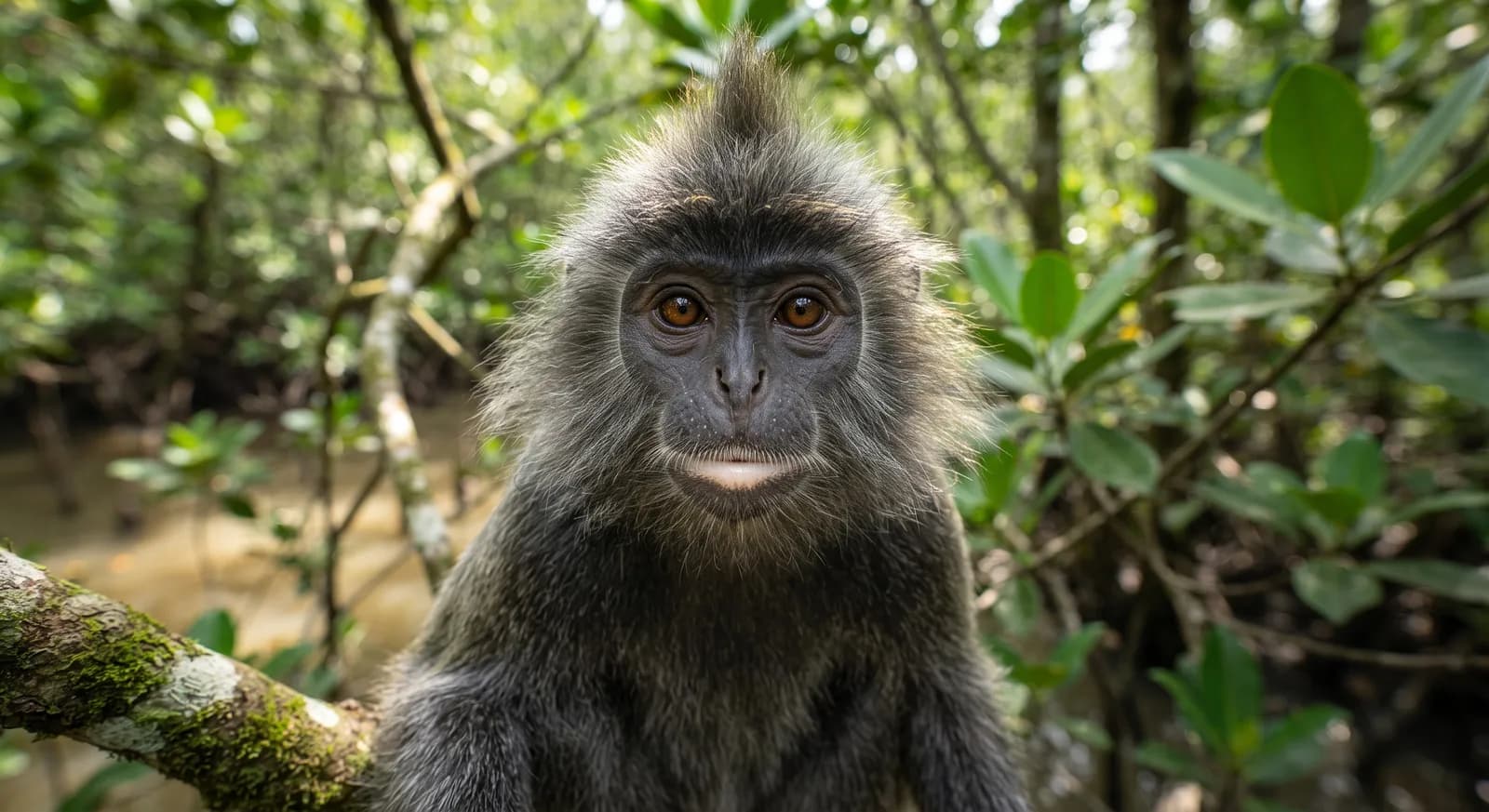
Silvery Lutung
Trachypithecus cristatus
It faces a high risk of extinction in the wild over the medium term. See full glossary
Its young are born a startling bright orange, quite unlike the silvery grey of the adult, a contrast that makes them instantly recognisable and helps the whole troop share in their care.
Weight
5.7 kg – 6.6 kg
Size
46 cm – 56 cm
Lifespan
20 years
Diet
Herbivore
Feeds mainly on plants.
Activity
Diurnal
Active mainly during the day.
Social structure
Family group
Lives in small family groups with close bonds.
Sighting difficulty
Moderate
Fun facts
- Its young are born a striking bright orange, very different from the silvery grey of the adult.
- It has a multi-chambered stomach, much like a ruminant's, for digesting fibrous leaves.
- It lives in coastal forest and mangrove of the Malay Peninsula, Sumatra and Borneo.
Life cycle & biology
- Skeleton type
- Vertebrate - internal bony skeleton (mammal)
- Habitat & environment
- Coastal forest, mangrove and riverside country of the Malay Peninsula, Sumatra and Borneo
- Birth weight
- ~400 grams
- Size at birth
- A striking bright orange at birth, with white hands, feet and face, turning silver-grey within a few months
- Sexual maturity
- 4-5 years
- Gestation / incubation
- 181-200 days (~6-7 months)
- Litter / clutch size
- 1 young (twins very rare)
- Lifespan in captivity
- Documented record of up to 31 years in captivity
Sources consulted: JungleDragon; Environmental Inclusion; Animal Diversity Web; Critter Science; New England Primate Conservancy; Yayasan Konservasi Pesisir Indonesia; Columbus Zoo; Animalia.bio
Where to find it
See its range on the interactive mapWhere to watch it
Parques y spots de buceo donde se ha documentado esta especie — se muestran 10 de 19 documentados.
Related species
Other species in the catalogue with the most in common with Silvery Lutung — same habitat, park, country, tags or family.
Thomas’s Langur
Presbytis thomasi
Southern Pig-tailed Macaque
Macaca nemestrina
 Endangered
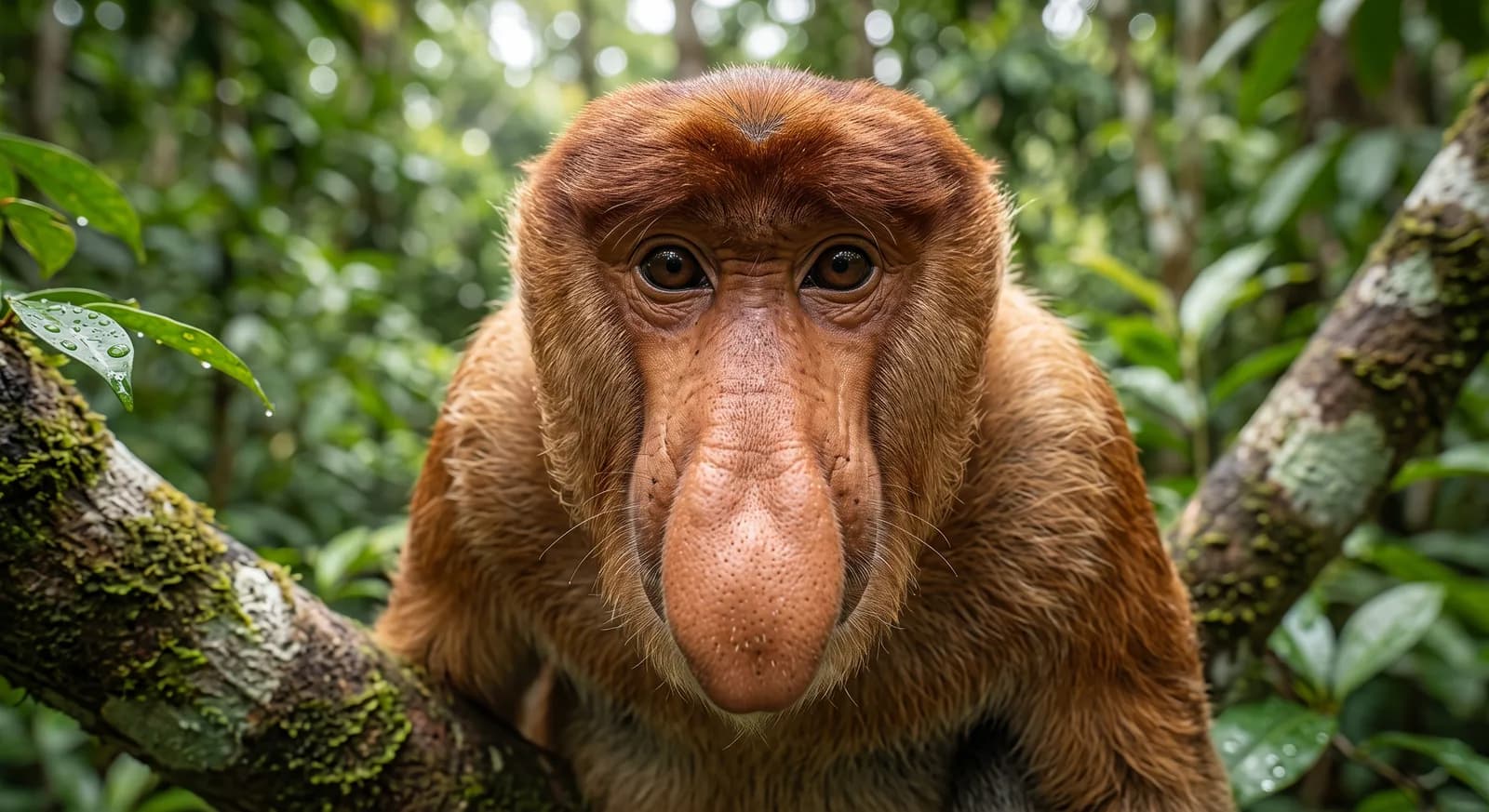
Proboscis Monkey
Nasalis larvatus
Javan Surili
Presbytis comata
 Endangered
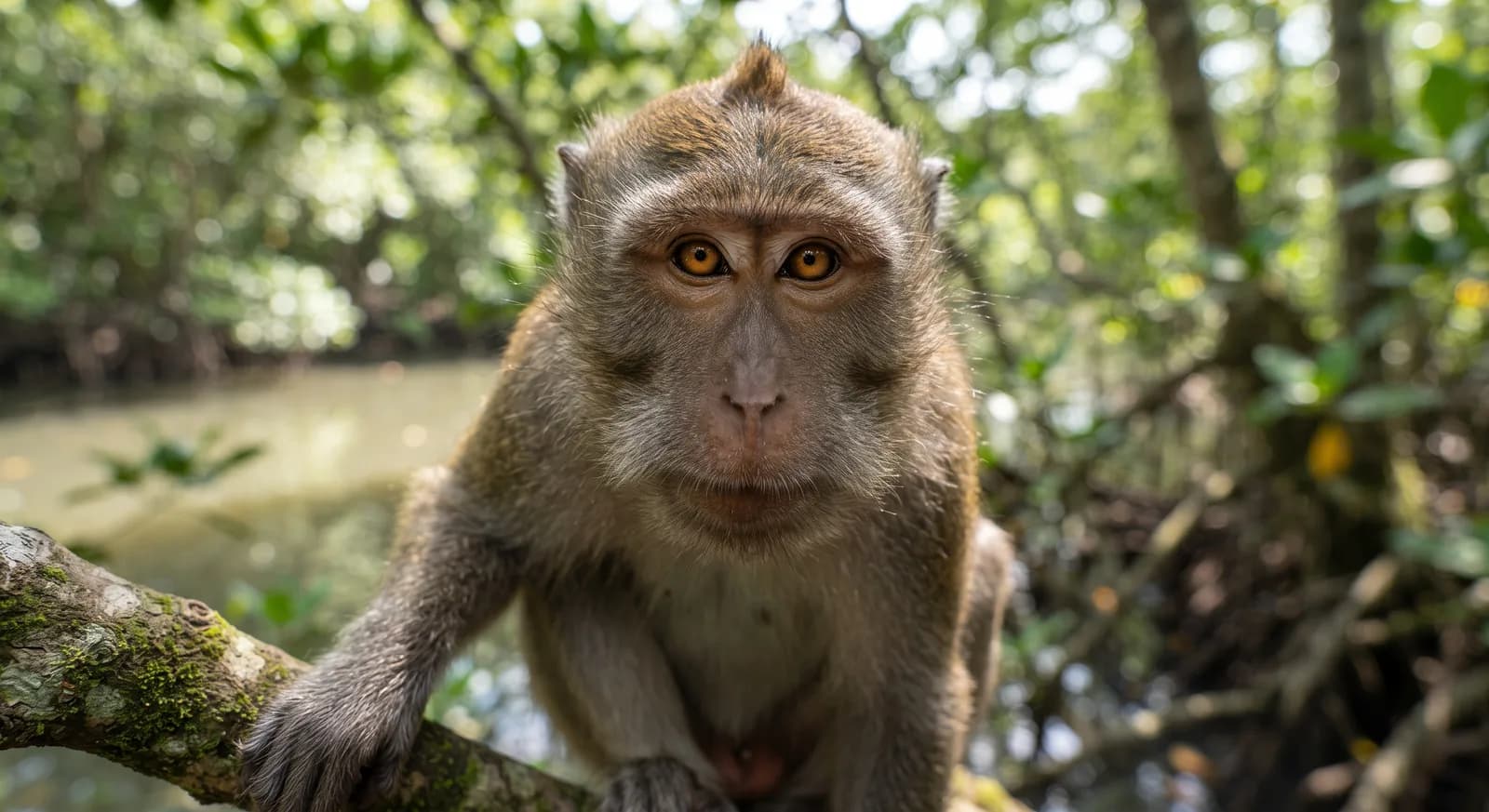
Long-tailed Macaque
Macaca fascicularis
 Vulnerable
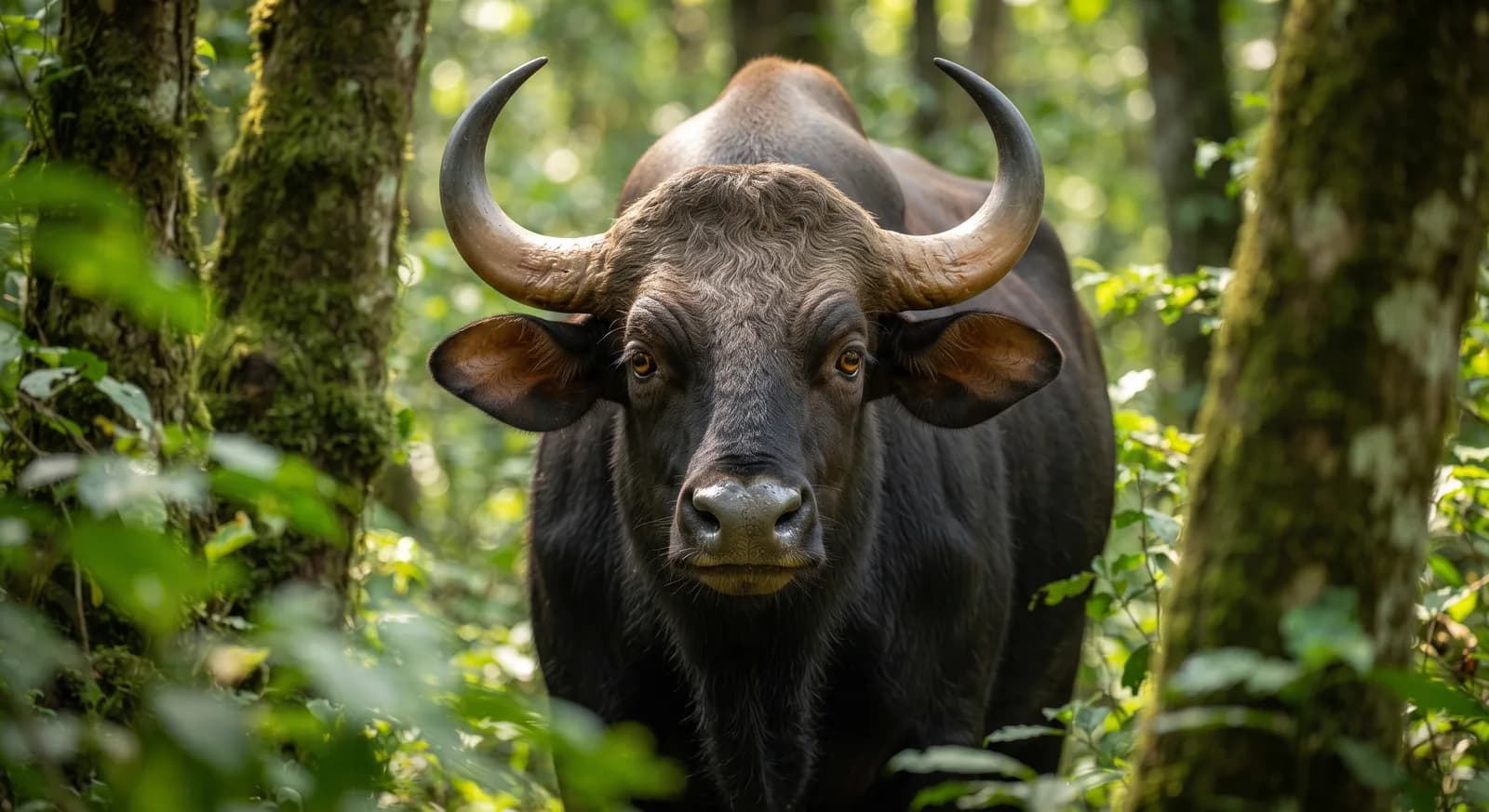
Gaur
Bos gaurus
How to help
The silvery lutung is classified as vulnerable. Organizations such as UICN, WWF y Wildlife Conservation Society work specifically on its conservation and that of its habitat; looking into their programs is a good starting point if you want to get involved.
It's documented in 9 real protected areas — part of why protecting these places matters for its conservation.
Keep exploring
Based on what we already know about silvery lutung.
Comments
Share an experience, a fun fact or a tip for seeing the silvery lutung.
Be the first to comment.