One of the 9 langurs on WAnimals
Mammals · Primates · Cercopithecidae
Nilgiri Langur
Semnopithecus johnii
It faces a high risk of extinction in the wild over the medium term. See full glossary
The Nilgiri langur is a primate endemic to the Western Ghats of southern India, with a glossy black coat and a golden brown mane around the face. It lives in groups of one male and several females in the montane forests, and its diet is based on leaves, which it digests thanks to a compartmentalised stomach. The conversion of forest into tea and coffee plantations and hunting for its supposed medicinal properties have reduced it to fragmented populations.
Weight
9 kg – 14 kg
Size
49 cm – 71 cm
Lifespan
25 years
Diet
Herbivore
Feeds mainly on plants.
Activity
Diurnal
Active mainly during the day.
Sighting difficulty
Moderate
Fun facts
- It is hunted in the belief that its flesh and organs have medicinal and aphrodisiac properties, a superstition with no basis whatever that remains one of its main threats.
- It lives in the shola forests, patches of rainforest set among high-altitude grassland in the Western Ghats, a vegetation mosaic found nowhere else in the world.
Life cycle & biology
- Skeleton type
- Vertebrate - internal bony skeleton (mammal)
- Habitat & environment
- Evergreen montane rainforest and shola forest of the Western Ghats, in India
- Sexual maturity
- 4 years
- Gestation / incubation
- 6.5 months
- Litter / clutch size
- 1
Sources consulted: https://es.wikipedia.org/wiki/Semnopithecus_johnii
Where to watch it
Parks and dive sites where this species has been documented.
Related species
Other species in the catalogue with the most in common with Nilgiri Langur — same habitat, park, country, tags or family.
Lion-tailed Macaque
Macaca silenus
 Least Concern
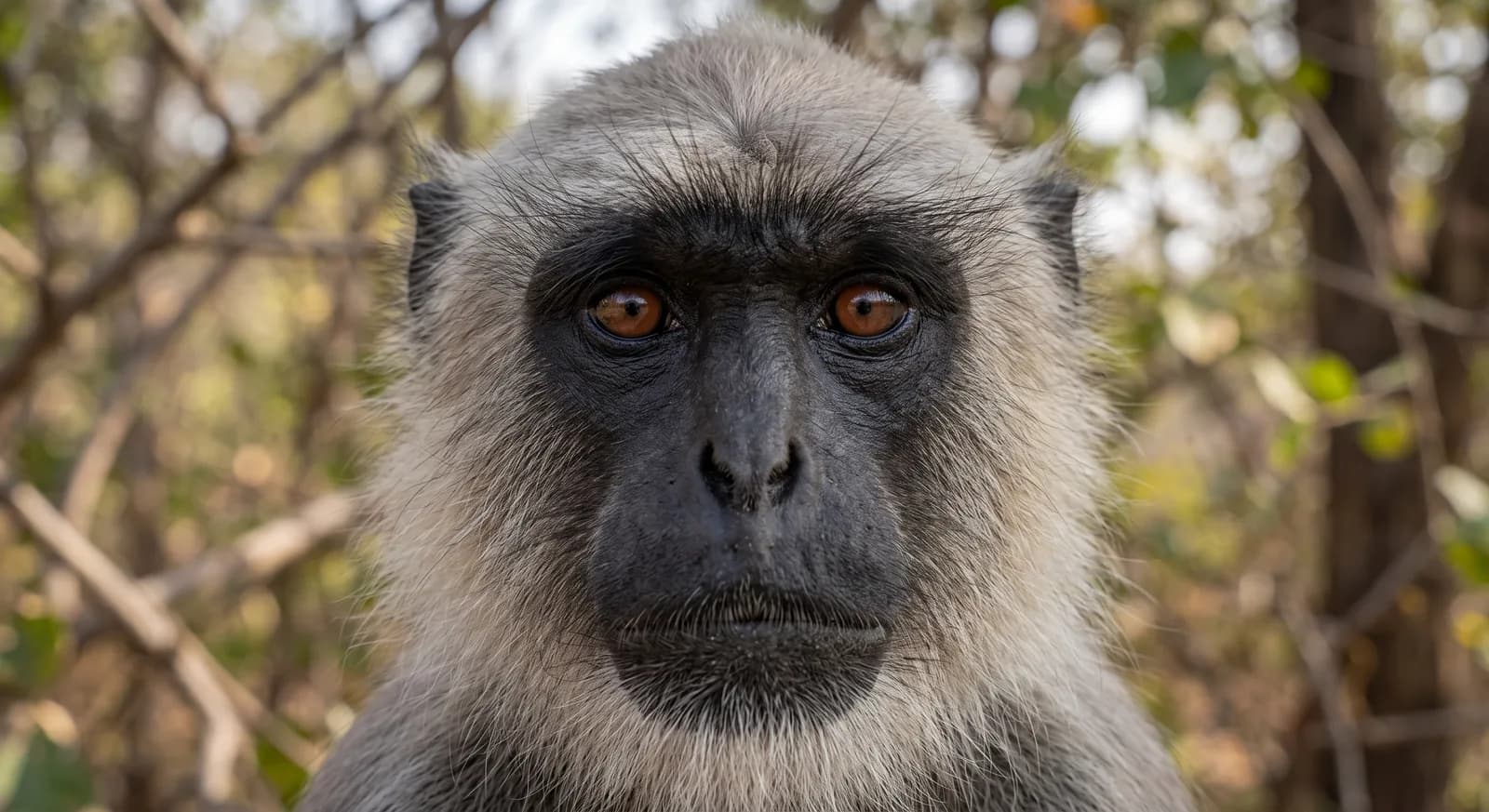
Northern Plains Gray Langur
Semnopithecus entellus
 Vulnerable
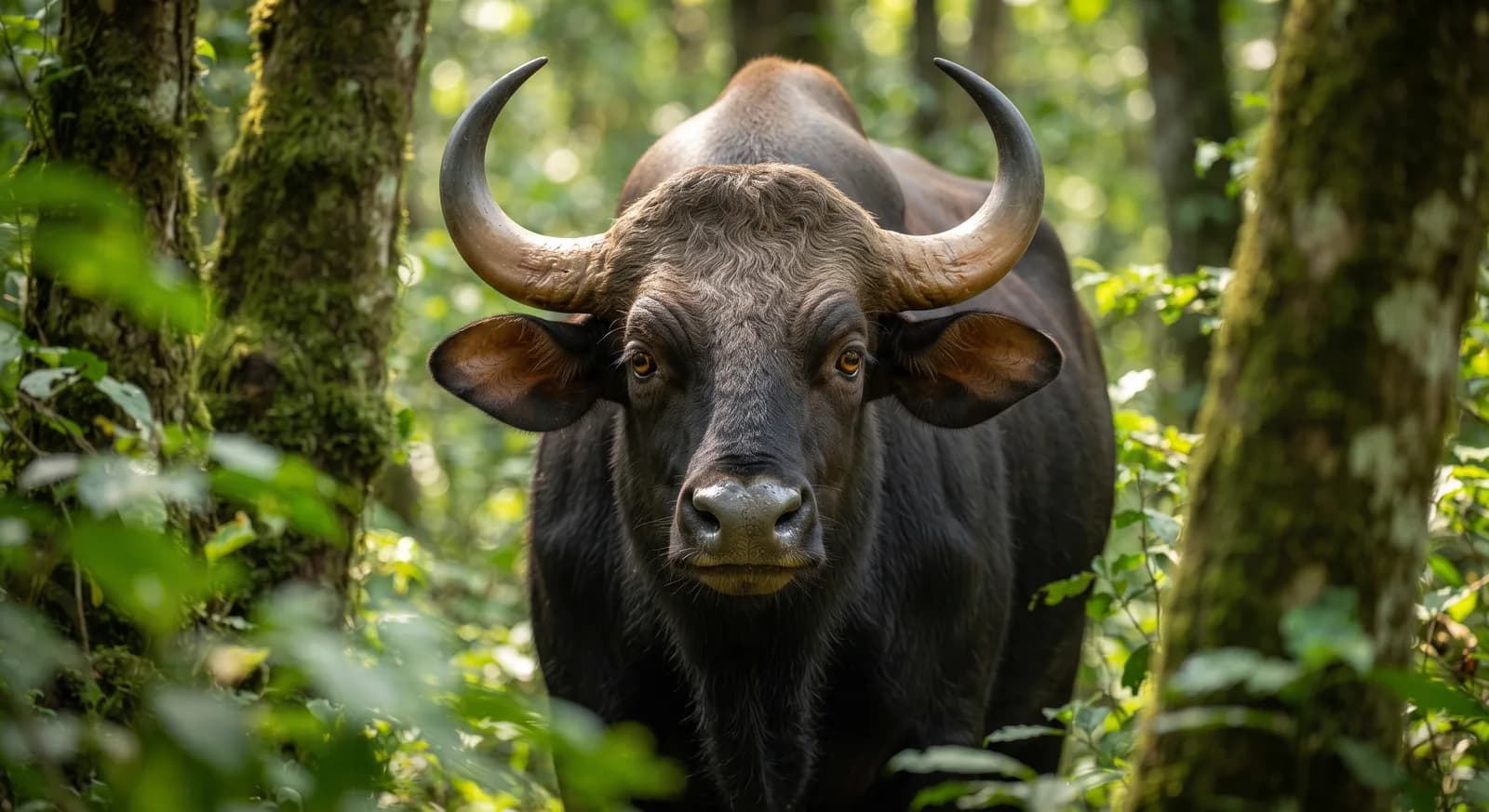
Gaur
Bos gaurus
 Vulnerable
Sambar
Rusa unicolor
Oriental Small-clawed Otter
Aonyx cinereus
Assamese Macaque
Macaca assamensis
How to help
The nilgiri langur is classified as vulnerable. Organizations such as UICN, WWF y Wildlife Conservation Society work specifically on its conservation and that of its habitat; looking into their programs is a good starting point if you want to get involved.
It's documented in 7 real protected areas — part of why protecting these places matters for its conservation.
Keep exploring
Based on what we already know about nilgiri langur.
Comments
Share an experience, a fun fact or a tip for seeing the nilgiri langur.
Be the first to comment.