One of the 12 deer on WAnimals
Mammals · Artiodactyla · Cervidae
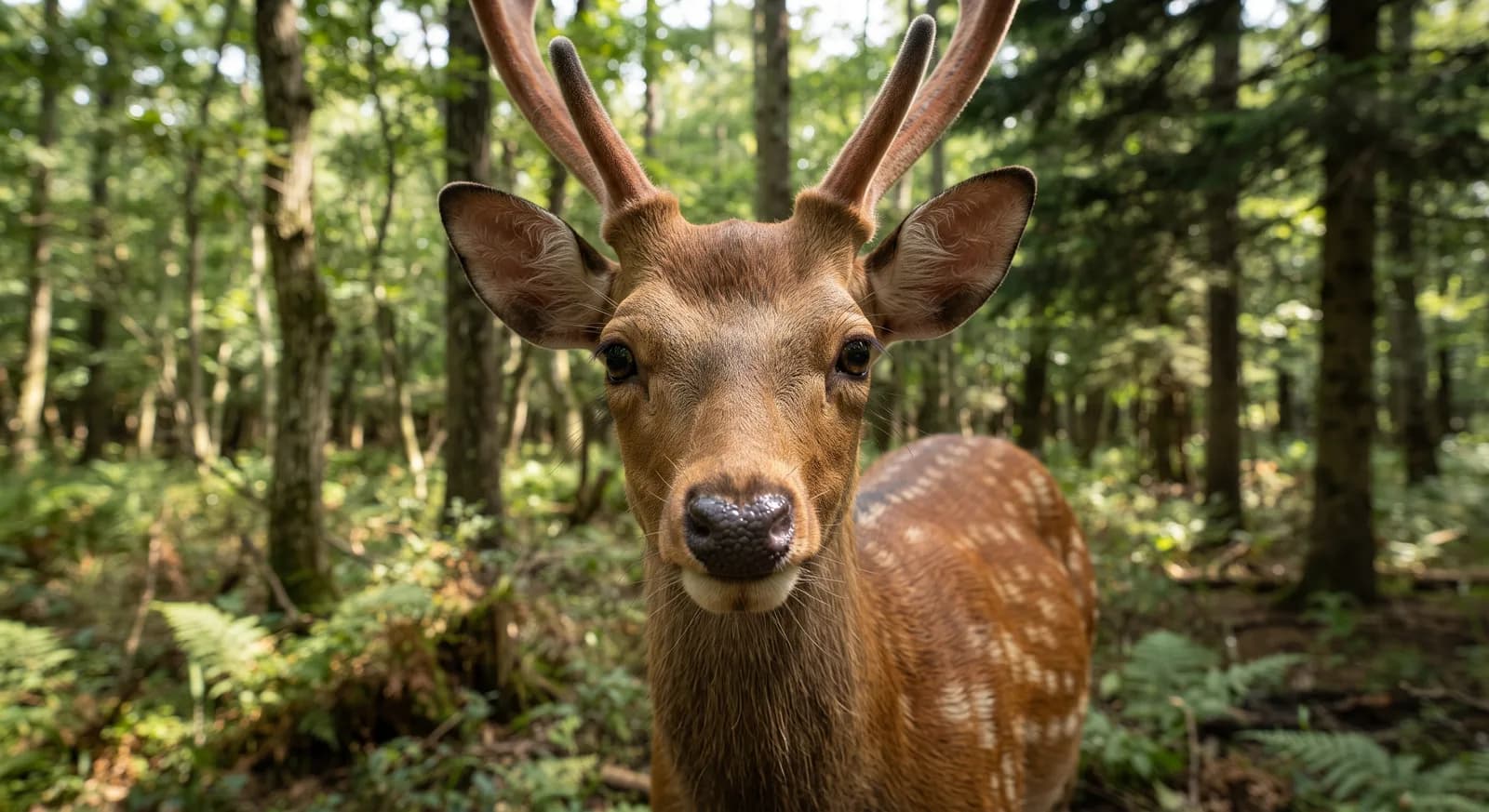
Sika Deer
Cervus nippon
The species is abundant and widely distributed; it faces no significant short-term risk. See full glossary
It is an extremely vocal species, able to produce more than ten distinct calls, from soft whistles to high-pitched screams.
Weight
25 kg – 111 kg
Lifespan
10 years
Diet
Herbivore
Feeds mainly on plants.
Activity
Crepuscular
Active above all at dawn and dusk.
Social structure
Herd
Lives in large groups as a strategy against predators.
Sighting difficulty
Easy
Fun facts
- In Japan, the deer of the city of Nara are regarded as sacred messengers of the Shinto gods.
- It eats dwarf bamboo, acorns and other seasonal fruit, along with grasses and leaves.
- It has been widely introduced to Europe and North America.
- biologíaIt has a striking spotted summer coat that turns darker and plainer in winter, and has been successfully introduced to several European countries outside its natural range in East Asia.
Life cycle & biology
- Skeleton type
- Vertebrate - internal bony skeleton (mammal)
- Habitat & environment
- Temperate forest, grassland and mountain country of East Asia, widely introduced to Europe and North America
- Birth weight
- 4.5-7 kg at birth, with the characteristic white spots
- Size at birth
- 4.5-7 kg at birth
- Sexual maturity
- ~6 months in the female (though she usually breeds for the first time as a yearling)
- Gestation / incubation
- ~7-7.5 months (210-230 days)
- Litter / clutch size
- 1 young per birth (twins rare)
- Lifespan in captivity
- Documented record of up to 25 years
Sources consulted: iNaturalist; World Deer; AnAge (genomics.senescence.info); Dimensions.com; Creatures of the World; British Deer Society; A-Z Animals; The Animal Facts
Where to find it
See its range on the interactive mapWhere to watch it
Parks and dive sites where this species has been documented.
Related species
Other species in the catalogue with the most in common with Sika Deer — same habitat, park, country, tags or family.
Reeves' Muntjac
Muntiacus reevesi
 Least Concern
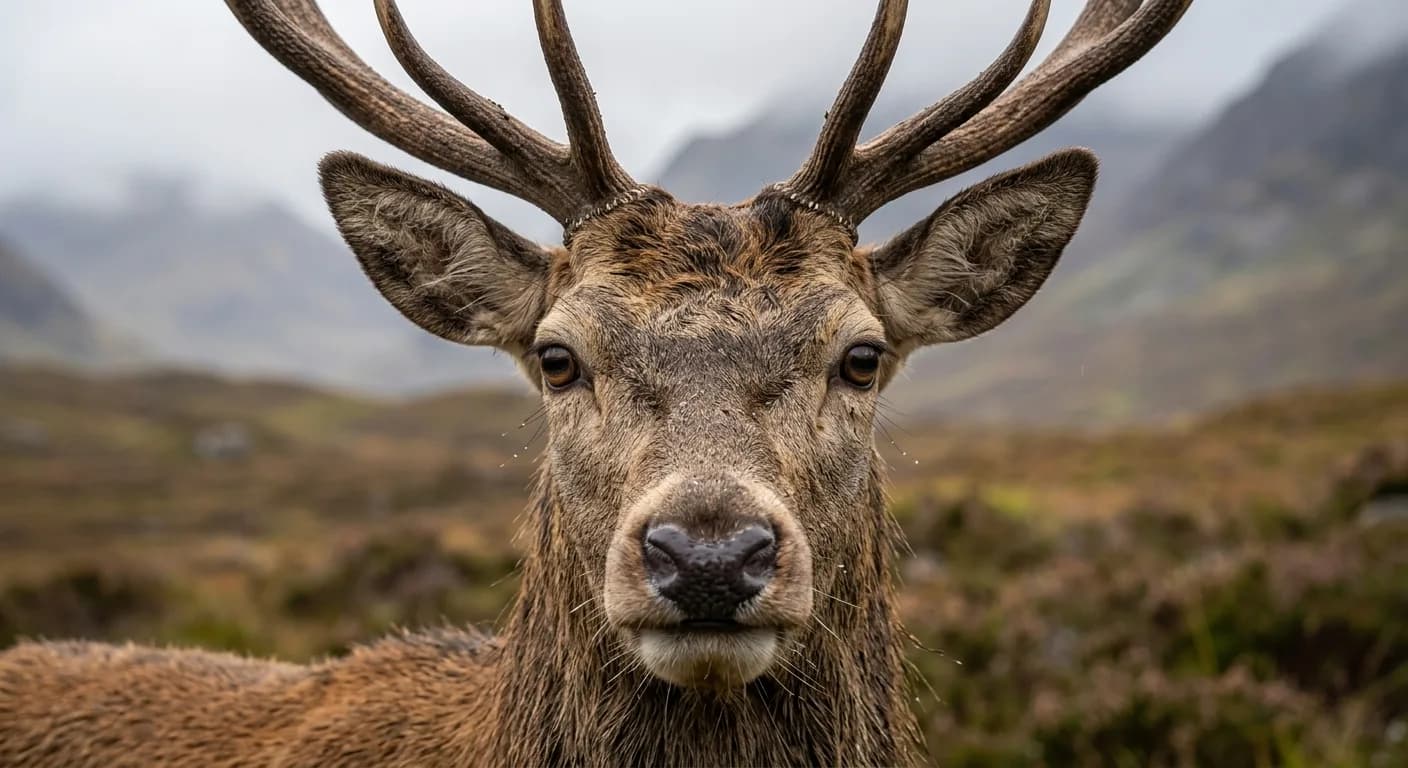
Red Deer
Cervus elaphus
 Least Concern
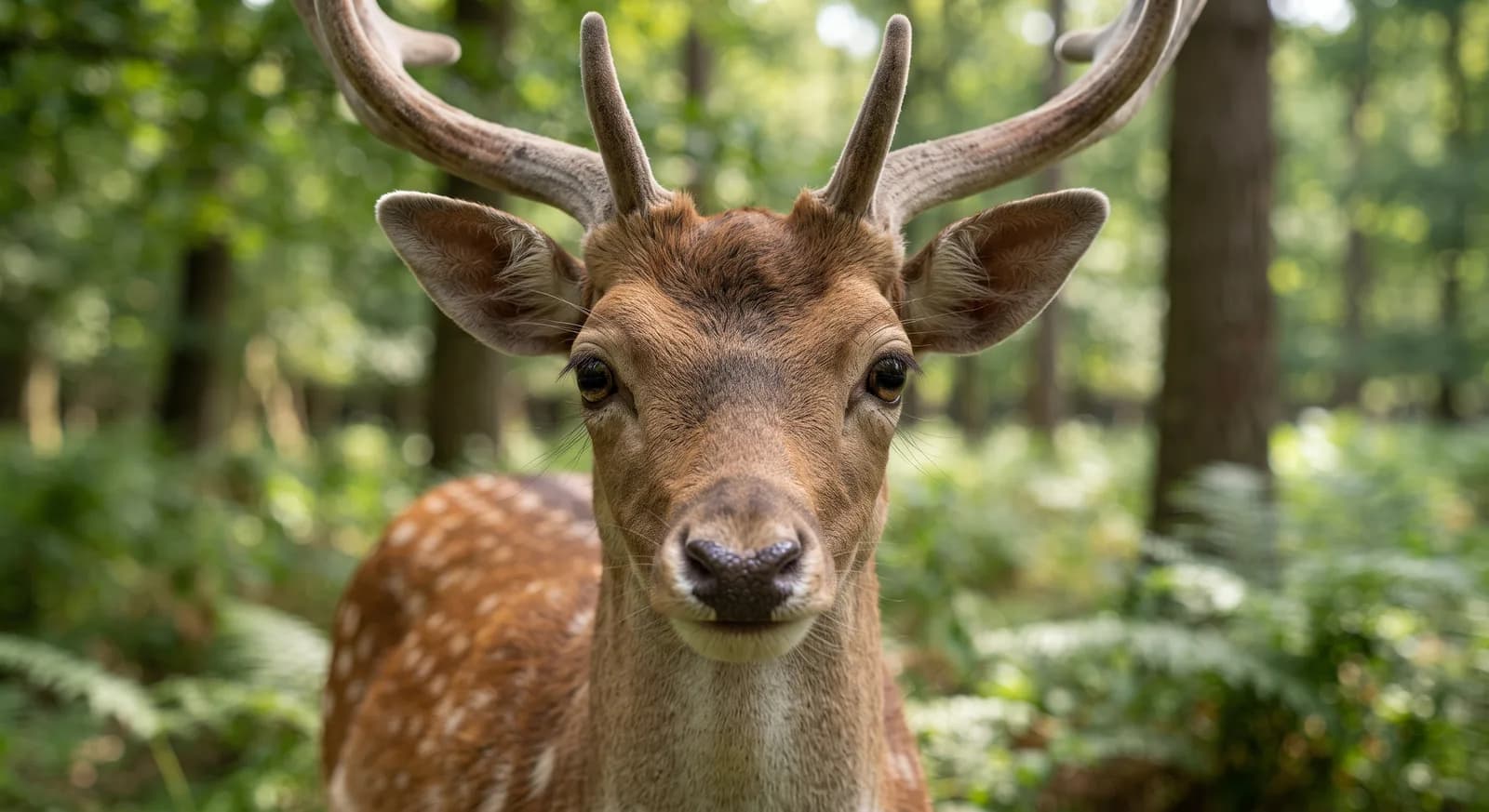
Fallow Deer
Dama dama
 Least Concern
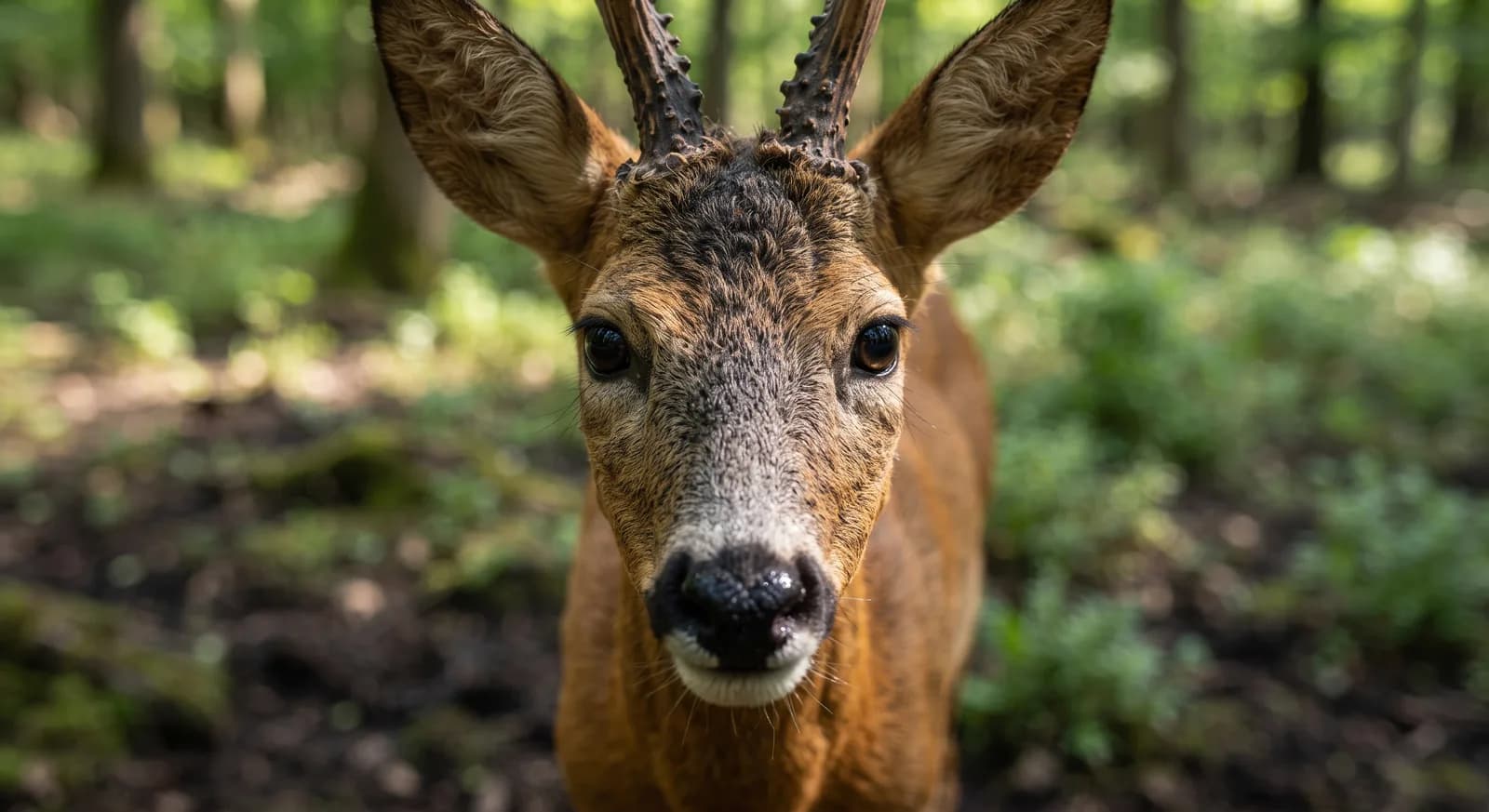
Roe Deer
Capreolus capreolus
Roosevelt Elk
Cervus canadensis
 Least Concern
Moose
Alces alces
Keep exploring
Based on what we already know about sika deer.
Comments
Share an experience, a fun fact or a tip for seeing the sika deer.
Be the first to comment.