Yoshino-Kumano
Japan · East AsiaMountains and coast of the Kii peninsula, crossed by the Kumano Kodo pilgrimage routes.
Area
613 km²
Declared in
1936
Region
East Asia
Climate
Tropical, Templado, Polar / frío
Best time
March to May
Highlight
The forested mountains of Kii and their pilgrimage routes
Yoshino-Kumano National Park was declared in 1936 and takes in much of the Kii peninsula, south of Nara, Osaka and the old imperial capital, spread across the prefectures of Nara, Wakayama and Mie. It combines three very different environments: the wooded mountains of the interior, with the peaks of Omine and the cherry trees of Yoshino; the gorges and clear rivers of the Kumano system; and a stretch of rugged coastline on the Pacific.
It is one of the territories of greatest religious density in Japan. For more than a thousand years the Kii peninsula has been regarded as the dwelling place of the kami and a place of ascetic practice, and its mountains are crossed by the Kumano Kodo pilgrimage routes, which link the three great Kumano shrines, Mount Koya of Shingon Buddhism, and Yoshino-Omine, the centre of Shugendō, the ascetic mountain tradition. That group of shrines and paths was inscribed on the World Heritage List in 2004, but as a CULTURAL property, under the name Sacred Sites and Pilgrimage Routes in the Kii Mountain Range, not as a natural one.
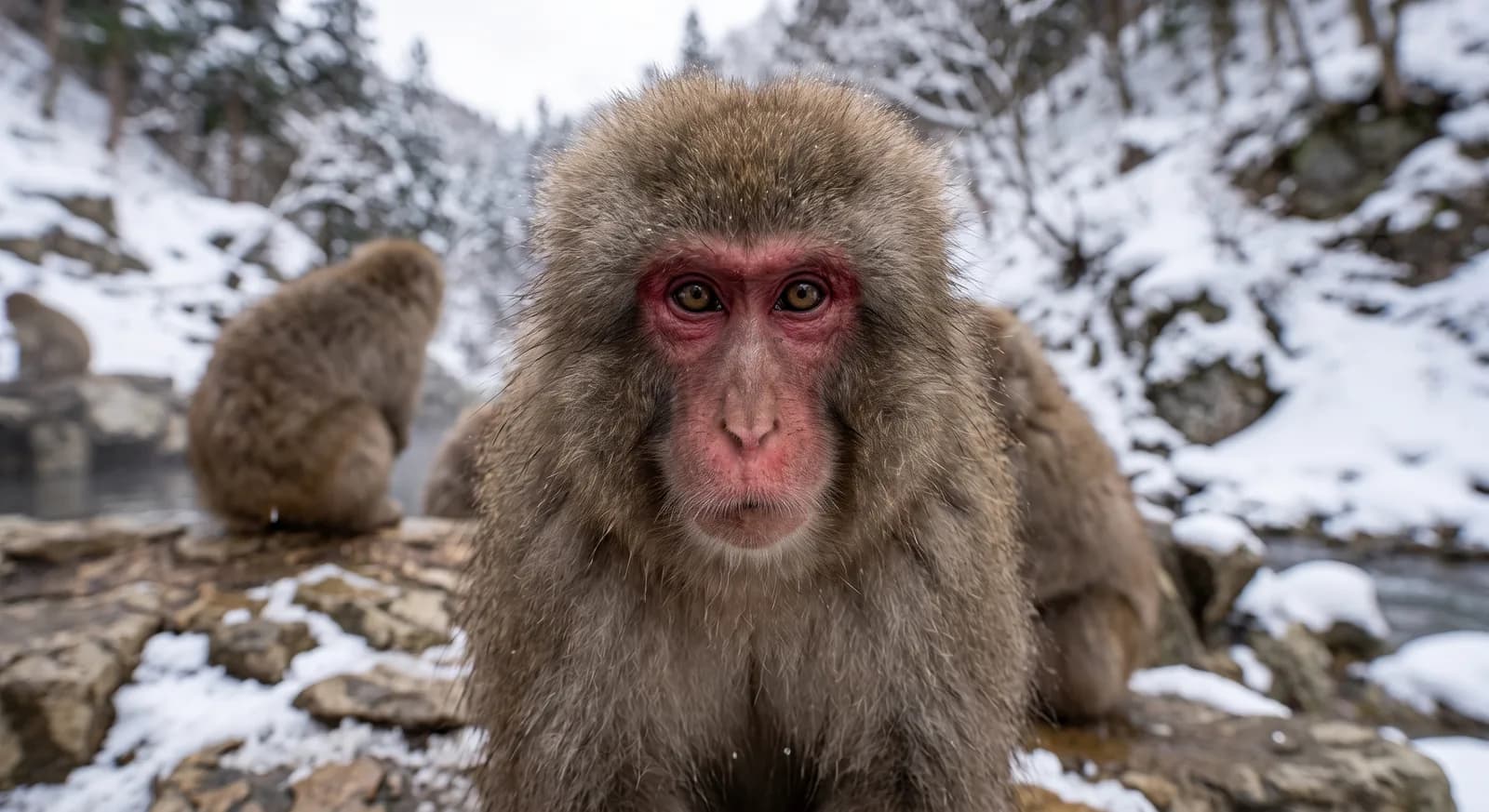
The forest cover is dense and very wet — this is one of the rainiest areas in Japan — with Japanese cedar and cypress forests, largely planted, and patches of temperate deciduous forest and laurel forest. The fauna is typical of the mountains of Honshu: Japanese serow, macaque, sika deer, wild boar and a rich woodland birdlife, with the Japanese giant salamander present in some of the park's rivers.
Location
See on the interactive map1 dive site within 300 km is also shown.
11 species documented in Yoshino-Kumano
At conservation risk:Salamandra gigante japonesa
Endemic to Japan:Macaco japonés,Salamandra gigante japonesa,Serow japonés
Águila azor montañesa
Nisaetus nipalensis
Anteojitos japonés
Zosterops japonicus
 Least Concern
Macaco japonés
Macaca fuscata
Perro mapache
Nyctereutes procyonoides
Rana toro americana
Lithobates catesbeianus
Ruiseñor japonés
Larvivora akahige
Salamandra de bosque japonesa
Hynobius nigrescens
Salamandra gigante japonesa
Andrias japonicus
Serow japonés
Capricornis crispus
Tejón japonés
Meles anakuma
Tritón de vientre de fuego japonés
Cynops pyrrhogaster
Flora and ecosystems
Ecosystems found in Japan, where Yoshino-Kumano lies.
Experiences in this park
Nearby dive sites
Where can I dive near here?
Osezaki
281 km away
Similar parks
Which other parks are like this one?
Keep exploring
Based on what we already know about Yoshino-Kumano.
Your rating
How many stars would you give Yoshino-Kumano?
Comments
Share your experience visiting Yoshino-Kumano, or a tip for other travellers.
Be the first to comment.