One of the 4 badgers on WAnimals
Mammals · Carnivora · Mustelidae
Japanese Badger
Meles anakuma
The species is abundant and widely distributed; it faces no significant short-term risk. See full glossary
The Japanese badger is a mustelid endemic to the main islands of Japan, smaller than the European badger and with facial bands that are more diffuse and brown rather than black. It is markedly less social: adults usually live alone or in loose pairs, not in clans. It is omnivorous with a liking for earthworms and beetles, and digs setts on wooded slopes. In winter it enters a light torpor. Road deaths and the abandonment of traditional farmland mosaics are affecting it.
Weight
4 kg – 12 kg
Size
50 cm – 80 cm
Lifespan
13 years
Diet
Carnivore
Feeds mainly on other animals.
Activity
Nocturnal
Active mainly at night.
Social structure
Solitary
Lives and hunts alone, joining others only to breed.
Sighting difficulty
Easy
Fun facts
- In Japanese folklore it is constantly confused with the tanuki: many stories about the shape-shifting raccoon dog actually refer to this badger, and the popular name anaguma is used for both in different regions.
- It is far less social than its European relative: while the European badger lives in clans of up to a dozen animals sharing a sett, this one usually lives alone or in a pair.
Life cycle & biology
- Skeleton type
- Vertebrate - internal bony skeleton (mammal)
- Habitat & environment
- Temperate forest, farmland-and-woodland mosaics and urban fringes of Honshu, Shikoku and Kyushu
- Sexual maturity
- 2 years
- Gestation / incubation
- 10 months (with delayed implantation)
- Litter / clutch size
- 2
Sources consulted: https://en.wikipedia.org/wiki/Japanese_badger
Where to watch it
Parques y spots de buceo donde se ha documentado esta especie — se muestran 10 de 14 documentados.
Related species
Other species in the catalogue with the most in common with Japanese Badger — same habitat, park, country, tags or family.
Pine Marten
Martes martes
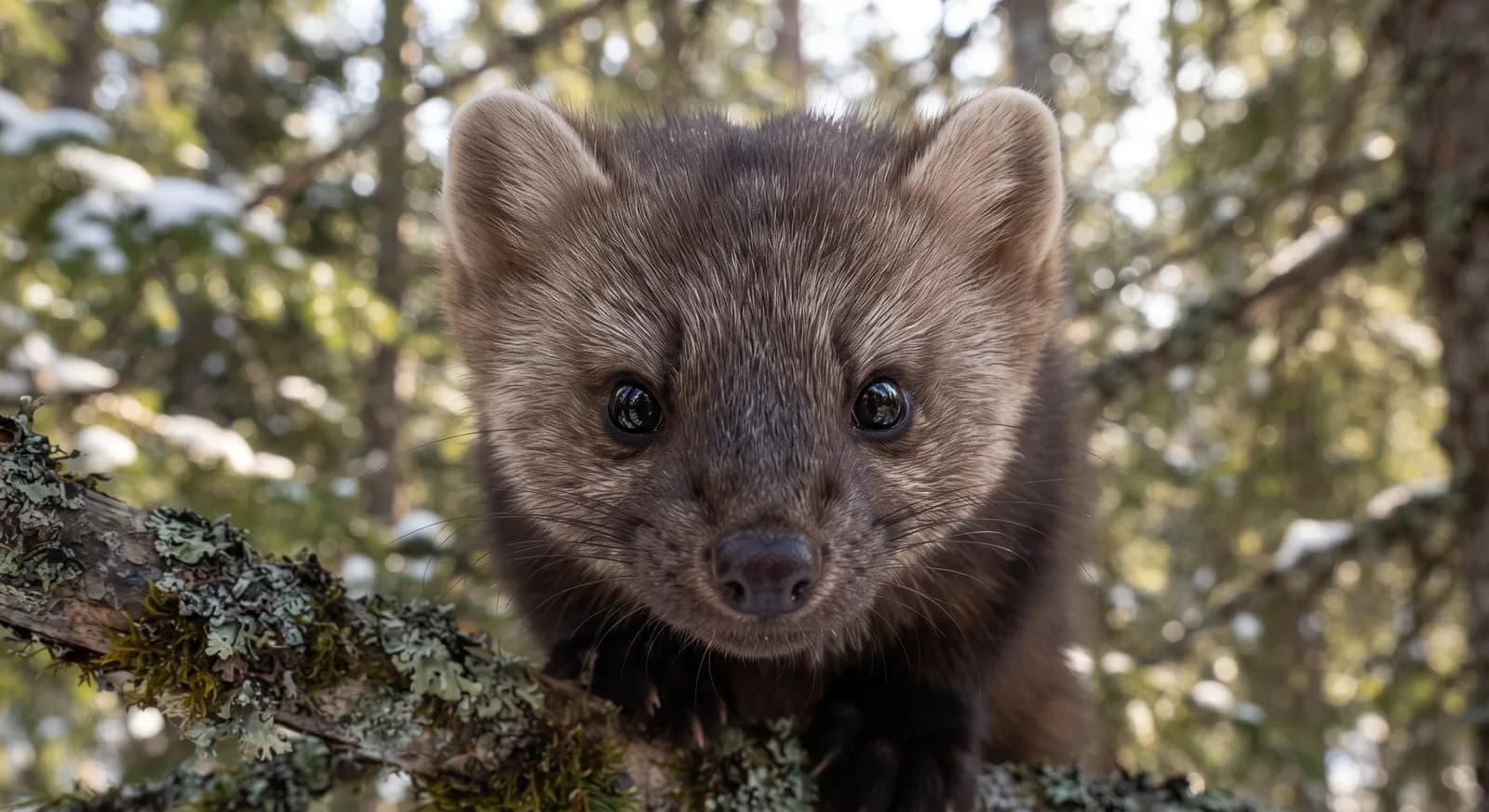 Least Concern
Sable
Martes zibellina
 Least Concern
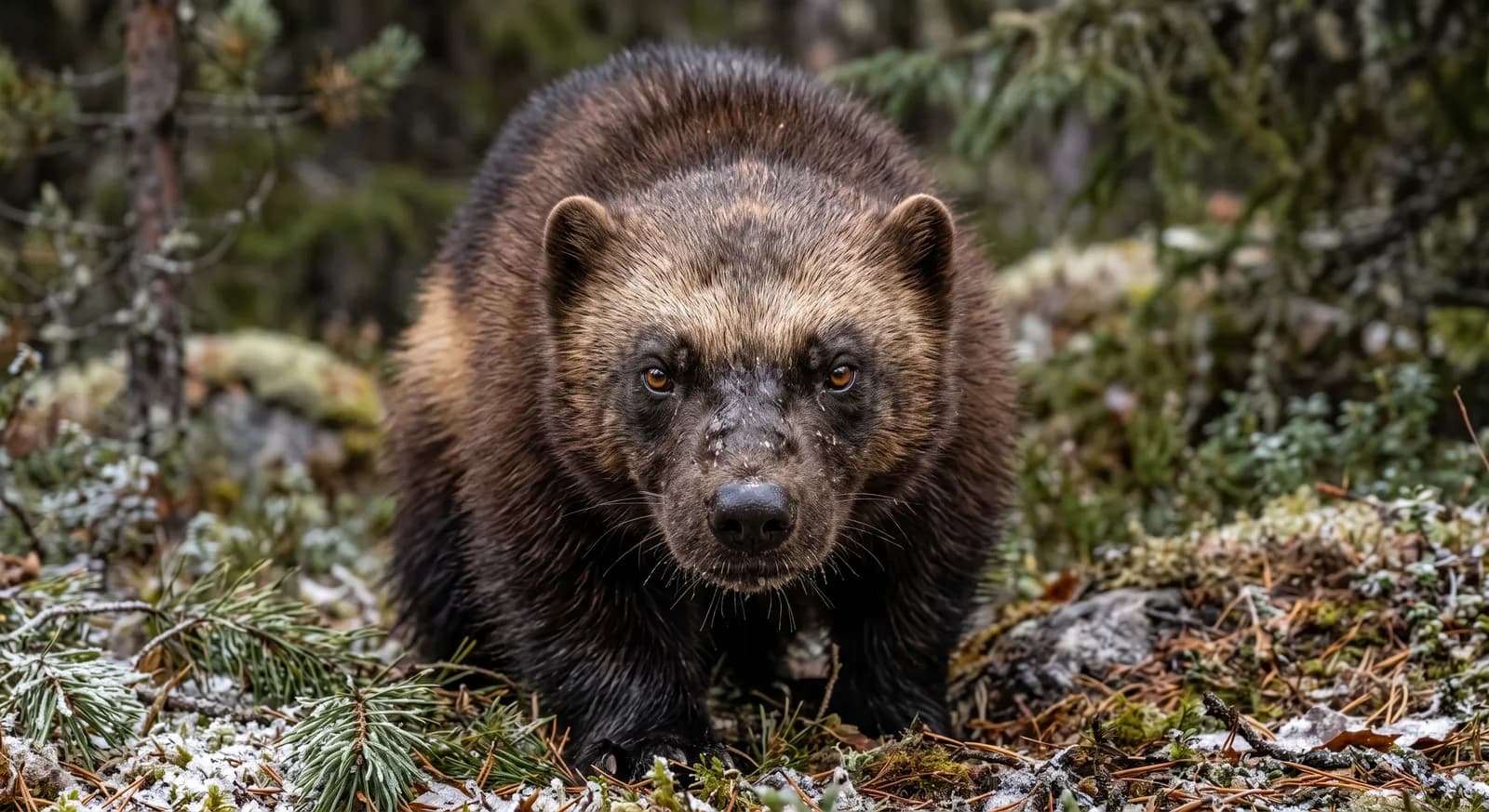
Wolverine
Gulo gulo
 Least Concern
Asian Badger
Meles leucurus
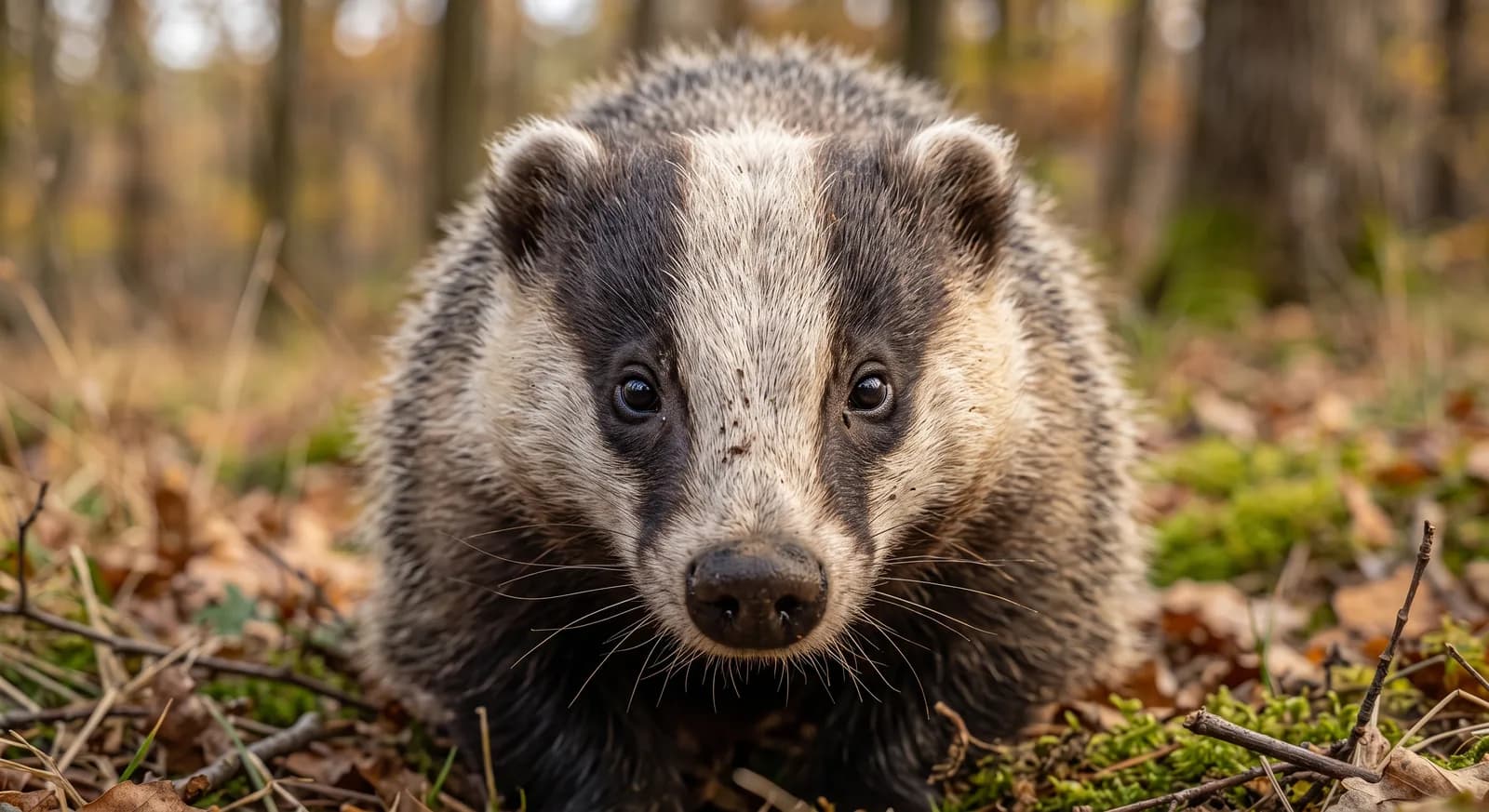
Raccoon Dog
Nyctereutes procyonoides
 Least Concern
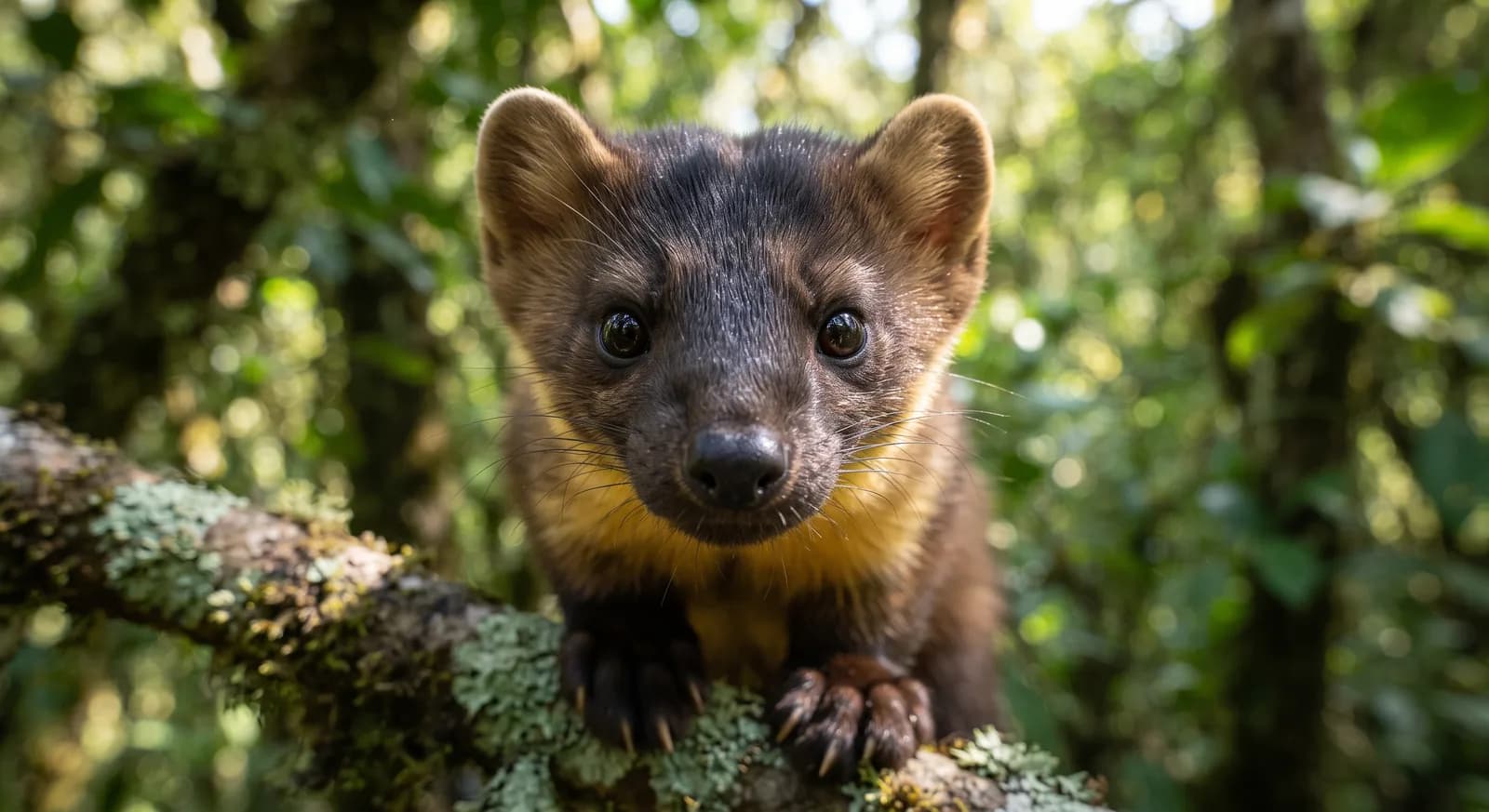
Yellow-throated Marten
Martes flavigula
Keep exploring
Based on what we already know about japanese badger.
Comments
Share an experience, a fun fact or a tip for seeing the japanese badger.
Be the first to comment.